Israels Bold Cyber Move Potential Retaliation
Israel takes bold steps to expose cyber threat actors faces potential retaliation. This recent move by Israel into the spotlight of international cyber warfare is a bold gamble. Their actions to publicly identify and expose malicious actors could potentially spark a global cyber arms race. The question now is: will this proactive approach lead to greater security, or invite unwanted and devastating retaliation?
Israel’s historical approach to cybersecurity has been one of proactive engagement, blending offensive and defensive strategies. This latest exposé, detailed below, explores the specific actions taken, the potential for retaliation, and the wider geopolitical implications. It’s a fascinating case study in international cyber relations, and the potential consequences of such bold steps.
Background on Israeli Cyber Activities
Israel’s approach to cybersecurity is deeply intertwined with its national security needs, fostering a proactive and often clandestine culture of cyber expertise. This proactive stance stems from a unique geopolitical context, demanding both robust defense and advanced offensive capabilities. The country’s history of conflict and its reliance on technological innovation have driven its development of sophisticated cyber capabilities.Israel’s cyber ecosystem is a complex interplay of government agencies, private companies, and academic institutions.
The country’s security agencies, while often operating under tight secrecy, have a long history of developing cutting-edge cyber technologies, employing these in both offensive and defensive operations. This commitment is reflected in the country’s substantial investment in research and development, bolstering its cyber capabilities.
Israeli Cyber Capabilities and Resources
Israel’s cyber capabilities are renowned for their sophistication and effectiveness. These capabilities encompass a wide range of activities, from defensive measures against cyberattacks to offensive operations aimed at neutralizing threats. The country’s security agencies, often characterized by their close collaboration, possess extensive resources in both human capital and advanced technology.
- Offensive Capabilities: Israel’s offensive cyber capabilities are a significant part of its overall security strategy. This involves developing and deploying sophisticated tools and techniques to disrupt and deter malicious actors. These capabilities often focus on disrupting enemy infrastructure and operations, safeguarding Israeli assets and deterring future attacks. Israel’s offensive approach is frequently coupled with robust legal and ethical frameworks, aimed at maintaining international standards.
- Defensive Capabilities: Israel’s defensive strategies are equally robust. The country actively monitors and analyzes cyber threats, building advanced systems to detect and mitigate attacks against critical infrastructure and sensitive data. A significant aspect of this defensive strategy is its ability to rapidly adapt to new and emerging threats, ensuring ongoing protection against evolving cyber landscapes.
- Resources: Israel’s cyber resources encompass highly skilled personnel, cutting-edge technology, and extensive research and development facilities. This includes a combination of government-funded initiatives and private sector investments. These investments contribute to a culture of continuous improvement in cyber technologies and strategies.
Motivations Behind Recent Bold Steps
The recent bold steps taken by Israel regarding cyber threats are likely motivated by a combination of factors. These include a perceived escalating threat landscape, concerns about national security, and potential geopolitical implications.
- National Security Concerns: The country’s ongoing conflicts and its complex geopolitical environment create significant security concerns, driving the development and deployment of advanced cyber capabilities. Protecting critical infrastructure and sensitive data is paramount, motivating Israel to proactively engage in exposing and neutralizing threats.
- Geopolitical Factors: The evolving international cyber landscape and the actions of state-sponsored actors are potential factors in Israel’s decision to take bold actions. The country’s security agencies may respond to specific cyberattacks or to the potential for future attacks, particularly from state-sponsored actors.
International Collaborations
Israel’s collaborations in the cyber realm are vital to its overall security strategy. The country’s international partnerships offer a platform for sharing intelligence, best practices, and technological advancements.
- Partnerships: Israel frequently collaborates with other countries, sharing expertise and information to improve international cyber security. These partnerships are often kept confidential, to avoid compromising intelligence-gathering operations. However, they demonstrate Israel’s commitment to working with allies to address global cyber threats.
- Significance: These international collaborations are significant in terms of intelligence sharing and strategic cooperation. This shared knowledge enhances the collective ability to combat cyber threats effectively and proactively. These partnerships contribute to the overall security of the international community.
Timeline of Significant Israeli Cyber Incidents or Operations
While specific details are often classified, a general timeline of notable Israeli cyber activities provides a broader context. These events, whether defensive or offensive, reflect the evolving nature of cyber threats and Israel’s response.
- 2000s-Present: Israel has engaged in numerous cyber operations, often remaining under the radar. These operations, while not publicly disclosed, reflect a commitment to defending national interests and responding to cyber threats in a proactive manner.
Description of “Bold Steps”: Israel Takes Bold Steps To Expose Cyber Threat Actors Faces Potential Retaliation
Israel’s recent actions to expose cyber threat actors represent a significant escalation in the global cybersecurity arena. These moves, while potentially provoking retaliation, aim to deter future attacks and hold perpetrators accountable. The approach taken signals a shift towards a more assertive and proactive stance in countering cybercrime.This proactive approach involves a multifaceted strategy that transcends traditional methods of investigation.
The specific actions, while not always publicly disclosed, appear to leverage a combination of technical expertise, legal frameworks, and international collaboration to expose and disrupt cybercriminal networks. The potential impact on the global cybersecurity landscape is substantial, potentially setting a precedent for other nations to adopt similar strategies.
Specific Actions Taken by Israel
Israel’s strategy appears to include a combination of public disclosures, legal actions, and covert operations. These efforts are likely designed to maximize impact while minimizing the risk of reprisal. While details remain scarce, the actions are likely part of a larger intelligence-gathering and response framework.
Methods Employed
The methods employed are likely sophisticated and multifaceted. Public disclosures, when employed, serve to warn potential victims and raise awareness about emerging threats. Legal actions, such as indictments or arrests, demonstrate a commitment to holding perpetrators accountable and can deter future activities. Covert operations, including technical takedowns of infrastructure or the disruption of command-and-control channels, are possible but less likely to be publicly disclosed.
The interplay between these methods likely forms a crucial part of Israel’s approach.
Potential Impact on the Global Cybersecurity Landscape
These actions could significantly influence the global cybersecurity landscape by setting a precedent for other nations to adopt similar strategies. It could also lead to increased cooperation between countries to share intelligence and coordinate responses to cyber threats. The potential for escalation of cyber warfare is a serious concern, but also underscores the need for proactive measures to combat cybercrime.
Increased transparency and accountability could potentially foster a more secure global digital environment.
Israel’s recent moves to publicly name and shame cyber threat actors might seem like a strong stance, but it could also invite retaliation. Protecting against these attacks requires a proactive approach, like deploying AI tools to help developers catch security flaws in their code early. This approach, detailed in Deploying AI Code Safety Goggles Needed , could help prevent future breaches and potentially mitigate the risks associated with these bold Israeli actions.
Ultimately, a multifaceted approach to cybersecurity is key, even in the face of strong, but potentially risky, public pronouncements.
Examples of Similar Actions by Other Countries/Organizations
Several countries and organizations have taken similar actions in response to cyber threats. The United States, for instance, has frequently used legal actions and public disclosures to prosecute cybercriminals. Private companies have also engaged in similar strategies, publicly naming and shaming attackers to deter future activity. These actions, while varying in scale and scope, reflect a broader global trend toward holding cybercriminals accountable.
Potential Consequences of the Actions
The consequences of these actions are likely to be complex and multifaceted. Positive outcomes could include a reduction in cyberattacks, increased deterrence for future attacks, and enhanced international cooperation. Negative consequences might include retaliation from cybercriminals, damage to diplomatic relations, or unintended escalation of conflicts. The balance between these potential outcomes remains to be seen.
Potential for Retaliation

Israel’s assertive actions in the cyber realm undoubtedly invite a potential response from threat actors. The nature and intensity of this response will depend on several factors, including the perceived severity of Israel’s actions, the actors’ capabilities, and their strategic objectives. Understanding the potential forms of retaliation is crucial for assessing the risks and implications of such actions.
Likely Responses of Cyber Threat Actors, Israel takes bold steps to expose cyber threat actors faces potential retaliation
Cyber threat actors, motivated by a desire for retribution or to disrupt Israeli operations, are likely to employ a range of tactics. These responses could span various attack vectors, from sophisticated cyberattacks targeting critical infrastructure to more disruptive, yet less impactful, measures. The choice of strategy will often depend on the actors’ resources, expertise, and the desired level of impact.
Types of Potential Retaliation
The potential retaliation strategies range from highly destructive cyberattacks to less impactful but equally damaging disinformation campaigns. These actions could include distributed denial-of-service (DDoS) attacks designed to overwhelm online services, malware infections targeting sensitive data, or the exploitation of vulnerabilities in critical infrastructure. Beyond direct cyberattacks, retaliatory measures could also include the release of damaging information or the propagation of false narratives to undermine Israeli reputation or influence public opinion.
Potential Targets of Retaliation
Retaliation could target both government agencies and private entities. Government agencies, particularly those involved in the cyber operations, would likely be prime targets due to their perceived vulnerability and strategic importance. Private entities, including those reliant on critical infrastructure or possessing valuable intellectual property, could also be targeted. The aim would likely be to cause significant disruption and damage, impacting both the Israeli government and its citizens.
For example, a targeted attack on the Israeli energy grid could cause widespread outages, affecting daily life and the economy.
Geographical Scope of Potential Retaliation
The geographical scope of retaliation could extend beyond Israel’s borders. The potential targets are not limited to Israeli entities, and attacks might be directed against companies or organizations with significant Israeli ties or partnerships, potentially extending to allies or adversaries of Israel. This broader reach could involve cyberattacks targeting international organizations or companies with global operations.
Comparison of Potential Retaliation Strategies
Global Implications
Israel’s assertive cyber actions, while potentially exposing threat actors, inevitably ripple through the global landscape. These actions raise critical questions about regional stability, international cooperation, and the future of cybersecurity strategies worldwide. The implications extend beyond the immediate actors, impacting governments, corporations, and even individuals.
Geopolitical Implications and Regional Stability
Israel’s actions, though focused on cyber threats, have significant geopolitical ramifications. These actions can be seen as a demonstration of resolve in a region prone to conflict and complex geopolitical dynamics. The response from other nations will be crucial in determining whether this escalates or de-escalates tensions. A lack of coordinated international action could lead to a proliferation of retaliatory cyberattacks, further destabilizing the region.
Conversely, a collaborative approach could set a precedent for a more secure cyber environment globally.
Impact on the Global Fight Against Cybercrime
Israel’s actions, in exposing cybercriminals, may serve as a catalyst for greater international cooperation in combating cybercrime. This could lead to a more robust global network of information sharing and joint operations to identify and prosecute cybercriminals. However, it also raises concerns about the potential for a “cyber arms race,” with nations developing more sophisticated cyber capabilities to retaliate against perceived threats.
This could increase the likelihood of cyberattacks and make the global fight against cybercrime even more challenging.
Israel’s recent actions to expose cyber threat actors might face a strong backlash. While this is a risky move, it’s important to consider the potential vulnerabilities in cloud services like Azure Cosmos DB, detailed in Azure Cosmos DB Vulnerability Details. These vulnerabilities could be exploited by the very threat actors Israel is exposing, highlighting the complex web of cyber warfare and the need for proactive security measures.
Potential Shifts in Cybersecurity Strategies
The bold steps taken by Israel might spur other nations to adopt more proactive cybersecurity strategies. This could involve increasing investments in offensive and defensive cyber capabilities, enhancing international collaboration, and implementing stricter cybersecurity regulations for critical infrastructure. The future may see a greater emphasis on both deterring and responding to cyberattacks. Examples of this are seen in the growing awareness of nation-state-sponsored cyberattacks and the resulting increase in cybersecurity budgets in many countries.
Potential Escalation or De-escalation of Cyber Conflicts
Israel’s actions, while intended to expose threat actors, carry the potential for both escalation and de-escalation of cyber conflicts. A swift and measured response from the international community could help de-escalate the situation, fostering a climate of cooperation. Conversely, a lack of coordinated action could lead to a spiral of retaliatory cyberattacks, increasing the risk of a wider conflict.
The key lies in establishing clear international norms and protocols for responding to such actions. The recent increase in nation-state cyberattacks has demonstrated the importance of addressing these issues proactively.
Potential Consequences for Stakeholders
Ethical Considerations
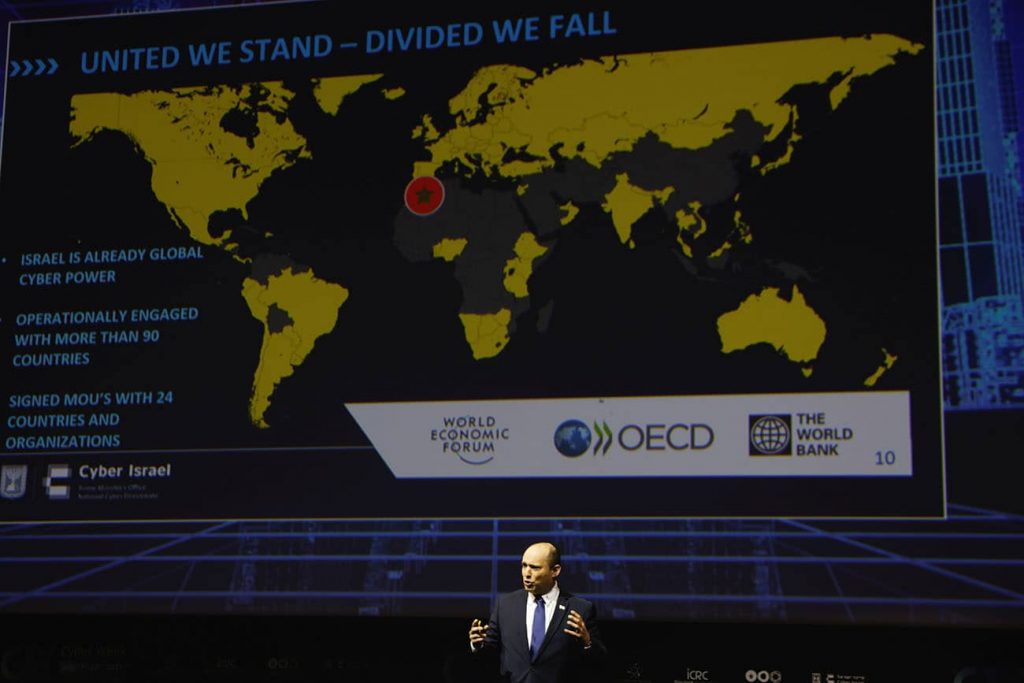
Israel’s recent cyber actions, while potentially bolstering national security, raise complex ethical questions. Navigating the murky waters of international cyber norms and the delicate balance between national interests and global cooperation is paramount. The potential for retaliation and the broader implications for cyberspace necessitate a careful examination of the ethical underpinnings of these actions.The actions, regardless of their perceived necessity, inevitably lead to a scrutiny of the ethical implications of employing cyber capabilities.
International law, while not fully developed in the cyber realm, provides a framework for evaluating the legitimacy of actions.
Framework for Ethical Considerations
The framework for evaluating ethical considerations in this context hinges on the principles of proportionality, necessity, and distinction. Proportionality demands that the response to a cyberattack should be proportionate to the threat posed. Necessity dictates that cyber actions should be employed only when other measures have proven insufficient. Finally, the principle of distinction requires targeting only legitimate military or state-sponsored entities, avoiding harm to civilians or non-combatants.
These principles, however, are often difficult to apply in practice, especially in the realm of asymmetric warfare where the lines between legitimate targets and civilian infrastructure can be blurred.
Israel’s recent actions to expose cyber threat actors are definitely bold, but could face a significant backlash. It’s a fascinating dynamic, especially when considering similar situations in the digital world. Interestingly, the Department of Justice’s recent move to offer a safe harbor for Massachusetts transactions, as detailed in Department of Justice Offers Safe Harbor for MA Transactions , highlights the complex balancing act between security and freedom in the digital age.
Ultimately, these bold moves by Israel are a reminder that the fight against cyber threats is an ongoing battle with no easy solutions.
Potential Breaches of International Law or Norms
While Israel’s actions are shrouded in secrecy, a potential breach of international law or norms could occur if the actions violate the sovereignty of other states or cause disproportionate harm. The lack of a universally recognized legal framework for cyber warfare makes determining these violations challenging. The potential for collateral damage, unintended consequences, and escalation to physical conflict are significant concerns.
For instance, a targeted cyberattack that inadvertently disrupts critical infrastructure in a neighboring country, harming civilians, could be considered a breach of international law.
Balance Between National Security and International Cooperation
Maintaining national security is a fundamental responsibility, but it should not come at the cost of international cooperation. The development of shared norms and standards for responsible state behavior in cyberspace is crucial. A robust framework for international cooperation and dialogue is essential to prevent escalation and promote stability in the digital realm. The use of cyberattacks can quickly lead to a spiral of retaliation, undermining global stability.
This necessitates a cautious approach and a willingness to engage in dialogue with other nations.
Examples of Ethical Dilemmas Faced by Other Countries
The US, Russia, and China have faced ethical dilemmas in the past involving cyber warfare. The debate about whether to retaliate, the potential for unintended consequences, and the difficulty in determining attribution are common threads. Each nation’s response has generated considerable controversy, highlighting the complex ethical landscape of cyber operations. These examples underscore the need for a proactive approach to establishing ethical guidelines for state-sponsored cyber activities.
Different Perspectives on the Issue
Proponents of Israel’s actions often emphasize the importance of defending national interests and deterring cyberattacks. They argue that the actions are necessary to protect Israeli citizens and infrastructure. Conversely, critics raise concerns about the potential for escalation and the violation of international norms, emphasizing the need for restraint and cooperation. The absence of a clear framework for international cyber law exacerbates these differing perspectives.
Historical Precedents and Comparisons

Israel’s recent “bold steps” in exposing cyber threat actors raise important questions about historical parallels. While specific cyber warfare actions are often shrouded in secrecy, examining past instances of nations confronting digital adversaries offers valuable context. Understanding how other countries and international bodies have responded to similar challenges can illuminate potential outcomes and ethical dilemmas.
Historical Instances of National Responses to Cyber Threats
Examining historical precedents reveals a spectrum of responses to cyber threats, ranging from covert operations to public accusations. These actions have often been reactive, following significant attacks, and vary widely in their level of transparency and international cooperation. Analyzing these cases is crucial to understanding the potential consequences of Israel’s actions.
- The Stuxnet Worm Incident (2010): This sophisticated cyberattack, attributed to a joint U.S. and Israeli operation, targeted Iranian nuclear facilities. The operation was highly controversial, as it demonstrated the potential for cyberattacks to inflict significant damage on critical infrastructure. The Stuxnet incident highlighted the potential for cyber warfare to disrupt national security, raising concerns about the escalation of conflict and the lack of clear international norms governing cyber activities.
This contrasts with Israel’s current approach, which may be more directly confrontational.
- The NotPetya Malware Outbreak (2017): This ransomware attack, affecting various industries globally, demonstrated the devastating potential of widespread cyberattacks. While no specific nation was definitively identified as the perpetrator, the incident underscored the vulnerability of critical systems to malicious actors. The absence of a clear perpetrator and the global impact highlight a key difference from Israel’s targeted actions, which may focus on specific actors.
Comparisons of Approaches
Different nations have adopted varying approaches to cyber threats, influenced by their geopolitical standing, domestic laws, and international relations. The scale and nature of responses vary significantly. Israel’s actions, often described as a “direct confrontation” may be compared to the more clandestine operations seen in previous instances.
- Covert Operations vs. Public Accusations: Some nations have chosen covert operations to address cyber threats, while others have opted for public accusations and sanctions. The choice between these approaches reflects different strategic priorities and the need to balance security concerns with international relations. Israel’s recent actions fall into the latter category, potentially exposing more details than other nations may reveal.
- International Cooperation: The degree of international cooperation in addressing cyber threats has varied significantly. Some instances have involved collaboration among nations, while others have been handled unilaterally. Israel’s actions may be met with varying levels of international support or condemnation, depending on their perceived impact and the involvement of other nations.
Potential Ramifications and Precedents
The precedent set by Israel’s actions will significantly impact future international relations and the development of cyber norms. The potential for retaliation and escalation is significant, potentially setting a dangerous precedent.
Outcome Summary
Israel’s recent actions highlight the complexities of international cyber warfare. While the aim is to expose and disrupt malicious actors, the potential for retaliation is undeniable. The risk of escalation is a key concern, impacting governments, corporations, and individuals worldwide. The ethical considerations surrounding such bold moves are also significant, and the debate surrounding national security versus international cooperation will continue.
Ultimately, this incident underscores the need for a nuanced approach to cybersecurity in the 21st century.
Top FAQs
What are some examples of Israel’s past cyber activities?
Israel has a long history of proactive cyber defense and offense. While specific details are often classified, publicly known operations demonstrate a commitment to both defensive and offensive capabilities.
How does Israel’s approach differ from other countries?
Israel’s approach often emphasizes a blend of offensive and defensive capabilities, a combination not always seen in other nations’ strategies. This approach reflects a unique perspective on balancing national security concerns with international collaborations.
What are the potential targets of retaliation against Israel’s actions?
Retaliation could target both Israeli government agencies and critical infrastructure. Private companies could also become collateral damage in such a scenario, given the interconnected nature of modern technology.
What are the ethical considerations involved in such public disclosures?
There are significant ethical considerations regarding the disclosure of cyber threat actors. These include potential breaches of international norms and the need for careful consideration of the potential impact on innocent parties.