Password Sharing Risks in Shared Documents
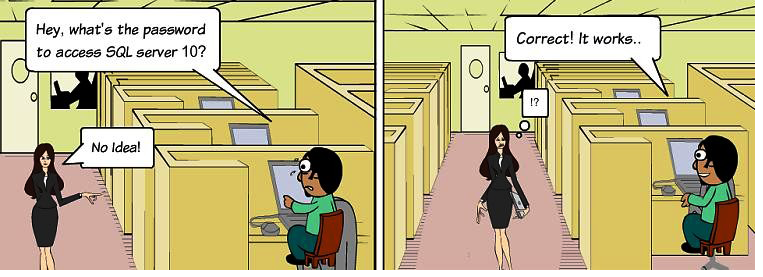
It and security leaders are sharing passwords in shared documents folders, a seemingly innocuous practice that can expose organizations to severe security breaches. This poses significant risks, impacting not only individual users but also the entire organization’s security posture. Understanding the vulnerabilities associated with this practice, and the steps to mitigate them, is critical for maintaining data integrity and confidentiality.
This discussion explores the various facets of this issue, from the potential for phishing attacks to the importance of robust password management policies and secure collaboration tools. We’ll also look at the crucial role of user education and incident response plans.
Security Risks of Shared Passwords
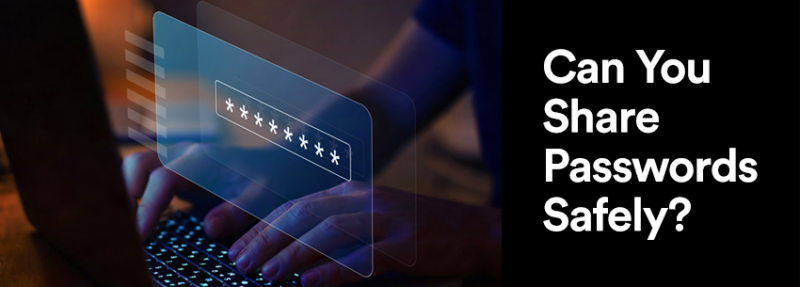
Sharing passwords in shared document folders is a serious security vulnerability. This practice significantly increases the risk of unauthorized access to sensitive data, potentially leading to financial losses, reputational damage, and legal repercussions for individuals and organizations. This article delves into the dangers of this practice, highlighting potential attack vectors and mitigation strategies.Password sharing, even within trusted circles, creates a domino effect of risk.
One compromised password can unlock access to multiple accounts and sensitive information, often with devastating consequences. It’s a practice that should be actively discouraged and replaced with more secure alternatives.
It’s a common, yet concerning, practice for IT and security leaders to share passwords in shared document folders. This seemingly harmless shortcut can actually expose sensitive data to potential breaches. Thankfully, the Department of Justice Offers Safe Harbor for MA Transactions here , providing a framework for navigating these situations more securely. Ultimately, IT and security leaders should prioritize secure password management solutions over sharing passwords in shared folders to protect their sensitive information.
Security Vulnerabilities of Shared Passwords
Password sharing in shared documents creates numerous security vulnerabilities. This practice weakens the overall security posture of an organization or individual by exposing sensitive data to unauthorized access. Attackers can exploit these vulnerabilities to gain unauthorized access, manipulate information, or steal valuable assets.
Potential Impact of a Compromised Password
The impact of a compromised password can range from minor inconveniences to catastrophic consequences. For individuals, it could lead to identity theft, financial fraud, and damage to their reputation. For organizations, the impact can be even more severe, potentially resulting in data breaches, financial losses, legal liabilities, and a loss of customer trust. A compromised password in a shared document can be the entry point for a much larger breach.
Examples of Exploited Vulnerabilities
Numerous examples demonstrate how vulnerabilities related to shared passwords can be exploited. Imagine a company where project plans and client lists are stored in shared documents with passwords. If an attacker gains access to these documents, they could potentially steal sensitive information, manipulate project timelines, or even sabotage the project. A disgruntled employee with access to these documents could also use this access to cause damage.
Attack Vectors Targeting Shared Documents
Various attack vectors can target shared documents containing passwords. Phishing attacks are common methods used to trick individuals into revealing their passwords. Malicious software (malware) can be disguised as legitimate files or attachments, allowing attackers to gain access to sensitive information stored in shared documents. Social engineering, exploiting human psychology, is also an effective attack vector. Attackers can use this technique to manipulate individuals into revealing their passwords.
Table of Security Breaches and Password Sharing, It and security leaders are sharing passwords in shared documents folders
| Breach Type | Description | Impact on Password Sharing | Mitigation Strategy |
|---|---|---|---|
| Phishing | Deceptive emails or messages designed to trick users into revealing personal information, including passwords. | Phishing attacks can target shared documents containing passwords, potentially compromising accounts of individuals sharing the document. | Implement robust email security measures, educate employees on phishing tactics, and enforce strong password policies. |
| Malware | Malicious software designed to gain unauthorized access to a system or data. | Malware can infect systems where shared documents are stored and compromised passwords can be extracted. | Install and maintain up-to-date antivirus software, avoid downloading suspicious files, and regularly update software. |
| Social Engineering | Manipulating individuals into revealing sensitive information through psychological tactics. | Social engineering attacks can target individuals involved in sharing documents, tricking them into revealing passwords. | Train employees to recognize and resist social engineering attempts, establish clear security protocols, and promote a strong security culture. |
Organizational Policies and Procedures
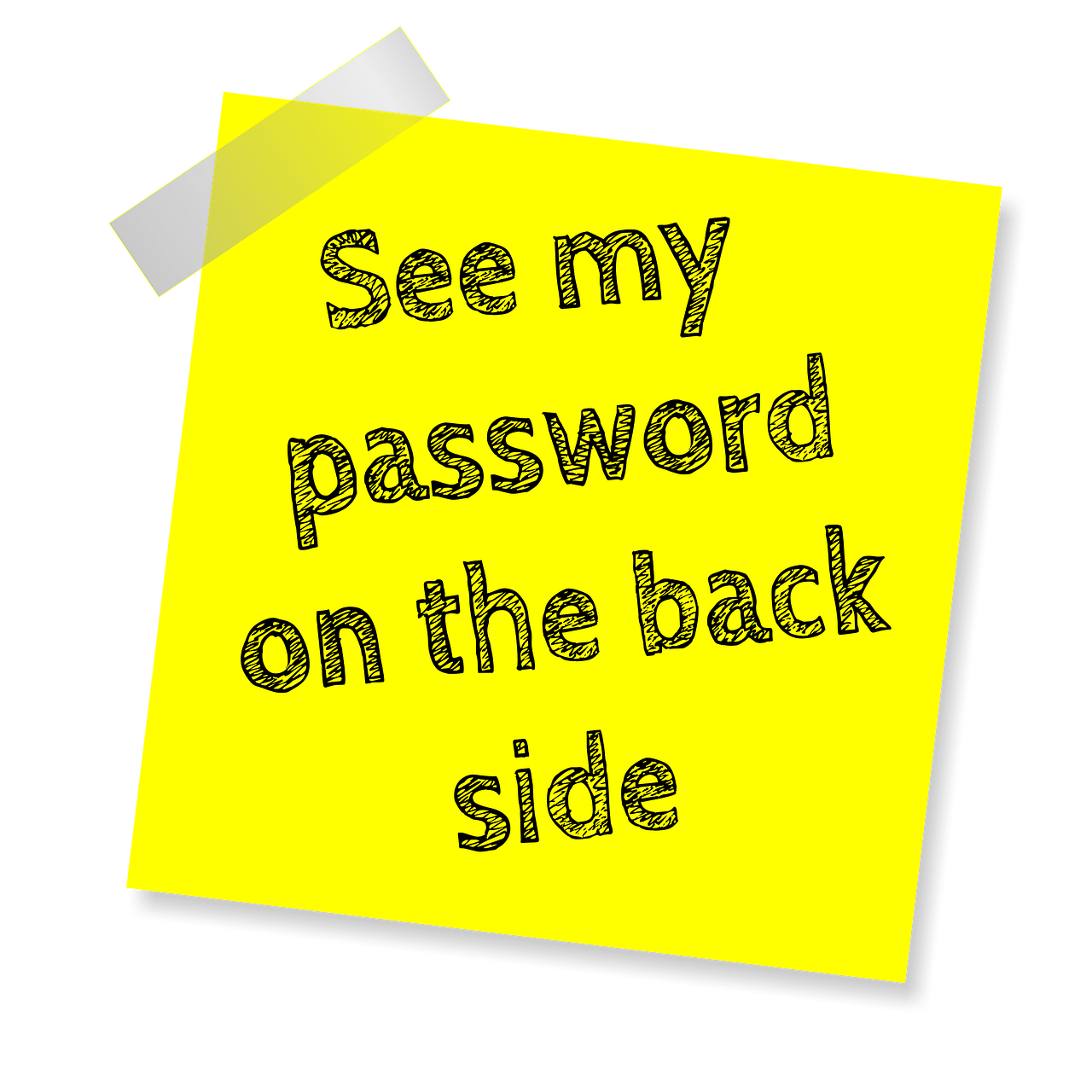
Password sharing within an organization is a significant security risk. Establishing robust organizational policies and procedures for password management is crucial for mitigating this threat and safeguarding sensitive data. Effective policies not only define acceptable password practices but also Artikel consequences for violations. A well-defined framework ensures consistent security across all departments and user levels.Comprehensive password management policies act as a critical deterrent to security breaches stemming from shared credentials.
They provide a clear guideline for user behavior and establish a strong foundation for a secure digital environment. These policies must be easily accessible, consistently enforced, and regularly reviewed to adapt to evolving security threats.
Best Practices for Password Management
Strong password practices are fundamental to overall security. Implementing complex password requirements, enforcing regular password changes, and educating users on best practices are vital. Password managers can automate password creation and storage, reducing the risk of weak or reused passwords.
It’s a bit concerning that IT and security leaders are still sharing passwords in shared document folders. This practice, while seemingly convenient, is incredibly risky, especially when considering vulnerabilities like those highlighted in the Azure Cosmos DB Vulnerability Details. Poor password management practices in these shared folders can lead to significant security breaches, impacting the entire organization.
We need to move away from this risky behavior, focusing on stronger, more secure methods.
Different Password Management Policies and Their Effectiveness
Various password management policies exist, each with unique strengths and weaknesses. Mandatory password complexity policies, requiring a combination of uppercase and lowercase letters, numbers, and symbols, enhance password strength. Regular password change requirements limit the impact of compromised passwords. However, overly complex policies can be cumbersome for users, potentially leading to weak passwords created through shortcuts or easily remembered, albeit insecure, phrases.
Secure Alternatives to Sharing Passwords
Alternatives to password sharing in shared documents include using centralized access control systems and secure file-sharing platforms. Implementing single sign-on (SSO) systems, for instance, allows users to access multiple resources with a single set of credentials, reducing the need for shared passwords. Dedicated file-sharing solutions often offer granular access control, restricting access to specific individuals or groups based on their roles or permissions.
Role of Security Awareness Training
Security awareness training plays a critical role in mitigating password-sharing risks. Training programs should emphasize the dangers of password sharing and the importance of strong password practices. Educating employees about phishing attacks and social engineering tactics is also crucial, as these often exploit vulnerabilities in human behavior.
Summary of Password Policies
| Policy | Benefit | Drawback |
|---|---|---|
| Mandatory Password Complexity | Increased password strength, reducing vulnerability to brute-force attacks. | Can be cumbersome for users, potentially leading to weak, easily remembered passwords. |
| Regular Password Changes | Limits the impact of compromised passwords, ensuring that a breach doesn’t expose the user to ongoing risk. | Can be inconvenient for users, potentially leading to password reuse. |
| Password Managers | Automates password creation and storage, eliminating the risk of weak passwords and simplifying access. | Requires users to adopt a new tool, which may have learning curves. |
| Centralized Access Control Systems | Provides granular access control, reducing the risk of unauthorized access to sensitive data. | Requires significant initial setup and ongoing maintenance. |
Technical Solutions for Secure Collaboration
Protecting sensitive information in shared documents requires robust technical solutions beyond simply addressing policies and procedures. Effective security measures must be integrated into the very fabric of the collaboration tools used by employees. This involves implementing strong access controls, utilizing encryption, and choosing platforms with built-in security features.Collaboration platforms are no longer simply places to store files; they are critical components of modern workflows.
By understanding the technical aspects of secure collaboration, organizations can dramatically reduce the risk of data breaches and ensure the confidentiality, integrity, and availability of their sensitive information.
Implementing Strong Access Controls and Permissions
Defining granular permissions is crucial for secure document sharing. Access control mechanisms, like role-based access control (RBAC), allow administrators to precisely define what actions different users can perform on specific documents or folders. For example, a marketing team member might only be allowed to view and comment on marketing-related documents, while a finance team member has full access to financial reports.
This targeted approach minimizes the potential damage from unauthorized access. Properly configured access controls prevent unauthorized viewing, editing, or deletion of sensitive information.
It and security leaders sometimes fall into the trap of sharing passwords in shared document folders, a practice that’s frankly, risky. This is a critical issue that demands attention, and requires a shift in mindset. Addressing this vulnerability requires deploying AI Code Safety Goggles Needed Deploying AI Code Safety Goggles Needed to help prevent these kinds of security oversights.
Ultimately, it and security leaders need to prioritize robust security measures to avoid these easily preventable security blunders.
Utilizing Encryption Technologies
Encryption plays a vital role in protecting data at rest and in transit. End-to-end encryption ensures that only authorized users can access the content of shared documents, even if the storage platform or network is compromised. Implementing encryption across the entire document lifecycle, from upload to download, is critical for robust security. Data encryption safeguards sensitive information from unauthorized access, whether the data is stored on a company server or transferred over a network.
Choosing Secure File Sharing Platforms
The selection of a file-sharing platform significantly impacts the security posture of an organization. Platforms with built-in encryption, robust access controls, and comprehensive audit trails offer superior security compared to basic cloud storage solutions. Secure file sharing platforms, such as those from reputable providers, can be integrated into existing workflows to maintain productivity while improving data protection. Careful evaluation of features, such as multi-factor authentication and advanced security protocols, is essential.
Security Measures Integration
Integrating security measures into a company’s document sharing platform should be a proactive, ongoing process. Implementing regular security audits and penetration testing is essential to ensure the platform remains secure against emerging threats. Regular updates and patches to the platform’s software, along with employee training on security best practices, are also crucial. This proactive approach ensures that the platform’s security remains up to date and aligned with best practices.
Comparison of File-Sharing Platforms
| Platform | Encryption | Access Control | Audit Logging |
|---|---|---|---|
| Dropbox | End-to-end encryption for select features | Role-based access control; granular permissions | Limited audit logging options |
| Google Drive | End-to-end encryption for some file types and features | Role-based access control; sharing permissions | Detailed audit logs available |
| Microsoft SharePoint | Encryption based on user and admin settings | Strong access controls; user groups | Comprehensive audit trails; detailed logging |
| Box | End-to-end encryption for files and folders | Fine-grained access controls; granular permissions | Detailed audit trails; activity logging |
Note: Specific features and capabilities may vary based on the platform’s version and user configurations. It’s crucial to consult platform documentation for precise details. Regularly reviewing and updating security configurations is critical for maintaining a secure environment.
User Behavior and Awareness: It And Security Leaders Are Sharing Passwords In Shared Documents Folders
Strong security relies not just on robust technical solutions, but also on the conscious actions of users. Ignoring the human element in security can easily negate the most sophisticated defenses. Educating users about secure password practices is paramount to maintaining a secure environment. A proactive approach to user awareness is crucial for mitigating risks.Effective security hinges on understanding and addressing user behavior, making them active participants in safeguarding sensitive information.
User training should move beyond simply stating rules; it must create a genuine understanding of why strong passwords and secure practices are vital. This understanding is the key to encouraging consistent, secure behaviors.
Importance of Educating Users on Secure Password Practices
User education plays a critical role in shaping security culture within an organization. By educating users on secure password practices, organizations foster a more secure environment and reduce the likelihood of successful attacks. Understanding the risks associated with weak passwords and shared passwords is fundamental to changing behavior and adopting secure habits.
Examples of User Training Materials
User training materials should be engaging and accessible to a wide range of users. Examples include interactive quizzes, videos demonstrating secure password practices, and downloadable guides. These resources can address specific risks like password sharing and the dangers of easily guessable passwords.
- Interactive Quizzes: These can test users’ knowledge of password security best practices and reinforce key concepts. They can be tailored to different roles and responsibilities within the organization. The quizzes should focus on practical application, rather than simply recalling definitions.
- Videos: Short, engaging videos can effectively communicate complex concepts in a visually appealing and easily digestible manner. Videos can use real-world examples to illustrate the potential consequences of weak passwords and highlight the importance of strong passwords.
- Downloadable Guides: These provide detailed information on creating strong passwords, managing multiple accounts securely, and recognizing phishing attempts. They can include checklists, templates, and tips for creating strong passwords that are memorable and unique.
Role of User Awareness Programs
User awareness programs are crucial for establishing a culture of security. These programs should regularly communicate security risks and best practices, fostering a sense of shared responsibility. These programs should address the specific threats faced by the organization, and be tailored to the needs and roles of different user groups.
Best Practices for Creating and Managing Strong Passwords
Creating and managing strong passwords are essential for individual and organizational security. Users should be educated on the importance of using unique, complex passwords for each account, and utilizing password managers to securely store and manage them. Regular password changes and multi-factor authentication should also be emphasized.
- Unique Passwords: Users must understand that every account requires a unique password. Creating unique passwords helps prevent breaches from affecting multiple accounts. Passwords should be sufficiently complex to resist common cracking techniques.
- Password Managers: These tools securely store passwords, generating and managing them for users, eliminating the need to remember multiple complex passwords. The training should cover how to use a password manager securely and effectively.
- Regular Password Changes: Users should be encouraged to change their passwords regularly to mitigate the risk of compromised credentials. Establish a clear policy on password change intervals, ensuring that it’s realistic and manageable.
- Multi-Factor Authentication (MFA): Users should be educated on the benefits of MFA. MFA adds an extra layer of security, making it harder for attackers to gain access even if they have a password. This should be part of the training to highlight its importance.
Methods to Enforce Password Policies Through User Training and Communication
Consistent communication is key to ensuring that password policies are understood and followed. This includes clear and concise messaging about password policies, regular reminders, and addressing user concerns. Training materials and resources should be readily available, reinforcing the importance of strong passwords.
Table Outlining Various User Training Materials
| Training Material | Description | Target Audience |
|---|---|---|
| Interactive Password Security Quiz | Tests user knowledge and reinforces best practices. | All users |
| Password Security Video Tutorial | Visually demonstrates secure password creation and management. | All users |
| Password Best Practices Guide | Provides detailed information and practical tips. | All users |
| Phishing Awareness Training | Educates users on recognizing and avoiding phishing attempts. | All users |
Incident Response and Recovery
Protecting sensitive information, especially passwords associated with shared documents, requires a robust incident response plan. This plan Artikels the steps to effectively manage and recover from a compromised password incident, minimizing damage and restoring normalcy. A well-defined procedure for incident response ensures swift action and minimizes the potential for further breaches.A comprehensive incident response plan addresses the critical phases of identifying, containing, and recovering from a compromised password incident.
This proactive approach allows organizations to mitigate the impact of security breaches and maintain the confidentiality, integrity, and availability of their data. Such a plan is vital to demonstrating a commitment to data security and maintaining stakeholder trust.
Incident Identification
A well-defined process for identifying compromised passwords in shared documents is essential. This process should incorporate automated monitoring of user activity, alerts from security information and event management (SIEM) systems, and regular reviews of access logs. Early detection significantly reduces the window of vulnerability and allows for faster containment.
Incident Containment
Immediately upon identification of a compromised password incident, containment procedures should be initiated. These procedures aim to limit the scope of the incident and prevent further unauthorized access. This involves temporarily disabling access to affected shared documents, isolating compromised accounts, and reviewing access privileges to identify any potential further vulnerabilities.
Incident Recovery
The recovery phase focuses on restoring normal operations and mitigating the impact of the incident. This involves restoring data from backups, implementing new security measures, and retraining users on best practices. Recovering from a compromised password incident often includes changes to passwords, account locks, and a review of access controls for shared documents. Communication with stakeholders and affected users is paramount throughout this stage.
Communication with Stakeholders
Effective communication with stakeholders is critical during an incident. This includes notifying relevant personnel about the incident, outlining the response strategy, and providing regular updates on the progress of the incident response. Clear and transparent communication builds trust and fosters collaboration.
Notification Procedure for Affected Users and Parties
A clear notification procedure ensures that affected users and parties are promptly informed about the incident. This includes specifying the method of notification (e.g., email, SMS), the content of the notification, and the timeframe for notification. This notification should contain information about the incident, actions taken, and steps users can take to protect themselves. Examples of notification content include: “A recent security assessment has identified a potential vulnerability in our shared document system.
We are taking steps to secure the system, and we will communicate further details as they become available.”
Roles and Responsibilities During an Incident
A well-defined structure of roles and responsibilities ensures that all necessary actions are taken promptly and effectively during a password compromise incident. The table below Artikels these roles and their responsibilities:
| Role | Responsibility | Contact Information |
|---|---|---|
| Incident Response Team Lead | Oversees the entire incident response process, delegates tasks, and ensures communication. | [Insert Contact Information] |
| Security Analyst | Investigates the incident, identifies affected systems, and develops containment strategies. | [Insert Contact Information] |
| System Administrator | Executes containment measures, such as disabling accounts and locking down systems. | [Insert Contact Information] |
| Communications Officer | Communicates with stakeholders and affected users. | [Insert Contact Information] |
Conclusion
In conclusion, the practice of sharing passwords in shared documents folders presents a clear security vulnerability. Addressing this issue requires a multifaceted approach encompassing strong organizational policies, advanced technical solutions, and comprehensive user training. By implementing these measures, organizations can significantly reduce the risk of data breaches and maintain a secure environment.
Essential FAQs
What are some common attack vectors targeting shared documents containing passwords?
Attack vectors can include phishing emails, malware infections disguised as legitimate documents, and social engineering tactics that trick users into revealing passwords. Malicious actors may also exploit vulnerabilities in file-sharing platforms themselves.
How can organizations create strong password management policies?
Organizations should implement policies that enforce strong password complexity requirements, mandate regular password changes, and prohibit password reuse. Multi-factor authentication should also be strongly encouraged.
What are some examples of secure file-sharing platforms?
Examples include platforms that offer end-to-end encryption, granular access controls, and robust audit logging. Choosing platforms with strong security features is paramount.
How important is user training in mitigating password-sharing risks?
User training is critical. Educating users about phishing attempts, creating strong passwords, and the risks of sharing passwords is vital to building a strong security culture.