TikTok Bans A Global Data Security Review
The list of countries that issued TikTok ban due to data security concerns and benefits is a fascinating look at a global issue. Governments worldwide grapple with balancing innovation and security, and TikTok is a prime example. This analysis explores the reasons behind these bans, the potential economic impacts, and the alternative platforms that have emerged. From data security vulnerabilities to public perception, we delve into the complexities surrounding this social media giant.
This analysis examines the specific data security concerns cited by governments, providing a nuanced understanding of the risks and the measures taken. It delves into the potential consequences of these bans, such as their impact on businesses, the advertising sector, and employment rates. Furthermore, we compare TikTok’s data collection practices with those of other prominent social media platforms, offering a crucial perspective for understanding the unique issues at play.
Introduction to TikTok Bans
TikTok, a global social media sensation, has faced a wave of restrictions in various countries. This phenomenon stems primarily from concerns about data security and potential national security risks. Governments worldwide have adopted different strategies to address these concerns, reflecting varying levels of trust in the platform and their own domestic priorities. The reasons behind these bans often extend beyond mere public opinion, encompassing intricate geopolitical considerations and national interests.The bans on TikTok are not isolated incidents but rather a reflection of a broader global trend of scrutinizing foreign-owned social media platforms.
This scrutiny is particularly intense when it comes to platforms handling vast amounts of user data, prompting governments to implement measures to safeguard their citizens’ information and potentially protect their national interests. Different countries have adopted varying approaches, some imposing outright bans, others implementing stricter data regulations, or employing a combination of strategies.
Reasons for TikTok Bans
Data security concerns are at the forefront of the justifications for TikTok bans. These concerns encompass a range of potential vulnerabilities, including the potential for unauthorized access to user data by foreign entities. Concerns about the potential for misuse of user data for surveillance or manipulation are also frequently raised. Some governments express worries about the potential for the platform to be used for propaganda or to spread disinformation.
These are just a few examples that highlight the complexities behind these bans.
Varying Government Approaches
Governments have employed diverse strategies to address their data security concerns related to TikTok. Some countries have opted for outright bans, while others have chosen to implement stricter data localization regulations, requiring the storage of user data within the country’s borders. Certain nations have engaged in dialogues with TikTok to address these concerns, aiming for a more regulated environment.
These approaches reflect the diverse perspectives and priorities of individual governments.
Countries with TikTok Bans
The following table summarizes countries with TikTok bans, their stated reasons, and the dates of implementation. It is important to note that the reasons cited often involve a complex interplay of factors and that the specific justifications can vary.
While a list of countries banning TikTok due to data security concerns highlights the importance of robust data protection, it’s also crucial to examine vulnerabilities in other cloud services. For instance, recent discoveries about potential weaknesses in Microsoft Azure Cosmos DB, detailed in Azure Cosmos DB Vulnerability Details , underscore the need for ongoing scrutiny in the cloud space.
This directly impacts the debate surrounding TikTok bans, as the same principles of data security apply across the board to any platform handling sensitive user data.
| Country | Reasons for Ban | Date of Ban |
|---|---|---|
| India | National security concerns, potential misuse of user data. | 2020 |
| Indonesia | Data security and national security concerns, potential for misuse. | 2022 |
| Taiwan | Data security, potential for foreign interference. | 2023 |
| Bangladesh | Data security, potential for misuse. | 2023 |
Data Security Concerns
TikTok’s popularity has surged, but its data handling practices have raised significant concerns, particularly regarding user privacy and national security. The sheer volume of user data collected and the potential for misuse have led to scrutiny and regulatory actions. These concerns are not unique to TikTok; they are mirrored across various social media platforms, but TikTok’s scale and international reach amplify the potential impact of any data breach.The potential for misuse of user data, ranging from targeted advertising to more insidious forms of manipulation, necessitates careful consideration of the platform’s security protocols.
This is especially true when considering the sensitivity of the data collected, which can potentially be exploited for various purposes.
Specific Data Security Vulnerabilities
TikTok’s vast user base and global reach create unique vulnerabilities. Its reliance on diverse data sources, including user interactions, location data, and personal information, makes it a tempting target for malicious actors. The platform’s infrastructure and data storage practices are also subject to scrutiny, raising concerns about potential breaches and the exploitation of user data.
Potential Risks of Data Breaches
A data breach on TikTok could have far-reaching consequences. Compromised user accounts could lead to identity theft, financial fraud, and the dissemination of sensitive personal information. Furthermore, the potential for foreign governments or malicious actors to exploit user data for political or economic gain cannot be ignored. The scale of TikTok’s user base and the diverse range of data it collects amplify the potential impact of a security incident.
Data Collected by TikTok and Its Use
TikTok collects a wide array of data from its users, including personal information, usage patterns, and location data. This data is used for various purposes, including personalized recommendations, targeted advertising, and improving the platform’s functionality. However, the extent to which this data is shared with third parties, and the specific safeguards in place to protect user privacy, are crucial points of contention.
TikTok’s terms of service, while outlining data usage, often lack transparency regarding the specific data points collected and their subsequent use.
Comparison of Data Collection Practices
| Feature | TikTok | |||
|---|---|---|---|---|
| User Data Collected | Personal information, usage patterns, location data, interactions | Personal information, usage patterns, location data, interactions | Personal information, usage patterns, interactions | Personal information, usage patterns, interactions, images/videos |
| Data Usage | Personalized recommendations, targeted advertising, improving platform functionality | Personalized recommendations, targeted advertising, improving platform functionality | Personalized recommendations, targeted advertising, improving platform functionality | Personalized recommendations, targeted advertising, improving platform functionality |
| Data Sharing with Third Parties | Potentially extensive sharing | Extensive sharing | Extensive sharing | Extensive sharing |
| Data Security Measures | Not always transparent | Varying levels of transparency and effectiveness | Varying levels of transparency and effectiveness | Varying levels of transparency and effectiveness |
The table above highlights the similarities and differences in data collection practices among major social media platforms. While the specific data collected and the extent of sharing vary, a common thread is the collection and utilization of vast amounts of user data. Transparency in data handling and robust security measures are crucial to building user trust and mitigating potential risks.
Governmental Responses to Data Security
Governments worldwide are increasingly recognizing the critical importance of data security, particularly in the digital age. This heightened awareness is driven by a growing number of cyber threats and the increasing reliance on digital platforms for various aspects of daily life. The implications of inadequate data security extend beyond individual privacy concerns, encompassing national security and economic stability.
This section examines how governments have responded to data security concerns, specifically regarding social media platforms like TikTok.
Legal Frameworks and Regulations
Different countries possess varying legal frameworks and regulations governing data security. These frameworks typically Artikel the rights of individuals regarding their personal data, the obligations of organizations handling such data, and the penalties for non-compliance. For instance, the EU’s General Data Protection Regulation (GDPR) is a stringent framework that emphasizes the rights of individuals to control their personal data.
In contrast, some countries may have less comprehensive data protection laws, potentially exposing citizens to higher risks. Understanding these variations is crucial in evaluating the effectiveness of different governmental responses.
Comparison of Policies in TikTok-Banning and Non-Banning Countries
Countries that have banned TikTok often have stricter data security regulations compared to those that have not. This difference is evident in the legal requirements regarding data localization, data transfer, and user consent. Countries with bans frequently demand that data be stored within their national borders, limiting potential risks associated with data transfer to other jurisdictions. Furthermore, stringent requirements for user consent are implemented, potentially enhancing transparency and control over personal data handling.
In contrast, countries that have not banned TikTok might have more lenient regulations, potentially exposing user data to greater risks. However, these policies are constantly evolving as data security concerns continue to escalate.
Steps Taken by Governments to Address TikTok Data Security Concerns
Governments grappling with data security concerns related to TikTok have taken various steps. These measures range from issuing warnings and guidelines to implementing formal investigations and legal actions. Some countries have mandated data security audits for social media platforms, requiring them to demonstrate compliance with national regulations. Furthermore, certain governments have imposed restrictions on data transfer or required increased transparency regarding data usage.
The specific actions vary significantly depending on the legal frameworks and cultural context of each country.
Table of Legal and Regulatory Measures
| Country | Legal Measure | Regulatory Body | Specific Action |
|---|---|---|---|
| United States | Section 702 of the Foreign Intelligence Surveillance Act (FISA) | Federal Bureau of Investigation (FBI) | The US government has been investigating the potential risks posed by TikTok’s data handling practices, including the possibility of foreign government access to user data. |
| India | Information Technology Act, 2000 | Ministry of Electronics and Information Technology | India has imposed requirements for data localization and mandated stringent user consent procedures for social media platforms. |
| Indonesia | Personal Data Protection Act (PDP) | The Indonesian Data Protection Agency | Indonesia has established a legal framework to address data security concerns and protect user data. |
| Australia | Privacy Act 1988 | Australian Privacy Commissioner | Australia has taken steps to investigate TikTok’s data security practices, but no outright ban has been imposed. |
Economic Impact of Bans
TikTok’s global presence has made it a significant player in the digital economy, impacting businesses, advertising, and employment in numerous countries. Bans, often citing data security concerns, introduce a complex interplay of economic repercussions that ripple through various sectors. Understanding these effects is crucial for assessing the long-term implications of such restrictions.
Potential Economic Consequences for Businesses
Bans on TikTok create challenges for businesses reliant on the platform for marketing and sales. The loss of a massive user base directly affects advertising revenue streams, potentially leading to reduced brand visibility and decreased customer engagement. Businesses that heavily utilize TikTok’s marketing features, especially those targeting younger demographics, may experience a significant decline in sales and market share.
This is particularly true for e-commerce platforms and businesses operating in highly competitive markets. Furthermore, the platform’s unique content creation and engagement features make it a powerful tool for fostering brand loyalty and building a community. Losing this can be costly.
Effects on Advertising and Marketing Sectors
The advertising and marketing industries are significantly affected by TikTok bans. Agencies relying on TikTok for targeted advertising campaigns see reduced reach and effectiveness. The loss of this vast audience segment necessitates a shift in strategies, potentially impacting employment in these sectors. Companies that have invested heavily in TikTok advertising may face substantial losses as a result of reduced visibility and diminished ROI (Return on Investment).
The shift towards alternative platforms will be gradual, and there is a need for marketers to adapt and learn new strategies, creating both opportunities and challenges.
Impact on Employment and Economic Growth
TikTok’s ban impacts employment in various sectors, from content creators and influencers to marketers and app developers. The loss of jobs in the digital economy can negatively affect overall economic growth, especially in countries heavily reliant on technology and social media-based industries. The economic consequences can extend beyond the direct impact on employment, potentially affecting related industries like entertainment and tourism.
The overall impact on economic growth can be substantial, particularly in countries where digital economies are rapidly developing.
Comparison of Economic Conditions Before and After the Ban
| Country | Economic Conditions Before Ban | Economic Conditions After Ban | Impact |
|---|---|---|---|
| Country A (Hypothetical) | Strong growth in e-commerce and digital advertising, with TikTok playing a significant role in targeting younger demographics. | Reduced growth in e-commerce and digital advertising, as businesses struggle to reach the same audience. Shifting to alternative platforms is observed, but the overall growth rate slows down. | Negative impact on e-commerce, digital advertising, and employment in these sectors. |
| Country B (Hypothetical) | Significant employment in TikTok-related industries, such as content creation and influencer marketing. | Decline in employment opportunities for content creators and influencers. New job opportunities emerge as businesses adapt to alternative platforms, but the initial impact is negative. | Negative short-term impact on employment in the digital sector, followed by a potential long-term shift. |
Note: “Country A” and “Country B” are hypothetical examples to illustrate the potential impact, and the specific economic conditions in each country will vary.
Alternative Platforms and Their Features
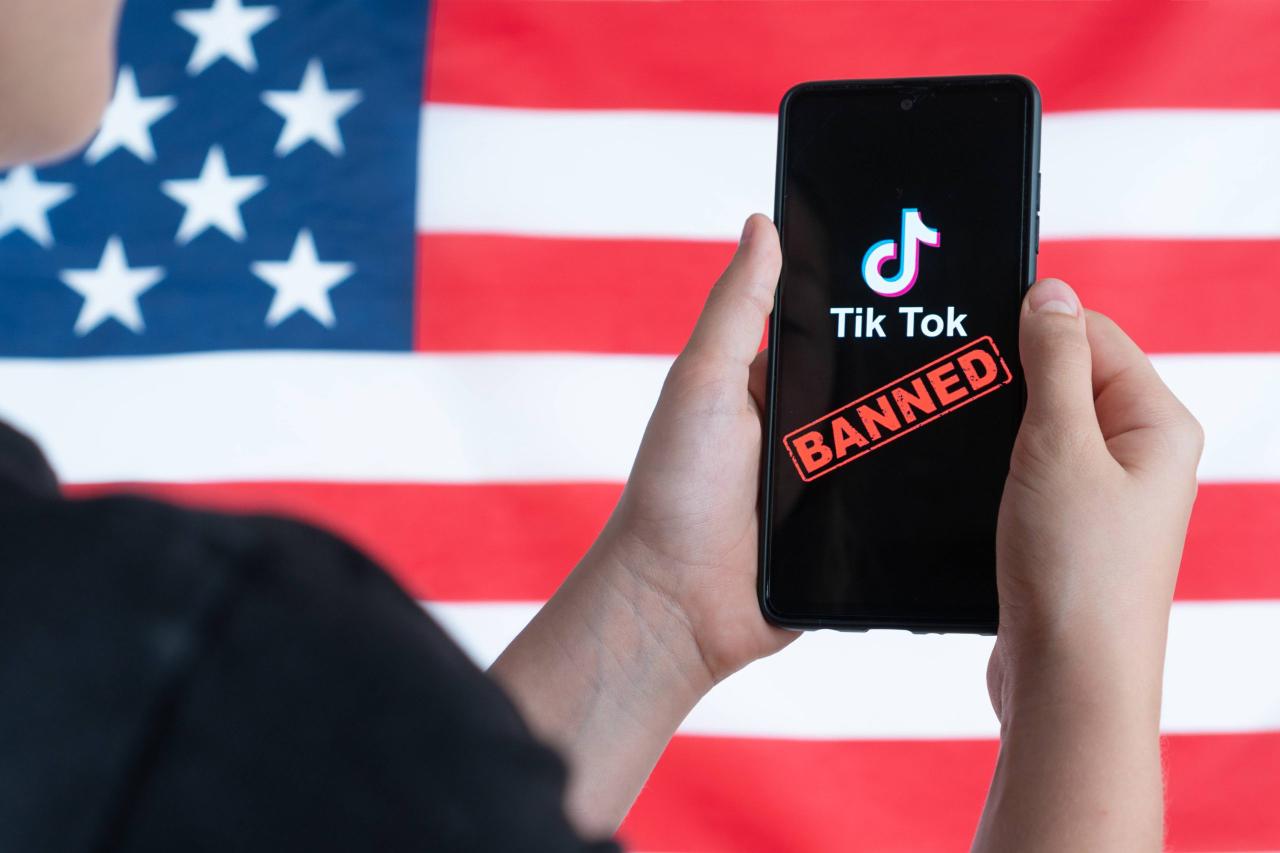
The TikTok ban, driven by data security concerns, has created a ripple effect, prompting users to explore alternative social media platforms. This shift in user preference presents an opportunity for existing and emerging platforms to cater to the growing demand for engaging content and social interaction. This section explores the features and appeal of several popular alternatives, examining their user experiences and highlighting key differences from TikTok.
Popular Alternative Social Media Platforms, List of countries that issued tiktok ban due to data security concerns and benefits
Several platforms have emerged as potential replacements for TikTok, each with its own unique features and user base. Instagram, YouTube, and even X (formerly Twitter) have adapted to compete with TikTok’s short-form video content. Other platforms, like Twitch and Facebook, provide different avenues for content creation and consumption.
Features and Benefits of Alternative Platforms
Each platform offers a distinct user experience. Instagram, with its emphasis on visual content, allows users to share photos, videos, and stories. YouTube’s focus on long-form video content, including tutorials, entertainment, and news, presents a broader range of content. X provides a platform for discussions, news, and short-form video sharing, albeit with a different format than TikTok. Twitch prioritizes live streaming, primarily gaming content, offering a unique engagement model.
Facebook caters to a more general audience, combining various content types.
Comparing TikTok with Alternative Platforms
This table highlights key differences in features between TikTok and popular alternatives:
| Feature | TikTok | YouTube | X | Twitch | ||
|---|---|---|---|---|---|---|
| Video Length | Short-form (typically under 10 minutes) | Short-form (Reels) & Long-form (standard uploads) | Variable (from short-form to long-form) | Short-form (under 2 minutes) & long-form | Live streaming, short-form clips | Variable (depending on post type) |
| Content Focus | Entertainment, dance, short-form videos | Visual content, photos, videos, stories | Variety: entertainment, tutorials, news, gaming | News, discussions, short-form videos, long-form articles | Live streaming, gaming, entertainment | General content, news, updates |
| Community Engagement | Challenges, trends, comments | Comments, likes, shares, direct messaging | Comments, likes, shares, subscriptions | Replies, retweets, likes, direct messaging | Chat, interactions, community features | Comments, likes, shares, groups |
| Monetization | Influencer marketing, in-app purchases | Influencer marketing, in-app purchases, ads | Ad revenue, sponsorships, merchandise | Influencer marketing, ads, subscriptions | Sponsorships, affiliate marketing, donations | Ad revenue, sponsored posts |
User Experience and Appeal of Alternatives
The user experience on each platform varies significantly. Instagram’s visual-centric nature appeals to users who prioritize aesthetics. YouTube’s extensive library of content caters to diverse interests. X offers a more traditional social media experience with a focus on news and discussions. Twitch provides a unique experience centered on live interaction and gaming.
Facebook’s broad reach and diverse content cater to a vast user base. The appeal of each alternative stems from its specific strengths, targeting particular user preferences and needs.
The list of countries banning TikTok due to data security concerns highlights a crucial need for robust security measures. Protecting user data is paramount, and this necessitates deploying AI Code Safety Goggles Needed here to prevent vulnerabilities in software development. Ultimately, safeguarding user information is a global imperative, and lessons learned from these bans are valuable in ensuring the secure development of applications across the board.
Public Perception and User Experiences
TikTok’s global popularity has fostered a complex relationship with governments and citizens alike. In countries where bans have been implemented, the public perception of the platform has been significantly influenced by the reasons cited for the restrictions. The experiences and opinions of users, alongside their concerns about data privacy and security, are integral to understanding the nuances of this digital landscape.
Public Perception of TikTok in Banning Countries
The public perception of TikTok in countries that have banned the app is multifaceted. Initial reactions often mirror the official government stance, with some expressing concerns about data security and national security risks. However, the platform’s widespread use among younger demographics, and its perceived value for entertainment and communication, creates a counter-narrative. Public discussions frequently highlight the loss of a social media tool and entertainment platform for a significant portion of the population.
User Experiences and Opinions
User experiences in these countries are varied and reflect different perspectives. Some users report frustration and inconvenience due to the inability to access the app, while others feel a sense of relief at the ban, believing the concerns raised by the government are legitimate. These experiences underscore the profound impact of digital platforms on daily life, and the personal attachment users develop towards these tools.
Many users cite the app’s entertainment value and communication capabilities as reasons for their continued use, while others express concerns regarding the app’s features and potential risks.
User Concerns Regarding Data Privacy and Security
User concerns regarding data privacy and security are frequently cited as a key driver behind the government’s actions. Specific concerns range from the potential for data breaches and unauthorized access to the collection and use of personal information. The perception of data security risks, fueled by various news reports and government statements, plays a significant role in shaping public opinion.
This underscores the importance of transparency and trust in digital platforms.
Summary of Public Opinions and Attitudes
Public opinions and attitudes regarding TikTok in banning countries are diverse and often shaped by the specific circumstances of each country. Concerns about data privacy and national security frequently emerge as key issues. While some express relief or agreement with the ban, others voice frustration over the loss of access to the platform.
- Concerns about data privacy and national security are widespread among the public, fueling support for the ban.
- Users highlight the app’s entertainment and communication value, creating a contrast between the government’s concerns and personal experiences.
- A significant portion of the population, particularly younger demographics, relies on TikTok for social interaction and entertainment, making the ban a source of frustration for them.
- The lack of transparency and perceived lack of control over personal data contribute to public skepticism and apprehension towards the platform.
Future of TikTok in Different Countries: List Of Countries That Issued Tiktok Ban Due To Data Security Concerns And Benefits
The future of TikTok in countries with existing bans hinges on a complex interplay of data security concerns, governmental responses, and public perception. Predicting the precise trajectory is difficult, but understanding the potential scenarios is crucial. The potential for TikTok’s return, or its continued absence, is likely to depend on a multifaceted approach, ranging from revised data security agreements to adjustments in governmental policies.
Potential Scenarios for TikTok’s Future
The future of TikTok in countries with bans presents a range of possible scenarios. One possibility is a complete and permanent ban, driven by persistent data security concerns and unwavering governmental opposition. Conversely, a negotiated return, possibly contingent on stringent data security measures and transparency requirements, is also conceivable. This could involve compromises and concessions, with TikTok potentially agreeing to stringent data localization requirements or the establishment of independent oversight bodies.
Recent bans on TikTok in various countries highlight growing data security concerns. Understanding these bans, like those based on potential misuse of user data, can be crucial for evaluating the benefits and risks of similar digital platforms. This consideration is particularly relevant in the context of the Department of Justice Offers Safe Harbor for MA Transactions policy , which offers a framework for navigating similar digital risks.
Ultimately, the list of countries imposing TikTok bans offers valuable insight into the ongoing debate about data security in the digital age.
Likelihood of TikTok’s Return and Potential Conditions
The likelihood of TikTok’s return to a country depends heavily on the evolving geopolitical landscape, public opinion, and the effectiveness of any renegotiations. Countries that have imposed bans may not necessarily be receptive to TikTok’s return without significant changes to its operations. The potential for a return is contingent upon a demonstrable commitment from TikTok to address data security concerns and meet the specific regulatory requirements of the affected country.
A key aspect would be the establishment of trust through verifiable measures.
Conditions for TikTok’s Future Presence
Several conditions could pave the way for TikTok’s future presence in countries with bans. These include demonstrably enhanced data security protocols, the implementation of independent audits and oversight, and a willingness to comply with data localization laws. Successful negotiations would involve specific agreements outlining these conditions. Examples include the creation of localized data storage servers, ensuring data is not transferred to other jurisdictions without explicit permission, and establishing a transparent dispute resolution mechanism.
Furthermore, ongoing engagement with governmental bodies to address specific concerns and fostering a positive public image could contribute to a more favorable environment. A possible precedent might be the adjustments and agreements that other social media companies have made with governments to operate in certain jurisdictions.
Negotiations and Legal Challenges
Negotiations between TikTok and governments in these countries will undoubtedly be complex and potentially fraught with legal challenges. These negotiations will likely involve intricate legal processes and significant pressure on both sides. The outcome will depend on the ability of TikTok to address concerns about data security and the willingness of governments to accept its proposed solutions. There will be considerable legal scrutiny to ensure that any agreements comply with existing regulations and do not infringe upon national security interests.
This process will be critical in determining the future of TikTok in these countries.
Conclusion
In conclusion, the global response to TikTok’s data security concerns presents a complex picture. While bans have economic implications and raise questions about the future of the platform in certain countries, they also highlight the growing importance of data security regulations. The rise of alternative platforms and evolving public perceptions further underscore the evolving landscape of social media.
Ultimately, this review offers a comprehensive look at the challenges and opportunities presented by TikTok in a world increasingly focused on data protection.
Commonly Asked Questions
What are the specific data security vulnerabilities associated with TikTok?
TikTok’s data collection practices, particularly concerning user data and its international transfer, have been a major concern. Concerns have been raised about potential data breaches, and the platform’s compliance with various data security standards has been questioned. Specific details on the vulnerabilities vary by country and the legal frameworks in place.
How do the data collection practices of TikTok compare with other social media platforms?
TikTok’s data collection practices are often compared to other social media platforms. The extent of data collected, the purposes for its use, and the user consent procedures differ across platforms. Comparative tables and analyses are available to understand these differences.
What are some of the alternative social media platforms available to users?
Several popular alternative social media platforms have emerged, including Instagram, YouTube Shorts, Facebook, and others. These platforms offer varying features and user experiences, often focusing on different content types or user demographics.
What are the potential economic consequences of TikTok bans for businesses?
TikTok bans can impact businesses that rely on the platform for advertising and marketing. Reduced access to a large user base can affect marketing campaigns and revenue generation. The economic consequences vary based on the specific industry and the country imposing the ban.