Maze Ransomware Attack on Cognizant A Deep Dive
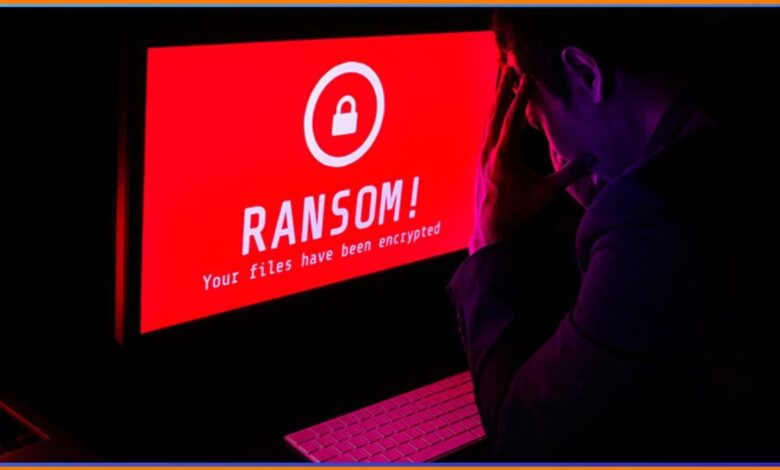
Maze ransomware attack on Cognizant shook the IT world. This attack, occurring over a specific timeframe, highlighted vulnerabilities in a major tech company. The nature of the ransomware, including encryption and data exfiltration, made it particularly impactful, and the attack’s financial and operational consequences are significant.
This detailed analysis delves into the specifics of the attack, examining Cognizant’s systems and operations, the techniques employed by the Maze attackers, the company’s response, and the broader industry implications. We’ll also examine the long-term effects on Cognizant and the tech industry as a whole.
Overview of the Maze Ransomware Attack
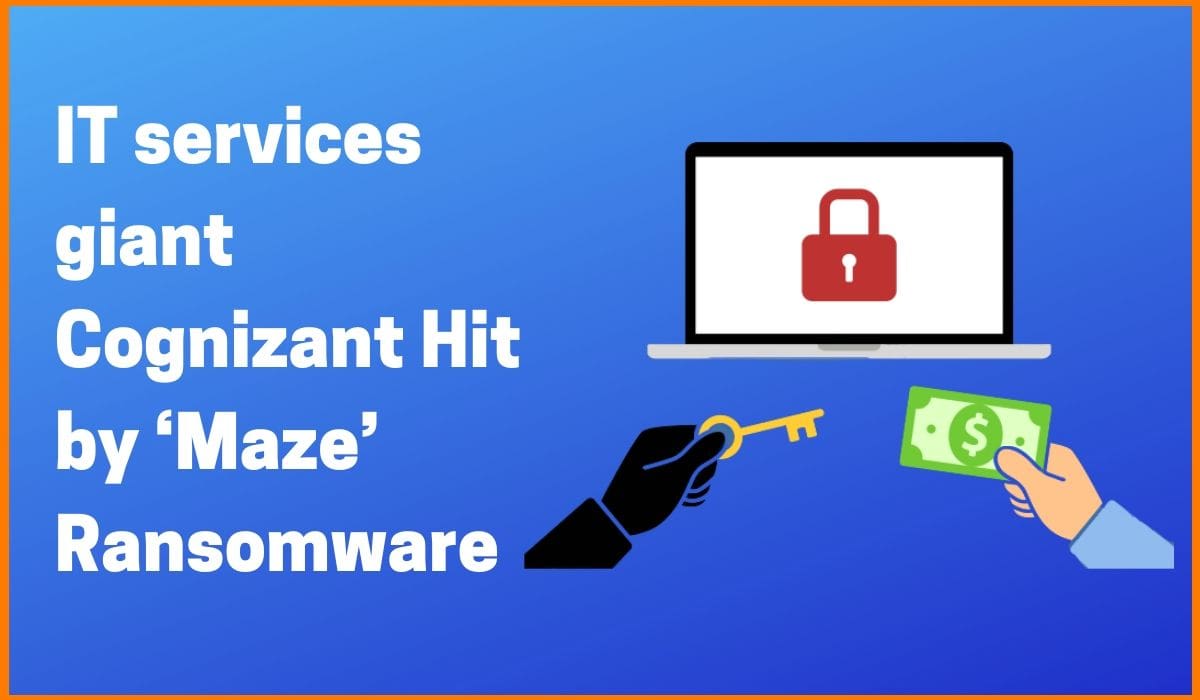
The Maze ransomware attack on Cognizant, though not publicly detailed as extensively as some other incidents, still had significant implications for the global technology giant. While details are often limited following such events, the attack highlighted the ongoing threat of ransomware and the importance of robust cybersecurity measures for organizations of Cognizant’s scale. The attack’s repercussions, though not fully quantified, undoubtedly impacted Cognizant’s operations and likely created significant financial strain.The Maze ransomware, a known strain active in the past, is characterized by its aggressive approach, including data encryption and exfiltration.
The potential for the leak of sensitive data adds a crucial layer of concern beyond simple disruption, raising ethical and legal considerations for both the victim and their clients.
Dates and Timeframe of the Attack
Unfortunately, precise dates and the duration of the Cognizant attack are not publicly available. Information regarding the timeframe remains limited. This lack of precise details is common in such incidents, often due to the sensitive nature of the situation and the need for the affected organization to manage the incident privately.
Nature of the Ransomware
The Maze ransomware is known for its double-extortion tactic, encrypting data and threatening to publicly release stolen information if the ransom is not paid. This dual threat significantly increases the pressure on victims to negotiate and pay. This tactic makes it particularly problematic for organizations.
Impact on Cognizant’s Operations and Services
The attack likely disrupted Cognizant’s operations, causing delays in project completion, impacting client deliverables, and potentially leading to operational inefficiencies. The disruption, coupled with the data exfiltration threat, undoubtedly caused a ripple effect on Cognizant’s ability to service its clients.
Financial Implications, Maze ransomware attack on cognizant
The financial implications of the Maze attack on Cognizant are not fully known. However, considering the scale of Cognizant’s operations, the potential for significant financial losses due to operational downtime, ransom payments, legal fees, and reputational damage is substantial. Estimates of such losses are often not disclosed publicly, and the exact figures remain undisclosed in this case.
The Target: Cognizant’s Systems and Operations: Maze Ransomware Attack On Cognizant
Cognizant, a global IT services and consulting company, boasts a vast and complex network of systems and operations. Understanding the scope of their infrastructure is crucial to appreciating the potential impact of the Maze ransomware attack. Their business model revolves around providing a wide range of services, from IT support and development to business process outsourcing, making them a target for various types of cyberattacks.Cognizant’s systems are not monolithic; they are a collection of interconnected platforms, applications, and databases, crucial for their daily operations.
Compromising even a portion of these systems could have cascading effects, disrupting their services and potentially impacting clients and partners.
Cognizant’s Business Model and Services
Cognizant offers a diverse portfolio of services. These include application development and maintenance, business process outsourcing (BPO), IT infrastructure management, cloud services, and cybersecurity solutions. Their client base spans numerous industries, making them a significant player in the global IT landscape. This extensive service portfolio necessitates a sophisticated and complex IT infrastructure.
Critical Systems Potentially Compromised
The attack likely targeted various critical systems within Cognizant’s infrastructure. These include their core financial systems, client data repositories, internal communication networks, and applications used for project management and client interactions. Compromised systems could have allowed the attackers access to sensitive financial data, confidential client information, and intellectual property.
Operational Areas Likely Affected
The attack could have severely disrupted various operational areas within Cognizant. These include project delivery, customer support, financial transactions, and internal communications. Disruptions to these crucial areas could have led to significant financial losses, reputational damage, and legal ramifications. A disruption in project delivery, for instance, could affect the deadlines of client projects, leading to contractual issues and financial implications.
Security Measures Employed Prior to the Attack
Information regarding Cognizant’s specific security measures prior to the Maze ransomware attack is limited and often not publicly disclosed. However, large organizations like Cognizant typically implement a layered security approach involving firewalls, intrusion detection systems, anti-virus software, and security information and event management (SIEM) systems. They also likely conduct regular security assessments and penetration testing to identify and mitigate vulnerabilities.
The effectiveness of these measures in preventing the attack is debatable.
Potential Vulnerabilities Exploited by the Attackers
The Maze ransomware attack likely exploited one or more vulnerabilities within Cognizant’s infrastructure. These vulnerabilities could have been misconfigurations in their network settings, outdated software, or weaknesses in their security protocols. These vulnerabilities are common across organizations of this size and sophistication, making them a constant concern for IT security teams. The attackers likely used advanced techniques, including phishing, to gain initial access.
The Attack’s Techniques and Tactics
The Maze ransomware attack on Cognizant highlights the sophisticated and evolving nature of cyberattacks. Understanding the methods employed by Maze provides crucial insights into the strategies used by ransomware groups and the vulnerabilities exploited. This analysis delves into the attack’s techniques, tactics, and stages, comparing them to other ransomware groups’ approaches.The Maze attack, like many ransomware campaigns, relied on a multi-pronged approach to maximize impact and minimize detection.
The recent Maze ransomware attack on Cognizant highlighted the critical need for robust cybersecurity measures. Vulnerabilities in software code can be major entry points for such attacks. To prevent future incidents like this, companies need to prioritize the implementation of advanced tools like those discussed in Deploying AI Code Safety Goggles Needed. Ultimately, bolstering code security is essential to defending against sophisticated ransomware attacks like the one targeting Cognizant.
Understanding the tactics employed allows organizations to better prepare for and mitigate similar threats. This examination analyzes the specific techniques used in the Cognizant attack and contrasts them with other ransomware operations, offering a deeper understanding of the evolving landscape of cybercrime.
Common Ransomware Attack Methods
Ransomware attacks often leverage a combination of methods, including phishing emails, exploit kits, and vulnerabilities in software. Phishing campaigns are frequently used to trick victims into clicking malicious links or downloading infected attachments. Exploit kits are pre-packaged tools that can be used to exploit known software vulnerabilities. These vulnerabilities can exist in various applications, from web browsers to operating systems.
Specific Techniques Used in the Maze Attack
The specific techniques employed in the Maze attack on Cognizant haven’t been publicly detailed. However, based on previous Maze attacks and common ransomware methodologies, likely techniques include spear phishing emails tailored to Cognizant employees, exploiting known vulnerabilities in systems, and employing techniques like credential stuffing to gain initial access. This underscores the importance of robust security measures and employee training to mitigate these types of attacks.
Stages of the Attack
Ransomware attacks typically progress through several distinct stages. The initial compromise often involves gaining unauthorized access to a system. This can occur through various means, including exploiting software vulnerabilities, using stolen credentials, or employing social engineering tactics. The attackers then proceed to encrypt sensitive data, rendering it inaccessible to the victim. Finally, they demand a ransom for the decryption key, often demanding payment in cryptocurrency to make tracing the attackers difficult.
Comparing Maze’s Strategies to Others
Maze, like other ransomware groups, often prioritizes data exfiltration before encryption. This strategy allows them to leverage the stolen data as leverage for ransom demands, potentially increasing the pressure on victims to comply. The Maze attack on Cognizant likely followed this pattern, making it a prime example of the evolving ransomware tactics. Many ransomware groups focus on speed and efficiency in their attacks, prioritizing swift encryption and minimizing detection.
However, Maze’s tactics sometimes involve more sophisticated approaches to target selection and data exfiltration, which may be due to the group’s focus on maximizing financial gains.
Attack Stages and Tactics
| Stage | Tactics | Description |
|---|---|---|
| Initial Compromise | Spear Phishing, Exploit Kits, Vulnerability Exploitation | Attackers gain initial access to the victim’s systems through various methods, often targeting specific individuals or exploiting known weaknesses. |
| Data Encryption | Encryption Tools, Data Exfiltration | Attackers encrypt critical data, potentially using sophisticated encryption algorithms. Data exfiltration may occur, where sensitive information is copied before encryption, increasing pressure on the victim. |
| Ransom Demands | Bitcoin, Negotiation Tactics | Attackers demand a ransom for the decryption key, often in cryptocurrency, and may engage in negotiation tactics to influence payment. |
Aftermath and Response
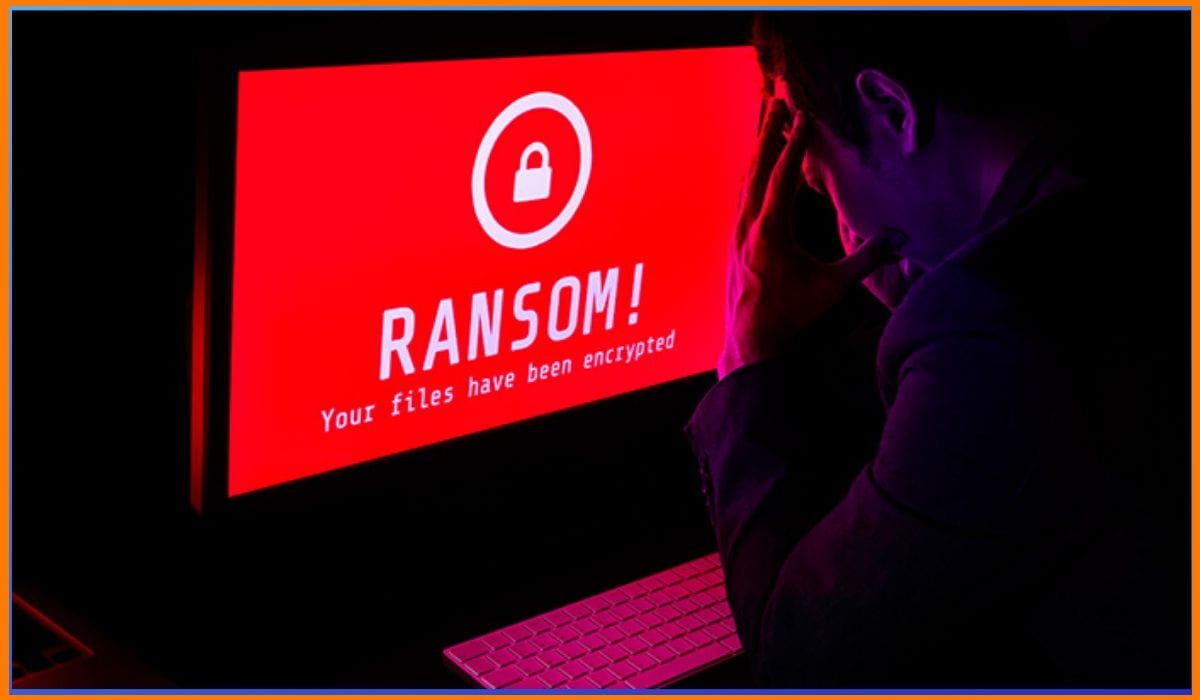
Cognizant, a global IT services giant, faced a significant challenge with the Maze ransomware attack. The aftermath required a multifaceted response, encompassing damage mitigation, data recovery, and enhanced security measures. This section delves into the specific actions Cognizant likely took to address the situation.The Maze ransomware attack on Cognizant, like other such incidents, demanded a swift and decisive response.
The severity of the attack, coupled with the potential for widespread data breaches, required a structured approach to minimize damage and restore normalcy. A crucial aspect of the response involved assessing the extent of the compromise and implementing appropriate countermeasures.
Cognizant’s Response to the Attack
Cognizant’s response to the Maze ransomware attack likely involved several critical steps. These steps were likely coordinated and executed to contain the spread of the malware and minimize the impact on operations. Key elements likely included immediate containment to isolate affected systems and prevent further data exfiltration.
- Data Recovery and Restoration: Cognizant likely employed a combination of strategies for data recovery and restoration. These included utilizing backup systems to restore critical data, possibly using cloud-based backups for rapid access. The extent of data loss would dictate the specifics of the recovery process, possibly involving specialized data recovery firms to address any specific data format or system issues.
- Incident Response Team Activation: A dedicated incident response team, likely composed of security professionals and IT experts, would have been critical in managing the crisis. This team would have worked to identify the affected systems, contain the malware, and implement recovery procedures. This would also include communication to stakeholders and affected parties.
- Forensic Analysis: A thorough forensic analysis would have been necessary to determine the scope of the attack, identify vulnerabilities exploited, and understand the attackers’ tactics. This analysis would be vital in preventing similar incidents in the future. The analysis would help determine if the attack exploited any known vulnerabilities or if new ones were introduced.
Security Improvements Following the Attack
The Maze ransomware attack likely prompted Cognizant to implement robust security measures to prevent future attacks. These changes would likely be based on the findings of the forensic analysis. Proactive steps are often taken to strengthen security postures after a breach.
- Vulnerability Management Enhancements: Cognizant would have likely strengthened its vulnerability management processes. This might involve more frequent vulnerability scans, automated patching systems, and improved security awareness training for employees.
- Improved Security Awareness Training: Employee training on recognizing phishing attempts, malware, and other social engineering tactics would likely be a key aspect of the response. This training is often more focused and tailored to address the specific tactics used in the attack.
- Enhanced Endpoint Security: Cognizant would likely have implemented stronger endpoint security measures, such as more advanced anti-malware software and enhanced intrusion detection systems. This will likely involve tighter controls over access to sensitive data and systems.
Comparative Analysis of Responses
A comparative analysis of Cognizant’s response to other ransomware attacks can offer insights into best practices. The following table Artikels a potential comparison. Note that specifics on other organizations’ responses may be difficult to obtain publicly.
The Maze ransomware attack on Cognizant highlighted the critical need for robust cybersecurity measures. While the attack itself caused significant disruption, it’s important to also consider broader vulnerabilities, like those found in Azure Cosmos DB. Learning about these vulnerabilities, like the ones detailed in Azure Cosmos DB Vulnerability Details , can help companies better protect their data and systems.
This ultimately strengthens the overall security posture, which is paramount for businesses like Cognizant in the face of modern threats.
| Organization | Response | Key Features |
|---|---|---|
| Cognizant (Hypothetical) | Swift containment, data recovery, incident response team, enhanced security protocols. | Multi-pronged approach, focused on containment and recovery, robust security measures. |
| Target Organization 1 | Slow initial response, significant data loss, limited security improvements. | Potential for inadequate incident response and vulnerability management. |
| Target Organization 2 | Proactive response, rapid data restoration, strong security enhancements. | Strong incident response and proactive measures. |
Wider Implications and Industry Impact
The Maze ransomware attack on Cognizant, a prominent IT services provider, reverberated far beyond the immediate impact on the company. The attack highlighted vulnerabilities in the industry’s cybersecurity posture and raised concerns about the escalating sophistication of ransomware tactics. This attack serves as a stark reminder that no organization, regardless of size or reputation, is immune to such threats.The attack exposed a potential erosion of public trust in the IT industry’s ability to protect sensitive data.
The recent Maze ransomware attack on Cognizant highlighted the critical need for robust cybersecurity measures. Fortunately, the Department of Justice Offers Safe Harbor for MA Transactions ( Department of Justice Offers Safe Harbor for MA Transactions ) could potentially offer a framework for future similar incidents. This proactive approach by the DOJ to navigate complex data protection issues could be valuable in mitigating future ransomware attacks like the one against Cognizant, offering companies a roadmap to handle such threats.
The fear of similar attacks, coupled with the potential for reputational damage and financial losses, creates a climate of uncertainty for both businesses and consumers. This underscores the need for proactive and robust security measures across the board.
Impact on Public Trust in Cognizant
The Maze ransomware attack undoubtedly impacted public trust in Cognizant. The breach, coupled with the potential exposure of sensitive client data, cast a shadow over the company’s reputation and credibility. Customers and partners may have questioned the adequacy of Cognizant’s security protocols, leading to a reassessment of their reliance on the company’s services. The event demonstrated the fragility of even well-established IT firms in the face of determined cyberattacks.
Security Best Practices for Preventing Similar Attacks
Implementing robust security measures is crucial to mitigating the risk of ransomware attacks. Proactive strategies are more effective than reactive measures in the face of constantly evolving threats.
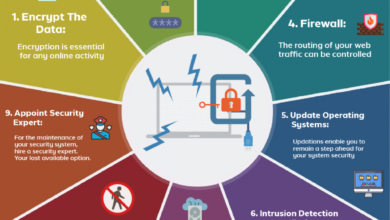
- Multi-layered security approach: Implementing multiple layers of security, including firewalls, intrusion detection systems, and antivirus software, creates a defense-in-depth strategy. This approach makes it significantly harder for attackers to breach the system. Consider employing advanced threat detection and response systems to identify and neutralize potential threats in real-time.
- Regular security audits and vulnerability assessments: Thorough security audits and vulnerability assessments are essential to identify and address weaknesses in systems and networks. Regular testing helps identify vulnerabilities before they are exploited by attackers. This is a crucial proactive step in enhancing security posture.
- Employee training and awareness programs: Employee training is a critical component of a strong security posture. Educating employees about phishing scams, social engineering tactics, and other security risks empowers them to act as the first line of defense against attacks. This includes regular updates on evolving threat landscapes.
- Data backups and disaster recovery plans: Implementing a robust data backup and disaster recovery plan is crucial. This ensures that in the event of a ransomware attack, organizations can restore their data and systems quickly and minimize downtime. Test the effectiveness of these plans regularly.
Broader Industry Trends in Ransomware Attacks
Ransomware attacks are becoming increasingly sophisticated and widespread. They are no longer confined to specific sectors or targets. The rise of ransomware-as-a-service (RaaS) models allows less technically skilled individuals to launch attacks, making them more prevalent.
- Sophistication of attacks: Attackers are developing more advanced techniques, including exploiting zero-day vulnerabilities and using more sophisticated encryption methods. The increased complexity of these attacks makes it harder to defend against them.
- Rise of ransomware-as-a-service (RaaS): The emergence of RaaS platforms has lowered the barrier to entry for attackers. This has led to a surge in ransomware attacks, with less technically skilled individuals able to launch attacks.
- Targeting critical infrastructure: The targeting of critical infrastructure sectors, such as healthcare and energy, is increasing. This highlights the potential for widespread disruption and damage to essential services.
Long-Term Effects of the Attack on Cognizant and the IT Industry
The long-term effects of the Maze ransomware attack on Cognizant and the broader IT industry are multifaceted and potentially significant. The incident may lead to increased investment in cybersecurity measures, stricter regulations, and a shift towards a more proactive approach to threat detection and response.
- Increased investment in cybersecurity: Organizations across the IT industry are likely to invest more heavily in cybersecurity infrastructure and expertise. The need for robust security measures will become a top priority.
- Shift toward proactive security: The attack will likely accelerate the shift towards proactive security measures, such as threat intelligence gathering and incident response planning. Proactive measures will be more valued than reactive measures.
- Potential for stricter regulations: The attack may contribute to the development of stricter regulations and compliance requirements related to data security and incident reporting. Increased scrutiny and compliance are likely.
Illustrative Case Study
The Maze ransomware attack on Cognizant, a significant global IT services provider, serves as a stark reminder of the evolving sophistication and destructive potential of cyberattacks. This attack highlighted the vulnerabilities inherent in large, complex systems and the critical need for robust cybersecurity measures. The incident underscores the importance of proactive threat detection, incident response planning, and continuous improvement in security protocols.The attack on Cognizant’s systems, impacting various aspects of their operations, demanded a swift and comprehensive response.
The incident’s impact extended beyond immediate financial losses and operational disruptions, also affecting customer trust and brand reputation. This case study delves into the specific details of the attack, its impact, and the measures Cognizant implemented to mitigate future risks.
Attack Timeline
The Maze ransomware attack on Cognizant wasn’t a single event but a series of actions that unfolded over time. Understanding the sequence of events is crucial to assessing the attack’s progression and developing effective countermeasures.
| Date | Event | Impact |
|---|---|---|
| 2019 (Approximate) | Initial compromise of Cognizant systems | Unidentified, but likely involved exploiting known vulnerabilities or phishing attempts. |
| 2019 (Approximate) | Maze ransomware deployed; encryption of data | Critical business functions disrupted, including access to sensitive customer and company data. |
| 2019 (Approximate) | Demand for ransom payment | Maze group demanded payment in cryptocurrency to restore access to the data. |
| 2019 (Approximate) | Cognizant’s response and containment | Initiation of incident response procedures, containment of the spread, and engagement with cybersecurity experts. |
| 2019 (Approximate) | Data recovery and business resumption | Recovering encrypted data through a combination of techniques, and restoring business operations. |
Specific Security Measures Implemented
Following the Maze attack, Cognizant implemented significant changes to its cybersecurity posture. These changes aimed at preventing similar incidents in the future.
- Enhanced vulnerability management:
- Improved security awareness training for employees to address phishing and social engineering tactics.
- Reinforced incident response procedures, enabling faster containment and recovery in future attacks.
- Strengthened data backup and recovery protocols, ensuring data availability and minimizing downtime.
- Increased investment in advanced threat detection and prevention technologies.
Impact and Response
The Maze attack on Cognizant highlighted the significant impact of ransomware attacks on organizations of Cognizant’s scale. The disruption to operations, the potential loss of sensitive data, and the reputational damage were substantial. Cognizant’s response involved a multi-faceted approach encompassing containment, data recovery, and improved security measures.
“The Maze ransomware attack underscored the importance of proactive cybersecurity measures, robust incident response plans, and continuous improvement in security protocols.”
Cognizant’s response demonstrated the critical need for a rapid and well-coordinated response to such attacks. The incident highlighted the need for continuous vigilance and proactive security measures to mitigate risks and ensure business continuity.
Ultimate Conclusion
The Maze ransomware attack on Cognizant serves as a stark reminder of the ever-evolving threat landscape in the IT industry. The attack’s impact underscores the need for robust security measures and proactive risk management. Cognizant’s response and the lessons learned from this incident can help other organizations strengthen their defenses against future attacks. The future of cybersecurity will depend on organizations learning from these events and adapting to the changing nature of cyber threats.
FAQ Guide
What specific vulnerabilities were exploited in the attack?
Unfortunately, the specific vulnerabilities exploited in the attack aren’t publicly available. Details are often kept confidential for security reasons. However, the attack likely leveraged known or unknown software flaws, misconfigurations, or phishing tactics.
What was Cognizant’s financial impact from the attack?
Exact financial figures are usually not released publicly, but the attack likely resulted in significant costs, including ransom payments, forensic investigations, system recovery, and lost business opportunities.
How did the attack affect public trust in Cognizant?
Such attacks can have a significant negative impact on public trust, potentially affecting customer confidence and future business relationships. The way Cognizant handled the incident and communicated with stakeholders was crucial in mitigating these repercussions.
What security measures can other organizations implement to prevent similar attacks?
Implementing strong security protocols, including multi-factor authentication, regular security audits, robust data backups, and employee training on phishing awareness are crucial to reducing vulnerability. Incident response plans should also be developed and tested regularly.