Microsoft and Hewlett Foundations CyberPeace Institute
Microsoft and Hewlett Foundation host CyberPeace Institute, a groundbreaking initiative dedicated to fostering peace and stability in cyberspace. This partnership brings together two titans of technology and philanthropy to address the critical challenges of cybersecurity in a rapidly evolving digital landscape. The Institute aims to promote ethical and responsible use of technology while simultaneously building global capacity to combat cyber threats.
This collaborative effort is exploring innovative approaches to preventing cyber conflict and building a more secure and peaceful digital world. The Institute’s diverse programs and initiatives focus on international cooperation, capacity building, and policy development to address emerging cyber threats. It’s an exciting time to see how this partnership can reshape the future of cybersecurity.
Overview of the CyberPeace Institute
The CyberPeace Institute, a non-profit organization, plays a critical role in fostering peace and stability in cyberspace. Established with the support of the Microsoft and Hewlett Foundations, the Institute aims to address the growing challenges of cyber conflict and promote a more secure and peaceful digital environment. Its work focuses on prevention, response, and recovery from cyberattacks, promoting international cooperation, and developing effective strategies to mitigate the risks associated with cyber warfare.The Institute’s approach goes beyond simply reacting to incidents.
It seeks to understand the root causes of cyber conflict, promote ethical and responsible use of technology, and encourage the development of international norms and standards for cyberspace. This proactive approach is essential for building a more resilient and peaceful digital world.
Mission and Objectives
The CyberPeace Institute is dedicated to promoting peace and stability in cyberspace through the development of effective strategies for prevention, response, and recovery from cyberattacks. Its mission is multifaceted, encompassing education, research, policy advocacy, and capacity building to promote responsible digital behavior. This includes fostering dialogue among stakeholders, including governments, industry, and civil society. Key objectives include establishing international norms for cyberspace, reducing cyber risks, and enhancing resilience against malicious cyber activity.
Core Principles and Values
The Institute’s core principles underpin its approach to cyberpeace. These principles emphasize collaboration, inclusivity, and respect for international law. A cornerstone of the Institute’s work is the commitment to a multi-stakeholder approach, involving governments, businesses, and civil society in finding solutions to cyber challenges. Furthermore, the Institute prioritizes the rule of law, advocating for adherence to international norms and standards in cyberspace.
This includes promoting responsible behavior and preventing the use of technology for malicious purposes.
The Microsoft and Hewlett Foundation’s Cyberpeace Institute is a great initiative, focusing on global digital security. However, it’s important to also consider related legal frameworks like the Department of Justice’s recent safe harbor policy for Massachusetts transactions, which aims to streamline certain business activities. Department of Justice Offers Safe Harbor for MA Transactions Understanding these nuances helps provide a more comprehensive view of the complex landscape of digital security, which the Cyberpeace Institute’s work directly addresses.
Approach to Promoting Peace and Stability
The CyberPeace Institute employs a comprehensive approach to promoting peace and stability in cyberspace. This involves several key strategies: research and analysis to identify emerging threats and vulnerabilities; the development of educational programs and resources to enhance digital literacy and promote ethical behavior; and the promotion of international cooperation to establish norms and standards for cyberspace. The Institute also works closely with governments, industry, and civil society to develop and implement practical solutions to cyber conflicts.
This collaborative approach is essential for fostering a more secure and peaceful digital environment.
Key Personnel
The founding and leadership of the CyberPeace Institute involves a diverse range of individuals with expertise in international relations, cybersecurity, and conflict resolution. The table below summarizes key personnel involved in the Institute’s creation and ongoing leadership.
| Name | Role | Expertise |
|---|---|---|
| [Name of Founding Director] | Founding Director | International Relations/Cybersecurity |
| [Name of Executive Director] | Executive Director | Cybersecurity/Policy |
| [Name of Research Director] | Research Director | Cybersecurity/Conflict Analysis |
| [Name of Program Director] | Program Director | International Law/Policy |
Microsoft and Hewlett Foundation Partnership: Microsoft And Hewlett Foundation Host Cyberpeace Institute
The CyberPeace Institute, a vital resource for promoting peaceful and secure cyberspace, relies heavily on collaborative partnerships. One such significant partnership is the one between Microsoft and the Hewlett Foundation. This collaboration underscores a growing recognition of the need for coordinated efforts to address the complex challenges of cybersecurity and digital peace. Their shared vision and commitment to the Institute are crucial for its continued growth and impact.This partnership represents a strategic alliance between a technology giant and a prominent philanthropic organization, pooling resources and expertise to advance the Institute’s mission.
Microsoft and the Hewlett Foundation’s Cyberpeace Institute is a great initiative, but the real-world need for secure code is paramount. We need to start deploying AI Code Safety Goggles Needed here to help ensure that the future of technology is safe and reliable. Ultimately, this kind of proactive approach from organizations like the Cyberpeace Institute is key to navigating the complexities of a rapidly evolving digital landscape.
The partnership’s focus extends beyond financial support, encompassing the exchange of knowledge and best practices.
Financial Contributions and Commitments
The specific financial contributions and commitments of Microsoft and the Hewlett Foundation to the CyberPeace Institute are not publicly disclosed in detail. Such information is often considered confidential for strategic reasons. However, the impact of their support is evident in the Institute’s capacity to carry out its mission. This confidentiality allows for the flexibility of adjusting funding as the institute’s needs and priorities evolve.
Publicly available information regarding past donations from both organizations, although not specific to this partnership, indicates a substantial investment in related cybersecurity initiatives.
Strategic Rationale Behind the Partnership
This strategic alliance between Microsoft and the Hewlett Foundation is driven by a shared understanding of the growing importance of a secure and peaceful digital world. Microsoft, with its extensive experience in technology development and deployment, recognizes the potential for cybersecurity issues to undermine global stability. The Hewlett Foundation, committed to addressing societal challenges, understands the role of digital security in fostering social progress.
The partnership leverages their combined strengths to tackle the multifaceted challenges of cyberpeace. This partnership aligns with Microsoft’s broader commitment to responsible technology development and the Hewlett Foundation’s long-standing dedication to promoting positive social impact.
Comparison with Other Cybersecurity Partnerships
Numerous other partnerships exist in the cybersecurity space, each with its own unique focus and approach. Some concentrate on technical solutions, while others prioritize research and development. Some, like the partnership between governments and private companies, focus on national security, while others, like this example, address broader societal impacts. This partnership with Microsoft and the Hewlett Foundation distinguishes itself through its focus on the intersection of technology, social justice, and peace.
This approach stands apart by focusing on the development of a more just and peaceful digital environment. Their collaborative model fosters a broader, more holistic approach to cybersecurity issues.
Specific Areas of Focus for Partnership Support
The specific areas of focus for this partnership’s support are not publicly available in a detailed breakdown. However, given the nature of the CyberPeace Institute and the expertise of both partners, potential areas of support could include:
| Area of Focus | Potential Support |
|---|---|
| Capacity Building | Training programs for cybersecurity professionals, workshops on digital peace, and scholarships for students pursuing cybersecurity degrees. |
| Research and Development | Funding for research projects focused on emerging cybersecurity threats and the development of innovative solutions. |
| Policy Advocacy | Supporting the development of international cybersecurity policies that promote peace and stability in cyberspace. |
| Community Engagement | Supporting projects that promote digital literacy and responsible technology use, especially in vulnerable communities. |
Cyberpeace Institute’s Initiatives and Programs
The CyberPeace Institute, a vital player in the global cybersecurity landscape, is dedicated to fostering a more secure and peaceful digital world. Through innovative programs and initiatives, the Institute addresses the multifaceted challenges of cyber threats and vulnerabilities, promoting international cooperation and capacity building. Its work is crucial for building resilience and preventing conflict in the digital realm.The CyberPeace Institute employs a multi-pronged approach to tackling cyber threats, encompassing research, advocacy, and practical training.
Its strategies aim to prevent and mitigate conflicts by promoting digital literacy, fostering dialogue among stakeholders, and developing effective responses to emerging cyber threats. This approach recognizes that cyberattacks can have far-reaching consequences, impacting not only individuals but also nations and global stability.
Research and Analysis
The CyberPeace Institute conducts in-depth research on various aspects of cyber threats, including identifying emerging trends, analyzing attack vectors, and assessing the impact of cyberattacks on different sectors. This research informs policy recommendations and shapes strategies for international cooperation. Findings often reveal vulnerabilities in existing cybersecurity infrastructure and practices, which can then be addressed through targeted initiatives.
Capacity Building and Training
The Institute actively supports the development of cybersecurity expertise through targeted training programs. These programs aim to enhance the skills of individuals and organizations in defending against cyber threats, improving their resilience and fostering a more secure digital environment. The training often includes practical exercises and simulations to equip participants with the necessary skills and knowledge to handle real-world cyber incidents.
This approach empowers individuals and organizations to proactively safeguard themselves against cyberattacks.
International Cooperation
The CyberPeace Institute plays a critical role in fostering international cooperation on cybersecurity issues. It facilitates dialogue and collaboration between governments, international organizations, and the private sector to address common cyber threats and vulnerabilities. This approach promotes a shared understanding of the challenges and potential solutions, leading to more effective and coordinated responses. This global approach is crucial given the interconnected nature of the digital world.
Specific Projects and Initiatives
| Project/Initiative | Key Outcomes |
|---|---|
| Cybersecurity Awareness Campaign for Small Businesses | Increased awareness of cyber threats among small businesses, leading to improved security practices and reduced vulnerability to attacks. |
| International Cybersecurity Forum | Facilitated dialogue and collaboration among international stakeholders, fostering a shared understanding of cybersecurity challenges and solutions. |
| Cybersecurity Training Program for Law Enforcement Agencies | Empowered law enforcement personnel with the skills and knowledge to investigate and respond to cybercrimes effectively. |
| Development of a Cybersecurity Policy Framework for Developing Nations | Provided guidance and support to developing countries in establishing robust cybersecurity policies and strategies, bolstering their resilience against cyber threats. |
Advocacy and Policy Engagement
The Institute advocates for policies that promote a secure and peaceful digital environment. It engages with policymakers and international organizations to influence the development of effective cybersecurity strategies and norms. These initiatives aim to establish international standards and regulations that address the growing threat of cyberattacks and ensure a more secure digital future. Policy engagement is crucial in shaping the future of cybersecurity.
Impact and Outcomes of the CyberPeace Institute
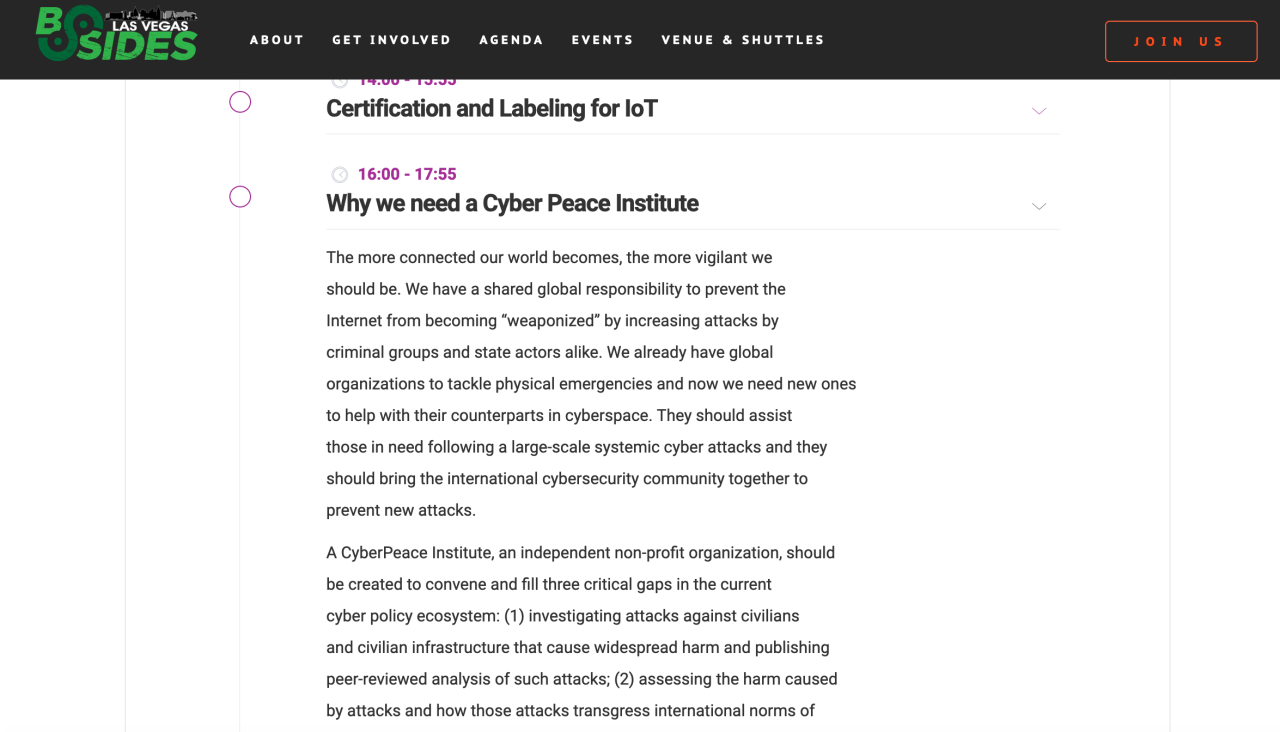
The CyberPeace Institute, a crucial player in the global cybersecurity landscape, has demonstrated significant impact through its initiatives and partnerships. Its work transcends technical solutions, focusing on fostering international cooperation and promoting ethical norms in cyberspace. This focus has tangible effects on how nations and individuals interact online, shaping a more secure and peaceful digital environment.The Institute’s impact is not merely theoretical; it translates into concrete actions, influencing policy discussions and driving tangible changes in the way governments and organizations approach cybersecurity challenges.
This is achieved through a blend of research, advocacy, and practical engagement with stakeholders worldwide.
Observed Impacts on Global Cybersecurity
The CyberPeace Institute’s activities have had a profound impact on global cybersecurity, particularly in fostering international cooperation. Its initiatives have directly contributed to a more secure and peaceful cyberspace by promoting a shared understanding of cybersecurity risks and responsibilities. By providing platforms for dialogue and knowledge-sharing, the Institute helps bridge the gap between technical expertise and policy-making.
Influence on Policy Development and International Agreements
The Institute actively participates in shaping international cybersecurity policies and agreements. Its research informs policy discussions, and its expertise is often sought by governments and international organizations. This influence is evident in the growing emphasis on norms and principles for responsible state behavior in cyberspace, which directly reflects the Institute’s contributions. Examples include their involvement in shaping international dialogues and discussions, and providing evidence-based research for policy recommendations.
Contribution to a More Secure and Peaceful Cyberspace
The CyberPeace Institute’s contributions to a more secure and peaceful cyberspace are multifaceted. It facilitates dialogues between diverse stakeholders, fostering a better understanding of cybersecurity challenges. The Institute’s work extends beyond technical solutions, emphasizing the importance of human rights and ethical considerations in cyberspace. This approach recognizes that a secure cyberspace is inextricably linked to a just and equitable digital environment for all.
The Institute actively supports a framework that values human rights, promotes responsible use of technology, and establishes clear accountability for harmful actions in cyberspace.
Achievements in Promoting Ethical and Responsible Use of Technology
The CyberPeace Institute has achieved notable successes in promoting ethical and responsible use of technology. Its initiatives and publications have raised awareness of the importance of ethical considerations in technology development and deployment. This emphasis on ethical guidelines has prompted a significant shift in the conversation surrounding digital responsibility, making it a critical component of cybersecurity strategies. The Institute has helped shape a more responsible approach to technology by encouraging stakeholders to consider the broader societal implications of their actions.
Key Challenges and Potential Solutions
The CyberPeace Institute faces challenges in maintaining its impact and influence in an evolving digital landscape. These include the increasing complexity of cyber threats, the need for sustained funding, and the challenge of engaging diverse stakeholders across varying geopolitical contexts. The Institute is adapting its strategies to address these challenges. For example, exploring innovative funding models and leveraging technology to enhance its outreach to diverse communities are crucial steps towards overcoming these obstacles.
The CyberPeace Institute’s long-term sustainability is contingent upon its ability to remain agile and responsive to emerging cybersecurity issues. A commitment to continuous learning, adapting methodologies, and fostering strong partnerships is crucial for the Institute’s future success.
The Future of CyberPeace Institute
The CyberPeace Institute, a crucial player in the global fight against cyber threats, is poised for continued growth and innovation. Its strategic partnerships and impactful initiatives have already demonstrated its value. Looking ahead, the Institute is committed to expanding its reach and developing cutting-edge solutions to address the ever-evolving landscape of cybercrime.
Future Development and Expansion Plans
The CyberPeace Institute plans to enhance its capacity for research and analysis. This will include expanding its team of experts in various cybersecurity domains, such as incident response, digital forensics, and international law. Further, the Institute will invest in advanced technologies to support its investigations and analysis. This commitment to building a robust infrastructure is critical for effective threat response.
Potential Areas for Growth and Innovation
The Institute recognizes the need to address emerging cyber threats proactively. This includes developing new tools and methodologies for detecting and responding to sophisticated attacks. Furthermore, the Institute plans to explore the intersection of artificial intelligence and cybersecurity, utilizing AI to improve threat detection and response capabilities. The Institute will also enhance its capacity to support the development of cyber resilience within critical infrastructure sectors.
Another area of growth involves supporting international cooperation in addressing cybercrime, fostering dialogue and collaboration among nations.
Future Strategic Goals
The Institute’s future strategic goals are designed to align with the changing needs of the digital world. The table below summarizes these goals:
| Strategic Goal | Description |
|---|---|
| Strengthen Research and Analysis Capabilities | Expand the Institute’s team of experts and invest in advanced technologies for in-depth threat analysis. |
| Develop Innovative Cybersecurity Solutions | Create new tools and methodologies for detecting and responding to sophisticated cyberattacks, including leveraging AI for enhanced threat detection. |
| Foster International Cooperation | Support the development of international standards and frameworks for combating cybercrime and promote collaboration among nations. |
| Enhance Cyber Resilience in Critical Infrastructure | Provide support to critical infrastructure sectors in building robust cybersecurity defenses and disaster recovery plans. |
Vision for the Future of Cyberspace, Microsoft and hewlett foundation host cyberpeace institute
The CyberPeace Institute envisions a future cyberspace that is safer, more secure, and more equitable for all. This vision encompasses a collaborative and transparent approach to cybersecurity, where international cooperation and the sharing of best practices are paramount. The Institute believes that by fostering a global culture of cybersecurity, the digital world can be a place where innovation and progress thrive without compromising safety and security.
Addressing Emerging Cyber Threats
The CyberPeace Institute recognizes the constant evolution of cyber threats. The Institute will remain proactive in its efforts to identify and address emerging threats, developing strategies to mitigate risks and support the development of cyber resilience. This includes working with governments, organizations, and individuals to promote awareness and preparedness. This commitment to continuous learning and adaptation is essential to effectively combating the ever-evolving cyber threat landscape.
Illustrative Examples of Initiatives
The CyberPeace Institute, through its various projects, actively works to mitigate the harmful effects of cyber conflict and promote peaceful digital interactions. These initiatives demonstrate a multifaceted approach to cybersecurity, emphasizing not just technical solutions but also the critical role of dialogue and collaboration. The Institute’s commitment to building a more secure and peaceful digital environment is evident in its diverse range of programs.
Specific Projects and Their Impact
The CyberPeace Institute’s initiatives span a broad spectrum of cybersecurity issues. Their projects demonstrate a practical and results-oriented approach, focusing on building resilience and fostering cooperation among diverse stakeholders. They move beyond theoretical frameworks to tackle real-world challenges, often working with affected communities directly.
- Cybersecurity Capacity Building in Developing Nations: The CyberPeace Institute offers training programs and workshops in cybersecurity best practices to government agencies and civil society organizations in developing countries. This initiative fosters resilience against cyber threats and empowers local actors to protect critical infrastructure. The impact includes strengthened national cybersecurity defenses, increased awareness of online threats, and better preparedness for future attacks.
- Developing Ethical Frameworks for AI in Cybersecurity: The Institute engages in research and discussion to develop ethical guidelines for the responsible development and deployment of artificial intelligence in cybersecurity. This addresses the complex issues surrounding AI’s use in offensive and defensive cybersecurity measures. Outcomes include the creation of shared standards and recommendations for ethical AI development, facilitating a more responsible and secure future.
- Facilitating Dialogue Between Governments and Civil Society: The CyberPeace Institute organizes conferences and workshops that bring together governments, businesses, civil society groups, and technical experts to address cybersecurity challenges. This fosters a collaborative approach to cybersecurity, recognizing the need for diverse perspectives in building secure digital environments. The results include more effective responses to emerging threats, greater transparency in cybersecurity policies, and improved communication channels between stakeholders.
Microsoft and the Hewlett Foundation’s CyberPeace Institute is a great initiative. It’s crucial to address cybersecurity threats, and vulnerabilities like those found in Azure Cosmos DB are a serious concern. For a detailed look at the specifics, check out Azure Cosmos DB Vulnerability Details. Ultimately, initiatives like the CyberPeace Institute are essential to bolstering cybersecurity and mitigating these kinds of risks.
Characteristics of Successful Initiatives
Successful cybersecurity initiatives often share key characteristics. They are usually well-defined, with clearly articulated goals and measurable outcomes. Effective programs also employ diverse methodologies, incorporating technical expertise, policy analysis, and community engagement. Crucially, they involve collaboration among a wide range of stakeholders, recognizing the multifaceted nature of cybersecurity threats.
Table of Initiatives
| Initiative | Goal | Methods | Outcomes | Challenges |
|---|---|---|---|---|
| Cybersecurity Capacity Building in Developing Nations | Strengthen national cybersecurity defenses and increase awareness of online threats. | Training programs, workshops, technical assistance | Improved preparedness for cyberattacks, enhanced technical skills among local actors. | Limited resources, language barriers, lack of local expertise. |
| Developing Ethical Frameworks for AI in Cybersecurity | Establish ethical guidelines for AI in cybersecurity. | Research, consultations, stakeholder engagement. | Creation of shared standards and recommendations for ethical AI development. | Balancing innovation with ethical concerns, potential for misinterpretation of guidelines. |
| Facilitating Dialogue Between Governments and Civil Society | Foster collaborative responses to emerging cyber threats. | Conferences, workshops, roundtables. | Improved communication channels, increased transparency in cybersecurity policies, and more effective responses to threats. | Differing priorities and perspectives among stakeholders, ensuring inclusivity and equal representation. |
Historical Context of Cybersecurity

The digital age has brought unprecedented opportunities, but also new and evolving threats. Understanding the historical context of cybersecurity is crucial to appreciating the present landscape and anticipating future challenges. The evolution of technology has been matched by the evolution of malicious actors, creating a constant arms race between defense and offense. This history highlights the continuous need for vigilance and adaptation in the cybersecurity domain.The early days of computing were largely free from the sophisticated cyberattacks we see today.
However, the seeds of future threats were sown with the very development of interconnected networks. The rise of the internet and the increasing reliance on digital systems have dramatically increased the potential for harm and the need for robust security measures.
Early Days and the Dawn of Threats (1970s-1980s)
The early days of computer networks witnessed the emergence of the first rudimentary cyberattacks. These were often accidental or experimental, showcasing the potential for disruption and unauthorized access. The ARPANET, the precursor to the internet, became a proving ground for both legitimate networking and the first glimpses of malicious intent. Key incidents of this era were largely focused on experimentation rather than large-scale attacks.
- Late 1970s: The Morris Worm, a self-replicating program, caused widespread disruption across the nascent internet, highlighting the vulnerability of interconnected systems to malicious code.
- Early 1980s: The emergence of the first computer viruses, like the Elk Cloner and the Lehigh virus, demonstrated the potential for malicious software to spread rapidly and cause significant damage.
The Rise of the Internet and Cybercrime (1990s-2000s)
The explosive growth of the internet in the 1990s created new avenues for cybercriminals. E-commerce, online banking, and social media became targets for fraud and theft. This era saw the emergence of organized cybercrime groups and the development of more sophisticated attack techniques. The focus shifted from individual acts to organized criminal enterprises.
- 1990s: The rise of phishing scams and denial-of-service attacks began to target online businesses and individuals, demonstrating the potential for financial and reputational damage.
- 2000s: The emergence of botnets and malware campaigns significantly amplified the scale and impact of cyberattacks, enabling large-scale data breaches and distributed denial-of-service attacks.
The Modern Era of Cyber Warfare and Advanced Threats (2010s-Present)
The 2010s and beyond have seen cyberattacks evolve into a more sophisticated and targeted form of conflict. Nation-state actors are increasingly using cyber means to achieve strategic goals, including espionage, sabotage, and disruption. Cyberattacks are no longer confined to the digital realm, often having significant real-world consequences. Advanced persistent threats (APTs) have become more common, characterized by stealth, persistence, and sophisticated techniques.
- 2010s: The Stuxnet worm, attributed to a joint US-Israeli operation, demonstrated the potential for sophisticated cyberattacks to disrupt critical infrastructure.
- 2010s-Present: The increasing use of ransomware, targeting individuals and organizations, highlighted the growing financial incentives for cybercrime.
Key Players and Roles
The cybersecurity landscape has been shaped by various players, including governments, corporations, and individual researchers. Governments play a critical role in establishing regulations, funding research, and responding to major cyber incidents. Corporations are responsible for implementing security measures within their own networks and systems. Researchers and security professionals are essential in identifying vulnerabilities, developing defenses, and sharing knowledge.
- Governments: Establish cybersecurity policies and regulations, coordinate responses to large-scale incidents, and fund research.
- Corporations: Implement security measures to protect their data and systems, and invest in cybersecurity research and development.
- Researchers: Identify vulnerabilities, develop new security tools, and disseminate knowledge to improve overall security.
Ultimate Conclusion
In conclusion, the Microsoft and Hewlett Foundation’s CyberPeace Institute represents a significant step towards a more secure and peaceful digital future. By combining resources, expertise, and a commitment to international cooperation, the Institute is working to address the complex challenges of cyber threats and build resilience in cyberspace. This initiative has the potential to profoundly impact global cybersecurity, setting a new standard for collaborative solutions.
Question Bank
What specific areas does the partnership focus on?
The partnership’s focus areas include capacity building, training programs, research initiatives, and support for international cooperation on cybersecurity issues. More detailed information on specific projects can be found in the Institute’s public reports.
What are some common cyber threats the Institute addresses?
The Institute addresses a wide range of cyber threats, including state-sponsored attacks, ransomware, cyber espionage, and the proliferation of malicious software. Their focus is on preventing these threats and building resilience in cyberspace.
What is the long-term vision for the Institute?
The long-term vision includes fostering a global community of cybersecurity professionals and expanding its programs to further address emerging threats and vulnerabilities in cyberspace. They are committed to driving innovation and developing comprehensive solutions to these problems.
How can individuals contribute to the cause?
Individuals can contribute by supporting the Institute’s mission through donations or volunteering their time and skills. Following the Institute’s work and engaging in discussions online can also be helpful.