
Microsoft Azure IoT Security Cloud-Based Protection
Microsoft Azure offers cloud support for IoT security, providing a robust framework for protecting Internet of Things (IoT) devices and data. This comprehensive approach leverages various Azure services to address key security concerns, from device authentication to data encryption. The cloud-based nature of Azure allows for scalability and flexibility, enabling organizations to adapt to the ever-evolving threats and needs of IoT deployments.
Understanding these features and best practices is crucial for securing your IoT ecosystem.
This article delves into the details of Azure’s IoT security offerings, covering security measures, tools, challenges, and best practices. We’ll explore how Azure helps protect your IoT devices and data from potential vulnerabilities. The tables provide specific examples of Azure’s security features and their practical applications.
Introduction to Microsoft Azure IoT Security
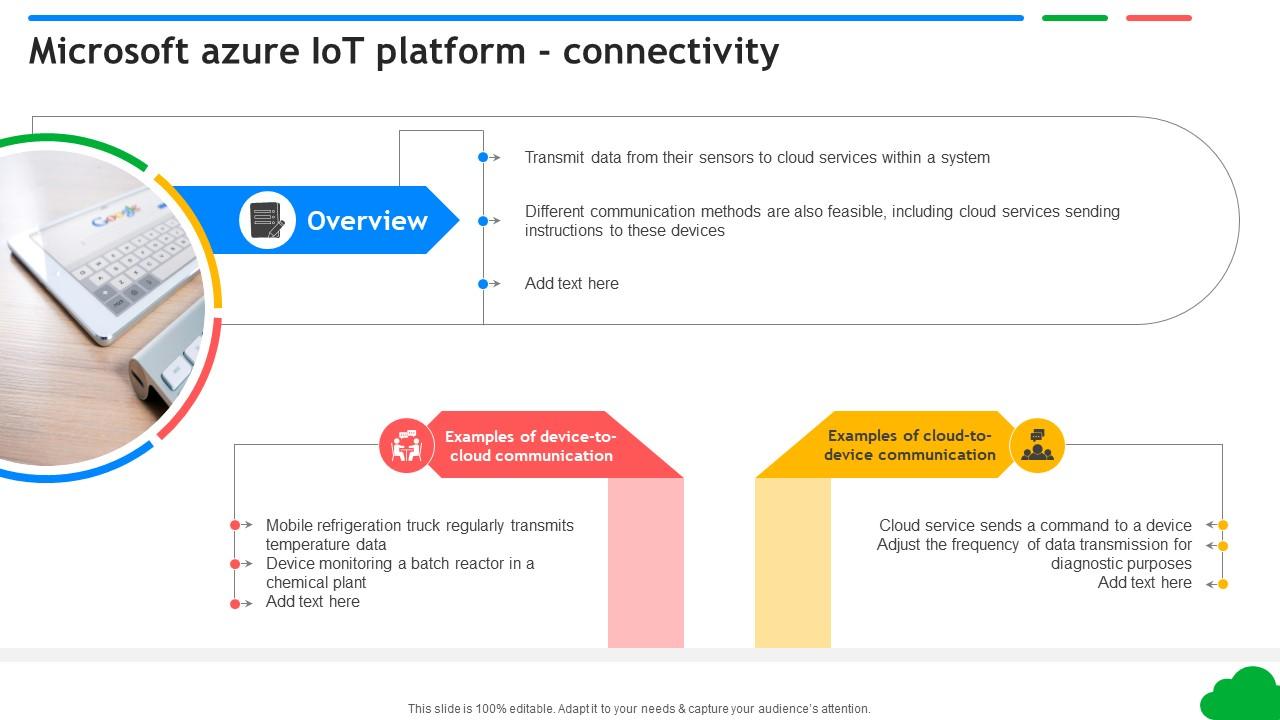
Microsoft Azure plays a crucial role in bolstering the security of Internet of Things (IoT) systems. It provides a robust platform for securing IoT devices and the vast amount of data they generate, enabling organizations to confidently deploy and manage their IoT solutions. This comprehensive approach addresses the unique security challenges posed by the interconnected nature of IoT devices and the sensitive data they often handle.Protecting IoT systems necessitates a multifaceted approach, extending beyond traditional network security measures.
Key considerations include securing devices from unauthorized access, protecting sensitive data transmitted over networks, and ensuring the integrity of data stored in the cloud. Azure’s comprehensive suite of services directly addresses these concerns, enabling secure and reliable IoT deployments.
Key Security Considerations for IoT Devices and Data
IoT devices often operate in dynamic and potentially insecure environments. Security vulnerabilities in these devices can lead to data breaches, unauthorized access, and even physical harm. Protecting the data transmitted by these devices is paramount. Data breaches can result in financial losses, reputational damage, and legal repercussions. Ensuring the integrity and confidentiality of data is critical.
Data encryption and access control mechanisms are essential to mitigate these risks.
Azure Services Contributing to IoT Security
Azure offers a suite of services designed to enhance IoT security at every stage of the device lifecycle. These services include robust identity management, secure communication protocols, and comprehensive data protection measures. The integration of these services simplifies the security management process for IoT deployments. Azure services empower organizations to implement and maintain robust security policies across their IoT infrastructure.
Azure Security Features for IoT
| Azure Service | Security Feature | Description | Example Use Case |
|---|---|---|---|
| Azure IoT Hub | Device Authentication | Securely identify and authorize IoT devices. This process verifies the identity of a device before granting access to the platform. | Verifying the identity of a sensor before allowing data transmission. |
| Azure IoT Hub | Data Encryption | Encrypts data at rest and in transit to protect sensitive information from unauthorized access. | Protecting sensitive sensor data transmitted to the cloud. |
| Azure Active Directory | Identity Management | Provides a centralized identity management system for IoT devices and users, controlling access to Azure resources. | Managing user permissions for accessing and controlling IoT data. |
| Azure Event Hubs | Data Ingestion Security | Ensures secure ingestion of telemetry data from IoT devices. | Protecting the flow of sensor data into Azure services. |
| Azure Key Vault | Secret Management | Securely stores and manages encryption keys and other sensitive information used in IoT deployments. | Storing and managing encryption keys used to secure data transmission between devices and the cloud. |
| Azure Firewall | Network Security | Provides a firewall to secure the network infrastructure of the IoT solution, preventing unauthorized access. | Protecting the network connection between IoT devices and the cloud from malicious attacks. |
Security Measures for Azure IoT Deployments
Securing Internet of Things (IoT) devices connecting to Azure is paramount. These devices often collect sensitive data and control critical infrastructure, making robust security measures essential. This section details best practices for securing IoT deployments on Azure, focusing on authentication, encryption, and vulnerability mitigation. Implementing these strategies minimizes risks and safeguards against potential breaches.
Authentication Methods for IoT Devices
Azure offers various authentication methods for IoT devices, enabling secure access to cloud services. These methods are crucial for controlling device identity and access to sensitive data. Choosing the appropriate authentication method depends on factors like device capabilities and security requirements.
- Device certificates:
- Shared access signatures (SAS):
- Managed identities for Azure resources:
IoT devices can use X.509 digital certificates for authentication. This method provides strong authentication, ensuring only authorized devices can communicate with Azure services. This approach is widely used for its robust security features.
Microsoft Azure’s robust cloud support for IoT security is crucial, but vulnerabilities like those in Azure Cosmos DB can be a significant concern. For instance, understanding the details about the recent Azure Cosmos DB Vulnerability Details can help identify potential weaknesses in your system’s security architecture. Fortunately, Azure’s comprehensive platform provides essential tools and resources to mitigate these risks, ultimately bolstering the overall security of your IoT infrastructure.
Azure Cosmos DB Vulnerability Details are a good starting point to learn more.
SAS tokens provide temporary, limited access to Azure resources. They are particularly useful for granting limited access to specific operations or data. SAS tokens are suitable for scenarios where fine-grained access control is needed.
This method enables IoT devices to authenticate with Azure services using their own identities. It eliminates the need for managing device credentials, simplifying security management.
Data Encryption and Secure Communication Channels
Protecting data transmitted between IoT devices and Azure is critical. Data encryption and secure communication channels are essential components of a robust security posture. This includes both data at rest and data in transit.
Microsoft Azure’s cloud support for IoT security is crucial, but you also need to proactively address code vulnerabilities. Deploying AI-powered code safety tools, like those detailed in Deploying AI Code Safety Goggles Needed , is essential. These tools help identify and fix potential security flaws before they become major issues, ultimately strengthening the security posture of IoT systems, which Azure’s cloud services are designed to support.
Azure supports various encryption methods to safeguard data. Using HTTPS for communication channels ensures secure transmission of data between devices and the Azure platform. Data encryption at rest safeguards data stored in Azure services.
Security Vulnerabilities and Mitigation Strategies
IoT devices are often susceptible to various security vulnerabilities. These vulnerabilities can be exploited to gain unauthorized access to data or control over devices. Proactive identification and mitigation of these vulnerabilities are crucial.
- Weak passwords or default credentials:
- Lack of device updates:
- Unsecured communication channels:
Many IoT devices ship with default passwords, making them vulnerable to brute-force attacks. Implementing strong passwords and regularly changing them can help mitigate this risk. Azure offers tools to aid in this process.
Outdated firmware can contain known vulnerabilities. Regular updates and patching of IoT devices are essential to address security flaws and protect against known attacks. Azure facilitates seamless updates for connected devices.
Using unencrypted communication channels exposes data to eavesdropping and interception. Implementing secure communication protocols like HTTPS ensures data integrity and confidentiality. Azure supports these protocols, making secure communication easier to implement.
Data Encryption Methods Comparison
The table below compares different data encryption methods available in Azure.
| Encryption Method | Description | Advantages | Disadvantages |
|---|---|---|---|
| Customer-managed encryption keys (CMEK) | Encryption keys managed by the customer. | Enhanced control over keys; better compliance with regulations | Requires additional management overhead. |
| Azure-managed encryption keys (Azure-managed keys) | Encryption keys managed by Azure. | Simplified key management; reduces operational burden | Limited control over encryption keys. |
| Server-side encryption with customer-managed keys (SSE-CMK) | Data encrypted on Azure storage using customer-managed keys | Fine-grained control; flexibility in key management | Requires configuring and managing encryption keys |
Azure Security Tools and Technologies
Securing Internet of Things (IoT) deployments in the cloud requires a robust toolkit. Microsoft Azure provides a comprehensive suite of security tools designed to protect IoT devices, data, and applications from a wide range of threats. These tools range from centralized monitoring and management to advanced threat detection and response capabilities. Understanding and effectively leveraging these tools is crucial for building a secure and reliable IoT infrastructure.
Azure Security Center for IoT
Azure Security Center acts as a centralized hub for managing the security posture of your entire Azure environment, including IoT deployments. It provides a unified view of security threats, vulnerabilities, and compliance issues across all your resources, enabling proactive threat management. Integration with IoT Hub and IoT Edge allows Security Center to monitor the security of your IoT devices and applications in real-time, providing insights into potential risks and enabling prompt responses.
This proactive approach to security is essential for mitigating threats and maintaining the integrity of your IoT solutions.
Implementing Security Policies in Azure
Implementing security policies within Azure for IoT devices involves several key steps. First, define clear security policies that align with your organization’s specific needs and risk tolerance. These policies should encompass aspects like access control, data encryption, and device authentication. Secondly, integrate these policies into your Azure IoT deployments, ensuring consistent security across all devices and applications.
Third, regularly review and update these policies to adapt to evolving threats and emerging best practices. This iterative approach ensures your IoT security posture remains robust and effective over time.
Threat Detection and Response, Microsoft azure offers cloud support for iot security
Azure Security Center offers various capabilities for detecting and responding to security threats. It uses machine learning and threat intelligence to identify anomalies and potential threats in real-time. This proactive approach allows for swift responses to emerging threats. Examples include detecting unauthorized access attempts, identifying malware infections, and alerting administrators to potential vulnerabilities. Through these tools, Azure facilitates a swift response to threats, limiting potential damage and ensuring business continuity.
Threat Intelligence in Azure IoT Security
Threat intelligence plays a vital role in securing Azure IoT deployments. Azure Security Center leverages threat intelligence feeds from various sources to provide insights into current and emerging threats. This intelligence helps you stay ahead of potential attacks by providing insights into malicious actors, their tactics, and their techniques. By proactively incorporating threat intelligence into your security strategies, you can better anticipate and mitigate potential threats, protecting your IoT infrastructure and data.
Microsoft Azure’s cloud support for IoT security is crucial, but safeguarding sensitive data also requires looking at related legal frameworks. For example, the Department of Justice Offers Safe Harbor for MA Transactions Department of Justice Offers Safe Harbor for MA Transactions highlights the importance of compliance. Ultimately, robust security measures, like those offered by Azure, combined with awareness of legal policies, are essential for a secure IoT ecosystem.
Key Azure Security Tools
| Tool | Functionality | Target Use Cases | Integration Points |
|---|---|---|---|
| Azure Security Center | Provides centralized security management for Azure resources, including IoT Hub and IoT Edge. Offers threat detection, vulnerability management, and compliance reporting. | Monitoring and managing overall security posture, identifying vulnerabilities, responding to security incidents. | IoT Hub, IoT Edge, other Azure services |
| Azure Sentinel | Provides a cloud-native security information and event management (SIEM) solution for advanced threat hunting and incident response. Excellent for correlating security events across multiple Azure resources. | Advanced threat hunting, incident response, security analytics. | IoT Hub, other Azure services |
| Azure Active Directory (Azure AD) | Provides identity and access management for your Azure resources, including IoT devices. Essential for controlling access to your IoT infrastructure. | Device authentication, access control, identity management. | IoT Hub, IoT Edge, other Azure services |
Security Challenges and Considerations
Protecting IoT deployments on Azure requires a nuanced approach, different from traditional application security. IoT devices, often deployed in remote locations and with limited resources, introduce unique vulnerabilities. Understanding these challenges and implementing appropriate security measures are crucial for maintaining data integrity and preventing unauthorized access. This section explores the specific security considerations for IoT deployments in Azure.
Potential Security Challenges in Azure IoT Deployments
IoT devices often operate in environments with varying degrees of security, and this can lead to significant security vulnerabilities. These vulnerabilities can stem from a combination of factors, including the nature of the devices themselves, the communication protocols they use, and the data they handle. Addressing these challenges requires a layered approach to security, encompassing device security, network security, and data security.
Comparison of Security Measures for IoT and Traditional Applications
Traditional applications often rely on a centralized infrastructure with strong security measures in place. IoT devices, however, are typically deployed in diverse and often less secure environments. This necessitates adapting security measures to accommodate the specific characteristics of IoT deployments. For instance, traditional applications may leverage robust firewalls and intrusion detection systems, whereas IoT security often relies on device-level security, secure communication protocols, and robust cloud-based security tools.
Vulnerabilities Associated with IoT Device Communication Protocols and Data Handling
The communication protocols used by IoT devices can introduce vulnerabilities. Protocols like MQTT, CoAP, and HTTP, while suitable for IoT, can be susceptible to attacks if not properly secured. Furthermore, the data generated and transmitted by IoT devices can be sensitive, requiring careful handling and encryption to prevent unauthorized access. Data breaches can have significant implications for businesses and individuals.
Creating and Managing Access Controls for Azure IoT Resources
Access control is fundamental to securing Azure IoT resources. Implementing role-based access control (RBAC) is crucial for restricting access to specific resources and functionalities. This allows administrators to grant granular permissions to different users and roles, enabling precise control over who can interact with the IoT solution. Azure’s RBAC system provides a robust framework for managing access controls, enabling fine-grained permissions to be assigned based on user roles.
Azure IoT Hub and other Azure IoT services support RBAC, providing flexibility in configuring permissions.
Summary Table of IoT Security Threats and Azure Mitigation Strategies
| Threat | Description | Mitigation Strategy (Azure) |
|---|---|---|
| Unauthorized access | Unauthorized users or devices gaining access to sensitive data | Implement strong authentication, role-based access control (RBAC) within Azure Active Directory, using strong passwords and multi-factor authentication (MFA). |
| Malware infections | Malicious software compromising IoT devices | Employ device security measures like firmware updates, antivirus software, and regular security audits. Azure IoT Hub provides features to monitor device health and detect anomalies. |
| Denial-of-service (DoS) attacks | Overwhelming IoT devices or the Azure platform with traffic | Implement network security measures, including rate limiting, firewalls, and intrusion detection systems. Azure’s cloud infrastructure is designed to mitigate DoS attacks. |
| Data breaches | Unauthorized disclosure of sensitive data | Implement data encryption at rest and in transit, using Azure Key Vault for secure key management, and implement data loss prevention (DLP) policies. |
| Man-in-the-middle (MitM) attacks | Interception of communication between IoT devices and the Azure platform | Utilize secure communication protocols (TLS/SSL), implement secure certificates, and validate device identities. |
Case Studies and Examples

Securing IoT deployments in the cloud requires a deep understanding of potential vulnerabilities and the proactive implementation of robust security measures. Real-world case studies provide invaluable insights into successful strategies and lessons learned from past experiences. This section delves into specific examples demonstrating the effectiveness of Azure IoT security solutions.
Smart Manufacturing Plant Security
A large manufacturing facility utilizes Azure IoT Hub to collect data from numerous connected machines. This data stream includes critical performance metrics, enabling predictive maintenance and optimized production schedules. To mitigate risks, the facility implemented Azure Security Center, which continuously monitors the IoT infrastructure for anomalies and potential threats. Azure’s threat intelligence feeds proactively identified and flagged unusual network traffic patterns, preventing a potential ransomware attack targeting the manufacturing system.
This example demonstrates how proactive security measures within an Azure IoT deployment can protect critical infrastructure from malicious activity.
Retail Supply Chain Security
A global retailer utilizes Azure IoT to track inventory across its vast supply chain. Temperature-sensitive goods are monitored through connected sensors, and Azure IoT Edge is employed to process data locally and react to anomalies in real-time. Azure Active Directory (Azure AD) authenticates all devices and ensures only authorized personnel can access the system. This robust multi-layered security approach significantly reduced instances of product spoilage and theft, enhancing the supply chain’s efficiency and security.
The implementation of Azure’s security services, combined with its ability to scale, ensures the integrity of data collected from the various sensors and devices across the retailer’s vast network.
Healthcare IoT Security
A hospital uses Azure IoT to manage medical equipment remotely, enabling real-time monitoring and maintenance. The system employs Azure IoT Hub and Azure Functions for secure data processing and device management. Azure Key Vault stores sensitive encryption keys, protecting data confidentiality. The implementation of role-based access control (RBAC) within Azure AD restricts access to only authorized personnel, adhering to strict healthcare regulations.
This robust security posture is critical in safeguarding sensitive patient data. By implementing Azure security tools, the hospital ensures that the collected data remains confidential and complies with stringent industry regulations.
Security Incident Response
A company deploying IoT devices for asset tracking experienced a breach in which unauthorized access was attempted to a subset of devices. Azure Security Center quickly identified the suspicious activity and triggered alerts, enabling the security team to investigate and block the malicious actors. The Azure security team, assisted by the detailed logging and monitoring capabilities provided by Azure IoT Hub, pinpointed the compromised devices and isolated them from the network.
This response demonstrates how proactive monitoring and incident response features within Azure IoT deployments can effectively mitigate security breaches. The incident response process was streamlined by the automated alerts and detailed logging capabilities, facilitating a swift and decisive response to the threat.
Closing Summary: Microsoft Azure Offers Cloud Support For Iot Security
In conclusion, Microsoft Azure provides a powerful platform for securing IoT deployments. By leveraging Azure’s diverse services, organizations can establish robust security protocols, protect sensitive data, and mitigate potential risks. Implementing best practices, understanding the security challenges, and utilizing the available tools are critical to ensuring the safety and reliability of IoT solutions hosted in the cloud. This comprehensive approach ensures that IoT deployments are not only functional but also secure and resilient.
Key Questions Answered
What are some common IoT security vulnerabilities?
Common IoT vulnerabilities include weak passwords, outdated firmware, insecure communication protocols, and lack of proper access controls. These vulnerabilities can lead to unauthorized access, data breaches, and system compromise.
How does Azure IoT Hub help with device authentication?
Azure IoT Hub provides secure methods for identifying and authenticating IoT devices. This includes device registration, authentication tokens, and secure communication channels. This ensures only authorized devices can interact with the system.
What are the key benefits of using customer-managed encryption keys in Azure?
Using customer-managed encryption keys (CMEK) provides greater control over encryption keys. This allows organizations to retain complete ownership and management of their encryption keys, aligning with compliance requirements and data sovereignty needs.
How can I integrate security policies into my Azure IoT deployments?
Azure allows you to implement security policies directly within your IoT deployments through Azure policies and role-based access control (RBAC). This ensures that only authorized users and applications can access and manage your IoT resources.