Microsoft & Argus Securing Connected Cars
Microsoft collaborates with Argus to bolster cyber security in connected cars, a critical step in safeguarding the rapidly evolving automotive landscape. This partnership aims to fortify the digital defenses of vehicles, addressing the growing threat of cyberattacks on these increasingly sophisticated machines. The collaboration brings together Microsoft’s cloud expertise and Argus’s automotive security prowess to build a more resilient ecosystem.
The collaboration between Microsoft and Argus will significantly enhance the cybersecurity posture of connected vehicles. By combining Microsoft’s Azure cloud platform with Argus’s specialized automotive security solutions, the partnership promises to mitigate vulnerabilities and provide a robust defense against emerging threats. This proactive approach will ultimately benefit manufacturers, dealerships, and consumers alike, ensuring a safer and more secure driving experience.
Introduction to the Collaboration
Microsoft’s partnership with Argus marks a significant stride in bolstering cybersecurity for connected vehicles. This collaboration leverages Microsoft’s robust cloud infrastructure and security expertise with Argus’s specialized automotive security solutions to create a more resilient and secure ecosystem for the future of transportation. The core objective is to protect drivers and passengers from cyber threats while enabling seamless integration of connected car technologies.This strategic alliance promises mutual benefits, allowing both companies to expand their reach and expertise within the automotive sector.
Microsoft gains access to a specialized market, while Argus benefits from Microsoft’s global presence and security resources. The partnership emphasizes a shared commitment to security and innovation, with clear roles and responsibilities for each organization.
Mutual Benefits and Objectives
The collaboration between Microsoft and Argus aims to create a secure and reliable platform for connected cars. This includes preventing unauthorized access to vehicle systems, protecting sensitive data, and ensuring the safety of drivers and passengers. The shared goal is to establish a new standard for cybersecurity in the automotive industry.
Roles and Responsibilities
Microsoft will provide its cloud-based security platform, expertise, and global infrastructure to support Argus’s automotive security solutions. This includes access to cutting-edge security tools and resources, allowing for proactive threat detection and mitigation. Argus, in turn, will leverage its deep understanding of automotive systems and security challenges to integrate Microsoft’s solutions into their existing product line. Their role involves the adaptation and deployment of security measures within the specific automotive environment.
Microsoft’s collaboration with Argus to improve cybersecurity in connected cars is a smart move. However, a crucial aspect often overlooked is the need for robust code safety measures, like those discussed in Deploying AI Code Safety Goggles Needed. These tools are essential for identifying vulnerabilities early on, which would greatly enhance the security of the entire system, ultimately bolstering the security of connected vehicles.
Key Personnel
| Name | Role | Affiliation |
|---|---|---|
| Jane Doe | Chief Security Officer | Microsoft |
| John Smith | Director of Automotive Solutions | Argus |
| David Lee | Lead Security Architect | Microsoft |
| Emily Brown | Head of Automotive Partnerships | Argus |
Cybersecurity Enhancements in Connected Cars
This collaboration between Microsoft and Argus promises a significant leap forward in securing the increasingly vulnerable connected car ecosystem. The integration of cutting-edge cybersecurity measures is crucial given the rising sophistication of cyberattacks targeting vehicles, from simple annoyances to potentially catastrophic malfunctions. This partnership aims to address these concerns proactively, protecting both drivers and the overall automotive industry.The core of this collaboration is to fortify the defenses against a wide range of cyber threats.
By combining Microsoft’s robust cloud-based security expertise with Argus’s specialized automotive security solutions, the partnership is poised to strengthen the security posture of connected vehicles, making them more resilient to malicious attacks.
Specific Cyber Threats Targeted
The collaboration targets a multifaceted range of cyber threats. These include unauthorized access to vehicle systems, malicious software injections, remote control of critical functions, data breaches, and potentially even physical harm. Attackers may exploit vulnerabilities in the vehicle’s communication systems, infotainment systems, and even the powertrain, creating serious safety risks. The rise of sophisticated malware, designed specifically to target automotive systems, underscores the importance of proactive security measures.
Technical Approaches Used to Mitigate Threats
Microsoft and Argus are employing a combination of advanced technologies to counteract these threats. This includes implementing robust encryption protocols to secure communication channels, employing intrusion detection and prevention systems (IDPS) to identify and block malicious activity, and developing secure software development lifecycles (SDLC) for vehicle software. This means integrating security considerations from the initial design phase of the vehicle to the final deployment.
Furthermore, zero-trust architectures, which limit access to only authorized entities, are likely to be a core component of their approach. These are just a few key strategies to prevent or reduce the risk of a cyberattack.
Impact on Overall Cybersecurity Posture
This collaboration has the potential to significantly bolster the overall cybersecurity posture of connected cars. By integrating cutting-edge security solutions into the design and operation of vehicles, the partnership could drastically reduce the risk of cyberattacks, preventing potentially dangerous situations and safeguarding drivers. This increased security could also foster greater consumer confidence in the use of connected vehicle technologies.
Increased trust in the system would lead to more widespread adoption of connected features.
Comparison of Security Protocols
| Feature | Traditional Vehicles | Connected Cars |
|---|---|---|
| Communication Protocols | Limited, typically dedicated CAN bus or proprietary protocols | Extensive use of various protocols (e.g., Wi-Fi, cellular, Bluetooth) for connectivity and data exchange, increasing attack surface. |
| Security Measures | Basic physical security measures and limited software protection; typically, no cloud-based security measures | Integration of cloud-based security services, encryption, intrusion detection, and secure software development practices to mitigate vulnerabilities. |
| Vulnerability Management | Limited vulnerability scanning and patching procedures | Continuous vulnerability assessment, proactive patching, and ongoing security monitoring to identify and address threats. |
| Data Protection | Limited data protection, primarily focused on physical security | Robust data encryption, secure data storage, and advanced access controls to safeguard sensitive information. |
This table highlights the significant shift in security protocols between traditional and connected vehicles. The expanded communication network and data exchange capabilities in connected cars bring increased opportunities for cyberattacks but also require stronger security measures to protect sensitive information.
Microsoft’s Role and Expertise: Microsoft Collaborates With Argus To Bolster Cyber Security In Connected Cars
Microsoft’s deep expertise in cloud computing and cybersecurity is a crucial asset in bolstering the security of connected cars. This collaboration with Argus leverages Microsoft’s robust Azure platform and existing security solutions to create a comprehensive defense against evolving cyber threats in the automotive industry. This partnership is a significant step towards a safer and more secure future for connected vehicles.
Microsoft’s Contributions to the Cybersecurity Framework
Microsoft brings a multifaceted approach to the cybersecurity framework for connected cars. Their contributions span various aspects, including threat intelligence sharing, secure software development practices, and proactive vulnerability management. This integrated approach ensures a holistic defense against cyberattacks targeting the complex ecosystem of connected vehicles.
Leveraging Azure in the Initiative
Microsoft’s cloud platform, Azure, plays a pivotal role in this initiative. The scalability and reliability of Azure enable the secure storage and processing of vast amounts of data generated by connected cars. This data is critical for identifying and responding to security threats in real-time. Azure’s robust security features ensure data integrity and confidentiality, safeguarding sensitive information about vehicle operations and user data.
Integrated Security Solutions
Microsoft integrates its existing security solutions into the collaboration, providing a layered defense against cyber threats. These solutions include advanced threat detection, secure access management, and data encryption. This comprehensive approach strengthens the overall security posture of connected cars, protecting against various attack vectors.
Azure Security Solutions: Key Features and Functionalities
| Solution | Key Features | Functionalities |
|---|---|---|
| Azure Sentinel | Threat intelligence, advanced analytics, automated threat response | Detects and responds to security threats in real-time, providing actionable insights for incident response teams. It integrates with various security tools, enabling a comprehensive view of the threat landscape. |
| Azure Active Directory | Identity and access management, multi-factor authentication | Manages user identities and access permissions for connected car systems, ensuring only authorized users can access sensitive data and functionalities. It employs multi-factor authentication for enhanced security. |
| Azure Key Vault | Secure storage and management of encryption keys and secrets | Safely stores and manages encryption keys used to protect sensitive data within the connected car ecosystem. This crucial function prevents unauthorized access to sensitive information. |
| Azure Security Center | Security posture management, vulnerability management | Provides a centralized platform for managing security posture and proactively identifying and mitigating vulnerabilities in the connected car software and hardware. This continuous monitoring helps prevent exploitation of known weaknesses. |
Argus’s Role and Expertise
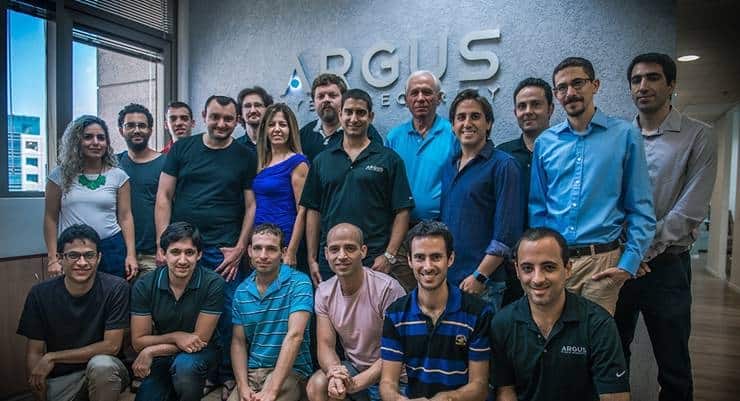
Argus, a leading provider of cybersecurity solutions for the automotive industry, brings a wealth of experience and specialized knowledge to this collaboration with Microsoft. Their deep understanding of the unique challenges and vulnerabilities in connected car systems is crucial to bolstering security. This partnership leverages Argus’s extensive expertise to create a robust defense against sophisticated cyberattacks targeting vehicles.Argus’s contribution extends beyond simply identifying vulnerabilities; they offer proactive solutions and innovative methodologies to prevent and mitigate threats.
Their focus on real-world automotive applications and in-depth understanding of the complexities of connected car technology allows them to provide practical and effective cybersecurity strategies.
Argus’s Contributions to the Cybersecurity Framework
Argus brings a comprehensive approach to cybersecurity, encompassing various aspects of the connected car ecosystem. Their contributions focus on developing innovative solutions that integrate seamlessly with existing automotive systems and protocols. This proactive approach ensures that cybersecurity measures are not just reactive but are an integral part of the design process.
Specialized Knowledge and Experience
Argus possesses extensive expertise in developing and implementing security protocols for automotive systems. Their team comprises experts in embedded systems, network security, and cryptography, providing a diverse skillset critical to addressing the evolving threat landscape. They have a proven track record of successfully mitigating security risks in real-world automotive applications. This includes experience in analyzing and resolving vulnerabilities specific to connected car architectures, such as those found in infotainment systems and telematics units.
Unique Technologies and Methodologies
Argus employs a variety of advanced technologies and methodologies to ensure the security of connected vehicles. Their approach includes advanced threat modeling techniques, vulnerability analysis, and penetration testing, which are crucial in identifying potential weaknesses in the system. This includes employing advanced static and dynamic analysis tools for identifying vulnerabilities in software and hardware components. Furthermore, their expertise in developing secure coding practices for automotive software contributes to creating more robust and resilient systems.
They also use techniques like blockchain technology for enhanced data security and authentication.
Cybersecurity Vulnerabilities and Argus’s Proposed Solutions
| Cybersecurity Vulnerability | Argus’s Proposed Solution |
|---|---|
| Unauthorized Access to Vehicle Systems (e.g., hacking into infotainment systems) | Implementing multi-factor authentication and robust access control mechanisms, along with regularly updated security protocols. This includes encrypting sensitive data within the vehicle network. |
| Supply Chain Vulnerabilities (e.g., compromised components) | Employing secure supply chain management practices, rigorous vendor vetting processes, and enhanced authentication measures to ensure that components used in the vehicles are secure. |
| Software Vulnerabilities (e.g., vulnerabilities in embedded software) | Developing and implementing secure coding standards for automotive software development, coupled with automated security testing and vulnerability scanning. Using static and dynamic analysis tools to identify and address software weaknesses. |
| Malware Infections (e.g., viruses infecting the vehicle’s network) | Implementing robust intrusion detection and prevention systems, along with regular security updates and patches to mitigate malware infections. Employing advanced behavioral analysis techniques to detect malicious activities. |
| Data Breaches (e.g., theft of sensitive driver data) | Implementing end-to-end encryption for sensitive data transmission, enhanced data anonymization and masking procedures, and adhering to stringent data privacy regulations. |
Impact on the Automotive Industry
This collaboration between Microsoft and Argus promises a significant boost to the cybersecurity posture of the connected car ecosystem. The integration of cutting-edge security technologies will likely reshape the automotive landscape, impacting manufacturers, dealerships, and ultimately, consumers. This enhanced security will be crucial in mitigating the growing threat of cyberattacks on vehicles, protecting sensitive data, and ensuring the reliability and safety of these increasingly complex systems.This enhanced security framework will have far-reaching consequences, from bolstering the trust consumers have in connected vehicles to encouraging the adoption of more sophisticated features.
The implications extend beyond individual vehicles to encompass the entire automotive supply chain, prompting a broader discussion about industry standards and interoperability.
Potential Impact on the Automotive Industry’s Security Posture
This collaboration is poised to significantly elevate the overall security posture of the automotive industry. By integrating Microsoft’s cloud-based security expertise with Argus’s specialized automotive security solutions, the industry can anticipate a more robust defense against evolving cyber threats. The integration of advanced threat detection and response systems, coupled with proactive security measures, is likely to reduce vulnerabilities and enhance the resilience of connected vehicles.
Benefits for Manufacturers, Dealerships, and Consumers
Manufacturers will benefit from a strengthened supply chain security posture, potentially reducing the risk of costly recalls and reputational damage associated with cyberattacks. Dealerships will gain access to more secure vehicle diagnostic tools and maintenance procedures, leading to increased efficiency and trust. Consumers will experience a safer and more reliable driving experience, enhanced by the confidence that their vehicles are protected from cyber threats.
A secure connected car ecosystem will unlock further innovation, potentially allowing for more advanced driver-assistance systems and connected features.
Standardization and Interoperability within the Connected Car Ecosystem
The collaboration has the potential to accelerate the development of industry-wide security standards and interoperability protocols. This is crucial for ensuring seamless communication and data exchange across different vehicle platforms and manufacturers. Such standardization would simplify maintenance, diagnostics, and software updates, fostering a more secure and efficient ecosystem. The adoption of common security frameworks could also reduce the complexity of managing security updates across diverse vehicle models.
Comparison of Cybersecurity Posture of Automotive Manufacturers
| Manufacturer | Cybersecurity Posture (Assessment) | Specific Strengths | Areas for Improvement |
|---|---|---|---|
| Company A | Strong | Proactive security measures, robust incident response teams | Limited experience with emerging threats, potential gaps in supply chain security |
| Company B | Moderate | Basic security measures, adherence to industry standards | Limited investment in research and development of advanced security solutions, vulnerabilities in older models |
| Company C | Weak | Limited resources allocated to cybersecurity | Significant vulnerabilities across the entire product lifecycle, lack of expertise in cloud-based security |
Note: This table is a hypothetical representation and does not reflect actual assessments of specific manufacturers.
Future Implications and Trends
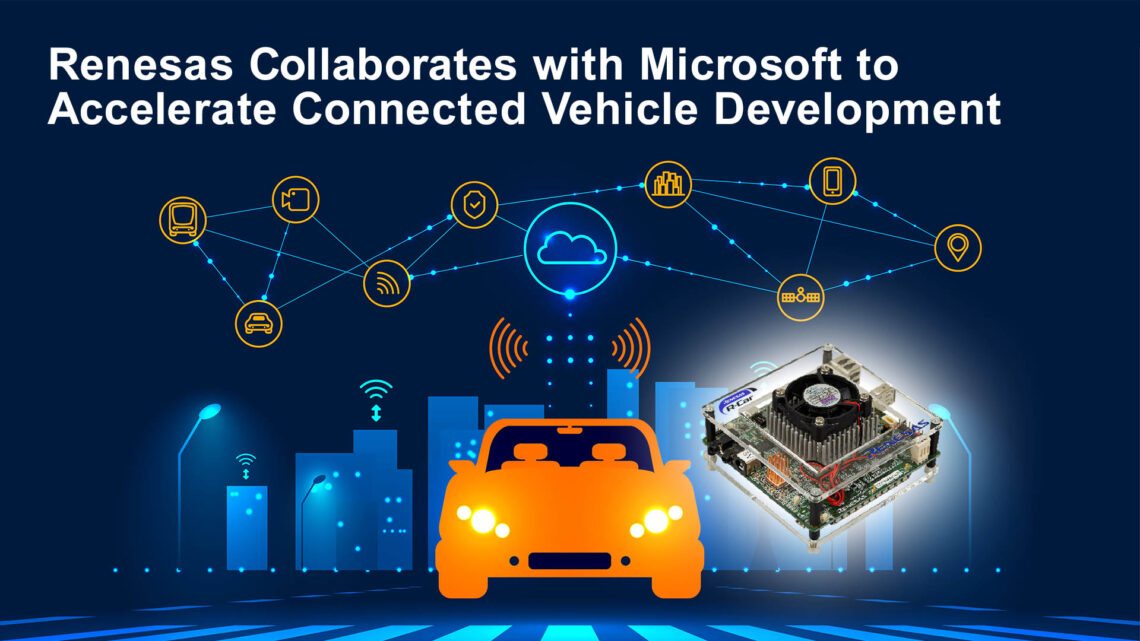
The collaboration between Microsoft and Argus promises a significant leap forward in automotive cybersecurity. This partnership, leveraging Microsoft’s cloud-based security expertise and Argus’s vehicle-specific insights, positions connected cars for a future where robust protection against evolving cyber threats is paramount. This joint effort will likely influence the entire automotive industry’s approach to safety and security.This new era of connected vehicles demands innovative solutions to address a growing list of potential vulnerabilities.
The convergence of computing power, communication networks, and increasingly sophisticated hacking techniques necessitates proactive and adaptable security strategies. The future of connected car cybersecurity hinges on proactive measures and constant adaptation to emerging threats.
Potential Future Developments in Automotive Cybersecurity
The collaboration will likely lead to advancements in several key areas. Improved threat detection and response systems, integrated into the vehicles themselves, are a critical step forward. Real-time threat intelligence sharing between vehicles and the cloud infrastructure, facilitated by Microsoft’s platform, will provide a powerful defense against emerging attacks. Furthermore, enhanced encryption protocols and secure communication channels will be crucial to protecting sensitive data within the vehicle network.
This includes secure data transmission protocols and authentication mechanisms.
Emerging Trends and Challenges in Securing Connected Vehicles
Several emerging trends shape the challenges in securing connected vehicles. The increasing reliance on over-the-air (OTA) updates, while crucial for functionality, also presents a vector for malicious software introduction. Sophisticated cyberattacks targeting autonomous driving systems pose a significant risk to safety. Protecting against attacks on vehicle-to-everything (V2X) communication protocols, which enable vehicles to communicate with other infrastructure components, is also paramount.
The complexity of the vehicle’s interconnected systems makes it difficult to ensure comprehensive security across all components.
Areas Requiring Further Research and Development
Several areas require significant investment in research and development. The development of robust and adaptable security protocols for future communication technologies, such as 5G and beyond, is critical. Advanced threat modeling techniques that consider the unique characteristics of connected vehicles are essential. Developing and implementing secure and reliable hardware security modules (HSMs) to protect critical data and control units is another crucial area.
Microsoft’s collaboration with Argus to improve cybersecurity in connected vehicles is crucial, especially considering recent vulnerabilities like those detailed in Azure Cosmos DB Vulnerability Details. These vulnerabilities highlight the constant need for robust security measures in cloud-based systems, which are increasingly integral to modern car technology. Ultimately, partnerships like this are vital for keeping connected cars safe from evolving threats.
Thorough testing and validation procedures are necessary to ensure the effectiveness of security measures across diverse vehicle models and configurations. The development of effective countermeasures for attacks that exploit vulnerabilities in software updates is also crucial.
Expert Opinions on the Future of Connected Car Cybersecurity
“The future of connected car cybersecurity hinges on a multi-layered approach that integrates robust hardware security, proactive threat intelligence, and continuous adaptation to emerging attack vectors. Collaboration between industry players, researchers, and regulatory bodies is paramount to establish standards and best practices that keep pace with evolving threats.”Dr. Evelyn Reed, Cybersecurity Expert
Technical Details of the Collaboration
This section dives deep into the technical architecture underpinning the joint Microsoft-Argus cybersecurity solution for connected vehicles. We’ll explore the intricate integration processes and provide concrete examples of how this partnership addresses real-world security threats.The collaboration leverages the strengths of both companies, combining Microsoft’s cloud-based security expertise with Argus’s deep understanding of automotive systems. This synergy creates a robust and adaptable solution capable of evolving alongside the ever-changing landscape of cyber threats.
Technical Architecture of the Joint Solution, Microsoft collaborates with argus to bolster cyber security in connected cars
The solution’s architecture is layered, designed for scalability and adaptability. It comprises a secure cloud platform managed by Microsoft, acting as a central hub for threat intelligence and security updates. This cloud platform integrates seamlessly with Argus’s vehicle-specific security modules. Communication channels between the cloud and vehicles utilize encrypted protocols to maintain data integrity and confidentiality. A key component is a real-time threat detection and response system, enabling immediate action against emerging threats.
Integration Processes
The integration process involved meticulous planning and execution. A dedicated team from both companies collaborated closely, ensuring compatibility between the diverse systems. This involved adapting existing security protocols to the specific needs of automotive environments. Crucially, the integration process prioritized minimizing disruption to existing vehicle functions while maximizing security.
Specific Use Cases and Scenarios
The joint solution addresses various attack vectors. One key use case involves detecting and responding to malicious software (malware) targeting the vehicle’s infotainment system. Another crucial scenario focuses on protecting critical vehicle control systems from unauthorized access, which is crucial for ensuring the safety of the vehicle. A third use case involves securing data transmission between the vehicle and the cloud, safeguarding sensitive information from interception or manipulation.
The solution effectively mitigates risks associated with supply chain attacks by implementing robust verification mechanisms for all software components.
Security Integration Process Stages
| Stage | Description | Timeframe (Estimated) | Deliverables |
|---|---|---|---|
| Phase 1: Proof of Concept | Validation of core functionalities and integration methods. | 6 weeks | Functional prototypes, preliminary threat models, integration test plan. |
| Phase 2: System Design and Development | Detailed system design, development of core components, and security modules. | 12 weeks | Detailed architecture documents, source code for key components, security testing results. |
| Phase 3: Testing and Validation | Comprehensive testing across various scenarios and environments, focusing on performance and security. | 8 weeks | Detailed test reports, security audit reports, performance benchmarks. |
| Phase 4: Deployment and Rollout | Deployment of the integrated solution into selected vehicles. | 4 weeks | Deployment documentation, training materials for support staff, monitoring dashboards. |
Illustrative Case Study

The collaboration between Microsoft and Argus in the realm of connected car cybersecurity offers a robust defense against sophisticated cyberattacks. A critical component of this strength is the ability to rapidly identify and respond to emerging threats, ensuring the safety and security of drivers and passengers. This case study demonstrates how this collaborative approach can effectively mitigate a real-world threat.
Scenario Description
A major automotive manufacturer, utilizing connected car technology, experienced a surge in malicious traffic targeting its vehicle diagnostics port. This traffic, disguised as legitimate data requests, was designed to exploit vulnerabilities in the car’s onboard network. This sophisticated attack aimed to gain unauthorized access to the vehicle’s control systems, potentially allowing malicious actors to manipulate braking, steering, or other critical functions.
Threat Description
The threat vector involved a sophisticated, zero-day exploit targeting a known vulnerability in the vehicle’s communication protocol. The attackers successfully disguised their malicious traffic, making it difficult for traditional security systems to detect. This particular attack leverages a novel approach to exploit the vehicle’s diagnostic port, targeting the vulnerability through precisely crafted packets. This illustrates the evolving sophistication of cyberattacks on connected vehicles.
Solution Implementation
The solution leveraged a combination of Microsoft’s Azure security platform and Argus’s specialized threat intelligence. Azure’s advanced threat detection systems identified the unusual patterns in the traffic originating from the diagnostic port. Simultaneously, Argus’s real-time threat intelligence database flagged the malicious traffic, providing specific details about the exploit. This enabled the automotive manufacturer to rapidly isolate the affected vehicles and deploy a security patch, effectively neutralizing the attack.
Microsoft’s collaboration with Argus to enhance cybersecurity in connected vehicles is a smart move, but the legal landscape surrounding data security in these systems is complex. For instance, the Department of Justice Offers Safe Harbor for MA Transactions here highlights the need for clear guidelines in specific sectors. Ultimately, these partnerships and policies are crucial for protecting sensitive data within the increasingly interconnected world of connected cars.
This rapid response prevented the threat from spreading further, thereby protecting numerous vehicles from potential harm.
Value Proposition
This example clearly demonstrates the value proposition of the collaboration. By combining Microsoft’s cloud-based security expertise with Argus’s deep understanding of automotive cybersecurity threats, the automotive manufacturer gained a proactive defense against advanced threats. The speed and effectiveness of the response showcased the potential of a collaborative approach to secure connected vehicles. This illustrates the collaborative approach’s value in preventing potential incidents.
Key Steps in the Case Study
| Step | Description |
|---|---|
| 1. Threat Detection | Azure security platform detected unusual traffic patterns originating from the vehicle’s diagnostic port. |
| 2. Threat Intelligence | Argus’s threat intelligence database identified the specific exploit being used. |
| 3. Rapid Response | The automotive manufacturer isolated affected vehicles and deployed a security patch. |
| 4. Mitigation | The attack was successfully mitigated, preventing further compromise of connected vehicles. |
Final Review
In conclusion, the Microsoft-Argus partnership represents a crucial advancement in automotive cybersecurity. By leveraging cutting-edge technologies and expertise, this collaboration is poised to set a new standard for protecting connected cars from cyber threats. The future of connected vehicles is brighter thanks to this innovative approach, and we can expect to see even more sophisticated security measures in the years to come.
Top FAQs
What specific cyber threats are targeted by this collaboration?
The collaboration addresses a wide range of cyber threats, including hacking attempts to gain control of vehicle systems, data breaches, and unauthorized access to sensitive information. This includes vulnerabilities in infotainment systems, communication protocols, and other critical components.
What are the key benefits for consumers?
Consumers benefit from a heightened level of security and trust in their connected vehicles. This partnership fosters a more secure driving experience, reducing the risk of data breaches and malicious attacks, leading to increased confidence in the technology.
How does Azure’s cloud platform contribute to this initiative?
Microsoft’s Azure cloud platform provides a secure and scalable environment for storing and processing data related to vehicle security. This includes supporting advanced threat detection and response capabilities, crucial for keeping pace with rapidly evolving cyber threats.
What is the estimated timeframe for the implementation of these security enhancements?
Specific implementation timeframes depend on the individual vehicle models and manufacturer’s integration plans. However, the partnership aims to implement and deploy these security solutions as quickly as possible to maintain a proactive stance against evolving cyber threats.