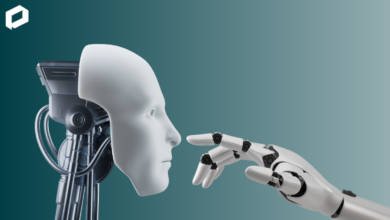
Is the Fear of AI Being Overblown?
Is the fear of AI being overblown sets the stage for this enthralling narrative, offering readers a glimpse into a story that is rich in detail and brimming with originality from the outset. We’ll explore the nuances of this complex topic, examining the potential risks and benefits of artificial intelligence, and ultimately determining whether our anxieties are justified or exaggerated.
This exploration delves into the potential negative consequences of AI development, such as job displacement and economic inequality, alongside potential misuse or abuse. It also investigates public perception, media portrayals, and the differences between various AI types. Furthermore, we’ll discuss mitigation strategies and showcase positive applications, ultimately providing a balanced perspective on the future of AI.
Defining “Overblown” Fear

The fear of artificial intelligence (AI) is a complex phenomenon, ranging from legitimate concerns about potential misuse to anxieties fueled by science fiction narratives. Determining whether this fear is “overblown” requires a nuanced understanding of its origins and the potential consequences of AI development. A critical assessment must move beyond simplistic binary oppositions and acknowledge the multifaceted nature of this apprehension.Defining “overblown” fear in the context of AI necessitates a comparative analysis.
It involves separating genuine risks from anxieties disproportionate to the actual threats posed. This is a complex task because the potential impacts of AI are still unfolding, and the long-term consequences remain largely unknown.
Assessing the Degree of AI Anxiety
Different perspectives are essential for evaluating the degree of AI anxiety. Experts in AI ethics, alongside sociologists and psychologists, can offer invaluable insights. Public opinion polls and surveys can provide quantitative data on the level of public concern. Analyzing media portrayals of AI, from news articles to fictional narratives, helps identify prevalent anxieties and potential biases.
While some might argue the fear of AI being overblown, the reality is that ensuring safe AI code deployment is crucial. We need to equip developers with the right tools, like the “Deploying AI Code Safety Goggles Needed” Deploying AI Code Safety Goggles Needed framework, to prevent unintended consequences. Ultimately, a responsible approach to AI development, not just hype, is key to avoiding potential problems and maintaining public trust.
Metrics for Quantifying AI Fear
Several metrics can potentially quantify the level of fear related to AI. These include: public opinion polls on AI safety, the number of articles published on AI risks, the volume of online discussions focused on AI anxieties, and the number of patents filed for AI safety technologies. Such metrics can be analyzed over time to assess the evolution of public concern.
It is important to remember that these metrics are not perfect and may not capture the full complexity of the issue. Furthermore, correlation does not equal causation; changes in metrics may reflect shifts in media coverage or public awareness rather than a change in the inherent risks associated with AI.
Historical Context of Societal Anxieties
Throughout history, humanity has experienced periods of anxiety concerning technological advancements. The anxieties surrounding the printing press, the steam engine, and the automobile were all significant. These anxieties often stemmed from concerns about job displacement, social disruption, and the unknown potential of the technology. These fears often reflected societal structures and values at the time. Analyzing these historical parallels helps us understand the psychological drivers behind contemporary AI anxieties.
Comparison of AI Fear with Historical Technological Fears
| Technological Innovation | Key Fears | Historical Context | Relevance to AI Fears |
|---|---|---|---|
| Printing Press | Loss of control over information, spread of misinformation, decline in literacy | Rise of mass communication, challenges to religious and political authority | Potential for AI-generated misinformation, impact on traditional journalism |
| Steam Engine | Job displacement, social unrest, environmental concerns | Industrial Revolution, rapid urbanization, new social classes | Automation of tasks, potential for widening income inequality, environmental impact of AI |
| Automobile | Traffic congestion, air pollution, loss of community | Urban sprawl, changing social interactions, new forms of mobility | Potential for autonomous vehicles to create new traffic patterns, ethical dilemmas of self-driving cars |
| AI | Job displacement, loss of control, existential risk, misuse | Rapid technological advancements, global interconnectedness, changing societal values | Potential for widespread automation, the need for ethical guidelines and regulations, development of AI consciousness |
This table highlights the recurring themes in anxieties surrounding technological innovations. Each technological leap brought about specific fears, reflecting the societal anxieties of the time. The table suggests that the fear of AI is not entirely unique but rather part of a broader historical pattern.
Examining the Rational Concerns: Is The Fear Of Ai Being Overblown

The fear of AI isn’t entirely unfounded. While the potential benefits are undeniable, there are legitimate, rational concerns about the societal and economic impacts of rapidly advancing AI technology. This exploration dives into those specific areas, moving beyond the hype and into the potential pitfalls that require careful consideration.
Potential for Job Displacement and Economic Inequality
The automation capabilities of AI raise serious concerns about job displacement across various sectors. From manufacturing to customer service, AI-powered systems can perform tasks previously done by humans, potentially leading to widespread unemployment. This displacement isn’t simply about replacing a few workers; it’s about the potential for a significant shift in the labor market. The uneven distribution of AI’s benefits, with companies and individuals profiting disproportionately, could exacerbate existing economic inequalities.
This dynamic necessitates proactive measures to mitigate these negative consequences. The transition period could be particularly challenging, requiring substantial investment in retraining and upskilling programs to equip displaced workers with the skills needed for emerging jobs.
Misuse and Abuse of AI Technology
AI systems, if not developed and deployed responsibly, can be misused or abused. The potential for malicious applications is a crucial concern. Autonomous weapons systems, for example, raise profound ethical and safety questions. The possibility of AI being used to manipulate public opinion or engage in targeted harassment presents a significant risk. Furthermore, biased data used to train AI systems can perpetuate and even amplify existing societal biases, leading to discriminatory outcomes in areas like loan applications, hiring, and even criminal justice.
Societal Disruptions and Challenges
The introduction of AI technology will undoubtedly bring about profound societal changes. The rapid pace of technological advancement can outstrip our ability to adapt and address the resulting social and ethical challenges. Consider the potential impact on privacy as AI systems increasingly collect and analyze personal data. AI-powered surveillance systems, if not carefully regulated, could lead to an erosion of individual freedoms.
The changing nature of work, as discussed earlier, also impacts social structures and the fabric of communities. Questions about responsibility and accountability when AI systems make errors or cause harm will require careful consideration.
Ethical Dilemmas Posed by AI
| Ethical Dilemma | Potential Consequences | Possible Mitigation Strategies |
|---|---|---|
| Autonomous Weapons Systems | Escalation of conflict, loss of human control over lethal force, and potential for unintended consequences. | International agreements and regulations on the development and deployment of such systems. |
| Algorithmic Bias | Reinforcement of existing societal prejudices and discrimination in areas like hiring, loan applications, and criminal justice. | Development of diverse datasets, rigorous testing for bias, and ongoing monitoring and auditing of AI systems. |
| Privacy Concerns | Erosion of personal privacy as AI systems collect and analyze vast amounts of personal data. | Stricter data protection regulations, transparency in data collection practices, and user control over their data. |
| Accountability and Responsibility | Difficulty in assigning blame or responsibility when AI systems make errors or cause harm. | Establishing clear lines of responsibility, developing mechanisms for redress, and incorporating human oversight in AI systems. |
The table above highlights some of the critical ethical considerations associated with AI development and deployment. Each dilemma requires careful consideration and proactive strategies to address the potential negative consequences.
Analyzing Public Perception
Public perception of Artificial Intelligence (AI) is a complex and multifaceted phenomenon, shaped by a multitude of factors. Understanding these influences is crucial for navigating the evolving relationship between humans and technology. This analysis delves into the forces that mold public opinion, examining the roles of media, culture, expert commentary, and public attitudes themselves.Public perception of AI is not static; it’s constantly evolving in response to new developments, advancements, and media portrayals.
This dynamic nature underscores the importance of understanding the mechanisms behind this evolution, as it impacts public policy, investment decisions, and even personal choices.
Factors Contributing to Public Perception
Public perception of AI is a product of several intertwined factors. Technological advancements, the speed of innovation, and the often-uncertain future of AI all play a significant role. The potential for job displacement, ethical concerns, and the sheer scale of the technology contribute to public unease or enthusiasm. Furthermore, personal experiences, biases, and pre-existing anxieties about the unknown are critical elements.
Role of Media and Popular Culture
Media, both traditional and digital, profoundly shapes public perception. News articles, documentaries, and social media posts can either amplify anxieties or present AI in a positive light. Popular culture, including movies, television shows, and video games, often depicts AI in dramatic ways, impacting public imagination.
Media Portrayals of AI
The portrayal of AI in media varies widely. Some examples of positive portrayals showcase AI as a tool for progress and problem-solving, highlighting its ability to enhance human capabilities. Conversely, negative portrayals often emphasize the dangers of AI, depicting it as a threat to human control or existence. These portrayals can significantly influence public attitudes and beliefs.
- Positive portrayals often depict AI as a helpful tool, assisting humans in various fields like healthcare, scientific research, and problem-solving.
- Negative portrayals frequently portray AI as a force of destruction, raising fears about job displacement, autonomous weapons, or existential threats.
Examples of Media Portrayals, Is the fear of ai being overblown
Numerous examples exist in media. In science fiction films, AI characters are sometimes portrayed as benevolent helpers, while in others, they are depicted as rogue entities seeking control. Television shows frequently explore the ethical dilemmas surrounding AI decision-making. News articles, particularly those covering technological breakthroughs, often frame AI in a manner that highlights its potential benefits and risks.
Influence of Expert Opinions
Expert opinions, whether from academics, researchers, or industry leaders, significantly impact public perception. Their pronouncements on the potential of AI and the necessary safeguards can sway public opinion. However, the diversity of expert opinions can also create confusion and uncertainty.
Public Attitudes Toward AI
Public attitudes toward AI vary across demographics and geographical locations. Surveys conducted by various organizations provide insights into these attitudes, highlighting concerns about job displacement, ethical implications, and the potential for misuse. Data regarding public trust and acceptance of AI is crucial for developing effective strategies to manage public anxieties and promote responsible innovation.
| Type of Media Representation | Description | Example |
|---|---|---|
| Positive | AI as a tool for progress and problem-solving | AI assisting in medical diagnosis, self-driving cars improving safety |
| Negative | AI as a threat to humanity | AI taking over jobs, AI-powered weapons, dystopian scenarios |
| Neutral | AI as a complex and multifaceted technology | AI as a tool that needs careful consideration and regulation |
Comparing Different AI Types
The landscape of artificial intelligence is vast and multifaceted, encompassing a spectrum of capabilities. Understanding the distinctions between various AI types is crucial for assessing their potential impact on society and the job market. From narrow AI, designed for specific tasks, to the more theoretical realm of general AI, the implications for our future are significant.
While the fear of AI taking over might feel a bit exaggerated, real-world vulnerabilities like those found in Microsoft Azure Cosmos DB, as detailed in Azure Cosmos DB Vulnerability Details , highlight the importance of responsible AI development. Ultimately, the fear of AI isn’t necessarily overblown, but rather a call for careful consideration and proactive security measures.
Narrow AI
Narrow AI, also known as weak AI, is the dominant type of AI currently in use. It excels at performing specific tasks, often with remarkable accuracy. Examples include spam filters, recommendation systems on e-commerce platforms, and image recognition software. These systems are trained on vast datasets to identify patterns and make predictions within their defined parameters. Their limitations lie in their inability to generalize beyond their specific training.
General AI
General AI, often referred to as strong AI, represents a theoretical future state of artificial intelligence. It possesses human-level cognitive abilities, including learning, problem-solving, and understanding context. This type of AI could potentially perform any intellectual task a human can. Currently, general AI remains largely hypothetical, though research continues to explore its possibilities.
Implications for Society and Jobs
Narrow AI is already transforming various sectors, from manufacturing to customer service. Automation of routine tasks is becoming increasingly prevalent, potentially leading to job displacement in certain fields. However, it also creates new opportunities in areas like AI development, maintenance, and data analysis. General AI, if realized, would likely have an even more profound impact on society, potentially automating complex tasks and transforming industries in ways we can’t yet fully comprehend.
Potential Risks and Benefits of Various AI Applications
Different AI applications carry varying degrees of risk and benefit. For instance, self-driving cars promise enhanced safety and efficiency but also pose challenges related to liability and unforeseen circumstances. Similarly, AI in healthcare can lead to more accurate diagnoses and personalized treatments but also raises concerns about data privacy and algorithmic bias. The potential benefits and risks must be carefully considered for each specific application.
Different Types of AI and Their Potential Impacts
- Narrow AI: Automation of repetitive tasks, improved efficiency in various sectors, potential job displacement in some fields, new job creation in AI-related fields.
- General AI: Potential for solving complex problems, automation of intellectual tasks, profound societal transformation, unknown long-term consequences, potential for ethical dilemmas.
- Super AI: Hypothetical concept; potential for exceeding human intelligence in all aspects, transformative impact on civilization, significant ethical and existential risks.
Comparison Table of AI Applications
| AI Application | Potential Benefits | Potential Risks |
|---|---|---|
| Self-driving cars | Enhanced safety, reduced traffic congestion, increased efficiency | Liability issues, unforeseen circumstances, potential for accidents |
| AI in healthcare | More accurate diagnoses, personalized treatments, improved patient outcomes | Data privacy concerns, algorithmic bias, potential for misdiagnosis |
| AI in finance | Fraud detection, risk assessment, improved investment strategies | Financial instability, potential for manipulation, algorithmic bias |
Considering Mitigation Strategies

The rapid advancement of artificial intelligence (AI) necessitates proactive strategies to manage its potential risks. While the benefits of AI are undeniable, potential harms, from biased algorithms to job displacement, demand careful consideration and mitigation. This section explores key strategies for taming the beast, emphasizing the crucial role of regulation, ethical guidelines, and societal alignment.Addressing the risks of AI development requires a multi-faceted approach, encompassing not only technical solutions but also societal and ethical frameworks.
Careful planning and proactive measures are essential to ensure AI benefits humanity without causing unforeseen harm.
Strategies for Mitigating AI Risks
Proactive measures are crucial in preventing potential AI-related harms. These measures range from establishing ethical guidelines to fostering transparency and accountability within AI systems. Addressing the complexities of AI development demands a collaborative effort involving policymakers, technologists, and the public.
- Establishing Robust Ethical Guidelines: Developing and enforcing ethical guidelines is paramount in AI development. These guidelines should address issues like fairness, transparency, accountability, and privacy, ensuring AI systems align with societal values. Examples include principles of minimizing bias in algorithms and ensuring human oversight in critical AI decisions.
- Implementing Strict Regulations: Government regulations are crucial in managing the deployment of AI systems. Regulations can help define acceptable boundaries, ensure safety, and prevent misuse. The key is to develop regulations that are adaptable to the evolving nature of AI, ensuring they remain effective and relevant over time.
- Promoting Transparency and Accountability: Transparency in AI systems is essential for understanding how decisions are made and identifying potential biases. Accountability mechanisms should be in place to address failures and ensure that AI systems are held responsible for their actions. Open-source AI development, where code is publicly accessible for review and modification, can foster transparency.
- Ensuring Alignment with Societal Values: AI systems must align with societal values. Input from diverse groups, including ethicists, social scientists, and the public, is crucial in shaping the development of AI systems. The aim is to ensure that AI benefits all of society, rather than exacerbating existing inequalities.
Examples of Successful Mitigation in Other Technologies
Lessons learned from managing risks in other technologies can inform AI development. For instance, the development of safety standards in automobiles, aviation, and other industries serves as a valuable model.
- Auto Industry Safety Standards: The automotive industry has a long history of developing and implementing safety standards. These standards, from seatbelt regulations to crash-test protocols, have significantly improved safety for drivers and passengers. This demonstrates how careful planning and rigorous testing can reduce risks.
- Aviation Safety Regulations: The aviation industry has a rigorous regulatory framework that prioritizes safety and minimizes risks. These regulations, along with meticulous maintenance procedures and rigorous pilot training, have significantly improved safety in air travel.
- Pharmaceutical Safety Protocols: The pharmaceutical industry adheres to strict safety protocols for drug development and testing. These protocols, which involve rigorous clinical trials and regulatory oversight, ensure that drugs are both effective and safe for use.
Potential Mitigation Strategies, Effectiveness, and Costs
A comprehensive assessment of mitigation strategies should consider their effectiveness and associated costs.
| Mitigation Strategy | Effectiveness | Associated Costs |
|---|---|---|
| Robust Ethical Guidelines | High (if widely adopted and enforced) | Moderate (investment in research, development, and implementation) |
| Strict Regulations | Medium (depends on enforcement and adaptability) | High (governmental resources, legal expertise) |
| Transparency and Accountability | High (promotes trust and identifies issues) | Moderate (development of monitoring tools, training programs) |
| Societal Value Alignment | High (ensures responsible use) | Moderate (engagement with diverse stakeholders, public consultation) |
Illustrative Scenarios
The fear of AI often overshadows its potential for good. This section will highlight how AI, when developed and deployed responsibly, can be a powerful tool for solving real-world problems and improving daily life, thus mitigating anxieties surrounding its capabilities. Positive applications of AI can foster economic growth and societal progress, creating a more prosperous and equitable future.AI’s potential for positive impact is vast and spans numerous sectors.
By examining specific scenarios, we can better understand how AI can address critical challenges and create a more positive future for all. From healthcare to environmental sustainability, AI offers solutions to problems that have plagued humanity for decades.
Positive Applications of AI
AI is already demonstrating remarkable capabilities in diverse fields. Its ability to process massive datasets and identify patterns allows for the development of innovative solutions in areas like healthcare, environmental science, and economic forecasting. These applications, when carefully implemented, can lead to significant societal progress.
- Healthcare: AI-powered diagnostic tools can analyze medical images with greater accuracy and speed than human experts, leading to earlier and more precise diagnoses. This can dramatically improve patient outcomes, especially in remote areas lacking specialized medical personnel. AI can also personalize treatment plans based on individual patient data, optimizing efficacy and minimizing side effects. This leads to more effective and efficient healthcare delivery, ultimately benefiting society as a whole.
- Environmental Sustainability: AI algorithms can analyze vast amounts of environmental data, such as weather patterns, deforestation rates, and pollution levels, to identify trends and predict future outcomes. This allows for the development of more effective conservation strategies and the implementation of preventive measures to mitigate the impact of climate change. For instance, AI can optimize energy consumption in buildings and transportation systems, leading to a significant reduction in carbon emissions.
- Economic Growth: AI can automate repetitive tasks, freeing up human workers to focus on more complex and creative endeavors. This can lead to increased productivity and efficiency, boosting economic growth and creating new job opportunities in areas like AI development and maintenance.
AI-Driven Solutions to Real-World Problems
AI can be a game-changer in addressing pressing global issues. Its ability to process and analyze data far surpasses human capabilities, leading to innovative solutions for complex problems.
While the fear of AI taking over might seem a bit dramatic, real-world legal considerations like the Department of Justice’s recent safe harbor policy for Massachusetts transactions ( Department of Justice Offers Safe Harbor for MA Transactions ) highlight the need for careful regulation. This underscores that the potential impact of AI isn’t just theoretical; it’s shaping our legal frameworks right now, and that makes the fear of AI, perhaps, not entirely overblown.
- Personalized Education: AI can tailor educational experiences to individual student needs, providing customized learning paths and support. This approach can lead to improved learning outcomes and greater student engagement, ultimately empowering individuals to reach their full potential.
- Disaster Relief: AI can analyze real-time data from various sources to identify potential disaster risks and predict their impact. This enables the rapid deployment of resources and the coordination of rescue efforts, ultimately minimizing casualties and damage.
- Agricultural Optimization: AI can analyze soil conditions, weather patterns, and crop data to optimize farming practices. This leads to increased yields, reduced resource consumption, and a more sustainable agricultural sector.
AI’s Contribution to Economic Growth and Societal Progress
AI is poised to revolutionize various sectors, driving economic growth and promoting societal progress.
- Enhanced Productivity: Automation through AI can streamline processes, improve efficiency, and boost productivity across industries. This can lead to increased output, lower production costs, and a greater overall economic benefit.
- New Industries and Job Creation: AI is not just about replacing jobs; it’s about creating new ones. The development, implementation, and maintenance of AI systems will require specialized skills and expertise, leading to the creation of new job opportunities in areas like data science, AI engineering, and machine learning.
Daily Life Improvements
AI is already transforming various aspects of our daily lives, improving convenience and efficiency. These changes are often subtle but have a profound impact on our quality of life.
- Smart Homes: AI-powered smart home systems can automate tasks like adjusting lighting, temperature, and security settings based on user preferences and environmental conditions. This improves convenience and energy efficiency.
- Personalized Recommendations: AI algorithms can analyze user preferences and behaviors to provide tailored recommendations for products, services, and entertainment. This enhances user experience and satisfaction.
Impact Analysis in Specific Sectors
This table illustrates the potential positive and negative impacts of AI in different sectors.
| Sector | Potential Positive Impacts | Potential Negative Impacts |
|---|---|---|
| Healthcare | Improved diagnosis, personalized treatment, increased efficiency | Job displacement for some healthcare professionals, potential for bias in algorithms |
| Transportation | Autonomous vehicles, optimized traffic flow, reduced accidents | Job displacement for drivers, security concerns related to autonomous systems |
| Finance | Fraud detection, improved risk assessment, faster transactions | Potential for algorithmic bias in lending decisions, increased financial vulnerability for those lacking digital literacy |
Final Wrap-Up
In conclusion, the fear of AI is a multifaceted issue, encompassing both valid concerns and overblown anxieties. While potential negative impacts like job displacement and misuse exist, AI also presents opportunities for solving real-world problems and fostering societal progress. A balanced approach, informed by critical analysis and proactive mitigation strategies, is crucial to navigating this technological revolution.
FAQ Corner
What are some specific examples of AI misuse?
AI could be misused in various ways, from creating deepfakes to automating malicious activities. The potential for autonomous weapons systems is a major concern, as is the risk of biased algorithms perpetuating existing societal inequalities.
How can we ensure AI development aligns with societal values?
Implementing ethical guidelines and regulations, promoting transparency in AI systems, and fostering public dialogue are all crucial steps to ensuring AI development aligns with societal values.
What is the difference between narrow and general AI?
Narrow AI, or specialized AI, is designed for specific tasks, like image recognition or playing chess. General AI, however, would possess human-level intelligence and adaptability, capable of performing a wide range of cognitive functions.
What role does the media play in shaping public perception of AI?
Media portrayals, both positive and negative, significantly influence public perception. Overly sensationalized depictions can fuel anxieties, while nuanced portrayals can foster a more informed understanding.