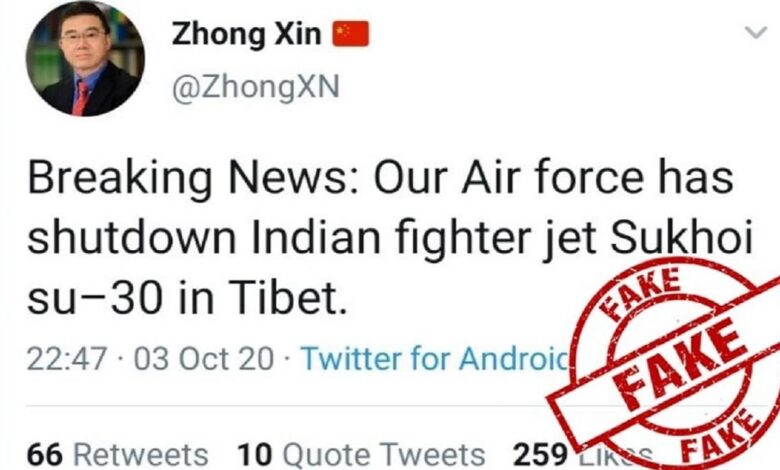
China Cyber Attacks Indian Sukhoi 30 Jet Fighters
China cyber attacks Indian Sukhoi 30 jet fighters – a chilling prospect, right? This isn’t some far-fetched sci-fi scenario; it’s a very real threat in today’s increasingly digital battlefield. We’re diving deep into the potential vulnerabilities of these advanced fighter jets, exploring how sophisticated cyberattacks could cripple their capabilities, and examining the geopolitical implications of such a scenario.
Think compromised flight controls, disabled communication systems, and even weapon malfunctions – all orchestrated remotely. It’s a game of cat and mouse at the highest stakes, and understanding the dynamics is crucial.
The potential for China to target India’s Sukhoi 30 fleet isn’t just hypothetical. We’ll look at the evidence linking China to past cyber operations against India, analyzing their tactics, motivations, and the potential consequences of a successful attack. We’ll unpack India’s current defense strategies, explore what they’re doing to protect their fleet, and discuss how they might strengthen their defenses in the face of this ever-evolving threat.
Get ready for a deep dive into the murky world of cyber warfare and its impact on the delicate balance of power in the Indo-Pacific.
The Nature of Cyber Attacks on Indian Sukhoi 30s
The Sukhoi Su-30MKI, a mainstay of the Indian Air Force, represents a sophisticated piece of military technology, but its advanced systems also present potential vulnerabilities to cyberattacks. While the specifics of any potential attacks remain classified, analyzing the general architecture of modern fighter jets reveals several points of weakness that could be exploited by malicious actors. Understanding these vulnerabilities is crucial for assessing the potential impact and developing effective countermeasures.
Potential Vulnerabilities of Sukhoi 30 Fighter Jets
Modern fighter jets like the Sukhoi Su-30MKI rely heavily on interconnected computer systems controlling everything from flight control and navigation to weapons systems and communication. These systems, while robust, are not immune to cyber intrusion. Potential entry points include outdated software, insufficiently secured data links, and vulnerabilities in the onboard network architecture. The increasing reliance on networked systems, while enhancing operational capabilities, also expands the attack surface, making the aircraft susceptible to a wider range of cyber threats.
Furthermore, the use of commercial off-the-shelf (COTS) components in some systems can introduce known vulnerabilities that haven’t been fully mitigated in the military context.
Methods of Compromising Aircraft Systems, China cyber attacks indian sukhoi 30 jet fighters
A range of methods could be employed to compromise the Sukhoi 30’s systems. These could include exploiting known software vulnerabilities to gain unauthorized access, injecting malicious code through data links (e.g., during software updates or data transfers), or using sophisticated techniques like zero-day exploits to target previously unknown weaknesses. Physical access, though less likely given the stringent security measures surrounding these aircraft, could also allow for direct manipulation of onboard systems.
Moreover, social engineering attacks targeting personnel with access to the aircraft’s systems represent another potential avenue for compromise. The sophistication of the attack would vary depending on the attacker’s resources and objectives.
Potential Consequences of a Successful Cyberattack
The consequences of a successful cyberattack on a Sukhoi Su-30MKI could be severe. At a minimum, it could lead to system malfunctions, disrupting flight operations and potentially causing accidents. More serious consequences could include compromising the aircraft’s navigation and weapon systems, rendering it ineffective or even turning it against its intended operator. Data breaches could expose sensitive information about the aircraft’s capabilities and operational tactics, providing valuable intelligence to adversaries.
A successful attack could also disrupt communications, isolating the aircraft from its command and control infrastructure. The extent of the damage would depend on the nature and scope of the attack.
Types of Cyberattacks and Their Impact on Sukhoi 30 Functionality
The following table illustrates different cyberattack types and their potential impact:
| Attack Type | Method | Impact on Systems | Impact on Mission |
|---|---|---|---|
| Denial of Service (DoS) | Flooding the aircraft’s network with traffic | Disrupts communication, navigation, and other critical systems | Mission failure, potential loss of aircraft |
| Malware Injection | Introducing malicious code via software updates or data links | Data theft, system corruption, manipulation of flight controls | Mission failure, potential loss of aircraft, intelligence compromise |
| Man-in-the-Middle (MitM) Attack | Intercepting communication between the aircraft and ground control | Data manipulation, false information provided to pilot | Mission failure, potential loss of aircraft, compromised operational security |
| Zero-Day Exploit | Exploiting an unknown vulnerability in the aircraft’s software | Unpredictable system failure, potentially catastrophic consequences | Mission failure, potential loss of aircraft, severe security breach |
Attribution of Cyber Attacks to China
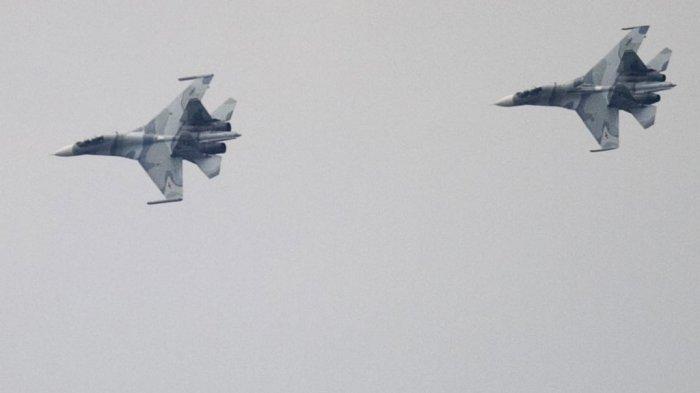
Pinpointing the origin of cyberattacks is notoriously difficult, a shadowy world of sophisticated techniques and carefully concealed digital footprints. However, in the case of suspected Chinese cyber operations targeting Indian military assets, including the Sukhoi Su-30 fleet, a body of circumstantial evidence, combined with established patterns of Chinese cyber activity, paints a concerning picture. While direct, irrefutable proof remains elusive, the weight of this evidence warrants serious consideration.The attribution of cyberattacks is a complex process, relying on a combination of technical analysis, geopolitical context, and intelligence gathering.
In the case of China, a history of state-sponsored cyber operations, coupled with the strategic importance of India in the regional power dynamic, creates a compelling narrative. Analyzing the methods, tools, and targets of the attacks, alongside known Chinese cyber capabilities, provides further clues.
Evidence Linking China to Cyberattacks Against Indian Military Assets
Several factors contribute to the suspicion surrounding China’s involvement in cyberattacks against India’s military infrastructure. These include the sophistication of the attacks, the specific targets chosen (high-value assets like the Sukhoi Su-30s), and the observed overlap with known Chinese cyber tactics, techniques, and procedures (TTPs). For example, the use of specific malware families or the exploitation of previously unknown vulnerabilities could point to a state-sponsored actor with access to advanced resources and intelligence.
Furthermore, the timing of attacks could correlate with periods of heightened geopolitical tension between India and China. The lack of public acknowledgement from either government does not negate the possibility of covert cyber warfare.
Examples of Past Cyber Operations Attributed to China
China’s history of cyber espionage and offensive cyber operations is well-documented. While attribution is always challenging, numerous incidents have been linked to Chinese state-sponsored groups, revealing consistent patterns. These include attacks targeting various sectors, from intellectual property theft to disruption of critical infrastructure. For instance, the notorious “Comment Crew” and “APT10” groups have been linked to widespread data breaches and espionage targeting multiple countries, including India.
These groups often employ similar techniques, such as spear-phishing campaigns, zero-day exploits, and advanced persistent threats (APTs). The similarities in tactics and techniques used in these past operations and those suspected of targeting Indian military assets strengthen the case for Chinese involvement.
Geopolitical Motivations Behind Potential Chinese Cyberattacks Against India
The geopolitical rivalry between India and China provides a strong motive for cyberattacks. Both nations are vying for regional dominance, competing for influence in South Asia and beyond. Disrupting India’s military capabilities, even through cyber means, could provide China with a strategic advantage. Targeting advanced fighter jets like the Sukhoi Su-30s would cripple India’s air power, potentially altering the balance of power in the region.
This aligns with China’s broader strategy of asserting its influence and challenging the existing global order. Cyberattacks offer a relatively low-risk, high-impact way to achieve these goals, avoiding direct military confrontation.
Timeline of Significant Cyber Incidents Involving India and China
The precise details of many cyber incidents remain classified, making a complete timeline difficult to compile. However, several notable events illustrate the evolving nature of cyber conflict between the two nations:
- 2009-2011: Reports emerge of widespread cyber espionage targeting Indian government agencies and defense contractors, with suspected links to Chinese actors. The scale and sophistication of these attacks suggest a well-resourced and organized campaign.
- 2012-2015: Increased frequency of cyberattacks targeting Indian infrastructure, including power grids and financial institutions, further fuels suspicions of Chinese involvement. Some attacks show similarities in techniques to known Chinese APT groups.
- 2017-Present: Reports surface of targeted attacks against Indian military installations, including those suspected of targeting the Sukhoi Su-30 fleet. The nature of these attacks remains largely undisclosed, but the suspected involvement of sophisticated state-sponsored actors is evident.
Specific Targets and Objectives within the Sukhoi 30 Systems
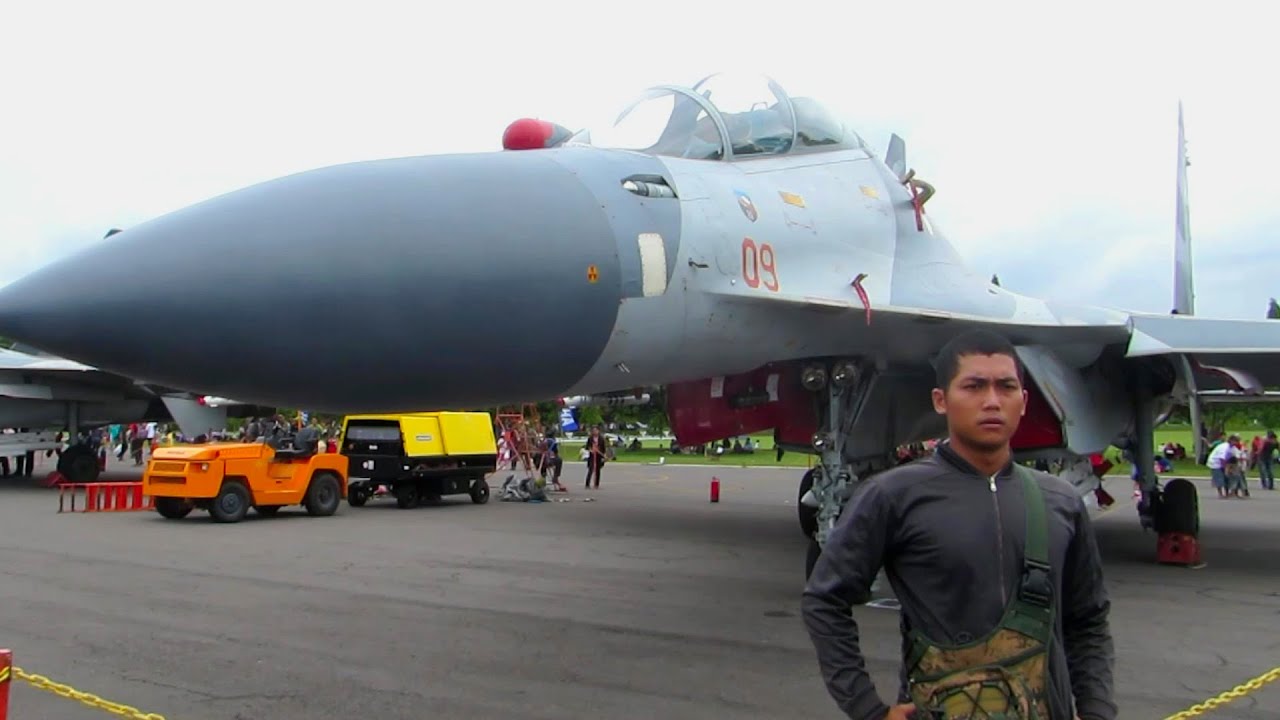
A successful cyberattack against an Indian Sukhoi Su-30MKI wouldn’t necessarily involve disabling the entire aircraft at once. Instead, a more likely scenario would focus on compromising specific, critical systems to achieve a limited, yet impactful, objective. The attackers would likely prioritize systems that would maximize disruption and minimize the risk of detection.The sophistication of the Su-30MKI’s avionics and integrated systems makes it a complex target.
However, certain systems are more vulnerable than others, offering potential points of entry for cyberattacks aimed at degrading operational effectiveness or even causing catastrophic failure. Targeting these critical systems would be the focus of a well-planned attack.
Critical Systems as Targets for Cyberattacks
Targeting the Su-30MKI’s most vulnerable systems would allow for maximum disruption with minimal effort. These systems include the flight control system, navigation systems, communication systems, and weapon systems. Compromising even one of these could significantly impact the aircraft’s mission capabilities. A successful attack might involve a combination of attacks against multiple systems for a more devastating effect.
Impact on Operational Capabilities from Compromised Systems
Compromising the Su-30MKI’s flight control system, for instance, could lead to unpredictable flight behavior, potentially causing loss of control and catastrophic crashes. Disrupting navigation systems would result in the aircraft losing its ability to accurately determine its position and follow planned routes, rendering it vulnerable and ineffective. A compromised communication system would isolate the aircraft from command and control, limiting its ability to receive mission updates or request assistance.
Finally, compromising the weapon systems could render the aircraft incapable of engaging targets, neutralizing its offensive capabilities.
Disruption of Communication, Navigation, and Weapons Systems
A cyberattack could manifest in several ways. For communication systems, an attacker could inject false data, leading to the pilot receiving misleading information or preventing them from communicating with ground control. Navigation systems could be manipulated to provide inaccurate location data, causing the aircraft to deviate from its course and potentially enter dangerous airspace. Weapon systems could be disabled or made to malfunction, rendering them ineffective or even dangerous to operate.
The attacker might also attempt to gain unauthorized access to sensitive data transmitted through these systems.
Reports of Chinese cyberattacks targeting India’s Sukhoi 30 fighter jets highlight the vulnerability of critical infrastructure to sophisticated digital threats. Securing sensitive data in this context is paramount, and understanding how to effectively manage cloud security is crucial. That’s where solutions like Bitglass come in, as explained in this insightful article on bitglass and the rise of cloud security posture management , which helps organizations bolster their defenses against such attacks.
The implications for national security in the face of these advanced cyber warfare tactics are significant, demanding proactive and robust cybersecurity measures.
Hypothetical Cyberattack Scenario: Targeting Flight Control Systems
Imagine a scenario where sophisticated malware is introduced into the Su-30MKI’s flight control system via a compromised data link during a software update. The malware remains dormant until a specific trigger is activated, perhaps a GPS coordinate or a specific time. Upon activation, the malware subtly manipulates the flight control inputs, causing the aircraft to gradually deviate from its intended flight path.
The pilot might initially attribute the deviation to minor turbulence or wind shear. However, as the malware continues to exert its influence, the deviations become more pronounced, making it increasingly difficult for the pilot to maintain control. The outcome could range from a forced landing in an undesirable location to a complete loss of control and a crash.
Reports of China’s cyberattacks targeting India’s Sukhoi 30 fighter jets got me thinking about the vulnerabilities in complex systems. Securing such critical infrastructure requires robust, adaptable software solutions, which is why I’ve been exploring the advancements in domino app dev, the low-code and pro-code future , for potentially improving cybersecurity defenses. Ultimately, strengthening our digital defenses against these kinds of sophisticated attacks is paramount, and innovative development methods might hold the key.
The subtlety of the attack would make it difficult to attribute the incident to a cyberattack initially, adding to the complexity of the investigation.
Indian Defense Strategies and Countermeasures
Protecting India’s Sukhoi 30 fleet from sophisticated cyberattacks requires a multi-layered approach encompassing robust cybersecurity infrastructure, proactive threat detection, and rapid response capabilities. The stakes are incredibly high, given the strategic importance of these fighter jets to India’s national defense. This necessitates a continuous evolution of defensive strategies to stay ahead of evolving cyber threats.
Current Cybersecurity Measures Employed by India
India’s defense of its Sukhoi 30s likely involves a combination of measures. These include network segmentation to isolate critical systems, intrusion detection and prevention systems (IDPS) to monitor network traffic for malicious activity, and regular security audits and vulnerability assessments to identify and address weaknesses in the aircraft’s software and network infrastructure. Furthermore, strong access control measures, including multi-factor authentication and robust password policies, are likely in place to limit unauthorized access.
The extent of these measures, however, remains largely undisclosed for security reasons. It’s reasonable to assume the Indian Air Force employs advanced encryption techniques and regularly updates its software to patch known vulnerabilities. Finally, specialized cybersecurity personnel are likely dedicated to monitoring and responding to potential threats.
Comparison with Other Nations Facing Similar Threats
India’s cybersecurity strategies likely share similarities with those of other nations possessing advanced fighter jets, such as the United States, Russia, and Israel. All these nations invest heavily in cybersecurity for their military assets, employing similar technologies like IDPS, network segmentation, and robust access controls. However, the specific implementations and the level of sophistication might vary based on available resources, technological capabilities, and the perceived threat landscape.
For instance, the US military’s cyber defenses are arguably more extensive and technologically advanced due to its larger budget and broader technological expertise. However, India’s approach likely focuses on a cost-effective and adaptable strategy tailored to its specific needs and resources.
Recommendations for Improving India’s Defenses
Strengthening India’s defenses against cyberattacks targeting its Sukhoi 30 fleet requires a multifaceted approach. Improvements should focus on enhancing existing capabilities and incorporating new technologies.
- High Urgency, High Feasibility: Implement a comprehensive threat intelligence program to proactively identify and mitigate emerging cyber threats. This involves collaborating with international partners and leveraging open-source intelligence to stay ahead of potential adversaries.
- High Urgency, Medium Feasibility: Invest in advanced artificial intelligence (AI) and machine learning (ML)-based cybersecurity solutions to automate threat detection and response. This includes developing AI-powered systems capable of analyzing vast amounts of data to identify anomalies and predict potential attacks.
- Medium Urgency, High Feasibility: Conduct regular, rigorous penetration testing and red teaming exercises to identify vulnerabilities in the Sukhoi 30 systems and their supporting infrastructure. This proactive approach allows for timely remediation of weaknesses before they can be exploited.
- Medium Urgency, Medium Feasibility: Develop and implement a robust incident response plan to effectively manage and contain cyberattacks should they occur. This plan should include clear communication protocols, escalation procedures, and recovery strategies.
- Low Urgency, High Feasibility: Enhance cybersecurity training and awareness programs for personnel involved in the operation and maintenance of the Sukhoi 30 fleet. This includes educating personnel on best practices for password security, phishing awareness, and safe internet usage.
The Broader Geopolitical Context: China Cyber Attacks Indian Sukhoi 30 Jet Fighters
The alleged cyberattacks on Indian Sukhoi Su-30 fighter jets, attributed to China, significantly escalate the already tense India-China relationship. This incident highlights the growing importance of cyber warfare as a tool of geopolitical leverage and the potential for such attacks to destabilize regional security and even trigger conventional conflict. Understanding the broader geopolitical implications is crucial for assessing the risks and formulating effective responses.The implications of cyber warfare in the context of the India-China relationship are profound and multifaceted.
The two nations share a long and complex history marked by periods of cooperation and intense rivalry, particularly concerning their disputed border. Cyberattacks, especially those targeting critical military infrastructure like the Su-30s, can be perceived as acts of aggression, pushing the relationship towards a dangerous precipice. The lack of clear attribution mechanisms and the potential for miscalculation further exacerbate the situation.
The inherent ambiguity surrounding cyberattacks allows for plausible deniability, making it difficult to determine responsibility and respond appropriately. This opacity fuels mistrust and can lead to a dangerous cycle of escalation.
Cyberattacks and the Risk of Conventional Conflict
Cyberattacks targeting military assets, like the alleged attacks on the Indian Sukhoi fleet, could escalate tensions and potentially trigger conventional conflict. A successful cyberattack could degrade the combat readiness of the Indian Air Force, potentially emboldening China to pursue more aggressive actions in other domains. This could manifest as increased military deployments along the Line of Actual Control (LAC), heightened border skirmishes, or even more direct military confrontation.
The risk of miscalculation is particularly high in such scenarios. A perceived or actual cyberattack might be interpreted as an act of war, prompting a retaliatory response that could quickly spiral out of control. For example, a similar scenario, albeit not involving cyberattacks, could be the Galwan Valley clash in 2020, where a border skirmish escalated tensions significantly.
While not directly caused by a cyberattack, it illustrates the potential for rapid escalation in the India-China context.
International Law and Norms in Addressing State-Sponsored Cyberattacks
The international legal framework governing state-sponsored cyberattacks remains underdeveloped and fragmented. There’s no universally accepted definition of what constitutes an act of aggression in cyberspace, nor are there clear mechanisms for attribution and accountability. Existing international law, such as the UN Charter, provides a general framework for the peaceful settlement of disputes and the prohibition of the use of force, but its applicability to cyberspace is debated.
The development of international norms and treaties specifically addressing cyber warfare is crucial to deter future attacks and establish a framework for peaceful conflict resolution. However, achieving consensus on such norms amongst major powers, especially those with advanced cyber capabilities, remains a significant challenge. The lack of a clear legal framework emboldens states to engage in cyber operations with a degree of impunity.
Visual Representation of Cyberattacks, Military Capabilities, and Geopolitical Dynamics
Imagine a complex network diagram. At the center is a representation of the Indian Sukhoi Su-30 fleet, depicted as interconnected nodes representing individual aircraft and their supporting systems. Arrows emanating from these nodes represent the flow of critical operational data—flight plans, sensor data, targeting information, etc. These arrows are then intersected by a series of red lines originating from a node labeled “China,” representing the cyberattacks.
These red lines target specific nodes within the Sukhoi network, highlighting the potential disruption of communication, navigation, and weapon systems. Surrounding this central network are larger circles representing India and China, connected by a tense, jagged line representing the LAC. Other circles represent key regional players and global powers, all interconnected through a web of diplomatic relations and economic ties.
The visual emphasizes the interconnectedness of cyberattacks with military capabilities and broader geopolitical dynamics. A successful cyberattack on the Sukhoi fleet could severely degrade India’s military readiness, altering the regional power balance and potentially triggering escalation along the LAC. The interconnectedness illustrates how a seemingly localized cyber incident can have far-reaching geopolitical consequences.
Last Recap
The threat of China cyber attacks against India’s Sukhoi 30s isn’t just about technological prowess; it’s a reflection of the complex geopolitical landscape and the growing reliance on technology in modern warfare. While India is actively working to enhance its cybersecurity defenses, the constant evolution of cyber threats necessitates a proactive and adaptable approach. The implications extend far beyond the immediate military context, impacting international relations, trust, and the very nature of conflict itself.
This is a story that’s far from over, and staying informed is more critical than ever.
Question & Answer Hub
What specific software vulnerabilities might be exploited in a cyberattack on a Sukhoi 30?
Potential vulnerabilities could include outdated onboard software, flaws in the aircraft’s network security protocols, or weaknesses in the communication systems linking the aircraft to ground control.
Could a cyberattack completely disable a Sukhoi 30 mid-flight?
While a complete and instantaneous disablement is less likely, a successful cyberattack could severely compromise critical systems, potentially leading to loss of control, navigation errors, or weapon system failures, creating a dangerous situation.
What role does international law play in addressing state-sponsored cyberattacks like this?
International law is still evolving in this area. There’s no universally agreed-upon framework for attributing and responding to state-sponsored cyberattacks, making accountability and deterrence challenging.
What are some non-military consequences of a successful cyberattack on the Sukhoi 30 fleet?
Beyond military implications, a successful attack could severely damage India’s reputation, erode public trust in its defense capabilities, and potentially trigger economic repercussions.