Irelands Atlantic Weakness Cyber Attacks
Irelands atlantic position makes it most vulnerable to cyber attacks – Ireland’s Atlantic position makes it most vulnerable to cyber attacks, exposing its critical infrastructure to unique threats. Its remote coastal locations, while beautiful, create significant challenges for cybersecurity. This blog post delves into the specifics of this vulnerability, examining the geographic factors, current infrastructure, potential attack vectors, and necessary resilience strategies. We’ll also explore the economic impact of a major cyberattack and the vital role of international cooperation in strengthening Ireland’s defenses.
Ireland’s strategic location, while beneficial for trade and tourism, presents a unique cybersecurity vulnerability. The Atlantic’s vastness makes response times for cyberattacks slower than in countries closer to the mainland, and supply chain disruptions are more likely. This necessitates a robust approach to cybersecurity that prioritizes preparedness, proactive measures, and strong international partnerships. The post will also examine the effectiveness of various mitigation strategies, offering insights from case studies and comparisons with other European nations.
Geographic Vulnerability
Ireland’s strategic location on the Atlantic fringe, while beautiful and vital for its economy, presents unique cybersecurity challenges. Its remote coastal areas, coupled with a highly interconnected digital infrastructure, create a complex interplay of factors that influence its susceptibility to cyberattacks. Understanding these geographic vulnerabilities is crucial for developing effective defenses.Ireland’s Atlantic position, separating it from the continental European mainland, contributes to extended response times for cybersecurity incidents.
This isolation, while offering natural advantages in some respects, means that threats emerging from various parts of the world can reach Ireland with minimal delay, but any response will take longer.
Atlantic Isolation and Response Times
Ireland’s unique geography, with its extensive coastline and dispersed population centers, creates a significant challenge for cybersecurity response. The distance from mainland Europe, coupled with potentially limited local expertise in certain areas, can hinder the swift deployment of resources during a cyberattack. This is particularly relevant for critical infrastructure like power grids, communication networks, and financial institutions.
Supply Chain Disruptions and Vulnerabilities
Ireland’s reliance on global supply chains, especially for advanced technologies, creates a significant vulnerability. The geographical dispersion of these supply chains, combined with the maritime nature of much of Ireland’s trade, increases the risk of disruptions. A cyberattack targeting a supplier located halfway across the world could have a cascading effect on Irish businesses and infrastructure. A significant example is the 2017 NotPetya attack, which highlighted how a supply chain vulnerability can quickly spiral into a major global disruption.
Regional Vulnerability Variations
The proximity to the Atlantic Ocean and the density of critical infrastructure vary significantly across different regions in Ireland. This variation influences the level of vulnerability to cyberattacks.
| Region | Atlantic Proximity | Infrastructure Density | Estimated Vulnerability |
|---|---|---|---|
| Coastal Counties (e.g., Donegal, Mayo) | High | Moderate | High |
| Dublin Region | Low | Very High | Medium |
| Midlands | Low | Moderate | Medium-Low |
| West Coast | High | Moderate | High |
The table above provides a simplified illustration. Factors such as specific infrastructure types, security measures in place, and the level of digitalization within a given area will influence the actual vulnerability level. It is important to note that this is not an exhaustive analysis, and further research and assessment would be needed to create a comprehensive picture.
Cybersecurity Infrastructure
Ireland’s geographic position, while presenting vulnerabilities, also fosters a unique opportunity for proactive cybersecurity measures. This necessitates a robust cybersecurity infrastructure, policies, and international cooperation to effectively counter evolving threats. Strengthening Ireland’s digital defenses is crucial for maintaining its economic competitiveness and protecting its citizens in the digital age.Ireland’s current cybersecurity infrastructure is multifaceted, encompassing government agencies, private sector entities, and research institutions.
However, the effectiveness of these components often depends on their interoperability and coordinated response mechanisms. Weaknesses can arise from a lack of standardized protocols, insufficient funding for research and development, and gaps in public awareness campaigns.
Ireland’s Atlantic location, while beautiful, makes it surprisingly vulnerable to cyberattacks. This geographical isolation, while boosting tourism, also means increased reliance on global internet infrastructure. A recent vulnerability affecting Microsoft Azure Cosmos DB, as detailed in Azure Cosmos DB Vulnerability Details , highlights the interconnectedness of these systems and the potential for cascading failures. This interconnectedness further emphasizes how Ireland’s reliance on international digital networks makes it a prime target for sophisticated cyber threats.
Current State of Cybersecurity Infrastructure
Ireland’s cybersecurity posture is evolving, with increasing awareness and investment in recent years. This has led to improvements in incident response capabilities and enhanced collaboration among key stakeholders. However, persistent challenges remain in ensuring consistent implementation of security best practices across all sectors, from small businesses to large corporations. A significant gap exists in the capacity of smaller businesses to adopt advanced security measures, leading to a potential vulnerability across the broader digital ecosystem.
Strengths of Cybersecurity Policies and Legislation
Ireland’s cybersecurity policies and legislation aim to create a secure digital environment. A key strength lies in the establishment of dedicated government agencies and bodies responsible for coordinating and implementing cybersecurity strategies. The legislation often aligns with EU-wide directives, ensuring a degree of harmonization across member states. Furthermore, the emphasis on international cooperation in recent years is a positive step.
Weaknesses of Cybersecurity Policies and Legislation
Despite positive developments, certain weaknesses in current policies and legislation are apparent. Enforcement mechanisms can sometimes be perceived as insufficient to deter malicious actors, potentially impacting the effectiveness of preventative measures. The dynamic nature of cyber threats necessitates continuous adaptation and updates to legislation and policies to remain relevant and effective. Furthermore, a lack of comprehensive and regularly updated training programs for all stakeholders can lead to gaps in knowledge and practical application of security measures.
Role of International Cooperation
International cooperation is essential for bolstering Ireland’s cyber defenses. Sharing best practices, intelligence, and resources with other nations can significantly enhance Ireland’s capacity to address and mitigate emerging threats. Collaboration facilitates the development of coordinated responses to large-scale cyberattacks, allowing for a more comprehensive and effective approach. The establishment of international agreements and partnerships is a critical step in addressing the transnational nature of cybercrime.
Best Practices in Other Countries
Many countries have developed robust cybersecurity infrastructures. For example, the United Kingdom has established a comprehensive framework that emphasizes collaboration between government agencies and the private sector. The Netherlands has prioritized the development of advanced cybersecurity research and innovation. These approaches showcase the potential for proactive measures to strengthen digital resilience. Learning from these successful examples can help Ireland develop tailored strategies to address its specific needs.
Comparison of Cybersecurity Infrastructure in EU Countries
| Country | Strengths | Weaknesses |
|---|---|---|
| Ireland | Alignment with EU directives; Dedicated government agencies; Growing awareness and investment. | Enforcement mechanisms; Gaps in small business security; Limited comprehensive training. |
| France | Strong emphasis on national security; Advanced research in certain areas. | Potential bureaucratic hurdles; Challenges in inter-agency collaboration. |
| Germany | Strong industry focus; High levels of investment in critical infrastructure security. | Slow adoption of new technologies in some sectors; Complexity in regulatory frameworks. |
| Netherlands | Strong emphasis on cybersecurity research and innovation; Focus on critical infrastructure protection. | Potential challenges in scaling up initiatives; Varying levels of adoption across different industries. |
Attack Vectors & Threats
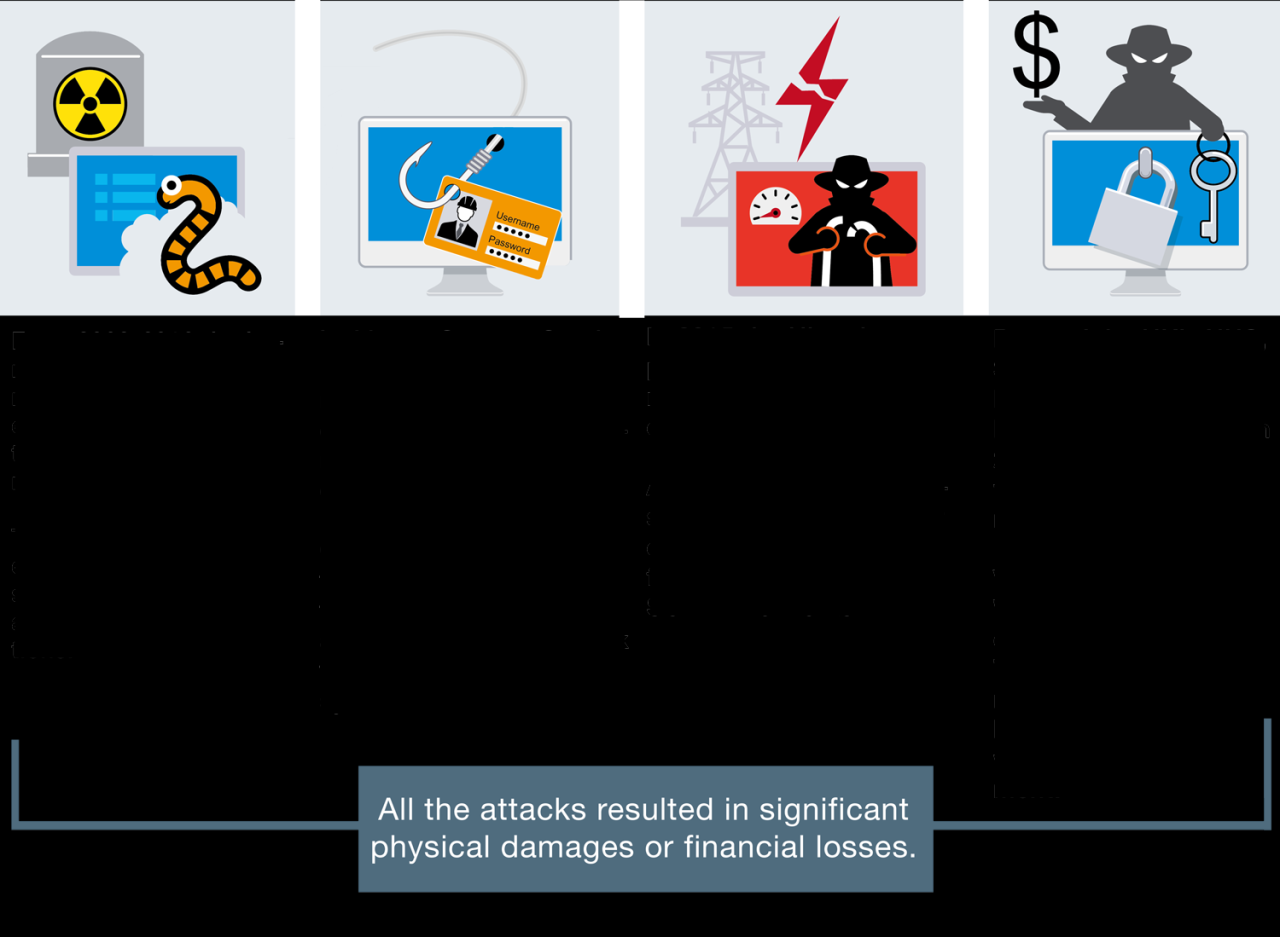
Ireland’s strategic Atlantic location, while vital for trade and connectivity, also makes it vulnerable to sophisticated cyberattacks. Understanding the potential attack vectors and likely threats is crucial for developing effective defense strategies. This analysis explores various attack methods, focusing on the specific challenges presented by Ireland’s unique position and infrastructure.
Ireland’s Atlantic position, while beautiful, makes it uniquely vulnerable to cyberattacks. This necessitates a proactive approach to cybersecurity, and that includes the urgent need for robust security measures. For instance, deploying AI Code Safety Goggles Needed Deploying AI Code Safety Goggles Needed can help developers build more secure code, ultimately protecting Ireland’s critical infrastructure from potential breaches.
This vulnerability, unfortunately, remains a critical concern, highlighting the ongoing need for vigilance in the digital age.
Potential Attack Vectors
Ireland’s reliance on interconnected digital systems, including telecommunications, energy grids, and financial institutions, exposes it to diverse cyber threats. Attackers can exploit vulnerabilities in these systems through various channels. Geographical isolation, while offering advantages, also presents a specific set of vulnerabilities that must be addressed.
- Maritime-based attacks: Given Ireland’s extensive coastline, attackers could potentially launch cyberattacks from vessels or offshore platforms. These attacks might target critical infrastructure or disrupt communications networks. For example, a compromised vessel equipped with advanced jamming technology could disrupt telecommunications services or interfere with data transmission.
- Remote Exploitation: Attackers can exploit vulnerabilities in systems through remote access. Sophisticated hacking techniques can target weaknesses in network security protocols, leading to data breaches or system disruptions. This includes phishing scams targeting employees and exploiting unpatched software.
- Supply Chain Attacks: Attackers can compromise the security of software or hardware components within the supply chain. This could involve installing malicious code or backdoors in products or services before they reach the end user, affecting numerous organizations across Ireland.
- Advanced Persistent Threats (APTs): State-sponsored or highly organized groups can employ APTs, aiming for sustained and covert access to critical infrastructure. These attacks often involve sophisticated techniques to evade detection and maintain long-term control.
Types of Cyberattacks Targeting Ireland
Ireland’s reliance on digital infrastructure makes it susceptible to a range of cyberattacks. Understanding the types of attacks that are most likely to be launched is crucial for proactive defense.
- Denial-of-Service (DoS) attacks: These attacks overwhelm network resources, disrupting service availability. Targeted DoS attacks against telecommunications networks could cripple communication systems, affecting vital services and potentially causing widespread economic disruption. For instance, a significant DoS attack on an international cable landing station could impact internet connectivity for a substantial portion of Ireland.
- Malware Infections: Malicious software can be used to gain unauthorized access to systems, steal data, or disrupt operations. Targeted malware campaigns could cripple critical infrastructure, such as the power grid or water treatment facilities. The impact of such attacks could be devastating to public safety and the economy.
- Data Breaches: Unauthorized access to sensitive data can lead to financial losses, reputational damage, and legal repercussions. Financial institutions and government agencies are particularly vulnerable to data breaches. For example, a data breach affecting a major bank could lead to widespread financial panic and loss of trust in the Irish financial sector.
Comparison of Cyberattacks on Critical Infrastructure
Various types of cyberattacks can target critical infrastructure, each with unique characteristics and impacts. A comparative analysis is essential for prioritizing defense strategies.
| Type of Attack | Characteristics | Potential Impact |
|---|---|---|
| DoS Attacks | Overwhelms network resources, disrupting service | Disruption of essential services, economic losses |
| Malware Infections | Malicious software compromises systems | Data breaches, system damage, service outages |
| Data Breaches | Unauthorized access to sensitive data | Financial losses, reputational damage, legal liabilities |
Impact of DoS Attacks on Telecommunications Networks
Denial-of-service attacks targeting Ireland’s telecommunications networks could have severe consequences. Disrupting communication channels could affect various sectors, including healthcare, emergency services, and financial transactions.
The potential impact of a sustained DoS attack on Ireland’s telecommunications infrastructure could be catastrophic, disrupting essential services and potentially causing widespread panic and economic instability.
Potential Attack Vectors, Likelihood, and Consequences
The following table provides a summary of potential attack vectors, their likelihood, and potential consequences.
| Attack Vector | Likelihood | Potential Consequences |
|---|---|---|
| Maritime-based attacks | Medium | Disrupted communications, network outages, infrastructure damage |
| Remote Exploitation | High | Data breaches, system compromise, financial losses |
| Supply Chain Attacks | Medium-High | Widespread system compromise, data breaches, service outages |
| APTs | Low | Long-term system compromise, significant data theft, disruption of critical services |
Resilience & Mitigation Strategies
Ireland’s strategic position, while vital for trade and connectivity, exposes it to heightened cyber risks. Proactive measures are crucial to build a resilient digital infrastructure and safeguard critical services. Robust mitigation strategies are not just about reacting to attacks; they’re about proactively preventing them and swiftly recovering from incidents.Strengthening Ireland’s cybersecurity posture demands a multifaceted approach, integrating technological advancements, collaborative efforts, and a commitment to continuous improvement.
A strong emphasis on resilience and mitigation strategies will ensure the nation’s digital assets remain secure and its citizens and businesses can operate safely and confidently in the digital age.
Proactive Measures for Enhanced Cyber Resilience
Ireland can bolster its cyber resilience by implementing a range of proactive measures. These include mandatory cybersecurity training for all employees across public and private sectors, establishing clear incident response plans, and implementing regular security audits and vulnerability assessments. Regular updates and patching of software are critical.
- Employee Training: Comprehensive cybersecurity training programs are essential. These should cover topics such as phishing awareness, safe password practices, and recognizing malicious software. Regular refresher courses will maintain a high level of awareness. Such training should be tailored to different roles and responsibilities within organizations.
- Incident Response Plans: Detailed and regularly tested incident response plans are vital. These plans should Artikel procedures for detecting, containing, responding to, and recovering from cyberattacks. The plan should be accessible and understandable by all relevant personnel.
- Security Audits and Vulnerability Assessments: Routine assessments are crucial to identify potential vulnerabilities in systems and networks. These assessments should be conducted regularly and involve a multi-layered approach, incorporating penetration testing, vulnerability scanning, and security audits.
- Regular Software Updates and Patching: Keeping software up-to-date with the latest security patches is a fundamental component of a strong cybersecurity posture. Automated patching systems and regular software updates should be prioritized across all systems.
Importance of Investing in Advanced Cybersecurity Technologies
Investing in advanced cybersecurity technologies is paramount for a nation’s digital security. This includes robust intrusion detection and prevention systems (IDPS), advanced threat intelligence platforms, and multi-factor authentication solutions. These measures are essential to deter attacks and effectively mitigate risks.
- Intrusion Detection and Prevention Systems (IDPS): IDPS are critical for detecting and preventing malicious activity in real-time. These systems should be deployed across all critical infrastructure, monitoring network traffic for suspicious patterns.
- Advanced Threat Intelligence Platforms: These platforms provide valuable insights into emerging threats, allowing organizations to adapt their security measures proactively. Analysis of threat intelligence data should be conducted to understand evolving tactics.
- Multi-Factor Authentication (MFA): Implementing MFA adds an extra layer of security, making it significantly harder for attackers to gain unauthorized access. It’s crucial to implement MFA across all systems and applications that handle sensitive data.
Role of Public-Private Partnerships in Developing Mitigation Strategies
Collaboration between the public and private sectors is crucial for developing effective mitigation strategies. Shared knowledge, resources, and expertise can significantly enhance Ireland’s overall cybersecurity posture. Public-private partnerships allow for the exchange of best practices and the development of tailored solutions.
Ireland’s Atlantic position makes it a prime target for cyberattacks, leaving its digital infrastructure vulnerable. This necessitates robust security measures, and thankfully, the Department of Justice Offers Safe Harbor for MA Transactions Department of Justice Offers Safe Harbor for MA Transactions is a step in the right direction. Ultimately, though, Ireland’s geographical location remains a significant cybersecurity concern.
- Knowledge Sharing and Best Practices: Sharing information about threats and vulnerabilities between public and private organizations fosters a collective understanding of emerging cyber risks. This shared knowledge can lead to faster identification and response.
- Joint Resource Allocation: Public-private partnerships can optimize resource allocation by combining public funding with private sector expertise. This approach can provide a comprehensive strategy.
- Tailored Solutions: Partnerships allow for the development of tailored solutions to address specific industry needs. A public-private approach can provide the necessary tools to support businesses with unique cybersecurity needs.
Strategies for Improving Response Times to Cyberattacks
Efficient response times are critical to minimizing the impact of cyberattacks. Implementing a well-defined incident response plan, establishing clear communication channels, and having a dedicated incident response team are crucial elements. Collaboration and information sharing are key to improving response times.
- Well-Defined Incident Response Plans: A well-defined incident response plan is a crucial step in reducing response times. Regular drills and testing are necessary to ensure that personnel are familiar with the processes.
- Clear Communication Channels: Establishing clear communication channels between different teams and stakeholders is essential. This ensures that information is shared promptly and accurately.
- Dedicated Incident Response Team: Having a dedicated team specializing in incident response can significantly improve response times and efficiency. This dedicated team should have the necessary resources to deal with incidents.
Resilience Strategies Summary
| Strategy | Description | Potential Effectiveness |
|---|---|---|
| Employee Training | Mandatory cybersecurity training for all employees | High – Increases awareness and reduces human error |
| Incident Response Plans | Detailed and regularly tested incident response plans | High – Facilitates quick and organized response |
| Security Audits | Regular security audits and vulnerability assessments | Medium – Identifies weaknesses before exploitation |
| Advanced Technologies | Investment in intrusion detection, threat intelligence, and MFA | High – Improves detection and mitigation capabilities |
| Public-Private Partnerships | Collaboration between public and private sectors | High – Leverages combined resources and expertise |
| Improved Response Times | Dedicated teams, clear communication, and well-defined plans | High – Minimizes impact and damage |
Case Studies & Analysis
Ireland’s strategic location makes it a tempting target for cyberattacks. Understanding how other nations with similar vulnerabilities have fared in the past offers valuable lessons for developing effective mitigation strategies. Examining successful defenses and the failures of others allows for a proactive approach to bolstering Ireland’s cybersecurity posture.
Case Studies of Similar Geographical Vulnerabilities
Countries with maritime or interconnected infrastructure, similar to Ireland’s, often face unique cyber threats. These threats exploit the potential weaknesses of geographically dispersed systems and critical infrastructure. Examining these cases offers valuable insight into the types of attacks and vulnerabilities to anticipate.
Examples of Successful Mitigation Strategies
Several countries have implemented successful strategies to mitigate cyber threats. These range from robust legal frameworks and international cooperation to enhanced cybersecurity infrastructure and public-private partnerships. Examining these successful models is critical to informing Ireland’s own approach.
Lessons Learned from Case Studies Applicable to Ireland
The case studies highlight common vulnerabilities and successful mitigation strategies. Lessons learned include the importance of proactive threat intelligence, the necessity of incident response plans, and the significance of public-private partnerships in enhancing national cybersecurity. These learnings offer valuable insights for developing specific strategies relevant to Ireland’s unique situation.
Comparison of Mitigation Strategies
Different countries have adopted various strategies to bolster their cybersecurity. Some prioritize advanced technologies, while others emphasize strong regulatory frameworks or extensive public awareness campaigns. A comparative analysis of these approaches can help Ireland identify the most suitable strategies for its context and needs.
Summary Table of Case Studies
| Case Study | Impact | Mitigation Strategies | Lessons Learned |
|---|---|---|---|
| Estonia Cyberattacks (2007) | Massive disruption of government services, financial institutions, and media outlets. | Improved cybersecurity infrastructure, developed incident response plans, and fostered international cooperation. | Proactive threat intelligence and incident response plans are essential. Robust collaboration between government and private sectors is crucial. |
| Ukraine’s Ongoing Cyberwar (2014-Present) | Frequent attacks targeting critical infrastructure, energy grids, and financial institutions. | Focus on enhancing the resilience of critical infrastructure, developing robust cybersecurity protocols, and bolstering international cooperation. | Vulnerabilities in critical infrastructure need specific attention. Resilience and redundancy are vital for preventing cascading failures. |
| Critical Infrastructure Attacks in the UK | Specific attacks against water and energy grids. | Enhanced security measures for critical infrastructure, increased collaboration between government and private sectors, and investment in advanced technologies. | Vulnerability assessments and risk mitigation strategies for critical infrastructure are essential. Investment in advanced technologies is critical. |
Economic Impact: Irelands Atlantic Position Makes It Most Vulnerable To Cyber Attacks
Ireland’s robust economy, heavily reliant on specific sectors, makes it particularly vulnerable to the cascading effects of a major cyberattack. A significant disruption to critical infrastructure, whether intentional or accidental, could have devastating consequences, impacting not only the immediate victims but also the broader economy and public trust. The interconnected nature of modern systems means that failures in one area can rapidly spread, triggering widespread economic fallout.
Potential Economic Consequences
A substantial cyberattack on Ireland’s infrastructure could trigger a cascade of economic repercussions. These include immediate financial losses, disruption of supply chains, and damage to the country’s reputation as a reliable business partner. The long-term effects could include decreased foreign investment, reduced economic growth, and potentially, a decline in overall prosperity. The intangible costs, such as loss of consumer confidence and damage to brand reputation, are equally significant and difficult to quantify.
Impact on Critical Sectors
The impact of a cyberattack would be felt acutely in key sectors. The financial sector, with its reliance on digital systems for transactions and operations, would be particularly susceptible to crippling disruptions. Healthcare, with its critical infrastructure and sensitive patient data, would face challenges in maintaining essential services. Transportation, a vital component of the economy, could be significantly impacted by disruptions to communication and logistics.
In each case, the attack would disrupt operations, potentially leading to service outages, financial losses, and loss of public trust.
Supply Chain Disruptions
Cyberattacks targeting critical infrastructure could have significant repercussions throughout the supply chain. Disruptions to manufacturing, transportation, and logistics would lead to delays, shortages, and potential production halts. Businesses reliant on these processes would experience financial losses, potentially forcing closures or significant restructuring. For example, a cyberattack on a port authority could lead to widespread delays in import and export activities, affecting businesses that rely on these vital supply routes.
Financial Costs of Response and Recovery
The financial costs associated with responding to and recovering from a cyberattack are substantial. These costs encompass not only the direct damages, such as data recovery and system restoration, but also indirect costs like lost productivity, legal fees, and reputational damage. Businesses and governments alike need robust incident response plans and readily available resources to minimize these financial losses.
Furthermore, the cost of preventative measures, including enhanced security infrastructure and staff training, must be factored into the overall picture.
Potential Economic Losses by Sector, Irelands atlantic position makes it most vulnerable to cyber attacks
| Sector | Type of Attack | Potential Economic Loss (Estimated in Millions of Euros) |
|---|---|---|
| Finance | Ransomware | €500-€1,000 |
| Finance | Data Breach | €200-€500 |
| Healthcare | Data Breach | €100-€300 |
| Healthcare | Disruption of services | €50-€150 |
| Transportation | Network Disruption | €200-€400 |
| Transportation | Supply Chain Disruption | €100-€200 |
Note: These figures are estimates and can vary significantly based on the scale and sophistication of the attack.
International Cooperation
Cyberattacks transcend national borders, making international cooperation crucial for effective defense. A unified approach, sharing intelligence, and developing joint strategies are essential to combat the evolving threat landscape. This collaborative spirit fosters resilience and mitigates the impact of attacks on individual nations and the global community.
Importance of International Collaboration
International collaboration is vital in addressing cyber threats due to the interconnected nature of the digital world. Cyberattacks often originate from or target multiple countries, requiring a coordinated response. Sharing threat intelligence, best practices, and resources across borders strengthens collective defenses. Joint development of security standards and protocols ensures a consistent approach to cybersecurity across different jurisdictions.
Examples of Successful International Partnerships
Several successful international partnerships in cybersecurity have demonstrated the effectiveness of collaboration. The European Union’s Network and Information Security (NIS) Directive is a prime example of a framework for cooperation among member states. Similarly, initiatives like the Budapest Convention on Cybercrime foster legal cooperation and the exchange of information on cybercrime. The cooperation between the US and other nations on investigating and responding to major cyber incidents exemplifies a global approach to tackling cyber threats.
Potential Areas for Future Cooperation among European Nations
Future cooperation among European nations could focus on strengthening cybersecurity infrastructure across the continent. Harmonizing national cybersecurity strategies and developing joint incident response mechanisms would enhance overall resilience. Collaboration in training and education programs for cybersecurity professionals could also improve the collective expertise.
How International Standards Enhance Cybersecurity
International cybersecurity standards establish consistent guidelines and best practices. These standards help to mitigate vulnerabilities and enhance the security of digital systems. Compliance with international standards ensures a baseline level of security, making systems more resistant to attacks. For example, the ISO/IEC 27000 series of standards provides a globally recognized framework for managing information security risks.
Existing International Cybersecurity Agreements and Collaborations
| Agreement/Collaboration | Description | Key Participating Nations/Organizations |
|---|---|---|
| Budapest Convention on Cybercrime | International treaty addressing cybercrime, facilitating cooperation in investigating and prosecuting cyber offenses. | Various nations worldwide, including many European countries |
| NATO Cooperative Cyber Defence Centre of Excellence (CCDCOE) | Provides a platform for sharing information, best practices, and resources on cyber defense for member states. | NATO member countries |
| EU NIS Directive | Establishes minimum security requirements for critical infrastructure in EU member states, encouraging cooperation and information sharing. | EU member states |
| UN Group of Governmental Experts on Developments in the Field of Information and Telecommunications in the Context of International Security (GGE) | Addresses the challenges of cybersecurity in the context of international security, promoting dialogue and information exchange. | UN member states |
Closure
In conclusion, Ireland’s Atlantic position demands a comprehensive and proactive approach to cybersecurity. This blog post has highlighted the unique vulnerabilities arising from its geographic isolation and Artikeld potential strategies for mitigation. From bolstering infrastructure to fostering international cooperation, the need for vigilance and adaptation is paramount. By understanding the potential risks and implementing robust defense mechanisms, Ireland can safeguard its critical infrastructure and maintain its economic stability in the face of evolving cyber threats.
Essential FAQs
What specific sectors in Ireland are most vulnerable to cyberattacks?
Critical sectors like finance, healthcare, and transportation are particularly vulnerable due to their reliance on interconnected systems and sensitive data. Disruptions in these sectors could have wide-ranging economic and societal impacts.
How does Ireland’s reliance on international supply chains increase its vulnerability?
Ireland’s reliance on international supply chains introduces potential points of vulnerability, as attacks on suppliers or partners could disrupt critical services and infrastructure. Stronger supply chain security measures are crucial.
What role does international cooperation play in Ireland’s cybersecurity posture?
International cooperation is vital in sharing threat intelligence, best practices, and resources. Collaboration with other European nations and international organizations can significantly strengthen Ireland’s overall cybersecurity posture.
What are some proactive measures Ireland can take to improve its cyber resilience?
Proactive measures include investing in advanced cybersecurity technologies, enhancing incident response capabilities, and promoting cybersecurity awareness among employees and citizens. Regularly updating security protocols and systems is also crucial.