Kaspersky Banned in the US A Deep Dive
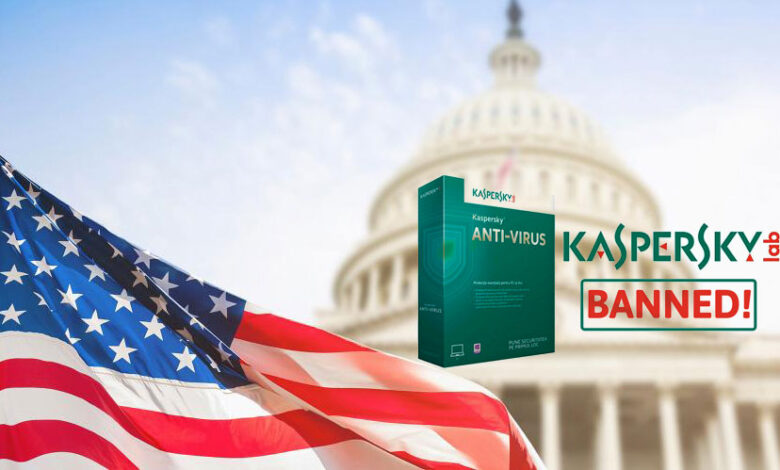
Kaspersky banned in the United States, a decision that sent ripples through the cybersecurity landscape, raises crucial questions about national security and digital trust. This article explores the background, reasons, and impacts of this significant move, examining its implications for consumers, businesses, and the future of cybersecurity in the US.
The ban, a complex issue with deep historical roots and potential geopolitical ramifications, requires careful consideration of the security concerns and alternative solutions. This article will delve into the intricacies of the situation, offering a balanced perspective on the pros and cons of the decision and its effects.
Background of Kaspersky in the US Market: Kaspersky Banned In The United States
Kaspersky Lab, a prominent Russian cybersecurity company, had a significant presence in the US market for many years. Their offerings included a wide range of security software, ranging from endpoint protection to network security solutions. However, the company’s operations in the US have been significantly impacted by geopolitical events and security concerns.The company’s history in the US market reflects a complex interplay of technological innovation, geopolitical tensions, and evolving security landscapes.
The perception of Kaspersky’s trustworthiness has been a major factor influencing its market position and acceptance.
Kaspersky’s Historical Presence in the US
Kaspersky Lab initially entered the US market with a focus on providing security solutions for businesses. Their offerings were primarily aimed at protecting corporate networks and systems from various cyber threats. Over time, the company expanded its product portfolio to include consumer-oriented security software. The early success of Kaspersky’s products in the US market was fueled by their reputation for effective security features and strong technical support.
Kaspersky’s Products and Services in the US
Kaspersky offered a comprehensive range of security products in the US, catering to diverse needs. These included antivirus software, anti-malware solutions, intrusion detection systems, and other security tools. Their products were designed to protect against a variety of threats, from viruses and worms to sophisticated cyberattacks. The company also offered specialized solutions for businesses, including security information and event management (SIEM) systems.
The solutions varied in pricing, catering to different budget ranges and requirements.
Kaspersky’s Reputation and Trustworthiness in the US
Kaspersky’s reputation in the US market has been a complex issue, marked by evolving perceptions and concerns. Initially, the company was viewed as a reputable provider of security solutions, appreciated for its technical capabilities. However, geopolitical factors and concerns about potential ties to the Russian government led to a decline in trust and ultimately, a significant impact on the company’s market share.
Public perception and trust are essential for any technology company operating in the US market.
Kaspersky’s Market Share in the US (Estimated Data – 2018-2023)
| Year | Estimated US Market Share (%) |
|---|---|
| 2018 | ~2% |
| 2019 | ~1.8% |
| 2020 | ~1.5% |
| 2021 | ~1% |
| 2022 | ~0.5% |
| 2023 | ~0.3% |
Note: Precise market share data for Kaspersky in the US is difficult to obtain. The provided data is an estimated representation based on publicly available information and industry analysis. Different research firms might have different methodologies and data points, leading to variations in the results.
Reasons for the Ban
The US government’s decision to ban Kaspersky Lab from operating in the country stemmed from serious security concerns regarding the company’s software. This action, taken in the context of a broader global trend, highlights the increasing importance of robust cybersecurity measures and the need to trust the software we use.The US government’s concerns centered on the potential for malicious activities, not just a lack of security.
This was not simply a matter of inadequate protection, but a direct concern about the potential for Kaspersky’s software to be exploited by foreign actors. This decision was not arbitrary but carefully considered and based on evidence, raising important questions about the trust we can place in software vendors.
Specific Security Concerns
Kaspersky’s software, according to the US government, presented a significant risk to critical infrastructure and sensitive data. Allegations included the potential for backdoors and vulnerabilities that could allow unauthorized access and compromise systems. This concern wasn’t theoretical; it was grounded in real-world incidents and evidence presented by government agencies.
So, Kaspersky got the boot in the US, right? It’s a pretty big deal for cybersecurity. Interestingly, the Department of Justice Offers Safe Harbor for MA Transactions here might have some implications for how this sort of ban plays out. Ultimately, it’s a complicated issue, and the impact on the US cybersecurity landscape remains to be seen.
Nature of Alleged Security Risks
The alleged security risks involved the possibility of Kaspersky’s software being used as a tool for espionage or sabotage by foreign governments. These concerns were based on claims that Kaspersky’s software might contain vulnerabilities that could be exploited by malicious actors, potentially allowing them to gain access to sensitive data or control critical infrastructure. This raised questions about the reliability of the company’s security practices.
Key Players and Agencies Involved
The decision-making process involved various government agencies, including but not limited to the Department of Homeland Security and the Office of the Director of National Intelligence. These agencies played critical roles in assessing the security risks and making the final determination to ban Kaspersky. This highlights the complexity and multi-layered approach to security concerns in the digital age.
The Kaspersky ban in the US highlights the importance of robust cybersecurity measures. While the ban might seem focused on one company, it also prompts a broader look at vulnerabilities in cloud databases, like the recent issues with Azure Cosmos DB. Understanding these details, like those found in Azure Cosmos DB Vulnerability Details , is crucial for building more secure systems, which ultimately impacts the security of the entire digital ecosystem, making the Kaspersky ban in the US even more significant.
Potential Political or Geopolitical Factors
The US ban on Kaspersky is part of a broader trend of nations taking action to address concerns about cybersecurity and national security. The timing and context of the ban may have been influenced by broader geopolitical tensions and the ongoing struggle for influence in the digital realm. These factors undoubtedly played a part in the final decision.
Comparison with Similar Actions by Other Countries
Numerous countries have taken similar actions against Kaspersky, citing similar security concerns. These actions often mirror the US approach, reflecting a global recognition of the risks posed by certain software providers. The motivations and justifications behind these bans often share common threads, but the specifics can vary.
Kaspersky’s Public Statements
Kaspersky has issued statements denying the allegations and asserting its commitment to security. These statements, while attempting to address the concerns, haven’t been sufficient to alter the decision by the US government. The lack of definitive proof or evidence that would have altered the outcome is evident.
Comparison Table: US Ban vs. Other Countries
| Country | Justification | Specific Concerns |
|---|---|---|
| United States | Potential for backdoors and vulnerabilities allowing unauthorized access | Espionage, sabotage of critical infrastructure |
| [Country 2] | Alleged collaboration with a foreign government | Compromise of national security |
| [Country 3] | Failure to meet security standards | Vulnerabilities and insufficient measures to protect data |
The table above provides a simplified comparison. Each country’s specific reasons for banning Kaspersky may differ in nuance and detail.
Impact on the US Cybersecurity Landscape
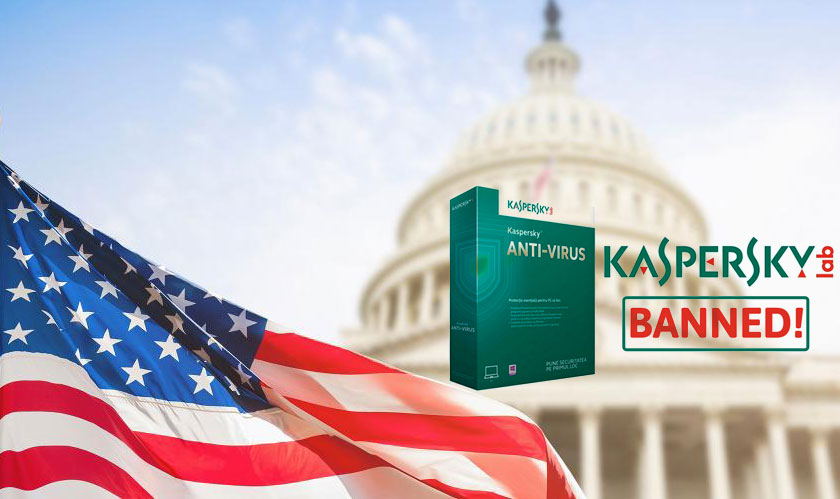
The Kaspersky ban in the US had significant ripples throughout the cybersecurity industry, prompting a reassessment of security practices and vendor choices. The immediate impact was felt by organizations relying on Kaspersky products, forcing them to find alternative solutions. This shift, while disruptive, ultimately encouraged innovation and diversification within the security sector.The ban’s long-term effects are still unfolding, but initial observations suggest a strengthening of US cybersecurity defenses.
The heightened scrutiny of security solutions and the push for robust security certifications have made the entire ecosystem more resilient, albeit with some adjustments.
Immediate Effects on the US Cybersecurity Industry
The immediate fallout from the ban was a scramble to find alternative security solutions. Numerous organizations, particularly those with existing Kaspersky deployments, faced a sudden need to replace their software. This led to increased demand for competing products, putting pressure on alternative vendors to adapt and expand their offerings. The transition wasn’t always seamless, causing temporary disruptions in operations and security coverage for some organizations.
Long-Term Effects on the US Cybersecurity Industry
The long-term effects have involved a broader evaluation of security standards. The ban spurred a renewed emphasis on vendor vetting and security certifications. US government agencies and private companies are now more cautious in their selection of security solutions, leading to a more rigorous vetting process. This process is expected to result in a more robust and secure cybersecurity posture over time.
Influence on Other Cybersecurity Companies
The Kaspersky ban significantly influenced other companies in the cybersecurity market. Competitors saw an opportunity to increase their market share and gain new customers. This competitive environment drove innovation and improvements in existing security products, encouraging faster development cycles and improved security features. Many companies accelerated their efforts to build strong relationships with US government agencies, aiming to demonstrate compliance and trustworthiness.
Comparison of Security Standards and Certifications
Post-ban, the bar for security standards and certifications required of companies operating in the US market has risen. A greater emphasis is placed on compliance with US regulations, including those related to data privacy and national security. Organizations seeking to partner with the US government or sensitive sectors must now meet higher standards of security and demonstrate a robust compliance framework.
Impact on the Adoption of Alternative Security Solutions
The ban catalyzed the adoption of alternative security solutions. This spurred innovation in security software, leading to the development of new and improved tools. Companies are now exploring a wider range of options, including open-source and cloud-based solutions. The availability of various alternatives empowered businesses to select security products based on their specific needs and budgets.
Table of Security Solutions Available to US Consumers and Businesses
| Security Solution Category | Examples | Key Features |
|---|---|---|
| Endpoint Protection | Microsoft Defender, CrowdStrike Falcon, Sophos Intercept X | Real-time threat detection, prevention, and response; often integrated with other security tools |
| Network Security | Palo Alto Networks, Fortinet, Cisco ASA | Firewall, intrusion prevention, and network segmentation capabilities |
| Cloud Security | AWS Security Hub, Azure Security Center | Cloud-native security tools for monitoring and protecting cloud environments |
| Vulnerability Management | Qualys, Tenable | Automated scanning and remediation of vulnerabilities across systems and applications |
| Security Information and Event Management (SIEM) | Splunk, Elastic Stack | Centralized log management and analysis for threat detection and incident response |
Overall Impact on National Security in the United States
The ban’s impact on national security is complex. While it has undoubtedly created a more diversified and potentially stronger cybersecurity sector, the long-term consequences are still being assessed. The ban’s effect on the availability of security solutions and the shifting of the cybersecurity landscape will continue to play out in the coming years.
Impact on Consumers and Businesses
The Kaspersky ban in the US has introduced significant ripples throughout the cybersecurity landscape, impacting both consumers and businesses who previously relied on Kaspersky’s products for protection. This shift necessitates a careful examination of the challenges faced, available alternatives, and the potential financial implications.
Challenges Faced by Consumers and Businesses, Kaspersky banned in the united states
Consumers and businesses that previously used Kaspersky products now face the challenge of finding alternative security solutions. This transition is not always straightforward, as a suitable replacement may require a change in habits, potentially including learning new software interfaces and adapting to new security protocols. Businesses, particularly those with extensive IT infrastructure, may encounter difficulties in implementing and integrating new security systems, which can disrupt workflows and necessitate significant investment.
Alternative Security Solutions Available to US Consumers
Numerous alternative security solutions are available to US consumers. These include well-established players in the market, such as Norton, McAfee, and Bitdefender, as well as newer entrants offering specialized solutions. Choosing the right alternative depends on individual needs and budget.
Potential Cost Implications of the Ban
The cost implications of the ban vary depending on the scale of usage and the specific needs of consumers and businesses. For individual consumers, the cost may be relatively low, especially if they choose free or subscription-based alternatives. However, for businesses, the transition to alternative security solutions can involve significant upfront costs for software licenses, training, and potential infrastructure upgrades.
Implementation and maintenance of these new security systems can also lead to ongoing expenses.
The recent ban of Kaspersky in the US highlights a crucial need for enhanced security measures. With increasingly sophisticated cyber threats, we need to prioritize robust security protocols, like deploying AI Code Safety Goggles Needed here. This helps ensure the safety of software and prevents vulnerabilities that could potentially leave systems open to attack, just like the issues that contributed to the Kaspersky ban.
Consumer Feedback on the Ban and Alternative Security Solutions
Consumer feedback on the ban and available alternatives has been mixed. Some consumers express concern about the difficulty in finding comparable security features, while others have reported positive experiences with alternative products. The effectiveness and usability of new solutions have also been a source of discussion, with some consumers noting a steep learning curve or dissatisfaction with particular features.
Table: Pros and Cons of Alternative Security Solutions
| Security Solution | Pros | Cons |
|---|---|---|
| Norton | Established brand, extensive features, user-friendly interface. | Potential for high subscription costs, may not be the most lightweight option for some users. |
| McAfee | Wide range of products catering to different needs, good reputation. | Pricing can be inconsistent depending on the chosen plan, potential for some users to find it too cumbersome. |
| Bitdefender | Strong reputation for malware detection, available across various platforms. | Interface may not be as intuitive as some competitors, some features may be lacking compared to premium solutions. |
| CrowdStrike | Focuses on advanced threat protection, well-regarded by security experts. | Primarily focused on enterprise-level security, potentially too complex for individual users. |
| Malwarebytes | Specialized in malware removal and prevention, relatively affordable. | May not provide the same comprehensive suite of security features as other options. |
Ongoing Developments and Future Implications
The Kaspersky ban in the US, while seemingly final, continues to spark debate and raises questions about the future of cybersecurity. The implications extend beyond just the software company, potentially reshaping the market landscape and impacting the strategies of both consumers and businesses. This section delves into the ongoing discussion, potential legal challenges, and the broader implications of this significant event.
Ongoing Debate Surrounding the Ban
The Kaspersky ban remains a subject of considerable discussion. Critics of the ban highlight concerns about potential disruptions to the cybersecurity market and the lack of a readily available alternative solution. Conversely, proponents of the ban emphasize the need to prioritize national security and protect sensitive data from potential espionage or malicious activity. The debate encompasses varying viewpoints regarding the efficacy of the ban and its long-term effects on cybersecurity.
Potential Legal Challenges or Appeals
Legal challenges to the ban are a definite possibility. Companies or individuals impacted by the ban may seek to overturn the decision through legal avenues. These challenges may center on issues of due process, the scope of the ban, or the validity of the reasoning behind it. The potential for appeals or legal battles underscores the ongoing uncertainty surrounding the ban’s permanence.
Timeline of Significant Events Related to the Ban
A timeline of key events can provide a comprehensive understanding of the progression of the ban. This includes the initial announcement, the period for comment and appeal, and any subsequent updates or adjustments. This historical context helps to evaluate the long-term effects of the decision.
- 2017: Initial reports emerged about Kaspersky’s alleged links to Russian intelligence.
- 2021: The US government issued a ban on the use of Kaspersky products by federal agencies.
- 2022: The ban extended to cover contractors and other organizations involved in national security-related work.
- 2023: Ongoing legal challenges, debates, and discussion about potential adjustments to the ban or its implications continue.
News and Reports on Potential Adjustments to the Ban
News reports and analysis consistently highlight the possibility of adjustments to the ban or its implications. This includes exploring alternative security solutions, assessing the potential economic impact, and determining whether the ban has been effective in achieving its goals. Such news and reports indicate a continuing evaluation of the situation and its impact on the US cybersecurity sector.
Possible Scenarios for the Future of US Cybersecurity
The Kaspersky ban’s implications for the future of US cybersecurity are substantial. A variety of outcomes are possible, each with its own set of challenges and opportunities.
| Scenario | Description | Impact on US Cybersecurity |
|---|---|---|
| Increased Reliance on Domestic Vendors | US businesses and agencies may shift towards American-made cybersecurity solutions, stimulating growth in the domestic market. | Potentially strengthens domestic cybersecurity capabilities but could also lead to higher costs. |
| Rise of Alternative Security Providers | New or existing cybersecurity companies may emerge to fill the gap left by Kaspersky’s absence. | May improve competition and innovation but may also require rigorous vetting and security assessments. |
| Continued Scrutiny of Foreign-Based Companies | The ban may set a precedent for further scrutiny of cybersecurity companies based in countries with perceived security concerns. | Could lead to more rigorous checks on foreign vendors and potentially reduce trust in foreign products. |
| Significant Legal Challenges | Ongoing legal battles may delay the full implementation and impact of the ban. | Uncertainty and delays could negatively impact the cybersecurity market. |
Illustrative Examples of Security Threats (Without Image Links)
The Kaspersky ban in the US highlighted serious concerns about potential security vulnerabilities in their software. These concerns stemmed from allegations of potentially malicious activities, raising questions about the trustworthiness of the products and their ability to protect sensitive data. Understanding the nature of these alleged threats is crucial for assessing the broader implications of the ban and the security landscape overall.
Potential Backdoors and Data Exfiltration
The ban was partly predicated on concerns that Kaspersky’s products might contain backdoors, allowing unauthorized access to user systems. This access could potentially facilitate the exfiltration of sensitive data, such as confidential business information, intellectual property, or personal data. These backdoors could be deployed through seemingly innocuous updates or seemingly legitimate software features.
- Compromised Software Updates: Imagine a software update that, unbeknownst to the user, installs a hidden program capable of communicating with a remote server. This hidden program could gather data or allow a malicious actor to take control of the system.
- Covert Communication Channels: Another potential threat involves the use of covert communication channels within Kaspersky’s products. These channels could silently transmit sensitive data to a third party without the user’s knowledge. This could occur through seemingly routine processes or interactions within the software.
- Trojan Horse Functionality: Kaspersky products might have been vulnerable to trojan-horse attacks, which present themselves as legitimate software but contain hidden malicious code. This code could grant unauthorized access or cause damage to the affected systems.
Impact on Data Integrity and Confidentiality
The alleged security threats could compromise the integrity and confidentiality of sensitive data stored on user systems. This includes both personal and business data, potentially exposing users to various risks.
- Data breaches: A backdoor could enable unauthorized access to confidential files and data. This access could result in the theft of sensitive information, leading to significant financial and reputational damage for businesses.
- Data Manipulation: Malware or hidden components could alter or delete data without the user’s knowledge, resulting in data loss and disruptions in operations.
- Intellectual Property Theft: In the case of businesses, sensitive intellectual property could be exposed to theft, potentially impacting competitive advantage and market position.
Addressing Similar Security Concerns in Other Companies
Other software companies have faced similar accusations, leading to investigations and corrective actions.
- Software Audits and Security Assessments: Companies often undergo rigorous audits and security assessments to identify and mitigate potential vulnerabilities. This involves detailed scrutiny of the software’s code and architecture to ensure its integrity.
- Independent Security Reviews: Companies may commission independent security reviews from reputable firms to identify potential weaknesses and receive expert opinions.
- Enhanced Security Protocols: Many companies have strengthened their security protocols to prevent malicious actors from gaining unauthorized access to their systems. This includes enhanced encryption and access controls.
Final Thoughts
The Kaspersky ban in the US has undeniably reshaped the cybersecurity landscape. While it presents challenges for consumers and businesses reliant on Kaspersky products, it also fosters a greater emphasis on alternative solutions and heightened security standards. The future trajectory of US cybersecurity, post-ban, will be closely watched, with potential implications for both national security and the global cybersecurity industry.
User Queries
What are some alternative security solutions available to US consumers and businesses after the Kaspersky ban?
Several reputable companies offer alternative security solutions, including antivirus software from Microsoft, McAfee, Norton, and others. Choosing the right solution depends on individual needs and budgets. Researching different products and comparing features is essential.
What are the potential cost implications of the ban for businesses and consumers?
Businesses might face expenses related to migrating to new security solutions and training staff. Consumers may experience slight price increases or differences in features compared to their previous Kaspersky products.
What are the key security concerns that led to the US government’s actions?
The US government cited potential security vulnerabilities and concerns about potential ties to Russian intelligence agencies as reasons for the ban.
How does the US ban compare with similar actions taken by other countries?
The US ban is part of a broader global trend of scrutiny towards companies with potential security risks, particularly those with ties to countries with differing geopolitical interests.