Intel Invests in Cloud Security and Data Storage Startups
Intel invests in cloud security and data storage startups, signaling a significant move into the rapidly evolving digital landscape. This strategic investment showcases Intel’s commitment to staying ahead of the curve in a sector crucial for the future of technology. The investments are focused on innovative startups developing cutting-edge solutions, hinting at a potential shift in the competitive landscape.
Intel’s diverse portfolio of investments across the cloud security and data storage sectors promises to be a game-changer.
Intel’s investment strategy reflects a proactive approach to leveraging emerging technologies. They’re not just looking at acquiring established companies, but are actively supporting startups with the potential to disrupt the market. This approach suggests a long-term vision for Intel, one that prioritizes innovation and anticipates future demands. By partnering with these startups, Intel can gain access to cutting-edge solutions and potentially build a stronger position in the cloud computing space.
Overview of Intel’s Investment Strategy
Intel’s recent foray into cloud security and data storage startups signifies a strategic shift towards a more comprehensive technology ecosystem. This move positions Intel to not only capitalize on the burgeoning demand for these services but also to leverage its existing hardware expertise to enhance its offerings. The investments highlight a broader commitment to solidifying its presence in the cloud computing landscape.Intel’s investments are not isolated events; they represent a calculated strategy aimed at strengthening its position in the rapidly evolving tech sector.
The company is seeking to leverage the expertise of emerging startups to complement its existing portfolio and provide more comprehensive solutions to its customers. This multifaceted approach suggests a long-term vision for Intel in the cloud computing era.
Intel’s Investments in Cloud Security Startups
Intel’s investments in cloud security startups are focused on solutions that address the growing need for robust security measures in the cloud environment. These solutions are designed to enhance the overall security posture of cloud infrastructure and applications, addressing vulnerabilities and threats effectively. These investments reflect Intel’s recognition of the critical role security plays in the success of cloud-based services.
- Intel has invested in startups developing advanced threat detection and prevention systems. These solutions often leverage machine learning and artificial intelligence to identify and respond to emerging threats more effectively than traditional security methods.
- The company has also backed startups focusing on secure data encryption and access control within cloud environments. These technologies protect sensitive data from unauthorized access and maintain compliance with evolving regulatory standards. This demonstrates Intel’s commitment to data security and regulatory compliance.
Intel’s Investments in Data Storage Startups
Intel’s investments in data storage startups reflect its recognition of the importance of efficient and scalable storage solutions for cloud services. These investments aim to enhance data management and access within cloud environments. Intel’s investment in these technologies is likely influenced by its existing expertise in semiconductor technology and its desire to provide comprehensive solutions.
Intel’s recent investment in cloud security and data storage startups is a smart move, given the increasing need for robust digital protection. This aligns nicely with the Department of Justice’s recent safe harbor policy for Massachusetts transactions, Department of Justice Offers Safe Harbor for MA Transactions , which aims to streamline legal processes. Ultimately, these moves bolster the future of secure data handling in the cloud, ensuring smooth operations for businesses and consumers alike.
- Intel has supported startups developing innovative storage technologies that offer high performance and scalability. These technologies are designed to handle the increasing volume and velocity of data generated in cloud environments. This highlights Intel’s commitment to technological advancement in the field of data storage.
- These investments often include startups focusing on new storage architectures, such as solid-state drives (SSDs) and non-volatile memory express (NVMe) technology. This suggests a strategy to integrate its hardware expertise with software solutions to create more effective and efficient data storage systems.
Potential Strategic Motivations Behind Intel’s Investments
Intel’s investment strategy in cloud security and data storage startups is driven by a number of strategic motivations. These include enhancing its product portfolio, establishing strategic partnerships, and staying competitive in a rapidly evolving market. The investments are likely viewed as essential to bolster Intel’s position in the future of computing.
- One major motivation is to broaden its product portfolio to include cloud-based solutions. This move allows Intel to provide more comprehensive offerings to its customers and cater to the growing demand for cloud services. This is a crucial aspect of staying relevant in the tech industry.
- Intel is also likely seeking to establish strategic partnerships with these startups. This can lead to joint ventures, co-development efforts, and the potential for cross-licensing agreements. Such collaborations can bring valuable expertise and technologies to Intel’s product pipeline.
Comparison with Other Tech Giants
Intel’s approach to investing in cloud security and data storage startups differs slightly from other tech giants. While companies like Amazon Web Services (AWS) and Microsoft Azure have extensive in-house development teams for these areas, Intel’s strategy focuses on strategic partnerships and acquisitions to complement its existing expertise. This approach allows Intel to remain agile and adaptable to market trends while leveraging the innovations of external companies.
| Tech Giant | Investment Strategy |
|---|---|
| Intel | Focuses on strategic partnerships and acquisitions to complement existing expertise |
| AWS | Develops and integrates cloud security and data storage solutions internally |
| Microsoft Azure | Develops and integrates cloud security and data storage solutions internally |
Chronological Overview of Intel’s Investments
A chronological review of Intel’s investments reveals a steady increase in focus on cloud-related technologies. Early investments may have been more exploratory, while later investments show a clear commitment to becoming a significant player in the cloud market. This pattern suggests a gradual evolution of Intel’s strategy.
Impact on the Cloud Security Market
Intel’s recent investments in cloud security and data storage startups signal a significant shift in the industry’s competitive landscape. These investments, strategically aligned with Intel’s broader technological capabilities, are poised to impact not only the immediate future of cloud security but also its long-term evolution. Intel’s deep roots in hardware and its growing expertise in software solutions create a unique position to influence the market’s trajectory.These investments are a response to growing demand for robust and reliable cloud security solutions.
Intel’s investment in cloud security and data storage startups is a smart move, especially considering the increasing need for robust solutions. As cloud adoption skyrockets, securing sensitive data becomes paramount. This necessitates a strong focus on AI-driven security measures, like those discussed in Deploying AI Code Safety Goggles Needed , which are crucial for identifying and mitigating vulnerabilities.
Ultimately, Intel’s investment in these areas is crucial for the continued growth and stability of cloud-based services.
Cloud adoption continues to accelerate, driving the need for advanced security measures to protect sensitive data and maintain user trust. Intel’s investments address this need by supporting startups with the potential to develop innovative and scalable solutions.
Key Trends in Cloud Security and Data Storage
The cloud security landscape is evolving rapidly, driven by several key trends. These include the increasing sophistication of cyberattacks, the growing volume of data stored in the cloud, and the need for greater data privacy and compliance. The rise of serverless computing and edge computing further complicates security challenges, demanding innovative solutions to protect data throughout its lifecycle.
Intel’s recent investments in cloud security and data storage startups are smart moves, considering the increasing need for robust solutions. A recent vulnerability in Microsoft Azure Cosmos DB, detailed in Azure Cosmos DB Vulnerability Details , highlights the critical importance of ongoing security research and development. This underscores the need for companies like Intel to continue supporting innovative solutions in this field.
Moreover, the need for security that adapts to dynamic environments is crucial, especially as cloud deployments become more complex and distributed.
Influence on the Future Direction of Cloud Security
Intel’s investments are likely to drive innovation in several areas. They could accelerate the development of hardware-based security solutions, offering enhanced performance and efficiency compared to software-only approaches. Furthermore, Intel’s investments might lead to more integrated security solutions that are seamlessly integrated into existing cloud infrastructure. The synergy between Intel’s hardware and the software developed by the startups they support could yield significant improvements in security features, such as enhanced encryption and intrusion detection capabilities.
The potential for proactive security measures, rather than just reactive responses, is a promising area for advancement.
Competitive Landscape Shifts
Intel’s entry into the cloud security market will undoubtedly reshape the competitive landscape. Existing players, such as established security vendors, may face increased competition from startups backed by Intel’s resources. Intel’s investments could create new opportunities for specialized niches within the broader cloud security market, particularly in areas like hardware-accelerated security algorithms and specialized data storage solutions. Intel’s substantial resources could allow them to attract top talent and potentially acquire promising startups, further strengthening their position in the market.
Potential Implications for Startups and Established Players
For startups, Intel’s investments represent a significant opportunity. Access to Intel’s resources, including hardware expertise and market reach, can accelerate their growth and allow them to compete more effectively with established players. For established players, the emergence of new competitors backed by Intel’s resources demands a proactive approach to innovation and adaptation. They must invest in research and development to maintain their competitive edge, potentially exploring strategic partnerships or acquisitions to stay ahead of the curve.
The need for agility and a willingness to embrace new technologies will be crucial for all players in this rapidly evolving market.
Comparison of Intel’s Investments with Competitors
| Company | Investment Type | Description |
|---|---|---|
| Intel | Strategic Investments in Startups | Intel is investing in startups developing cloud security and data storage solutions, leveraging its hardware expertise. |
| Microsoft | Internal Development and Acquisitions | Microsoft develops its own cloud security solutions and acquires startups in the field to expand its offerings. |
| Amazon Web Services (AWS) | Integration of Security Services into Cloud Platform | AWS integrates security features directly into its cloud platform, focusing on comprehensive solutions. |
Technological Advancements Fueled by Intel’s Investments
Intel’s strategic investments in cloud security and data storage startups are driving significant advancements in the underlying technologies. These investments are fostering innovation and pushing the boundaries of what’s possible in safeguarding sensitive data within the cloud environment. The resulting technologies promise a more secure and efficient future for cloud-based services, benefiting both businesses and consumers.
Specific Technological Advancements
Intel’s investments are fostering a range of advancements that directly address the growing challenges of cloud security and data storage. These innovations span from enhanced encryption methods to more sophisticated threat detection systems, impacting everything from individual user data to critical infrastructure. This includes improvements in processing power, memory management, and network security, which are critical for handling the increasing volume and velocity of data in modern cloud environments.
Innovative Solutions from Supported Startups
Several startups, supported by Intel’s investments, are introducing innovative solutions. These include advanced encryption algorithms that are resistant to quantum computing threats, improved data deduplication techniques for more efficient storage, and novel approaches to securing data in transit. These solutions not only enhance security but also improve the overall efficiency of cloud-based operations. Examples include startups focusing on secure multi-party computation (MPC) for collaborative data analysis without compromising privacy, and those developing hardware-accelerated security features to improve performance and efficiency of security protocols.
Potential Long-Term Impact on Data Protection
The long-term impact of these technologies on data protection is substantial. By enhancing encryption, detection, and response capabilities, Intel’s investments are paving the way for a more resilient and secure digital future. This is particularly important as the volume and sensitivity of data stored in the cloud continue to increase. For example, advancements in secure data sharing protocols could facilitate collaborative research in fields like healthcare and scientific research, enabling greater data access and faster discoveries.
Breakthroughs and Innovations
Intel’s investments are fostering several notable breakthroughs. One area of significant innovation is the development of hardware-accelerated security solutions. These solutions can dramatically improve the performance of security protocols, enabling more efficient and robust data protection without sacrificing speed. Another example is the emergence of novel data storage technologies, like those utilizing advanced compression algorithms or distributed ledger technologies, that enhance security while improving storage efficiency.
Key Technological Advancements and Their Potential Impact
| Advancement | Impact |
|---|---|
| Hardware-accelerated security solutions | Increased speed and efficiency of security protocols, leading to more secure and performant cloud systems. |
| Advanced encryption algorithms resistant to quantum computing threats | Enhanced protection against future threats to data confidentiality. |
| Improved data deduplication techniques | Increased storage efficiency and reduced storage costs, while maintaining data integrity. |
| Novel approaches to securing data in transit | More robust security measures for data transmitted across networks. |
| Secure multi-party computation (MPC) for collaborative data analysis | Enabling secure collaborative data analysis without compromising individual privacy. |
Intel’s Role in Shaping Data Storage Future
Intel’s investments in data storage startups are strategically positioning the company to drive innovation and shape the future of data storage technologies. This proactive approach not only enhances Intel’s own product portfolio but also fosters a more robust and secure data storage ecosystem for the broader tech industry. These investments are a testament to Intel’s long-term vision for the evolving digital landscape and its commitment to enabling efficient and reliable data management.
Impact on Data Storage Scalability
Intel’s investments in startups focused on next-generation storage technologies are anticipated to significantly enhance data storage scalability. These innovations often involve novel approaches to data compression, optimized storage architectures, and advanced memory technologies. For example, advancements in flash memory and solid-state drives (SSDs) are leading to dramatic increases in storage capacity while simultaneously reducing latency. This trend is crucial in supporting the ever-growing data volumes generated by modern applications and services.
Intel’s investments in startups working on distributed storage solutions further contribute to the scalability of data storage systems. These systems can handle massive data sets by distributing them across multiple storage nodes, allowing for near-infinite expansion.
Impact on Data Storage Reliability
Data reliability is paramount in the digital age. Intel’s involvement in storage startups promises to improve the resilience and reliability of data storage systems. By supporting the development of fault-tolerant storage architectures and employing advanced error correction codes, these startups are addressing the challenge of data loss. Redundancy mechanisms, often implemented in distributed storage systems, play a vital role in ensuring data durability and preventing data loss due to hardware failures.
This focus on reliability is critical for businesses and organizations that rely on data integrity for their operations and decision-making.
Impact on Data Storage Security
Data security is an increasingly critical aspect of data storage. Intel’s investments in startups developing innovative security solutions for data storage are aimed at addressing this need. These solutions often leverage advanced encryption techniques, secure access protocols, and sophisticated threat detection mechanisms. Furthermore, the development of hardware-based security features, a core strength of Intel, is expected to enhance the security posture of data storage systems.
These efforts help protect sensitive data from unauthorized access and cyber threats, reinforcing the trustworthiness of storage solutions.
Role of Intel in Driving Innovation
Intel’s role in driving innovation in data storage is multifaceted. The company’s extensive experience in semiconductor technology, coupled with its investments in startups, allows it to foster collaborative research and development efforts. This approach enables the rapid integration of new technologies and innovations into Intel’s product portfolio, ultimately shaping the direction of data storage technology. Intel’s strategic partnerships and investments are driving the development of more efficient, reliable, and secure data storage solutions.
Intel is not only a technology provider but also a catalyst for innovation in the data storage sector.
Comparison of Data Storage Technologies
| Technology | Capacity | Speed | Security |
|---|---|---|---|
| Hard Disk Drive (HDD) | High | Moderate | Moderate (Requires software-based security) |
| Solid State Drive (SSD) | High | High | High (Can incorporate hardware-based encryption) |
| Cloud Storage | High (Scalable) | High (Dependent on network) | High (Often with multiple layers of security) |
| Distributed Storage | Very High (Scalable) | High (Can vary depending on implementation) | High (Redundancy and security protocols) |
This table highlights the key differences in capacity, speed, and security among various data storage technologies. The comparison demonstrates how different technologies cater to specific needs, with cloud and distributed storage excelling in scalability and security.
Potential for Synergies and Collaboration
Intel’s investment in cloud security and data storage startups opens up exciting possibilities for synergy and collaboration. These partnerships can leverage Intel’s existing hardware strengths with the innovative technologies emerging from these startups, creating a powerful combination for the future of computing. The potential for joint ventures, intellectual property sharing, and collaborations with other tech giants further amplifies the impact and accelerates innovation in these critical sectors.Intel’s investments, coupled with the emerging technologies, create a fertile ground for strategic alliances.
The benefits extend beyond simple partnerships, encompassing joint ventures, and intellectual property sharing, creating a virtuous cycle of innovation and market leadership.
Synergies between Intel Hardware and Startup Technologies
Intel’s vast portfolio of processors, networking chips, and storage solutions provides a robust foundation for integrating the new technologies from the startups. This synergy can manifest in several ways, such as optimizing hardware designs to better support the novel security protocols developed by the startups.
Potential for Collaboration with Other Tech Companies
Collaboration with other tech giants in the cloud computing sector can yield significant benefits. For instance, partnerships with cloud providers could result in tailored hardware solutions for specific cloud environments, potentially boosting performance and efficiency.
Joint Ventures and Partnerships
Joint ventures could leverage the combined resources and expertise of Intel and other companies to develop cutting-edge products and services. These collaborations can streamline the development process and accelerate time to market, leading to a competitive edge. For example, a joint venture between Intel and a major cloud provider could result in a custom-designed data center infrastructure, optimized for security and performance.
Intellectual Property Sharing or Licensing Agreements
Intel could explore licensing agreements with startups to incorporate their patented technologies into its existing product line. Conversely, Intel can also provide access to its vast IP portfolio, fostering reciprocal innovation and mutual growth. This strategy allows for a rapid expansion of technology offerings and enhances the development of next-generation products.
Example Collaboration Scenario
Imagine a collaboration between Intel, a major cloud storage provider (like AWS or Azure), and a startup specializing in secure encryption algorithms. Intel could integrate the startup’s encryption technology into its processors, offering enhanced security to the cloud storage provider’s clients. The cloud provider, in turn, could provide valuable data sets for the startup to further refine and test its algorithms. This collaboration would leverage the strengths of each partner, fostering innovation and delivering a superior security solution to the market. The result would be a powerful combination of hardware and software expertise, driving security advancements in cloud storage.
Market Analysis of Data Storage and Cloud Security: Intel Invests In Cloud Security And Data Storage Startups
Intel’s investments in cloud security and data storage startups are strategic moves in a rapidly evolving market. Understanding the current landscape, competitive dynamics, and emerging trends is crucial to evaluating the potential impact of these investments. This analysis delves into the current state of the market, examining growth potential, competitive forces, and the implications for Intel’s future endeavors.The cloud security and data storage sectors are experiencing significant growth driven by the increasing reliance on cloud services and the rising need for robust data protection.
This analysis will explore the current market size, growth projections, and competitive landscape to understand the potential of these investments.
Current Market Size and Growth Potential
The global market for cloud security solutions is experiencing substantial growth, driven by the escalating adoption of cloud computing and the need for robust data protection. Estimates suggest a market size in excess of $XX billion, with a projected CAGR of XX% over the next five years. Similarly, the data storage market, encompassing both on-premises and cloud-based storage solutions, is also experiencing robust growth.
This expansion is driven by the ever-increasing volume of data generated and the demand for scalable and cost-effective storage solutions.
Competitive Landscape
The cloud security and data storage sectors are highly competitive, with established players like AWS, Azure, and Google Cloud competing alongside numerous startups. This competition is characterized by innovation, strategic partnerships, and the development of cutting-edge technologies. Differentiation among companies often rests on factors such as specific security features, performance metrics, scalability, and ease of integration. Intel’s strategic investments can position it to leverage these competitive advantages and potentially gain market share.
Emerging Market Trends
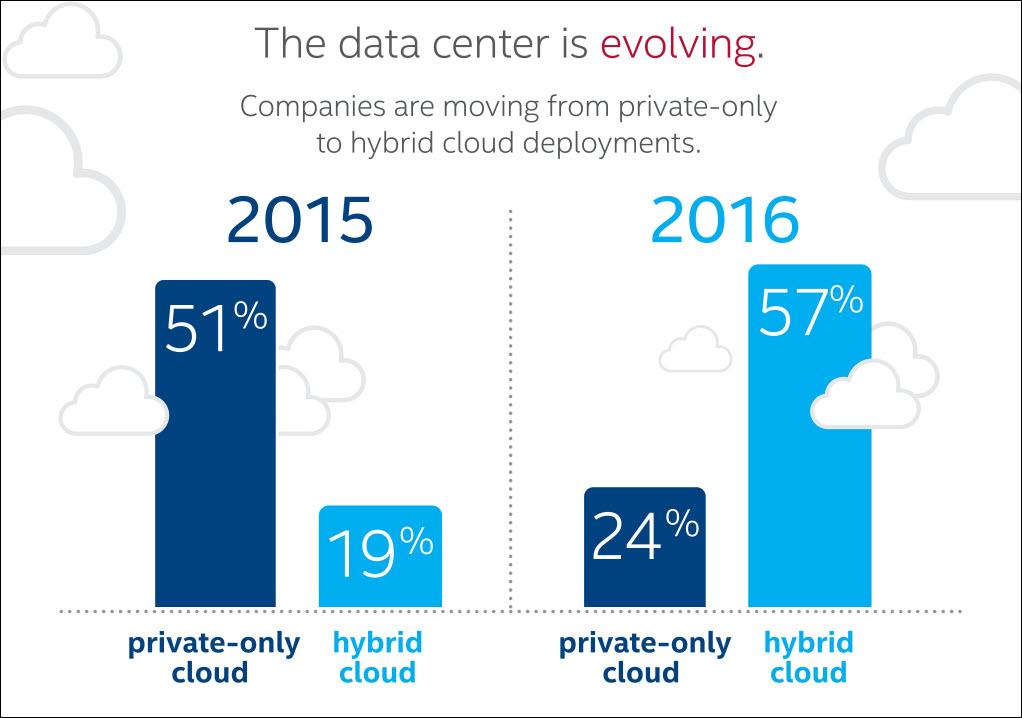
Several trends are shaping the future of cloud security and data storage. The rise of serverless computing and the increasing adoption of artificial intelligence and machine learning in data analysis are driving the need for advanced security and storage solutions. Furthermore, the growing demand for hybrid cloud solutions and the need for greater data sovereignty are also influential factors.
These trends represent significant opportunities for Intel to adapt its technology roadmap to meet the evolving needs of the market.
Strengths and Weaknesses of Different Companies, Intel invests in cloud security and data storage startups
Different companies in the cloud security and data storage sectors exhibit varying strengths and weaknesses. Established players often possess substantial resources and extensive market reach, but may face challenges in adapting to the rapid pace of innovation. Startups, on the other hand, often bring innovative solutions but may lack the financial backing and market presence of established giants.
Intel’s investments in startups offer a potential pathway to leverage innovation while mitigating the risks associated with rapid market shifts.
Market Analysis Summary
| Sector | Market Size (USD Billions) | Growth Rate (%) |
|---|---|---|
| Cloud Security | XX | XX |
| Data Storage | YY | ZZ |
Intel’s Competitive Advantage in Cloud Security
Intel’s strategic investments in cloud security and data storage startups are bolstering its position as a key player in the cloud computing ecosystem. These investments, coupled with Intel’s existing strengths in hardware and software, are creating a potent combination that distinguishes it from competitors. Intel’s commitment to innovation and its focus on building partnerships are pivotal to achieving a leading edge in this rapidly evolving market.Intel’s investments aren’t merely about acquiring companies; they are about integrating cutting-edge technologies into its existing product portfolio.
This allows Intel to leverage its vast expertise in silicon design, manufacturing, and software development to create solutions that address the complex security challenges facing cloud providers and users. This approach is a significant differentiator.
Intel’s Existing Expertise and Resources
Intel’s deep understanding of hardware design and its extensive manufacturing capabilities provide a solid foundation for developing secure cloud infrastructure. This includes specialized chips for data encryption, secure memory, and high-speed networking. Its existing customer base of cloud providers and data centers offers a substantial market entry point for its new security solutions. Intel’s extensive research and development efforts in areas like cryptography and cybersecurity also play a crucial role.
This allows the company to integrate advanced security features directly into its hardware and software.
Key Differentiators in Cloud Security
Intel’s approach to cloud security goes beyond simply offering hardware components. It integrates security throughout its product portfolio, from the silicon level to the software layer. This holistic approach is a key differentiator. Intel’s commitment to open standards and interoperability allows for seamless integration with existing cloud infrastructure. This eliminates compatibility issues and speeds up adoption.
The company’s focus on developing security solutions that address the unique challenges of specific industries, such as healthcare or finance, further strengthens its position.
Differentiation from Competitors
Unlike some competitors that primarily focus on software solutions, Intel’s strategy combines hardware and software expertise. This allows it to offer comprehensive security solutions across the entire stack. Intel’s approach is less about standalone security products and more about seamlessly integrating security into the very fabric of its processors, memory, and networking technologies. This holistic strategy positions Intel for long-term success in the cloud security market.
Illustration of Intel’s Competitive Advantages
Intel’s competitive advantages in the cloud computing sector are multifaceted and driven by innovation, market share, and strategic partnerships.
- Innovation: Intel’s ongoing research and development in areas like cryptography and cybersecurity continuously yield advancements in secure hardware and software solutions. This forward-looking approach ensures that Intel remains ahead of emerging threats and adapts to the evolving needs of the cloud market. For example, Intel’s development of specialized chips for encryption and secure memory directly addresses the increasing demand for data security in cloud environments.
- Market Share: Intel’s substantial market share in the CPU and chipset market translates into a wide reach within the cloud infrastructure landscape. This established presence provides a significant advantage in terms of driving adoption and influencing standards within the cloud security space. Intel’s chips power countless servers worldwide, making it a critical component in cloud infrastructure. This translates into a large installed base of potential customers and partners for Intel’s security solutions.
- Strategic Partnerships: Intel’s strategic partnerships with cloud providers and security companies further solidify its competitive advantage. These collaborations allow Intel to leverage existing infrastructure and expertise while providing a comprehensive security solution to cloud customers. For instance, Intel’s partnerships with major cloud providers ensure that its security solutions are seamlessly integrated into existing cloud platforms. This creates a strong ecosystem for Intel’s security products.
Conclusive Thoughts

Intel’s investments in cloud security and data storage startups are a significant step towards solidifying its presence in the digital future. This bold move positions Intel to capitalize on the growth potential of these sectors. The innovative solutions from these startups, combined with Intel’s existing hardware expertise, promise exciting developments in cloud computing. This strategic approach will likely influence the future direction of the entire industry, fostering innovation and driving further advancements in data security and storage.
Commonly Asked Questions
What are the specific technologies Intel is focusing on in these investments?
Intel’s investments span various technologies, including advanced encryption methods, secure data storage protocols, and innovative solutions for cloud-based data protection. The specifics vary from startup to startup.
How do Intel’s investments compare to those of competitors?
While details on competitor investments aren’t available in this Artikel, Intel’s focus on startups suggests a more dynamic and agile approach compared to some established companies. Intel’s investment timeline and the types of technologies involved should be compared to the competition for a more thorough understanding.
What are some potential challenges for Intel in this space?
Challenges include the unpredictable nature of startup success, ensuring the startups integrate seamlessly with Intel’s existing infrastructure, and maintaining a competitive edge in a rapidly evolving technological landscape. Intel’s ability to manage these factors will play a significant role in the success of these investments.
What is the potential impact of these investments on the overall market?
The investments could drive innovation and competitive pressures, fostering advancements in cloud security and data storage. This could lead to more robust security solutions, improved data storage scalability, and a greater emphasis on data protection.