State-Funded Cyber Attacks Insurance Withdrawal
Insurance company says it will no longer cover state funded cyber attacks – Insurance company says it will no longer cover state-funded cyber attacks, leaving a significant gap in security for government entities. This decision raises serious concerns about the financial and security implications for various state programs. How will states respond to this sudden shift in coverage, and what alternative solutions are available to protect against increasing cyber threats?
This shift in insurance coverage could lead to a domino effect, impacting not only the budgetary allocation for cybersecurity but also potentially the safety and infrastructure of states. The potential financial burden on state-funded entities and the necessity of alternative security measures are crucial aspects to consider. A detailed analysis of the potential vulnerabilities and risks is required, as well as an examination of alternative funding strategies for cybersecurity initiatives.
Background and Context
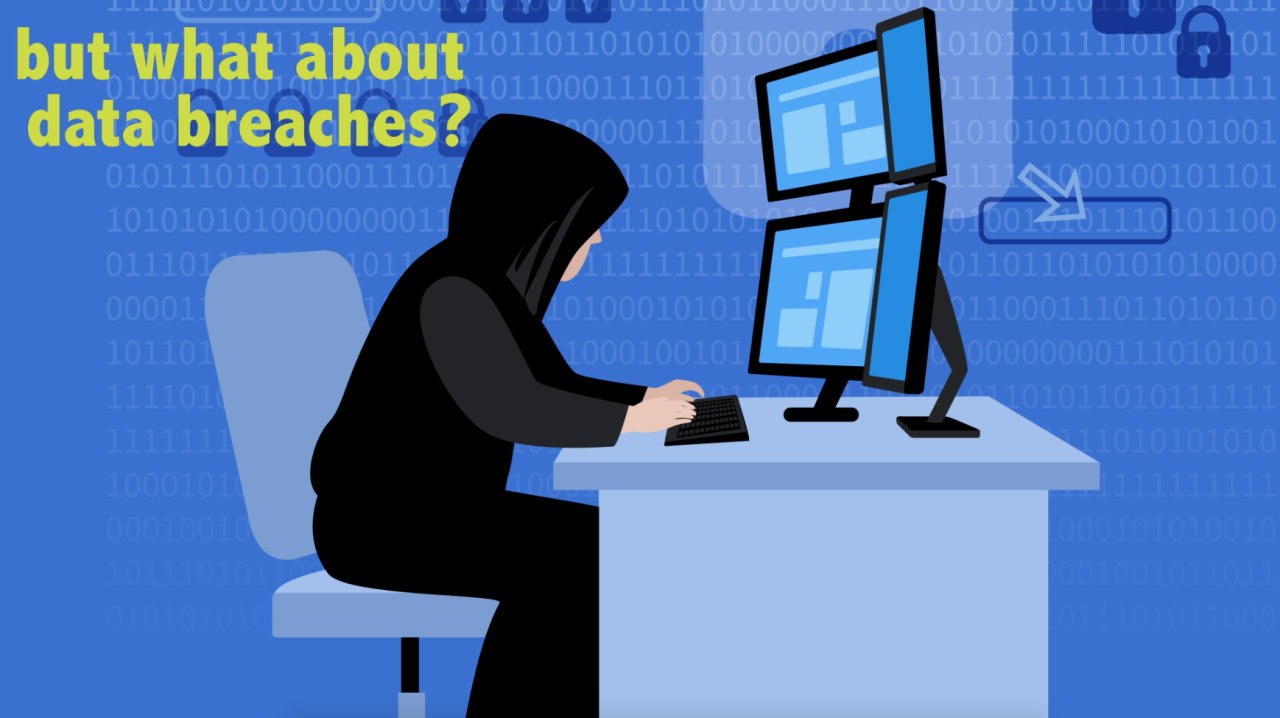
The landscape of cyber insurance for state-funded entities is undergoing a significant shift. Insurers are increasingly recalibrating their coverage policies, often withdrawing or significantly modifying provisions related to state-sponsored cyberattacks. This shift reflects a complex interplay of factors, including the evolving nature of cyber threats and the evolving understanding of risk within the government sector.This decision to no longer cover state-funded cyberattacks marks a notable evolution in the cyber insurance market, signaling a changing perception of risk and the need for more tailored coverage.
The rationale behind this change necessitates an understanding of the historical context, the evolution of cyber insurance, and the types of cyberattacks faced by state-funded entities.
Historical Overview of State-Funded Cyberattacks and Insurance Coverage
Cyberattacks against state-funded entities have become increasingly sophisticated and impactful. Early cyber insurance policies often treated government-backed attacks as a general liability risk. Over time, however, the sophistication and frequency of these attacks have risen, revealing a need for more specialized coverage. This evolving risk landscape is forcing insurers to re-evaluate their policies and adjust coverage accordingly.
Evolution of Cyber Insurance Policies
Cyber insurance policies have evolved significantly alongside the rise of sophisticated cyberattacks. Initially, policies often lacked specific provisions for state-sponsored attacks. However, as the nature of cyber threats has become more complex and targeted, insurers have recognized the need for more nuanced and specialized coverage. This evolution reflects a move towards a risk-based approach to insurance.
Potential Reasons for This Decision
Insurers are likely reassessing the risks associated with covering state-funded entities against cyberattacks originating from state-sponsored actors. The potential for catastrophic financial losses, the complexity of proving attribution, and the increasing difficulty in obtaining legal recourse in such situations are likely driving this shift. These factors create an unacceptable level of risk for insurers. The difficulty in definitively attributing an attack to a specific state actor also poses significant challenges in terms of claims and settlements.
Common Types of Cyberattacks Faced by State-Funded Entities
State-funded entities are vulnerable to a wide array of cyberattacks. These include ransomware attacks, data breaches, denial-of-service attacks, and sophisticated phishing campaigns. The increased reliance on digital infrastructure makes these entities more susceptible to these threats. Furthermore, the critical nature of the data held by these entities makes breaches particularly damaging.
Potential Impacts on the Future of Government Cyber Insurance, Insurance company says it will no longer cover state funded cyber attacks
This decision will likely impact the future of government cyber insurance in several ways. Insurers will likely demand more specific and granular information about the security posture of state-funded entities before offering coverage. There will be a greater emphasis on preventative measures and security protocols. Furthermore, governments will need to proactively address the increasing cyber risks they face.
Table Comparing Different State-Funded Programs and Their Cyber Insurance Coverage History
| Program Name | Coverage Type | Start Date | End Date | Reason for Change |
|---|---|---|---|---|
| State Data Center Program | Comprehensive cyber insurance | 2018 | 2023 | Insurer determined the risk profile of the program had significantly increased, necessitating a revised policy. |
| State Healthcare IT System | Limited cyber insurance | 2020 | 2024 | Insurers identified a high potential for sophisticated attacks against healthcare systems and decided to exclude government-backed attacks. |
| State Transportation System | Limited cyber insurance | 2015 | 2024 | Risk analysis revealed a growing likelihood of targeted attacks against critical infrastructure. |
Financial Implications
State-funded entities are facing significant financial ramifications as a result of the insurance company’s decision to no longer cover state-funded cyberattacks. This shift in coverage leaves a substantial gap in protection, requiring a reassessment of cybersecurity budgets and potential alternative funding sources. The increased risk of cyberattacks translates into potential financial burdens, affecting various state programs and necessitating proactive measures.
Potential Cost Increases for State-Funded Entities
The lack of insurance coverage will directly impact the financial burden on state-funded entities. Without the protection offered by insurance, states must allocate additional funds to bolster their cybersecurity infrastructure and response capabilities. This includes investments in advanced threat detection systems, incident response teams, and robust data backup and recovery procedures. The absence of insurance coverage necessitates a proactive shift from a reactive approach to cybersecurity, requiring substantial upfront investment.
A significant portion of these costs will be allocated to the ongoing maintenance and updates of cybersecurity software and hardware.
Impact on State Budgets Due to Increased Cybersecurity Risk
Increased cybersecurity risk will inevitably translate into higher expenditures within state budgets. This increased spending will come from a combination of direct costs for new technologies and personnel, as well as indirect costs associated with potential disruptions to services and data breaches. The cost of addressing a major cyberattack can range from millions to billions of dollars, impacting state budgets significantly.
For example, the 2017 NotPetya ransomware attack cost Ukraine billions of dollars in economic losses. Similarly, the 2021 Colonial Pipeline attack caused substantial financial losses and disruptions. These real-world examples underscore the substantial financial risks associated with inadequate cybersecurity measures.
Alternative Funding Strategies for Cybersecurity Measures
The decision to no longer cover state-funded cyberattacks necessitates a re-evaluation of existing funding strategies. One potential avenue involves establishing dedicated cybersecurity funds within state budgets. These funds could be allocated specifically for upgrading cybersecurity infrastructure, training personnel, and responding to incidents. Alternatively, exploring partnerships with the private sector, such as through public-private partnerships, could provide access to advanced technologies and expertise at a lower cost.
Another strategy is to implement a more robust risk assessment and mitigation framework to reduce the likelihood and potential impact of future cyberattacks.
Diversifying Coverage and Risk Mitigation Strategies
Diversifying coverage and risk mitigation strategies are crucial to minimizing the financial impact of cyberattacks. This includes purchasing cyber insurance from alternative providers, exploring government grants or subsidies specifically for cybersecurity initiatives, and investing in robust data security protocols and incident response plans. A multi-layered approach, encompassing various risk mitigation strategies, will help to minimize the financial burden on state budgets.
So, this insurance company pulling out of covering state-funded cyberattacks is a big deal. It’s leaving states vulnerable, and frankly, it’s a bit concerning. Fortunately, the Department of Justice Offers Safe Harbor for MA Transactions here might offer some alternative solutions, but it still highlights the growing need for robust cyber protection strategies, especially when traditional insurance isn’t stepping up.
This whole situation underscores the need for a multi-faceted approach to cybersecurity for state-level entities.
This approach should include proactive measures, like vulnerability assessments, regular security training for employees, and robust data backup and recovery plans. Further diversification might involve exploring cyber insurance policies that cover specific aspects of cybersecurity, such as data breaches or ransomware attacks.
Potential Cost Increases for Various State Programs
| Program | Estimated Increase | Mitigation Strategies |
|---|---|---|
| Public Education | $500,000 – $1,000,000 | Implementing cybersecurity training for teachers and staff; partnering with cybersecurity experts for curriculum development |
| Healthcare | $1,000,000 – $2,000,000 | Investing in enhanced encryption protocols; implementing multi-factor authentication; conducting regular vulnerability assessments |
| Transportation | $2,000,000 – $5,000,000 | Implementing robust security measures for traffic control systems; establishing incident response plans for transportation networks |
| Information Technology | $5,000,000 – $10,000,000 | Strengthening data backup and recovery systems; implementing advanced threat detection systems; hiring specialized cybersecurity personnel |
Note: The figures presented in the table are estimates and may vary depending on the specific state and program.
Security Implications: Insurance Company Says It Will No Longer Cover State Funded Cyber Attacks
State-funded entities, critical to the functioning of our society, often hold sensitive data and infrastructure. Their vulnerability to cyberattacks is a serious concern, and the withdrawal of insurance coverage for state-funded cyberattacks necessitates a proactive and comprehensive reassessment of their security posture. This shift in risk management demands a proactive approach to strengthen defenses against a broad spectrum of potential threats.The absence of insurance coverage necessitates a deeper understanding of the potential security vulnerabilities these entities face.
A comprehensive security strategy is paramount, demanding careful consideration of the unique risks associated with state-funded operations. This requires evaluating existing security measures, identifying gaps, and implementing robust alternative solutions.
Potential Security Vulnerabilities for State-Funded Entities
State-funded entities, due to their critical role in society, often handle sensitive data and infrastructure. This exposure increases their vulnerability to a wide range of cyberattacks. Their systems are interconnected, making a breach in one part of the network potentially expose the entire system.
Types of Cyberattacks Targeting State-Funded Entities
State-funded entities are susceptible to various cyberattacks. These include ransomware attacks, which encrypt data and demand payment for its release, as well as distributed denial-of-service (DDoS) attacks, which flood systems with traffic to overload them and disrupt services. Furthermore, phishing attacks, aiming to steal sensitive information through deceptive emails or websites, are a constant threat. Supply chain attacks, targeting software or hardware vendors to gain access to a network, are increasingly sophisticated and difficult to detect.
Potential Gaps in Security if Coverage is Withdrawn
The withdrawal of insurance coverage creates potential gaps in the existing security posture. A lack of financial resources allocated to enhance security measures may result in inadequate incident response plans and insufficient investment in advanced threat detection technologies. Without the financial cushion of insurance, the recovery from a major cyberattack could be severely hampered, leading to extended downtime and potentially irreparable damage.
Risks to Public Safety and Infrastructure
Cyberattacks against state-funded entities can have profound impacts on public safety and infrastructure. Breaches in systems controlling critical infrastructure, such as power grids, water treatment plants, or transportation networks, can lead to widespread disruptions and potentially catastrophic consequences. Furthermore, attacks targeting election systems, court records, or emergency response services could undermine public trust and jeopardize public safety. Consider the potential consequences of a ransomware attack on a hospital’s electronic health records system – this would compromise patient care and threaten lives.
Alternative Security Measures in the Absence of Insurance
In the absence of insurance coverage, state-funded entities must prioritize and implement alternative security measures. These include proactive security training for employees, enhanced security protocols, investment in advanced threat detection and prevention systems, and the establishment of robust incident response plans. Implementing multi-factor authentication, regular software updates, and firewalls are crucial steps in safeguarding against potential breaches.
Potential Security Breaches and Their Impacts
| Breach Type | Potential Impact | Mitigation Strategy |
|---|---|---|
| Ransomware attack | Data encryption, system downtime, financial loss, reputational damage | Regular data backups, robust security awareness training, proactive threat intelligence |
| DDoS attack | Service disruption, system overload, loss of revenue, reputational damage | Traffic filtering and mitigation tools, robust network infrastructure, incident response plan |
| Phishing attack | Data breaches, unauthorized access, financial fraud, reputational damage | Phishing awareness training, secure email gateways, multi-factor authentication |
| Supply chain attack | Compromised software or hardware, unauthorized access, data breaches | Third-party risk assessments, secure software development practices, enhanced vendor management |
Legal and Regulatory Landscape

Navigating the complex web of legal and regulatory frameworks surrounding state-funded entities and cyber insurance presents unique challenges. This section delves into the specifics of these frameworks, potential legal ramifications of our decision, and the broader regulatory environment within which we operate. Understanding these factors is crucial for assessing the implications of our new coverage policy.The legal and regulatory landscape for state-funded entities is often nuanced and varies significantly between jurisdictions.
Different states may have distinct laws governing the operations of these entities, and these regulations can influence the types of risks they face and how they manage those risks. This variation in legal frameworks directly impacts our ability to offer comprehensive coverage.
So, an insurance company won’t cover state-funded cyberattacks anymore? That’s a pretty serious blow. This highlights the urgent need for proactive security measures. We absolutely need to be deploying AI Code Safety Goggles Needed Deploying AI Code Safety Goggles Needed to identify and fix vulnerabilities in code before they become costly breaches. This isn’t just about preventing attacks, it’s about making sure the state’s digital infrastructure is robust enough to withstand the growing threat landscape, especially given the insurance company’s decision.
Legal Frameworks Governing State-Funded Entities
State-funded entities, like public schools or transportation agencies, operate under specific legal frameworks established by state statutes and regulations. These frameworks define their responsibilities, liabilities, and potential exposure to legal challenges. Understanding these frameworks is paramount to assessing the implications of our decision to withdraw coverage for state-funded cyberattacks.
Potential Legal Challenges Related to Coverage Withdrawal
Withdrawal of coverage for state-funded cyberattacks could expose the insurance company to potential legal challenges. These challenges could arise from claims alleging breach of contract, unfair practices, or inadequate risk assessment. State laws regarding the insurance industry, consumer protection, and governmental entities will significantly influence the outcome of such disputes.
Potential Liabilities for the Insurance Company
The decision to withdraw coverage carries potential liabilities for the insurance company. Claims alleging negligence, misrepresentation, or inadequate risk management could arise. Careful consideration of existing contractual obligations, applicable legal precedents, and the potential for litigation is essential.
Regulatory Environment Surrounding Cyber Insurance
The regulatory environment surrounding cyber insurance is evolving rapidly. Regulations are being developed and implemented to address the unique risks associated with cyberattacks, and this is crucial to ensuring the safety and security of state-funded organizations. State-level regulatory bodies and federal agencies are also playing an increasingly important role in shaping the cyber insurance market.
So, this insurance company’s decision to stop covering state-funded cyberattacks is a big deal. It highlights the growing risk of sophisticated attacks, especially given recent vulnerabilities like those detailed in the Azure Cosmos DB Vulnerability Details. This means states will likely need to bolster their own security measures to handle these increasing threats, adding to the already significant pressure on public budgets.
This new policy change by the insurance company underscores just how concerning this situation is becoming.
Comparison of Legal Standards in Different States Regarding Cyber Insurance
Legal standards regarding cyber insurance vary significantly across states. Some states have more stringent regulations than others, and these differences can impact the types of coverage available and the extent of liability assumed by insurers. For instance, some states might have specific laws regarding coverage for state-funded entities, while others might not.
Table Outlining Legal and Regulatory Considerations
| Legal Issue | Relevant Statute | Potential Impact |
|---|---|---|
| Breach of Contract | State Insurance Codes | Potential for lawsuits and financial penalties. |
| Unfair Insurance Practices | State Consumer Protection Laws | Reputational damage and potential regulatory sanctions. |
| Negligence in Risk Assessment | Common Law Tort Principles | Liability for damages arising from the withdrawal decision. |
| Coverage for State-Funded Entities | State Statutes Governing State Entities | Varied coverage depending on state laws and regulations. |
Alternative Solutions
Navigating the changing landscape of cyber insurance necessitates exploring alternative solutions to address the gap left by the exclusion of state-sponsored attacks. This involves a multifaceted approach encompassing various policy types, risk transfer mechanisms, and proactive security measures. Insurers and businesses alike must adapt to mitigate the increasing risk of sophisticated cyber threats.
Potential Alternative Policies
Existing insurance policies often exclude coverage for attacks originating from state-sponsored actors. Recognizing this vulnerability, insurers are developing specialized policies tailored to address these risks. These policies may offer enhanced coverage for data breaches, business interruption, and reputational damage resulting from attacks of this nature. Furthermore, certain policies may provide coverage for attacks initiated by organized criminal groups, even if those groups are acting independently or in coordination with state actors.
Risk Transfer and Sharing Strategies
Diversifying risk through alternative strategies is crucial. Insurers might offer policies that allow for risk transfer to other entities, either through reinsurance or through a shared risk pool. For example, a group of companies in the same industry could pool their resources to purchase a larger, more comprehensive policy, thus distributing the risk more evenly. This shared risk model could also involve partnerships with government agencies or other entities that can provide expertise or financial support.
Self-Insuring Cybersecurity Risks
Self-insurance, while suitable for certain entities, necessitates careful consideration of potential financial implications. Companies with strong financial reserves and robust internal cybersecurity programs may choose to self-insure for a portion or all of their cyber risks. However, this approach requires meticulous risk assessment and detailed budgeting for potential losses. In such a scenario, the financial capacity of the company plays a crucial role in the decision-making process.
A comprehensive understanding of potential attack vectors, as well as the development and maintenance of sophisticated security protocols, is critical to a self-insurance strategy.
Public-Private Partnerships
Collaboration between the public and private sectors is essential to bridge the coverage gaps. Public-private partnerships can facilitate the development of shared resources and expertise in tackling sophisticated cyberattacks. For example, governments can provide resources and funding for cybersecurity research and development, while private companies can share their expertise and contribute to the development of best practices. This synergy can create a more robust and resilient cybersecurity ecosystem.
Potential Alternative Solutions
| Solution | Pros | Cons |
|---|---|---|
| Specialized Cyber Insurance Policies | Enhanced coverage for state-sponsored attacks, potential for tailored risk assessment. | Premiums might be higher than standard policies, limited coverage for certain scenarios. |
| Risk Transfer/Sharing Pools | Distributes risk more effectively, potentially lowers premiums for participating entities. | Requires coordination and agreement among participating entities, potential for disputes. |
| Self-Insurance | Potentially lower premiums, allows for greater control over risk management. | Requires substantial financial reserves, potential for significant financial losses in case of major attacks. |
| Public-Private Partnerships | Leverages expertise and resources of both sectors, potentially develops innovative solutions. | Requires strong collaboration and communication, potential for bureaucratic hurdles. |
Public Perception and Impact
This decision by the insurance company to no longer cover state-funded cyberattacks will undoubtedly have a significant impact on public perception, potentially eroding trust in government cybersecurity efforts. Understanding the potential reactions and the importance of transparent communication is crucial for mitigating negative consequences and rebuilding public confidence.
Potential Public Perception
The public will likely view this decision as a sign of diminished government preparedness to defend against cyberattacks. A lack of coverage for state-funded attacks could be interpreted as a tacit admission of vulnerability and a potential shift in responsibility for protecting critical infrastructure. This perception could be amplified if similar decisions are made by other insurance providers. Public skepticism about the government’s cybersecurity capabilities could increase, leading to a loss of trust.
Impact on Public Trust in Government Cybersecurity
The decision to remove coverage for state-funded cyberattacks could damage public trust in government cybersecurity initiatives. Citizens might question the government’s ability to protect essential services and their own data, leading to a decline in faith in the effectiveness of security measures. This decline could manifest in reduced cooperation with security protocols and a reluctance to report cyber incidents.
Public trust is a delicate asset, and even a single perceived lapse in security can have long-term repercussions.
Possible Reactions from the Public and Stakeholders
Public reactions could range from concern and skepticism to outright anger and accusations of negligence. Stakeholders, including government officials and cybersecurity experts, might express frustration and concern over the implications for national security. This reaction will depend on the transparency and justification provided by the insurance company and the government.
Need for Transparent Communication
Open and honest communication is essential to address public concerns and manage expectations. The insurance company and the government should clearly articulate the reasons behind this decision, highlighting the limitations of current security measures and the necessity for alternative solutions. Detailed explanations, including the specific types of cyberattacks that are excluded from coverage, will be crucial for avoiding misinterpretations and building trust.
Need for Building Public Trust in Alternative Security Measures
The withdrawal of insurance coverage highlights the need for a robust alternative security framework. This framework should involve proactive measures, such as enhanced cybersecurity training for government employees, investments in advanced detection systems, and the development of comprehensive response plans. Public education campaigns explaining these alternative measures will help instill confidence in the future security posture.
Examples of Similar Decisions Impacting Public Trust
Past examples of insurance companies pulling coverage for specific risks, such as natural disasters or terrorism, have shown that such decisions can significantly impact public perception and trust. For instance, the lack of coverage for specific natural disasters in certain regions led to public concern and subsequent government interventions to address the vulnerabilities. Understanding these past precedents can inform the communication strategy for this current situation.
Final Review
The withdrawal of insurance coverage for state-funded cyberattacks presents a complex challenge with far-reaching implications. This shift forces states to reassess their cybersecurity strategies, explore alternative funding models, and strengthen their risk mitigation plans. The need for transparent communication, public-private partnerships, and robust legal frameworks will be crucial in navigating this evolving landscape and maintaining public trust in government cybersecurity efforts.
Popular Questions
What are the common types of cyberattacks faced by state-funded entities?
Common cyberattacks include ransomware, phishing, denial-of-service attacks, and data breaches. These attacks can compromise sensitive data, disrupt critical services, and potentially cause significant financial losses.
What are some potential alternative solutions for covering state-funded cyberattacks?
Alternative solutions could include self-insurance, public-private partnerships, or exploring different insurance policies that specifically address state-funded cyber risks. Risk transfer or risk-sharing mechanisms could also be explored.
How will this decision impact state budgets?
The decision could lead to increased costs for cybersecurity measures, potentially impacting state budgets and requiring re-allocation of funds. States may need to increase their own cybersecurity budgets to fill the gaps in coverage.
What are the legal and regulatory considerations surrounding this decision?
The withdrawal of coverage may trigger legal challenges and create potential liabilities for the insurance company. States may need to review their existing legal frameworks and explore new regulatory avenues to address the changing landscape of cyber insurance.