Cloud Cost Optimization Adapts in the Age of AI: Best Practices for Managing Spend, Improving Efficiency, and Maximizing Value

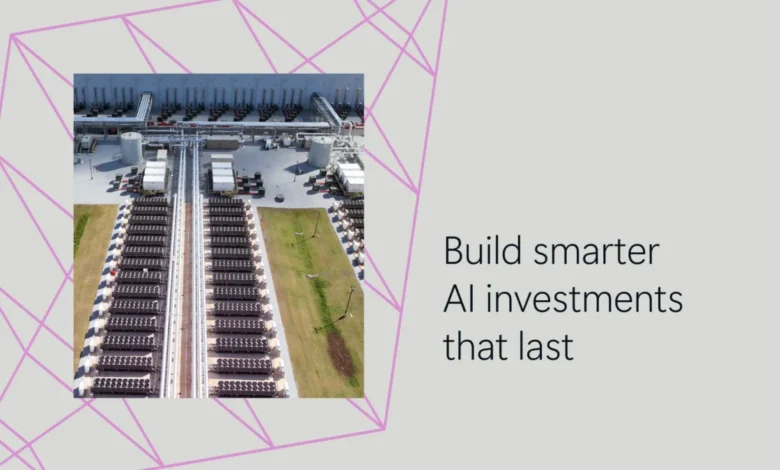
The rapid integration of Artificial Intelligence (AI) into cloud computing environments is fundamentally reshaping the landscape of cloud cost optimization. As organizations increasingly leverage AI-powered workloads, the imperative to manage cloud spend efficiently, enhance operational performance, and derive maximum business value from these sophisticated technologies has never been more critical. This evolution necessitates a strategic re-evaluation of traditional cost optimization approaches, demanding greater visibility, robust governance, and a continuous focus on aligning resource utilization with tangible business outcomes.
This comprehensive overview delves into the evolving principles of cloud cost optimization, examines the unique challenges and opportunities presented by AI workloads, and outlines actionable best practices for organizations navigating this dynamic frontier. It emphasizes that while the underlying principles of fiscal responsibility in the cloud remain constant, their application must be adapted to the accelerating pace and distinct characteristics of AI adoption.
The Enduring Importance of Cloud Cost Optimization
Cloud cost optimization is the disciplined, ongoing practice of scrutinizing cloud usage and making informed decisions to curtail unnecessary expenditures while steadfastly upholding critical performance, reliability, and scalability benchmarks. It is crucial to understand that this is not a punitive exercise in indiscriminately slashing budgets. Instead, it is a strategic endeavor focused on ensuring that cloud resources are precisely aligned with actual workload demands and contribute directly to demonstrable business value.
Unlike the capital-intensive, fixed-asset models of traditional on-premises IT infrastructure, cloud platforms operate on a fundamentally different economic paradigm: consumption-based pricing. This model directly links costs to the actual utilization of resources, extending beyond mere deployment to encompass every kilowatt-hour of processing, every gigabyte of storage, and every network packet transferred. Consequently, cost optimization is not a one-time project that can be completed and forgotten. It demands perpetual vigilance and adaptation as cloud environments mature, workloads transform, and novel services emerge.
Organizations that proactively invest in and consistently apply cloud cost optimization strategies stand to gain substantial advantages. These benefits typically include:
- Enhanced Financial Predictability: By gaining granular insight into spending patterns and actively managing resource allocation, businesses can achieve greater accuracy in budgeting and forecasting cloud expenditures. This reduces the likelihood of unexpected cost overruns and allows for more precise financial planning.
- Improved Resource Efficiency: Optimization efforts identify and eliminate idle, underutilized, or over-provisioned resources. This ensures that capital is not being wasted on computing power or storage that is not actively contributing to business operations or strategic goals.
- Increased Return on Investment (ROI): By reducing unnecessary spend, organizations can reallocate capital to initiatives that drive innovation, accelerate product development, or expand market reach. This directly amplifies the financial returns generated from cloud investments.
- Greater Agility and Scalability: Efficiently managed cloud resources provide a more responsive and adaptable foundation for scaling operations up or down in response to fluctuating market demands. This agility is crucial for maintaining a competitive edge.
- Strengthened Security and Compliance Posture: While not always immediately apparent, optimization efforts often involve rationalizing and consolidating resources, which can simplify security management and improve compliance adherence by reducing the attack surface and ensuring resources are configured according to established policies.
As cloud environments inevitably grow in complexity, often spanning multiple cloud services, geographic regions, and intricate architectural designs, the necessity for structured cloud cost management and optimization becomes paramount. For any organization operating within the cloud ecosystem, this elevates cost optimization from a mere operational consideration to an indispensable, foundational capability.
The Transformative Impact of AI Workloads on Traditional Cost Optimization
The advent and rapid proliferation of AI workloads introduce a new dimension of complexity to conventional cloud cost optimization frameworks. While many of the foundational principles remain applicable, the inherent pace, variability, and often unpredictable nature of AI usage significantly amplify the need for stringent cost governance and highly adaptive optimization strategies.
AI workloads, by their very nature, often exhibit distinct cost characteristics that diverge from traditional applications:
- Intensive Resource Demands: Training complex AI models, particularly deep learning networks, can require substantial computational power, often involving high-performance GPUs or specialized AI accelerators. These specialized resources typically command a premium price point, demanding careful management to avoid excessive expenditure.
- Variable and Bursting Usage Patterns: The development and deployment lifecycle of AI models can involve periods of intense computational demand for training, followed by less intensive periods for inference or ongoing monitoring. This fluctuating usage pattern makes static resource allocation inefficient and necessitates dynamic scaling capabilities.
- Data Storage and Processing Costs: AI initiatives often involve the ingestion, storage, and processing of vast datasets. The sheer volume of data, coupled with the need for high-speed access during model development and training, can lead to significant storage and data egress costs.
- Experimentation and Iteration Cycles: The iterative nature of AI development, involving numerous experiments, hyperparameter tuning, and model retraining, can result in unpredictable and potentially high compute costs if not carefully monitored and controlled.
These unique characteristics mean that cloud cost optimization becomes not merely an option but an absolute necessity in AI-powered environments. Ignoring these cost dynamics can quickly lead to budget overruns, impacting the overall feasibility and return on investment of AI initiatives.
Cloud Cost Optimization Best Practices for AI and Modern Workloads
While the technological underpinnings of cloud computing evolve, a core set of cloud cost optimization best practices remains remarkably consistent, applicable across both traditional and AI-driven workloads. The critical factor is the diligent, continuous application of these principles and their thoughtful adaptation to the unique usage patterns characteristic of modern applications, especially AI.
Visibility and Usage Awareness: The Bedrock of Optimization
Effective cost optimization is inextricably linked to a profound understanding of how cloud resources are being consumed. Organizations must establish clear, granular visibility into usage patterns across their entire cloud estate, encompassing all environments, workloads, and individual services. This deep insight is essential for pinpointing inefficiencies, identifying underutilized assets, and uncovering opportunities for optimization. Visibility serves as the indispensable foundation for both general cloud cost management and the specific challenges of AI cost management. Without it, any optimization effort is akin to navigating blindfolded.
Governance Guardrails: Proactive Spend Prevention
Implementing robust governance guardrails is a proactive measure to prevent unnecessary spending before it even materializes. These guardrails can manifest in various forms, including:
- Usage Boundaries: Setting predefined limits on resource consumption for specific projects, teams, or services to prevent overspending.
- Policy-Driven Controls: Establishing automated policies that enforce cost-effective resource configurations, such as enforcing the use of reserved instances for predictable workloads or automatically shutting down non-production resources outside of business hours.
- Standardized Approaches: Promoting the adoption of standardized architectures and service configurations that inherently promote efficiency, thereby encouraging responsible resource consumption without stifling innovation.
Strong governance is the linchpin for achieving sustainable cost optimization, particularly as cloud environments scale and the number of services and users increases. It ensures that financial discipline is embedded into the operational fabric of the organization.
Rightsizing and Lifecycle Thinking: Matching Resources to Demand
Workloads are rarely static; they evolve and change over time. Resources that were adequately provisioned during the development phase might prove inefficient or insufficient in a production environment, and vice versa. Embracing "rightsizing" – the practice of continuously adjusting resource allocations to precisely match actual workload requirements – is fundamental. This is coupled with "lifecycle thinking," which involves considering the resource needs of an application or service at every stage of its existence, from initial development and testing through production deployment and eventual decommissioning. This holistic approach ensures that resources are always appropriately matched to real-time needs, which is essential for long-term cloud cost optimization.
Continuous Review and Iteration: Adapting to Dynamic Environments
Cloud cost optimization is not a one-and-done initiative; it is an ongoing process. Implementing regular review cycles empowers teams to adapt swiftly to changing usage patterns, the introduction of new workloads, and evolving business priorities. This iterative approach is particularly crucial as AI solutions transition from experimental phases to large-scale production deployments, where usage patterns can shift dramatically. By fostering a culture of continuous review and adaptation, organizations can ensure their optimization strategies remain relevant and effective in the face of a dynamic cloud landscape.
These fundamental cloud cost optimization best practices are universally applicable, whether an organization is optimizing traditional monolithic applications, sophisticated data platforms, or large-scale AI workloads.
Distinguishing Cloud Cost Management from Cost Optimization
While closely related and often used interchangeably, cloud cost management and cloud cost optimization represent distinct but complementary disciplines.
Cloud Cost Management primarily focuses on the activities of tracking, reporting, and understanding cloud expenditures. It answers fundamental questions such as:
- How much are we spending on cloud services each month?
- Which teams or projects are incurring the highest cloud costs?
- What are the primary cost drivers within our cloud environment?
- Are we adhering to our allocated cloud budgets?
- What is the trend of our cloud spending over time?
Cloud cost management provides the essential visibility and accountability framework, enabling organizations to comprehend their financial standing in the cloud.
Cloud Cost Optimization, conversely, is about taking action and making informed decisions based on the insights generated by cost management. It leverages the understanding of spend to determine:
- Where can we reduce unnecessary spending?
- Which resources are over-provisioned and can be rightsized?
- Are there opportunities to leverage more cost-effective service tiers or purchasing options (e.g., reserved instances, spot instances)?
- Can we automate the scaling or termination of resources to align with demand?
- How can we architect our workloads for greater cost efficiency without compromising performance?
Organizations require both. Cloud cost management provides the critical transparency, while cost optimization transforms that transparency into concrete, actionable strategies that enhance efficiency, improve scalability, and bolster resilience – especially vital in AI-intensive environments.
Measuring Value Alongside Cloud Cost Optimization
The ultimate objective of cloud cost optimization is rarely the mere reduction of cloud expenses in isolation. The true aim is to ensure that cloud and AI investments deliver sustainable, measurable business value over the long term.
Effective cost optimization strikes a delicate balance between achieving financial efficiency and realizing desired business outcomes. This necessitates a holistic view that considers how cloud resources contribute to workload performance, application reliability, and the overall long-term viability of business initiatives, rather than solely focusing on minimizing expenditure. For AI workloads, this balance is particularly pronounced. While experimentation and innovation are indispensable drivers of progress, these endeavors must be conducted within a framework of responsible financial management.
By diligently measuring both efficiency metrics and aligning cloud cost optimization and AI cost optimization efforts with the overarching business value generated by workloads, organizations can avoid the trap of short-term savings that inadvertently undermine long-term strategic success. This value-driven approach to managing cloud costs ensures that optimization initiatives serve as accelerators for growth rather than impediments.
Next Steps for Cloud Cost Optimization on Azure
Microsoft Azure offers a comprehensive suite of resources and services specifically designed to empower organizations in managing and optimizing their cloud and AI costs effectively over time. These tools are built to provide the necessary visibility, governance, and actionable insights required for sustained cost efficiency.
To explore detailed guidance, practical best practices, and curated resources that support cost optimization across both cloud and AI workloads, organizations are encouraged to visit the dedicated solutions pages provided by Microsoft Azure. These resources offer in-depth information on leveraging Azure’s capabilities for financial governance and operational efficiency.
For deeper perspectives on related topics that complement cost optimization efforts, including architectural best practices for AI and data platforms, organizations may find additional resources invaluable. These often include white papers, case studies, and technical documentation that provide context and strategic direction.
The journey of cost optimization is a continuous evolution, a process that gains even greater significance as the adoption of AI technologies accelerates. By consistently applying durable optimization principles, maintaining unwavering visibility into resource utilization, and exercising robust control over cloud expenditures, organizations can confidently scale their cloud and AI investments responsibly, thereby maximizing long-term business value and achieving sustainable growth.
To delve further into this critical domain, exploring the dedicated Cloud Cost Optimization series on the Microsoft Azure blog provides a wealth of best practices and actionable guidance for optimizing cloud and AI investments to achieve significant and lasting business impact.
For those seeking to catch up on earlier installments of this vital series, reviewing previous posts on topics such as foundational cost optimization strategies and the nuances of cloud economics can provide a solid grounding for further exploration.