Indonesian Government Engages Iran for Safe Passage of Pertamina Vessels Through Geopolitically Sensitive Strait of Hormuz

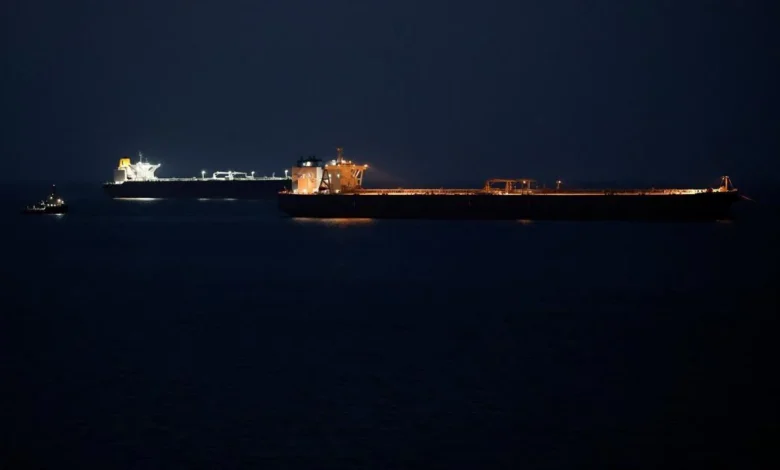
Jakarta, Indonesia – The Indonesian government is engaged in intensive diplomatic efforts with Iranian authorities to secure the safe passage of two vessels belonging to PT Pertamina International Shipping (PIS), the Pertamina Pride and the Gamsunoro, through the strategically vital Strait of Hormuz. Minister of Energy and Mineral Resources (ESDM), Bahlil Lahadalia, confirmed on Monday, April 20, 2026, that a collaborative task force involving his ministry and the Ministry of Foreign Affairs (Kemenlu) is actively communicating with Tehran to resolve the impasse, which has seen the two tankers stalled in the volatile Persian Gulf region. Minister Lahadalia appealed to the public for prayers, underscoring the delicate nature of the negotiations amidst ongoing geopolitical complexities.
While acknowledging the gravity of the situation, Minister Lahadalia refrained from divulging specific details of the discussions, citing the sensitivity inherent in geopolitical matters. "We are continuously engaging in intense communication with Iranian parties. The collaboration between ESDM and the Ministry of Foreign Affairs is ongoing. Please pray for us," Bahlil stated from the Ministry of ESDM headquarters in Jakarta. He elaborated on the need for discretion, noting, "Not everything can be disclosed to the public. This involves geopolitics in a situation like this; we can be open, but not excessively so." This cautious approach highlights the delicate balance between transparency and the imperatives of high-stakes international diplomacy, particularly concerning critical energy infrastructure and maritime security.
The Strategic Nexus: The Strait of Hormuz
The Strait of Hormuz stands as one of the world’s most critical maritime chokepoints, a narrow waterway connecting the Persian Gulf to the Arabian Sea and the broader Indian Ocean. Its strategic importance cannot be overstated, as approximately one-fifth of the world’s total oil consumption and a significant portion of its liquefied natural gas (LNG) transit through its waters daily. This makes it an indispensable artery for global energy markets, particularly for major Asian economies like Indonesia, which are heavily reliant on imported hydrocarbons. The Strait, at its narrowest point, is only about 21 nautical miles (39 kilometers) wide, with shipping lanes just 2 nautical miles (3.7 kilometers) in width for inbound and outbound traffic, separated by a 2-mile buffer zone. Control over this passage is largely asserted by Iran, which borders the northern side of the Strait, while Oman controls a portion of its southern coast.
Any disruption to shipping in the Strait of Hormuz can send ripples across global energy markets, impacting oil prices, insurance premiums for vessels, and the overall stability of supply chains. Past incidents, including tanker attacks, seizures, and heightened naval activities, have repeatedly underscored the fragility of maritime commerce in this region. The presence of numerous naval forces, including those from the United States and its allies, further complicates the security landscape, turning the Strait into a focal point of international power dynamics and regional rivalries. For Indonesia, a nation with a growing demand for energy and a significant player in the global maritime industry through entities like Pertamina International Shipping, ensuring the free and safe passage of its vessels through such a vital chokepoint is paramount to its economic stability and energy security.
Chronology of the Incident and Vessel Status
The issue of the two Pertamina vessels first came to public attention on Sunday, April 19, 2026, when Vega Pita, the Acting Corporate Secretary of PT Pertamina International Shipping (PIS), confirmed that the Pertamina Pride and Gamsunoro were being held in the Arabian Gulf region and were unable to proceed through the Strait of Hormuz. Despite their stalled status, Pita assured that the condition of both vessels and their crews remained safe. "Two ships in the Arabian Gulf, unable to pass [the Strait of Hormuz]. Their condition is safe," Vega Pita informed local media at the time.
According to data from Vessel Finder, a leading ship tracking website, up until the previous week, both Pertamina tankers were indeed detected within the Persian Gulf. The Pertamina Pride, a Very Large Crude Carrier (VLCC), was specifically located off the coast of Al Jubail, Saudi Arabia. This area is a major industrial city and port known for its petrochemical and oil refining industries, suggesting the Pertamina Pride might have been engaged in crude oil loading or waiting for such operations. The Gamsunoro, another large tanker likely involved in crude oil or refined product transportation, was recorded off the coast of Dubai, United Arab Emirates, a key regional hub for trade and shipping. The exact nature of their cargo was not disclosed, but given their classification and Pertamina’s operations, they are almost certainly transporting hydrocarbons.
PIS has since reiterated its commitment to closely monitoring the situation and remaining vigilant. Vega Pita emphasized that the company is actively preparing comprehensive passage plans to ensure the safe transit of the Pertamina Pride and Gamsunoro once the maritime route is cleared for their passage. "We continue to monitor and remain vigilant, conducting intensive surveillance and preparing a safe passage plan so that the Pertamina Pride and Gamsunoro can cross the Strait of Hormuz," Pita stated, highlighting the proactive measures being taken to mitigate risks and resume operations as swiftly as possible. This preparation includes assessing various navigational, security, and logistical factors to guarantee the welfare of the crew and the integrity of the cargo.
Pertamina’s Global Footprint and Energy Security Implications
PT Pertamina International Shipping (PIS) serves as the integrated maritime logistics arm of Indonesia’s state-owned energy giant, Pertamina. Its fleet comprises a diverse range of tankers, including crude oil tankers, product tankers, and LNG carriers, facilitating the transportation of energy resources both domestically and internationally. PIS plays a critical role in Pertamina’s supply chain, ensuring the consistent flow of crude oil to Indonesian refineries and the distribution of refined petroleum products across the vast archipelago, as well as engaging in international trade. The Pertamina Pride, for instance, is a VLCC with a capacity typically exceeding 2 million barrels of crude oil, making it a crucial asset for large-scale energy transport. The Gamsunoro, while potentially smaller, is equally vital for regional distribution or specific cargo types.
The disruption of these two vessels underscores broader concerns about Indonesia’s energy security. As one of the largest economies in Southeast Asia, Indonesia is both a significant producer and consumer of energy. While it boasts considerable natural resources, its growing industrialization and population mean it has transitioned into a net importer of crude oil. Consequently, the reliability of international shipping lanes, particularly those linking major oil-producing regions like the Middle East to Asian markets, is paramount for Indonesia to maintain its energy supply and economic stability. Any prolonged detention or blockage of its tankers can lead to delayed deliveries, potential contractual breaches, and the need to seek alternative, potentially more expensive, shipping arrangements or energy sources. This incident serves as a stark reminder of the vulnerabilities inherent in a globalized energy supply chain, where geopolitical tensions in distant regions can directly impact domestic fuel availability and prices.
Diplomatic Maneuvers and International Law
The involvement of the Ministry of Foreign Affairs alongside ESDM highlights the diplomatic dimension of the current situation. While ESDM focuses on the energy and technical aspects of the shipping operations, Kemenlu’s role would primarily involve engaging with Iranian diplomatic channels, potentially through the Indonesian Embassy in Tehran or directly with Iranian officials. Their objectives would include:
- Ensuring Crew Welfare: Prioritizing the safety and well-being of the Indonesian crew members on board both vessels.
- Upholding Freedom of Navigation: Advocating for the principle of freedom of navigation, a fundamental tenet of international maritime law that allows vessels to transit international straits without undue hindrance, subject to specific regulations.
- Clarifying Legal Basis: Seeking clarification from Iran regarding the specific reasons for the vessels’ detention or delayed passage, and ensuring any actions taken are consistent with international law.
- De-escalation: Working to de-escalate any potential misunderstandings or tensions that may have led to the situation, facilitating a peaceful and swift resolution.
The request for prayers from Minister Lahadalia further suggests the complexity and delicacy of the diplomatic tightrope walk. Iran, facing international sanctions and regional rivalries, has on several occasions asserted its control over the Strait of Hormuz, sometimes leading to friction with international shipping. The precise reasons for the Pertamina vessels’ stalled status remain undisclosed, but they could range from administrative checks, temporary security measures imposed by Iranian authorities, or broader geopolitical signaling related to regional events. Indonesia, as a non-aligned nation, typically seeks to maintain good relations with all countries, making a diplomatic resolution the preferred course of action.
Broader Implications and Future Outlook
The detention of the Pertamina Pride and Gamsunoro, even if temporary and with assurances of safety, carries several significant implications. Economically, prolonged delays could lead to demurrage charges (penalties for delayed vessel turnaround), increased insurance premiums for future voyages through the region, and potential disruptions to refinery schedules in Indonesia if crude oil deliveries are affected. For the Indonesian public, any impact on fuel supply could eventually translate into higher prices at the pump, though Pertamina would likely absorb initial costs to maintain market stability.
Strategically, this incident reinforces the need for Indonesia to continuously review and enhance its maritime security protocols and intelligence gathering capabilities concerning critical shipping lanes. Diversification of energy sources and supply routes, where feasible, could also be a long-term consideration, although the efficiency and cost-effectiveness of Middle Eastern oil often make it indispensable. The episode also highlights Indonesia’s growing role and responsibilities as a maritime nation with significant international shipping interests, necessitating a robust diplomatic presence and a clear stance on international maritime law.
As the Indonesian government continues its intensive communication with Iranian authorities, the global shipping community, and energy markets will be closely watching. The swift and safe resolution of this matter will not only be crucial for Pertamina’s operations but also serve as a testament to the effectiveness of diplomatic engagement in navigating the complex and often volatile waters of international geopolitics and maritime security in the critical Strait of Hormuz. The emphasis on discreet diplomacy by Minister Lahadalia underscores the high stakes involved and the government’s commitment to protecting its national assets and ensuring energy continuity.