Makassar City Government Unveils Ambitious "Pete-pete Laut" Program for Integrated Island Connectivity by 2026

The Makassar City Government is set to launch its innovative "Pete-pete Laut" (Sea Public Transport) program by May or June 2026, a strategic initiative designed to significantly enhance transportation access and streamline daily activities for residents of its numerous island communities. This comprehensive program, which includes the deployment of modern sea transportation vessels and the development of crucial supporting infrastructure, underscores the city’s commitment to fostering equitable development and improved connectivity across its vast maritime jurisdiction. The move is a cornerstone of the current administration’s vision to bridge the geographical divide between the mainland and its peripheral islands, ensuring that all citizens benefit from urban development and essential services.
Project Overview and Chronology
The "Pete-pete Laut" project is not merely an introduction of new boats but a holistic endeavor to create an integrated sea transportation network. The initial phase of operation will focus on serving key island destinations such as Barrang Lompo, Barrang Caddi, and Lanjukang. These islands, home to thousands of Makassar citizens, have historically faced challenges in reliable and efficient transport to the mainland, impacting everything from economic opportunities to access to healthcare and education. The planned vessels are expected to have a capacity of dozens of passengers, significantly increasing the volume and frequency of travel compared to existing informal services.
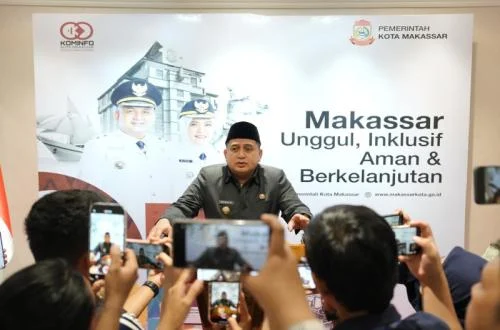
The announcement of this ambitious program was made by Makassar Mayor Munafri Arifuddin during a crucial meeting with Suharto, the Head of the Human Resources Development Agency (BPSDM) of the Ministry of Transportation of the Republic of Indonesia. The discussion, held at the Mayor’s Official Residence, highlighted the critical importance of a well-integrated sea transportation system. While the initial timeline points to an operational launch in mid-2026, the preceding years will involve intensive planning, procurement, and infrastructure development. The conceptualization and feasibility studies are understood to have been underway for some time, aligning with the broader strategic goals outlined in the "Mulia" (Munafri-Aliyah) administration’s vision for island communities. The period leading up to 2026 will see the detailed design of vessels, selection of routes, establishment of safety protocols, and the construction of new or upgraded port facilities on both the mainland and the target islands. A pilot phase is likely to precede the full operational launch, allowing for adjustments and fine-tuning based on real-world usage and community feedback.
Background: Makassar’s Maritime Identity and Challenges
Makassar, the provincial capital of South Sulawesi, boasts a rich maritime heritage and a strategic position as the gateway to Eastern Indonesia. Its geography includes not only a bustling mainland but also an archipelago of numerous small islands scattered across the Makassar Strait. These islands, while picturesque and culturally vibrant, often contend with limited infrastructure and connectivity. For decades, residents have relied on traditional wooden boats, locally known as perahu or kapal motor, which, despite their cultural significance, often present challenges in terms of safety, comfort, schedule reliability, and affordability. Weather conditions frequently disrupt services, isolating island communities for extended periods.
The absence of a structured, government-backed sea transport system has created disparities in access to essential services. Island residents often face arduous and costly journeys to the mainland for medical appointments, administrative tasks, higher education, or even to sell their catch or produce. This logistical hurdle has historically impeded economic growth on the islands, constrained social mobility, and contributed to a sense of marginalization among island populations. The "Pete-pete Laut" program is a direct response to these long-standing issues, aiming to integrate these communities more closely into the city’s economic and social fabric. It represents a paradigm shift from a reactive, ad-hoc transport system to a proactive, planned, and integrated approach.
Vision of the "Mulia" Administration and Official Endorsements
The "Pete-pete Laut" initiative is a central pillar of the "Mulia" administration’s overarching vision for equitable development. Mayor Munafri Arifuddin has consistently emphasized the necessity of a robust and integrated sea transport system not just for mobility, but as a catalyst for economic growth and balanced development across all parts of Makassar. During his meeting with Suharto from the Ministry of Transportation’s BPSDM, the Mayor articulated that improved sea connectivity is fundamental to unlocking the full potential of the island economies, empowering local communities, and ensuring that government services are truly accessible to all citizens, regardless of their geographical location.
Suharto’s presence and engagement signify the Ministry of Transportation’s recognition of the project’s importance and its potential alignment with national maritime transportation strategies. While specific details of the BPSDM’s involvement were not explicitly stated, their mandate includes developing human resources for the transportation sector, which could imply support in training future "Pete-pete Laut" operators, maritime safety personnel, and technical staff, ensuring the program’s long-term sustainability and adherence to national safety standards. This collaboration between local and national authorities is crucial for the successful implementation and regulatory compliance of such a significant public infrastructure project.
Andi Asdhar, the Head of Sangkarrang Islands Sub-district (Camat Kepulauan Sangkarrang), conveyed the profound appreciation of the island residents for the government’s attention and commitment. His statement highlighted that the "Pete-pete Laut" program is part of a broader package of initiatives that have already begun to improve the quality of life on the islands. He specifically mentioned the ease of accessing administrative services, such as civil registration, which can now be processed directly in their respective villages without the arduous journey to the sub-district office or the Department of Population and Civil Registration on the mainland. This demonstrates a comprehensive approach by the city government, where improved transportation complements and enhances access to other vital public services. Furthermore, the implementation of street lighting in island areas, also noted by Camat Asdhar, serves as tangible proof of the government’s dedication to ensuring that development reaches even the most remote corners of its jurisdiction. These smaller, yet impactful, projects build trust and lay the groundwork for the successful adoption of larger initiatives like "Pete-pete Laut."
Project Details: Vessels, Routes, and Supporting Infrastructure
The core of the "Pete-pete Laut" program revolves around the deployment of modern, safe, and efficient passenger vessels. While specific vessel types have not been detailed, the term "Pete-pete Laut" suggests a parallel to the city’s iconic public minibuses ("Pete-pete"), implying a focus on regular, scheduled services, possibly with multiple stops. Given the archipelagic nature of Makassar, these vessels are likely to be designed for stability in open waters, fuel efficiency, and passenger comfort, potentially incorporating features like air conditioning, adequate seating, and basic safety equipment. The capacity for dozens of people indicates a significant upgrade from smaller traditional boats, allowing for higher passenger throughput and potentially carrying limited cargo.
The initial routes connecting Barrang Lompo, Barrang Caddi, and Lanjukang to the Makassar mainland will serve as crucial arteries. These islands are among the most populous and frequently visited, making them ideal starting points for the network. Future expansion to other islands within the Sangkarrang archipelago is a logical next step, creating a truly integrated maritime transport grid. The selection of routes will likely consider population density, existing economic activities, and strategic importance for tourism or resource management.
Crucially, the "Pete-pete Laut" program extends beyond just the boats. A significant component involves the development and upgrade of essential infrastructure. This includes the construction of modern dermaga (piers or jetties) on both the mainland and the target islands. These new facilities will be designed to accommodate the "Pete-pete Laut" vessels, ensuring safe and efficient docking, passenger boarding, and disembarking. Modern piers would likely incorporate features such as covered waiting areas, accessible ramps, and improved lighting, enhancing the overall passenger experience and safety.
Furthermore, the program includes the establishment of rumah singgah (transit homes) for island residents on the Makassar mainland. These transit homes are a critical social support element, providing temporary accommodation for islanders who travel to the city for extended periods, perhaps for specialized medical treatment, to attend to administrative matters, or for educational purposes. This thoughtful addition addresses a significant pain point for island communities, reducing the financial burden and logistical complexities associated with mainland visits. It transforms the journey from a mere commute to a more supported and holistic experience.
Broader Implications and Potential Impact
The introduction of "Pete-pete Laut" is poised to generate far-reaching positive implications across several sectors:
-
Economic Uplift: Improved connectivity will significantly boost economic activity on the islands. Fishermen and farmers will have more reliable and quicker access to mainland markets, reducing spoilage and increasing their income potential. Small businesses on the islands can more easily receive supplies and cater to a broader clientele, including potential tourists. The project itself will create jobs in vessel operation, maintenance, and infrastructure management. Enhanced trade flows will stimulate local economies.
-
Social Equity and Access to Services: The most profound impact will be on social equity. Residents will gain better, more reliable access to essential services such as healthcare (hospitals, specialized clinics), education (high schools, universities), and administrative services. This reduces the isolation felt by island communities and ensures they are not left behind in the city’s development. Easier travel can also facilitate family visits and cultural exchanges, strengthening social bonds.
-
Tourism Development: The Sangkarrang archipelago holds immense potential for eco-tourism and cultural tourism. Reliable and comfortable sea transport will make these islands more accessible to both domestic and international tourists, creating new economic opportunities for local communities through homestays, handicraft sales, and guided tours. This needs to be carefully managed to ensure sustainable tourism practices.
-
Administrative Efficiency: As noted by Camat Asdhar, the government’s attention to island communities has already led to improved administrative services. "Pete-pete Laut" will further enhance this by making it easier for government officials to conduct outreach programs on the islands and for citizens to participate in civic processes on the mainland.
-
Environmental Considerations: While modernizing transport, the program also presents an opportunity to implement environmentally conscious practices. Future vessels could be designed with greater fuel efficiency and lower emissions. The development of new piers and the operation of the boats must adhere to strict environmental regulations to protect the delicate marine ecosystems, including coral reefs and fishing grounds, that surround these islands. Discussions around waste management on the vessels and at the piers will also be crucial.
Potential Challenges and Future Outlook
Despite its immense promise, the "Pete-pete Laut" program will undoubtedly face challenges. Securing sustainable funding for the long-term operation and maintenance of the vessels and infrastructure will be critical. Operational costs, including fuel, crew salaries, and regular maintenance, can be substantial. The city government may need to explore various funding models, including public-private partnerships, subsidies, or a tiered fare structure.
Ensuring the safety of operations, especially given the unpredictable nature of sea travel, will be paramount. Robust safety protocols, regular vessel inspections, trained crew, and weather monitoring systems are indispensable. Public acceptance and integration with existing informal transport providers will also need careful management to avoid displacement and ensure a smooth transition. Engaging traditional boat operators in discussions about training, employment opportunities, or alternative roles within the new system could help mitigate potential resistance.
The success of "Pete-pete Laut" could serve as a blueprint for other archipelagic cities in Indonesia and beyond, demonstrating how integrated sea transportation can foster equitable development and enhance the quality of life for island communities. It represents a significant step forward in Makassar’s journey to becoming a truly inclusive and connected maritime city, where every citizen, regardless of their location, has access to opportunities and services. The 2026 launch date marks not just the beginning of a new transport service, but the dawn of a more connected and prosperous era for Makassar’s island communities.
Related posts: