PT Kereta Api Indonesia Manages Extensive 12,856-Unit Rolling Stock Fleet Amidst Robust Passenger and Freight Growth in First Half of 2026

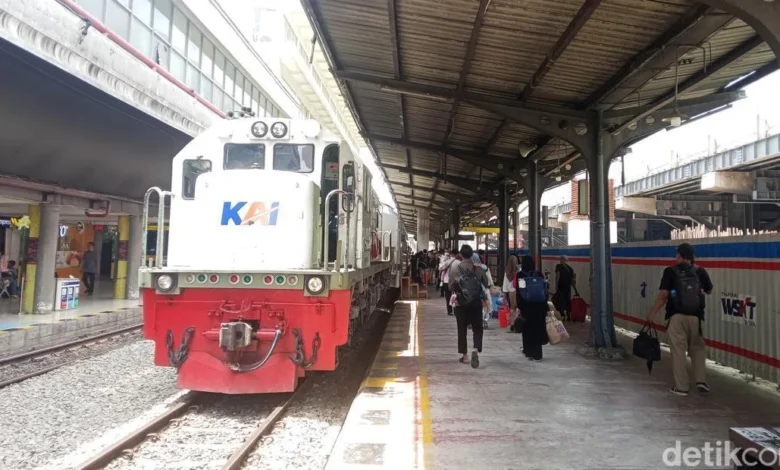
Jakarta – PT Kereta Api Indonesia (KAI), the national railway operator of Indonesia, has underscored its pivotal role in the nation’s transportation network by meticulously managing an extensive fleet of 12,856 units of rolling stock. This vast collection of locomotives, electric multiple units (EMUs) known as KRL, passenger coaches, freight wagons, and diesel-electric multiple units (DEMUs) or KRDE/I, serves as the backbone for intercity, urban, and crucial logistics operations across the archipelago. The company’s strategic emphasis on a robust and diverse fleet directly correlates with the escalating demand for rail-based mobility and freight distribution, as evidenced by significant growth in both passenger and cargo volumes during the first half of 2026.
The Indispensable Role of Rolling Stock in National Mobility
Rail transportation has long been recognized as a highly reliable and efficient mode of public transport in Indonesia, particularly on the densely populated island of Java. Its capacity to move large volumes of people and goods with relatively lower environmental impact compared to road transport makes it a critical component of the national infrastructure development agenda. KAI’s operational philosophy centers on maintaining a comprehensive and well-maintained fleet to meet the multifaceted demands of a rapidly developing nation. This commitment is highlighted by the sheer scale of its assets, which are strategically deployed to optimize service delivery across various segments.
According to Anne Purba, Vice President Corporate Communication of KAI, the availability and reliability of rolling stock are fundamental to sustaining the capacity and dependability of the rail system. "The mobility of society and the distribution of logistics necessitate the readiness of an adequate number of facilities. Each locomotive, KRL, passenger coach, freight wagon, and KRDE/I unit has complementary functions to ensure that services remain safe, reliable, and tailored to specific needs," Purba stated in a recent release on Sunday, July 19, 2026. This statement encapsulates KAI’s holistic approach to fleet management, recognizing the intricate interplay between different types of rolling stock to achieve operational excellence.
A Detailed Look at KAI’s Diverse Fleet
The 12,856 units managed by KAI are meticulously categorized and deployed based on their specific operational functions. The largest segment of this fleet comprises 8,907 freight wagons, accounting for approximately 69.28% of the total. This dominance of freight wagons reflects the strategic importance of rail in Indonesia’s supply chain and commodity distribution, especially for bulk goods and containerized cargo that are vital for industrial and economic activity.
Following freight wagons, passenger coaches represent the second-largest category with 2,238 units, making up 17.41% of the total fleet. These coaches are essential for intercity passenger services, connecting major urban centers and facilitating long-distance travel. The third significant component is the fleet of 1,064 KRL (Kereta Rel Listrik) units, or Electric Multiple Units, which constitute 8.28% of the total. KRLs are the lifeblood of urban and suburban commuter services, particularly in the Jakarta metropolitan area (Jabodetabek), where they serve millions of commuters daily, alleviating road congestion and providing an affordable, efficient travel option.
The powerhouses of the railway system are the 551 locomotives, which make up 4.29% of the fleet. These robust engines are responsible for hauling both passenger coaches and freight wagons across the extensive railway network. Lastly, KAI operates 96 units of KRDE/I (Kereta Rel Diesel Elektrik/Indonesia), or Diesel-Electric Multiple Units, representing about 0.75% of the total. These units often serve regional and local routes, offering flexibility in areas without electrified tracks and providing efficient services for shorter distances or specific regional demands.
Operational Specialization and Strategic Deployment
Each type of rolling stock within KAI’s extensive fleet serves a distinct purpose, contributing to the overall efficiency and effectiveness of the railway system.
- Locomotives: These are the primary motive power units, designed to pull long consists of passenger coaches or heavy freight wagons. KAI’s locomotive fleet includes a range of diesel-electric models, which are versatile enough to operate across the entire non-electrified network, handling both heavy-haul freight and high-speed passenger services where applicable. The choice of locomotive type for a particular service depends on the gradient of the track, the weight of the train, and the required speed.
- Passenger Coaches: These units are specifically designed for customer service, offering varying levels of comfort and amenities, from economy class to executive class, depending on the route and fare structure. The design and maintenance of these coaches prioritize passenger safety, comfort, and operational reliability, including air conditioning, seating configurations, and onboard facilities.
- Freight Wagons: These are the workhorses of KAI’s logistics operations. The vast number of freight wagons underscores their critical role in supporting industrial supply chains. This category includes a diverse range of specialized wagons, such as open wagons for coal and aggregates, flat wagons for containers and heavy machinery, tank wagons for fuel and chemicals, and box wagons for general cargo. The selection of a specific wagon type is dictated by the commodity being transported, its volume, and specific handling requirements. The efficiency of these wagons directly impacts the cost-effectiveness of transporting raw materials and finished goods across the country.
- KRL (Electric Multiple Units): Primarily deployed in urban agglomerations, particularly for the KRL Commuter Line service in Jabodetabek, these electric trains are designed for high-frequency, high-capacity passenger transport. Their rapid acceleration and deceleration capabilities, coupled with their ability to draw power from overhead electric lines, make them ideal for dense urban environments with frequent stops. KRLs are crucial for reducing traffic congestion and providing sustainable mass transit solutions in Indonesia’s burgeoning cities.
- KRDE/I (Diesel-Electric Multiple Units): These self-propelled diesel-electric trains are well-suited for regional and local services, particularly on non-electrified lines where the demand may not warrant full locomotive-hauled trains or where operational flexibility is paramount. They offer a comfortable and efficient solution for connecting smaller towns and cities, providing essential links within regional transport networks.
The differing functions of these rolling stock types also dictate specific operational requirements, including crew allocation, train formation rules, inspection protocols, maintenance cycles, and the necessary supporting infrastructure and facilities. This meticulous differentiation ensures that each service operates with optimal safety and efficiency.
Surge in Passenger and Freight Volumes in H1 2026
The extensive management of this diverse fleet is directly correlated with the burgeoning demand for rail transport services. KAI Group reported a significant surge in customer numbers during the first semester of 2026, serving a total of 258,993,359 passengers. This figure represents a robust increase of 7.55% compared to the 240,805,920 passengers served in the first semester of 2025. This consistent growth highlights the increasing reliance of the Indonesian public on rail for daily commutes and intercity travel, driven by factors such as urbanization, improved service quality, and expansion of the railway network.
Anne Purba emphasized the importance of aligning capacity with demand. "Customer growth needs to be matched by well-planned capacity readiness. The availability of facilities, technical reliability, maintenance facilities, and continuous renewal are interconnected parts in meeting the community’s mobility needs," she stated. This proactive stance underscores KAI’s commitment to strategic investment and operational planning to sustain and enhance its service offerings.
On the freight front, KAI also recorded impressive volumes, transporting 32,498,043 tons of goods throughout the first semester of 2026. This volume comprises 26,534,095 tons of coal and 5,963,948 tons of non-coal commodities. The dominance of coal freight reflects Indonesia’s status as a major coal producer and exporter, with rail transport providing a cost-effective and environmentally preferable method for moving bulk quantities from mines to ports and power plants.
The non-coal commodities segment is equally diverse and vital, encompassing cement, fuel oil, containerized goods, bulk commodities, plantation products, general cargo, and parcel delivery services. These freight services are instrumental in supporting key economic sectors such as energy, construction, manufacturing, trade, and agricultural supply chains across various regions of Indonesia. Efficient rail freight plays a crucial role in reducing logistics costs, improving supply chain reliability, and mitigating road congestion and emissions, thereby contributing significantly to national economic development.
Rigorous Maintenance and Modernization: The Backbone of Reliability
The operational integrity and safety of such a vast fleet are maintained through a stringent regimen of inspections and periodic maintenance. Before any rolling stock unit is dispatched for duty, it undergoes thorough inspections to ensure compliance with technical, safety, and operational requirements. This pre-departure check is a critical first line of defense against potential malfunctions and ensures that every journey commences with the highest safety standards.
Beyond daily checks, periodic maintenance is meticulously executed based on operational hours, mileage accumulated, the condition of individual components, and the findings from inspections by trained personnel. This proactive approach to maintenance is essential for extending the lifespan of the rolling stock, ensuring continuous reliability, and preventing costly breakdowns.
Maintenance activities are carried out at two primary levels: Depots and Balai Yasa (Railway Workshops). Depots are responsible for routine inspections and minor maintenance tasks that support daily operations, ensuring that trains are ready for service on a day-to-day basis. Balai Yasa, on the other hand, are comprehensive railway workshops that undertake more extensive periodic maintenance, major overhauls, and significant repair or modification works. These facilities are equipped with specialized tools and skilled technicians to handle complex engineering tasks, ensuring the long-term structural integrity and performance of the rolling stock. The structured differentiation of maintenance responsibilities between depots and Balai Yasa optimizes resource allocation and ensures that both routine and major maintenance requirements are met efficiently.
Future Outlook and Broader Implications
The continued growth in both passenger and freight volumes underscores the increasing strategic importance of KAI in Indonesia’s socio-economic landscape. The meticulous management of its extensive and diverse rolling stock fleet is not merely an operational necessity but a strategic imperative that directly impacts national development goals.
The implications of KAI’s robust performance and fleet management are far-reaching. For urban areas, the reliability and expansion of KRL services are crucial for sustainable urban development, mitigating the environmental impact of private vehicles, and improving the quality of life for millions of commuters. For intercity travel, an efficient passenger rail network enhances regional connectivity, promotes tourism, and facilitates business activities across different provinces.
In the realm of logistics, KAI’s freight services are vital for ensuring the efficient flow of goods, particularly bulk commodities and containerized cargo, which are essential for industries ranging from mining and agriculture to manufacturing and construction. By providing a reliable and cost-effective alternative to road transport, KAI contributes to reduced logistics costs for businesses, improved supply chain resilience, and a lower carbon footprint for freight movement.
Looking ahead, KAI’s strategy will likely involve continued investment in fleet modernization, acquisition of new, more efficient rolling stock, and technological upgrades to its maintenance facilities. The ongoing commitment to safety, efficiency, and sustainability will be paramount as Indonesia’s population and economy continue to grow. The integration of advanced digital technologies for fleet management, predictive maintenance, and operational optimization will also play a crucial role in enhancing KAI’s capabilities and ensuring its position as a leading railway operator in Southeast Asia. The consistent growth trajectory positions KAI as a key enabler of Indonesia’s national development agenda, fostering connectivity, economic growth, and environmental sustainability through its extensive and well-managed railway system.