ChatGPT Suffers Widespread Outage, Disrupting Access to AI Chat and API Services


The artificial intelligence powerhouse ChatGPT, developed by OpenAI, is currently experiencing a significant and widespread outage that is preventing users worldwide from accessing its services. The disruption, which began around 5 AM Eastern Time, has rendered the popular AI chatbot inaccessible, with users reporting an inability to load conversations, send messages, and even access previous chat histories. This widespread failure extends beyond the core ChatGPT interface, impacting OpenAI’s crucial API services and its coding assistant platform, Codex. The ongoing issues have sparked concern and frustration among the millions of users who rely on these AI tools for a diverse range of applications, from content creation and research to software development and customer support.
Chronology of the Outage
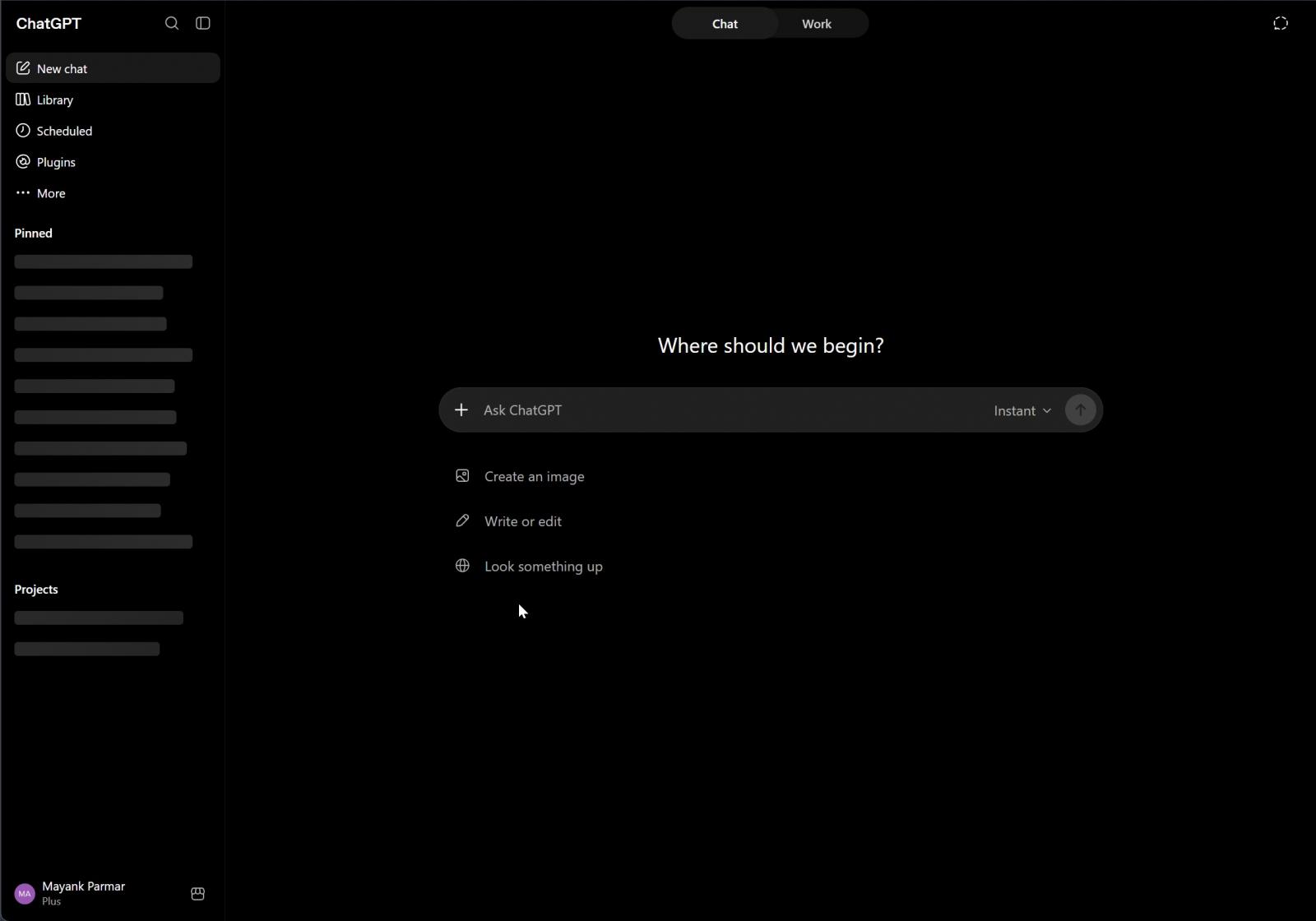
The first indications of trouble began to surface in the early morning hours of [Insert Date of Outage – e.g., Tuesday], with users in various time zones reporting issues. By approximately 5 AM ET, the problem had escalated, becoming a globally recognized disruption. Initial reports indicated that users attempting to access ChatGPT would encounter persistent loading animations for the sidebar, a crucial element for navigating past conversations and initiating new ones. Subsequently, attempts to send messages were met with error messages, most commonly citing "too many concurrent requests," a clear indication of overwhelming demand or a critical failure in the system’s capacity to handle user traffic.
OpenAI, the creator of ChatGPT, acknowledged the widespread nature of the problem shortly after the initial reports. At approximately 5:30 AM ET, the company posted an update on its official status page, stating, "We are investigating the issue for the listed services." This confirmation provided a degree of reassurance to affected users, indicating that OpenAI was aware of the problem and actively working towards a resolution. However, despite this acknowledgment and subsequent claims of applying a fix, reports from users and internal testing by news outlets indicated that the issues persisted well into the day.

The scope of the outage quickly became apparent as it was revealed that the disruption was not limited to the ChatGPT web interface. OpenAI’s API, a vital component for developers integrating AI capabilities into their own applications, also experienced significant problems. The company’s status page, which is designed to provide real-time updates on service availability, listed numerous API endpoints as experiencing issues. This means that a vast array of third-party applications and services that leverage OpenAI’s AI models were likely rendered inoperable or severely degraded during the outage.
Furthermore, OpenAI’s coding platform, Codex, which assists developers in writing and understanding code, was also reported to be affected. This multifaceted disruption highlights the deep integration of OpenAI’s technologies across various sectors and the significant ripple effect that such an outage can have on the digital ecosystem.
Symptoms and User Experience
For users attempting to engage with ChatGPT during the outage, the experience was marked by a consistent inability to proceed. The primary symptom was the persistent loading animation on the sidebar, which typically displays a user’s chat history. This failure to load meant that users could not retrieve past conversations, a core functionality of the platform. When users did manage to initiate a new chat or attempt to send a message in an existing one, they were frequently met with an error message. The "too many concurrent requests" error is a common indicator of server overload, suggesting that the system was either unable to handle the volume of incoming requests or that a critical component responsible for managing these requests had failed.
The visual representation of the outage was captured by users and news outlets alike. Images and descriptions circulated online depicted the frozen loading screens, the unresponsive interface, and the frustrating error messages that became the norm for anyone trying to interact with ChatGPT. The inability to send messages meant that any tasks or queries requiring real-time AI assistance were put on hold.

Impact on Developers and Businesses
The outage’s reach extended far beyond individual users, significantly impacting developers and businesses that rely on OpenAI’s API. The API serves as a gateway to powerful AI models, enabling developers to build sophisticated applications that can generate text, translate languages, write different kinds of creative content, and answer your questions in an informative way. When these API endpoints become unavailable, any application or service dependent on them is effectively crippled.
This can translate to a range of business disruptions. For instance, customer service chatbots powered by OpenAI’s models would cease to function, leading to potential customer dissatisfaction and increased pressure on human support teams. Content generation tools used by marketing agencies, news organizations, and creative professionals would be rendered useless, halting workflows and impacting content pipelines. Developers working on AI-powered features for websites, mobile apps, or internal business tools would find their progress stalled, facing delays in product launches and updates.
The financial implications of such an outage can also be substantial. For businesses that charge for services powered by OpenAI’s technology, lost uptime directly translates to lost revenue. Moreover, the erosion of trust in the reliability of AI services can have long-term consequences for adoption and investment in the AI sector.
OpenAI’s Response and Investigation
OpenAI’s official response, while prompt in acknowledging the issue, has been characterized by ongoing investigation and the gradual implementation of fixes. The initial update at 5:30 AM ET indicated an active investigation. As the outage persisted, further updates were provided. While the company stated that a fix had been applied, real-world user experiences and internal testing continued to reveal persistent problems. This suggests that the issue might be complex, with multiple contributing factors or that the initial fix was not comprehensive enough to restore full functionality across all services.

The status page for OpenAI has been the primary source of official information. It has detailed the specific services affected, including various API endpoints, providing a transparent, albeit concerning, overview of the ongoing technical challenges. The fact that the outage also affected Codex underscores the interconnectedness of OpenAI’s AI infrastructure.
The implications of a prolonged outage for a company that has become synonymous with advanced AI capabilities are significant. It raises questions about the robustness and scalability of their infrastructure, especially as the demand for AI services continues to surge. For a company at the forefront of AI innovation, maintaining consistent and reliable service is paramount to sustaining user trust and its position in the market.
Broader Context and Implications
The widespread outage of ChatGPT and related OpenAI services comes at a time when artificial intelligence is experiencing unprecedented growth and adoption. ChatGPT, in particular, has captured the public imagination, demonstrating the power of large language models to a global audience. Millions of users, from students and researchers to professionals and hobbyists, have integrated ChatGPT into their daily routines for a multitude of purposes.
This outage serves as a stark reminder of the fragility that can accompany rapid technological advancement. As critical infrastructure increasingly relies on AI services, the potential for disruption becomes a significant concern. The event highlights the need for:
- Resilience and Redundancy: Developers and users alike must consider strategies for building resilience into their systems and workflows, anticipating potential downtime from even the most sophisticated services. This could involve implementing backup solutions or having contingency plans in place.
- Transparency and Communication: While OpenAI has been communicative about the outage, the duration and persistence of the issues underscore the importance of clear, consistent, and proactive communication from service providers during technical difficulties.
- Diversification of AI Tools: For individuals and organizations heavily reliant on a single AI provider, this outage might prompt a re-evaluation of their reliance and encourage exploration of alternative AI solutions to mitigate future risks.
- Infrastructure Scalability: The "too many concurrent requests" error points to potential challenges in scaling AI infrastructure to meet ever-increasing demand. This is a challenge that the entire AI industry will need to address as user adoption continues to skyrocket.
The current situation with ChatGPT is a developing story. As OpenAI continues its investigation and works towards a full resolution, the impact of this outage will be closely watched. It serves as a crucial case study in the realities of deploying cutting-edge technology at scale and the inherent challenges that come with managing complex AI systems. The prolonged disruption underscores the need for robust infrastructure, effective error handling, and a clear understanding of the potential vulnerabilities in our increasingly AI-dependent world. The industry will be observing OpenAI’s efforts to restore full service and prevent similar incidents in the future, as the reliability of these AI tools becomes a cornerstone of the digital economy.