LG Electronics USA to Suspend Smart TV Apps Enabling Residential Proxy Functionality

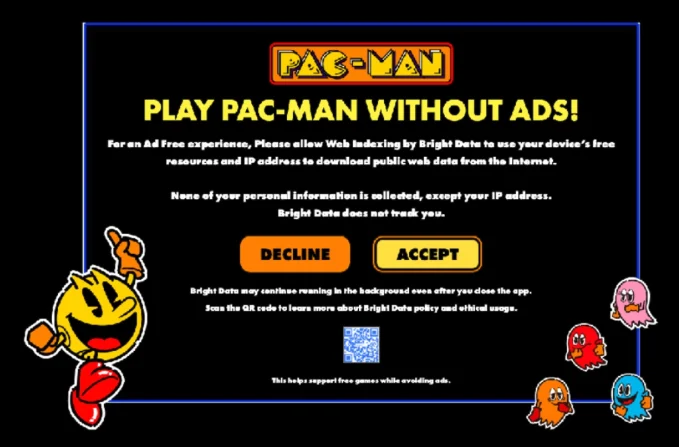
LG Electronics USA announced this week its intention to suspend any applications built for its smart TVs that transform television sets into always-on residential proxy nodes. This decisive action follows a recent investigation that revealed a significant portion of apps available on LG’s webOS platform allow third parties to route internet traffic through users’ televisions without explicit, informed consent. The move signals a growing awareness and concern within the consumer electronics industry regarding the privacy implications of integrating complex network functionalities into everyday home appliances.
The Discovery of Pervasive Proxy SDKs in Smart TV Apps
The controversy surrounding LG’s smart TV apps first gained widespread attention following research published by the cybersecurity firm Spur. On July 2, Spur released a detailed report examining the prevalence of residential proxy software development kits (SDKs) within applications designed for smart televisions. Their findings were stark: over 42 percent of apps available for download on LG smart TVs incorporated SDKs that effectively turned the user’s television into a proxy node, capable of routing internet traffic indefinitely. This functionality, once activated, could allow unknown entities to leverage the user’s internet connection for their own purposes.
The problem was not confined to LG. Spur’s research also indicated that more than a quarter of applications developed for Samsung’s Tizen operating system exhibited similar residential proxy components. These SDKs were found embedded in a wide array of applications, ranging from simple games like Pac-Man and screensavers to essential utility applications, demonstrating a broad integration across the smart TV app ecosystem.
LG’s Response and Commitment to User Privacy
In direct response to Spur’s findings and subsequent inquiries from KrebsOnSecurity, John Taylor, LG Senior Vice President, confirmed the company’s plan to address the issue. Taylor stated that LG is actively working with app developers to remove the residential proxy functionality from their applications on the webOS platform. He emphasized that failure to comply with this directive will result in the suspension of affected apps.
"A residential proxy network is not an intended use for LG smart TVs, and LG Electronics is working with developers to remove the residential proxy option from their apps on the webOS platform," Taylor stated in an emailed response. "If this option is not removed, these apps will be suspended."
Taylor further elaborated on LG’s commitment to safeguarding user privacy and enhancing platform integrity. He assured that the company is dedicated to preventing the proliferation of residential proxy networks within its smart TV app offerings moving forward. LG’s review of existing applications is reportedly "well underway now."
"As part of our ongoing efforts to enhance platform quality and the user experience, LG will continue to strengthen our evaluation process for developer-submitted apps, including those that incorporate residential proxy SDKs," Taylor added. This proactive stance indicates a shift in LG’s approach to app vetting, aiming to prevent similar issues from arising in the future and to ensure a more secure and transparent user experience for its customers.
Understanding Residential Proxy Networks and Monetization Models
Residential proxy networks operate by allowing users to rent out their internet connections to third parties. App developers can monetize their applications by integrating SDKs from proxy providers. These SDKs enable the user’s device, in this case, a smart TV, to act as a proxy node, routing the internet traffic of paying customers. This model, while potentially lucrative for developers, raises significant privacy and security concerns for end-users.
Spur’s report identified Bright Data as a dominant provider of proxy SDKs across both LG and Samsung smart TV platforms. Bright Data, in a statement provided to KrebsOnSecurity, defended its practices, asserting that its network is built on consent, responsibility, and adherence to LG and Samsung’s terms of service.
"Every peer opts in through a dedicated screen and receives value in return; every customer is vetted, and our practices have now undergone a second independent audit by PwC," a Bright Data spokesperson stated. "We remain committed to an open, transparent internet where legitimate businesses, researchers, and institutions can responsibly access data that lives in the public domain."

Bright Data and other proxy providers named in Spur’s report claim to implement rigorous "know-your-customer" processes to verify the legitimacy of their clients. These clients often engage in content-scraping activities. Furthermore, these proxy companies assert that they incorporate technological safeguards designed to prevent customers of their proxy services from interacting with or controlling other devices on the proxy user’s local network.
The Broader Implications for Consumer Privacy
Despite these assurances from proxy providers, critics argue that the fundamental issue lies not in the existence of residential proxy networks, but in their widespread and often opaque integration into devices that consumers do not perceive as traditional computing devices and are not equipped to audit.
Trevor Sutter of Spur highlighted the inadequacy of a one-time consent prompt buried within an app. He argued that such prompts do not constitute meaningful transparency, ongoing user control, or sufficient platform oversight. The risk is significantly amplified, Sutter noted, when consent is obtained from individuals within a household who use the device but are not in a position to provide informed consent, such as minors. This raises ethical questions about how consent is solicited and managed, particularly within family environments.
The integration of proxy SDKs into smart TVs presents a unique challenge because these devices are typically owned and operated by a wider demographic than traditional computer users, many of whom may not possess the technical expertise to identify or manage such functionalities. The reliance on a simple opt-in mechanism within an app, which can be easily overlooked or misunderstood, leaves users vulnerable to having their internet bandwidth and IP addresses utilized in ways they may not comprehend or approve of.
Precedent and Broader Concerns in Device Partnerships
LG’s proactive stance on the residential proxy issue is a welcome development, but it emerges in the wake of other controversies involving the company’s partnerships and pre-installed software. Earlier this week, the YouTube channel Gamers Nexus brought to light concerns regarding LG’s high-end LCD monitors. It was revealed that certain models automatically install an application that promotes paid McAfee antivirus subscriptions. This installation occurs through Windows Update without requiring explicit user approval.
This incident, alongside the residential proxy issue, fuels a broader discussion about the responsibilities of consumer electronics manufacturers in managing the software and services integrated into their products. While partnerships with security software providers or the inclusion of SDKs for various services can offer perceived benefits to consumers, the lack of transparency and user control in their deployment can lead to significant privacy concerns and erode user trust.
The implications of these practices extend beyond immediate privacy risks. The use of a user’s internet connection as a proxy node, even with stated consent, could potentially lead to the user’s IP address being associated with illicit activities, thereby impacting their online reputation or even leading to their internet service being flagged. Furthermore, the bandwidth consumption associated with proxy services could affect the user’s internet performance, particularly for bandwidth-intensive activities like streaming or online gaming.
Future Outlook and Industry Responsibilities
The actions taken by LG Electronics USA represent a significant step towards addressing a pervasive privacy vulnerability in the smart TV ecosystem. The company’s commitment to suspending non-compliant apps and strengthening its app evaluation process could set a precedent for other manufacturers.
As the Internet of Things (IoT) continues to expand, and more devices within our homes become interconnected and capable of complex network operations, the need for robust privacy protections and transparent data handling practices becomes increasingly critical. Consumers expect their smart devices to enhance their lives, not to compromise their digital security or privacy.
The ongoing dialogue between technology manufacturers, cybersecurity researchers, and consumer advocacy groups will be crucial in shaping the future of smart device security. The incident involving LG’s smart TV apps underscores the importance of vigilance and proactive measures to ensure that the convenience and functionality offered by smart technology do not come at the expense of fundamental user privacy rights. The industry as a whole must prioritize user consent, transparency, and control in the development and deployment of all connected device functionalities.