Dolphin X: New AI-Powered Trojan Leverages Behavioral Profiling to Prioritize High-Value Cybercrime Targets


A sophisticated new remote access trojan (RAT) known as Dolphin X is making waves in the cybercrime underground, distinguished by its purported use of an artificial intelligence (AI)-powered profiling feature. This advanced capability allows the malware to analyze infected users, assign them risk scores, and rank them accordingly, thereby enabling cybercriminals to efficiently identify and prioritize the most lucrative targets for exploitation. The discovery of Dolphin X and its unique AI profiling mechanism has been detailed by researchers at Varonis Threat Labs, shedding light on the evolving tactics of sophisticated threat actors.
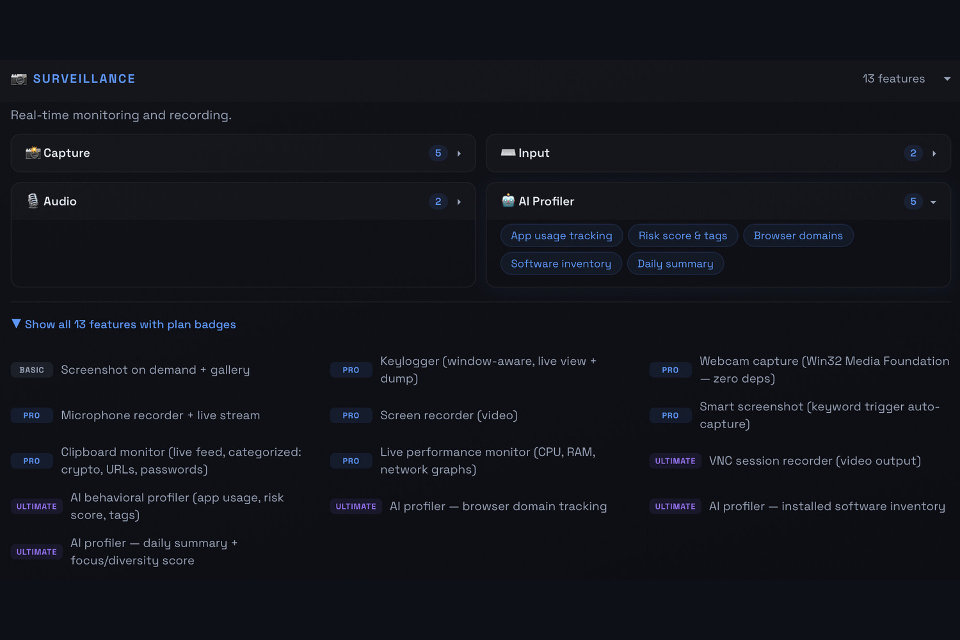
The analysis of Dolphin X began when Varonis Threat Labs researcher Daniel Kelley encountered its advertisement on a prominent cybercrime forum. The vendor, operating under the alias "Kontraktnik," promoted Dolphin X as an all-in-one solution for remote access and data exfiltration, highlighting its extensive feature set. According to Varonis’s findings, the operator panel associated with Dolphin X boasts an impressive array of 329 features, meticulously organized into ten distinct categories. Among these is a potent credential-stealing module that claims to support the compromise of over 300 different applications, underscoring the broad scope of its potential data acquisition capabilities.
However, it is the "AI Profiler" that sets Dolphin X apart from many of its contemporaries. This innovative feature is designed to scrutinize the data collected from infected computers, generating a comprehensive risk assessment for each victim. This risk score is crucial for attackers seeking to maximize their return on investment by focusing their efforts on individuals or organizations that are most likely to yield valuable data, such as financial credentials, sensitive corporate information, or cryptocurrency assets.
The Mechanics of AI-Driven Victim Triage
Credential-stealing malware has long been a prevalent threat, capable of siphoning vast quantities of login information from compromised systems. The sheer volume of data often makes it a daunting task for attackers to manually sift through and identify high-value targets. Dolphin X’s AI Profiler aims to automate this critical step in the attack chain. By acting as an intelligent sorting system, it assigns a numerical risk score to each infected computer, categorizes victims based on their digital footprint, and ranks them according to their perceived value to the attacker.
The operator panel for Dolphin X provides detailed insights into how this profiling mechanism operates. Varonis reports that the AI Profiler analyzes a range of user activities and system configurations, including application usage patterns, associated risk scores and tags, the domains visited by the victim’s web browsers, and the software installed on the compromised machine. This multi-faceted analysis allows for the creation of ranked victim profiles, which are then presented to the attackers in daily summaries. These summaries enable threat actors to strategically prioritize their attacks, focusing on machines that offer the highest probability of accessing lucrative accounts, cryptocurrency holdings, sensitive corporate networks, cloud environments, or critical production systems.

Daniel Kelley, the Varonis researcher who first identified Dolphin X, confirmed the presence of the AI Profiler within the operator panel. He also discovered technical strings within the malware’s code that directly support this profiling workflow. These strings, such as "Auto-Start AI Profiler," "ProfilerStart," "ProfilerGetData," "risk_score," "risk_factors," and "categoryusage," provide strong evidence that the profiling functionality is indeed implemented and capable of processing the necessary data to rank victims. While Varonis could not definitively identify the specific AI engine powering these rankings without analyzing a live sample of the Dolphin X agent in action, the technical indicators strongly suggest its operational presence.
A Deep Dive into Dolphin X’s Capabilities
Beyond its AI profiling feature, Dolphin X is a formidable credential-stealing tool. The operator panel indicates its ability to target an extensive list of applications. This includes nine different Chromium and Gecko-based browsers, over 100 cryptocurrency wallet extensions for browsers, 65 desktop cryptocurrency wallets, 10 popular password managers, and more than 30 cloud command-line tools. This broad targeting scope suggests that Dolphin X is designed to be a versatile instrument for acquiring a wide array of sensitive digital assets.
Furthermore, Dolphin X claims to be capable of exfiltrating highly sensitive developer credentials and configuration files. This includes the theft of ".env" files, which often contain API keys and database credentials; SSH keys, used for secure remote access; cloud access tokens, which grant access to cloud services; and browser login data. The inclusion of these specific targets highlights a focus on compromising environments that are critical for software development, cloud infrastructure management, and secure access, areas often associated with high-value intellectual property and operational control.
It is important to note that Varonis’s analysis was conducted by examining the Dolphin X operator panel, the malware builder, and its associated network traffic, rather than executing a live Dolphin X agent on an infected computer. Consequently, the full extent of the malware’s advertised collection capabilities could not be independently verified by the researchers. However, the insights gained from the operator panel and builder provide a clear picture of the threat actor’s intended functionality and strategic objectives.
The Growing Influence of AI in Cybercrime
The emergence of Dolphin X with its AI-driven profiling capabilities is emblematic of a broader trend: the increasing adoption of artificial intelligence by threat actors. AI is no longer confined to defensive security solutions; it is rapidly becoming a powerful tool for offensive cyber operations. We have seen the rise of AI-powered services like SpamGPT, which leverages AI to generate highly convincing phishing emails, and autonomous AI agents capable of conducting entire cyberattacks with minimal human intervention, as demonstrated by the JadePuffer ransomware.
In the case of Dolphin X, AI is being employed not to automate the execution of an attack from start to finish, but rather to solve a significant operational challenge: the efficient processing and prioritization of stolen data. By analyzing vast quantities of information harvested from compromised systems, the AI Profiler helps cybercriminals overcome the bottleneck of manual data triage, allowing them to focus their resources on the most promising targets. This strategic application of AI significantly enhances the efficiency and potential profitability of their operations.

Background and Timeline of Discovery
The initial advertisement for Dolphin X on a cybercrime forum, where it was promoted by "Kontraktnik," marks the first public appearance of this threat. While the exact date of this advertisement is not specified in the initial report, Varonis Threat Labs’ analysis, conducted by Daniel Kelley, followed shortly thereafter. This proactive research by Varonis allowed for an early understanding of the malware’s capabilities before it could potentially cause widespread damage.
The timeline of events can be summarized as follows:
- Undisclosed Date: Dolphin X is advertised on a cybercrime forum by a vendor using the alias "Kontraktnik."
- Following Advertisement: Varonis Threat Labs researcher Daniel Kelley discovers and analyzes the Dolphin X operator panel, builder, and network traffic.
- Analysis Findings: Varonis researchers identify the novel AI-powered profiling feature and its potential implications for cybercrime operations.
- Reporting: Varonis Threat Labs publishes its findings, detailing the capabilities of Dolphin X and its AI Profiler.
This discovery highlights the constant cat-and-mouse game between cybersecurity researchers and threat actors. As soon as new malicious tools and techniques emerge, security professionals work to analyze and expose them, aiming to provide critical intelligence to organizations and individuals to bolster their defenses.
Supporting Data and Technical Indicators
The technical strings discovered by Daniel Kelley provide concrete evidence of the AI Profiler’s intended functionality:
Auto-Start AI Profiler: Suggests the profiling feature can be automatically initiated upon infection or system startup.ProfilerStart: A command or function to begin the profiling process.ProfilerGetData: Indicates the mechanism for collecting the necessary data for profiling.risk_score: A direct reference to the calculated risk assessment for each victim.risk_factors: Implies that multiple factors contribute to the overall risk score.categoryusage: Suggests that the analysis includes information about application usage categories.
These strings, when viewed in conjunction with the advertised features of the operator panel, paint a clear picture of a sophisticated system designed to automate the identification of high-value targets. The panel’s claim of targeting over 300 applications, including numerous cryptocurrency wallets and cloud tools, further emphasizes the potential financial and operational impact of a successful Dolphin X infection.
Broader Impact and Implications
The development and deployment of malware like Dolphin X have significant implications for cybersecurity at large.
- Increased Efficiency for Attackers: The AI Profiler directly addresses a key challenge for cybercriminals: the time and effort required to sift through data. By automating this process, attackers can operate more efficiently and potentially launch more attacks.
- Sophistication of Cybercrime: The integration of AI into malware signifies a growing sophistication in the tactics, techniques, and procedures (TTPs) employed by threat actors. This trend suggests that cybercrime is evolving from brute-force methods to more intelligent and targeted approaches.
- Elevated Risk for Organizations: Businesses, especially those with significant digital assets, cloud infrastructure, or cryptocurrency holdings, are at increased risk. The ability of Dolphin X to identify and prioritize these valuable targets means that even smaller breaches could lead to significant data exfiltration.
- The Arms Race in AI: The use of AI by attackers necessitates further advancements in AI-driven defensive technologies. Security solutions will need to adapt to detect and counter AI-powered threats, leading to an ongoing arms race in the field of artificial intelligence for cybersecurity.
- Developer and Cloud Security: The targeting of developer credentials and cloud access tokens underscores the critical importance of securing these sensitive areas. A breach in these domains can have cascading effects, compromising entire systems and data repositories.
While Varonis was unable to confirm the specific AI engine used, the mere existence of such a feature in a commercially advertised RAT is a stark warning. It indicates that the tools for conducting highly targeted and efficient cyberattacks are becoming more accessible to a wider range of malicious actors.
Official Responses and Recommendations (Inferred)
Given that Dolphin X is a relatively new discovery and its primary analysis comes from a cybersecurity research firm, direct official responses from law enforcement agencies or major cybersecurity bodies might be limited at this early stage. However, the implications of such a threat are clear, and cybersecurity best practices remain paramount.
Organizations and individuals are strongly advised to:
- Maintain Robust Endpoint Security: Ensure that up-to-date antivirus and anti-malware software is installed and actively running on all devices.
- Implement Strong Authentication: Utilize multi-factor authentication (MFA) wherever possible, especially for access to sensitive accounts and cloud services.
- Practice Vigilant Credential Management: Avoid reusing passwords across multiple platforms and consider using a reputable password manager. Be cautious of phishing attempts that aim to steal login credentials.
- Regularly Update Software: Keep operating systems, web browsers, and all installed applications updated to patch known vulnerabilities.
- Educate Users: Conduct regular cybersecurity awareness training for employees to recognize and report suspicious activities and phishing attempts.
- Secure Cloud Environments: Implement strict access controls, monitor cloud activity for anomalies, and secure cloud credentials and API keys.
- Backup Data Regularly: Maintain regular backups of critical data in an isolated and secure location to enable recovery in the event of a ransomware attack or data breach.
The emergence of Dolphin X, with its AI-driven profiling capabilities, represents a significant evolution in the sophistication of remote access trojans. It underscores the growing trend of threat actors leveraging artificial intelligence to enhance their operational efficiency and maximize their illicit gains, signaling a new era of targeted and intelligent cybercrime.
Related posts: