The Clop Ransomware Gang Targets Critical Vulnerability in PTC Windchill and FlexPLM for Widespread Data Extortion Campaign


A sophisticated and persistent threat actor, the Clop ransomware gang, has launched a new data theft and extortion campaign that exploits a critical vulnerability in PTC’s widely used Product Lifecycle Management (PLM) software, Windchill and FlexPLM. The gang is leveraging a severe improper input validation flaw, identified as CVE-2026-12569, to gain unauthorized access and exfiltrate sensitive intellectual property and corporate data from targeted organizations. This exploitation highlights a recurring pattern of the Clop group targeting enterprise software and critical data repositories for financial gain, posing a significant threat to industries reliant on robust product development and management systems.
The vulnerability, CVE-2026-12569, carries a critical CVSS score of 9.3, indicating a high severity that allows for unauthenticated remote code execution. Cybersecurity firm ReliaQuest was among the first to publicly detail the ongoing exploitation, observing threat actors deploying JavaServer Pages (JSP) webshells. These webshells provide attackers with a persistent backdoor, enabling them to execute commands remotely and, crucially, to exfiltrate large volumes of sensitive data stored within the compromised PLM platforms. While the specific actor behind these initial observed exploits remained unconfirmed by ReliaQuest at the time of their report, the methodology and targeting align closely with the known tactics, techniques, and procedures (TTPs) of the Clop ransomware group. This assessment has since been corroborated by other security organizations.
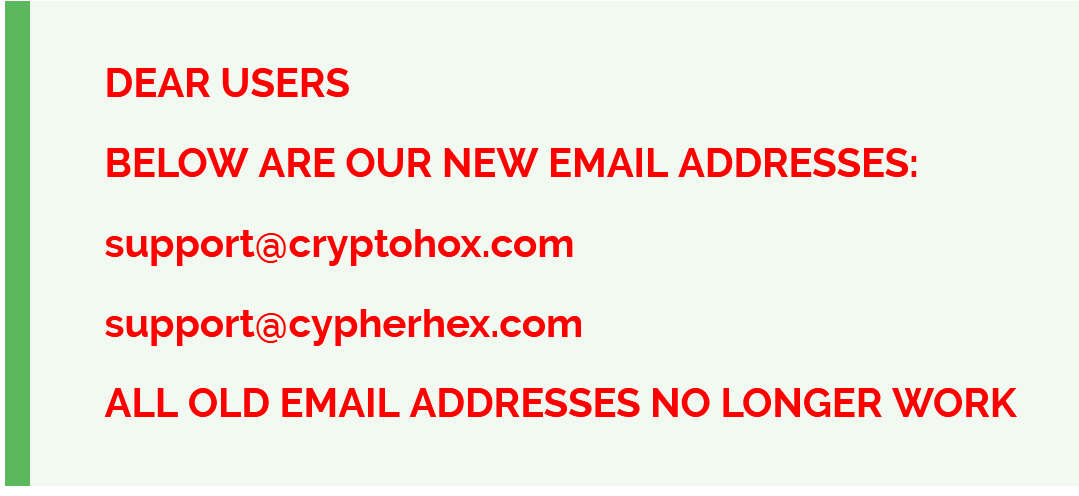
The Ransomware Information Sharing and Analysis Centre (Ransom-ISAC), a non-profit organization dedicated to tracking and defending against ransomware threats, has also confirmed the exploitation of CVE-2026-12569 against PTC Windchill and FlexPLM. Their independent analysis further links these activities to the Clop gang, reinforcing the urgency for organizations to address this threat. BleepingComputer has also learned that affected companies have begun receiving extortion demands from an email address associated with the Clop operation, [email protected]. This move is characteristic of the Clop gang, which frequently rotates its communication channels to evade detection and maintain operational security.
Chronology of Exploitation and Response

The timeline leading up to the widespread awareness and response to CVE-2026-12569 underscores the rapid nature of advanced persistent threats.
- June 17, 2026: PTC, the software vendor for Windchill and FlexPLM, began releasing security patches to address the critical CVE-2026-12569 vulnerability. While PTC did not explicitly confirm in-the-wild exploitation at this stage, they issued remediation guidance through a private advisory and urged customers to meticulously review their environments for any signs of compromise.
- June 25, 2026: The U.S. Cybersecurity and Infrastructure Security Agency (CISA) took decisive action by adding CVE-2026-12569 to its Known Exploited Vulnerabilities (KEV) catalog. This addition was prompted by PTC’s warning to customers about "heightened threat activity." CISA mandated that U.S. federal agencies must patch their vulnerable PTC Windchill and FlexPLM instances within three days, highlighting the immediate and severe risk posed by the flaw.
- June 26, 2026 (and ongoing): ReliaQuest publicly detailed their observations of active exploitation by threat actors, linking the TTPs to the Clop ransomware gang. Concurrently, Ransom-ISAC confirmed the exploitation and its association with Clop. Companies began reporting extortion attempts from the new Clop-affiliated email address.
- Mid-July 2026: German authorities, through the Federal Office for Information Security (BSI), demonstrated extreme urgency in responding to the threat. According to reports from German news outlet Heise, BSI initiated emergency outreach, contacting PTC customers via email and phone, even in the middle of the night, to emphasize the critical need for immediate patching. This mirrored a similar urgent response in March 2026 to a related critical Windchill and FlexPLM flaw (CVE-2026-4681), indicating a pattern of severe vulnerabilities in PTC’s offerings and a proactive stance by German security agencies.
Technical Details and Impact of CVE-2026-12569
CVE-2026-12569 is characterized as a critical improper input validation vulnerability, specifically involving unsafe deserialization. This type of flaw allows an attacker to manipulate the data that the application deserializes, leading to the execution of arbitrary code on the server. In the context of Windchill and FlexPLM, this means an unauthenticated attacker, requiring no prior login credentials, can send specially crafted data to a vulnerable instance. Upon processing this data, the server executes the attacker’s code, granting them full control over the system.
The immediate consequence of this remote code execution is the deployment of JSP webshells. Webshells are malicious scripts that provide a web-based interface for attackers to interact with the compromised server. Through these webshells, threat actors can:
- Execute arbitrary commands: Run any command on the server’s operating system, allowing for reconnaissance, privilege escalation, and further system manipulation.
- Exfiltrate sensitive data: Access and download files from the server. In the case of Windchill and FlexPLM, this data can include highly proprietary product designs, engineering specifications, bills of materials, customer data, supply chain information, and other critical intellectual property.
- Establish persistence: Create backdoors and other mechanisms to maintain access to the compromised system even after initial exploitation.
The impact of such data theft is profound. For organizations in sectors like aerospace, defense, automotive, heavy machinery, retail, and medtech – all of which heavily rely on PTC’s PLM solutions – stolen product designs can lead to the loss of competitive advantage, significant financial damages, and potential national security implications if defense-related intellectual property is compromised. The exposure of customer or supply chain data can result in reputational damage, regulatory fines, and further downstream security risks.

Understanding PTC Windchill and FlexPLM
PTC Windchill and PTC FlexPLM are enterprise-level software platforms that fall under the category of Product Lifecycle Management (PLM). These systems are designed to manage the entire lifecycle of a product, from its initial conception and design through engineering, manufacturing, service, and disposal. Key functionalities include:
- Product Data Management (PDM): Centralizing and controlling all product-related data, including CAD files, documents, and specifications.
- Product Development Collaboration: Facilitating collaboration among engineering, manufacturing, and other cross-functional teams.
- Process Management: Automating and streamlining workflows related to product development, change management, and compliance.
- Supply Chain Integration: Connecting with suppliers and partners to manage product data across the extended enterprise.
PTC boasts a substantial global customer base, with over 30,000 companies utilizing its products. Specifically, over 1,500 brand and retail customers rely on FlexPLM for their product development needs. This widespread adoption means that a single vulnerability in these platforms can expose a vast number of organizations to significant risks.
The Clop Ransomware Gang: A Persistent and Evolving Threat
The Clop ransomware gang, also tracked as Cl0p, is one of the most prolific and disruptive cybercriminal groups active today. They are notorious for their focus on data theft and extortion rather than solely encrypting victim data. Their modus operandi typically involves exploiting zero-day or critical vulnerabilities in enterprise file transfer and data management solutions to gain initial access, exfiltrate large volumes of sensitive data, and then extort victims by threatening to leak the stolen information on their dark web leak site.
Clop has a well-documented history of targeting high-profile platforms and organizations, demonstrating a sophisticated understanding of enterprise infrastructure and a relentless pursuit of high-value data. Previous notable targets and exploited vulnerabilities include:
- Accellion FTA: A secure file transfer appliance.
- GoAnywhere MFT: A managed file transfer solution.
- SolarWinds Serv-U FTP: A secure file transfer protocol server.
- Cleo: A secure file transfer platform.
- MOVEit Transfer: A widely used managed file transfer solution, which led to one of the most significant data breach incidents in recent history, impacting over 2,770 organizations globally.
- Oracle EBS zero-day flaw: Exploited in early August 2025, leading to breaches at prominent entities like Harvard University, The Washington Post, GlobalLogic, the University of Pennsylvania, Logitech, Estée Lauder, Korean Air, and American Airlines subsidiary Envoy Air.
The group’s ability to consistently identify and exploit zero-day vulnerabilities, adapt their tactics, and maintain operational continuity over extended periods makes them a formidable adversary. The U.S. Department of State has acknowledged the significant threat posed by Clop by offering a substantial $10 million reward for information that could link the gang’s attacks to a foreign government, underscoring the geopolitical implications of their activities.
Recommendations for Mitigation and Defense
In light of the ongoing exploitation of CVE-2026-12569, cybersecurity experts strongly advise organizations using PTC Windchill and FlexPLM to take immediate action:
- Patch Immediately: Apply the security patches released by PTC for CVE-2026-12569 as a top priority. This is the most critical step in preventing exploitation.
- Network Segmentation and Access Control: If patching is not immediately feasible, consider placing vulnerable instances behind robust VPNs or trusted access gateways to limit external exposure. Implement strict network segmentation to isolate these critical systems.
- Monitor for Indicators of Compromise (IOCs): Actively search for signs of compromise within your environment. This includes unusual network traffic, suspicious file modifications, and unexpected process execution.
- Incident Response Readiness: If compromise is suspected, immediately isolate affected servers to prevent lateral movement. Collect forensic artifacts for investigation, and crucially, rotate any exposed credentials, including administrative passwords and API keys.
- Security Awareness and Training: Ensure that IT and security teams are aware of the threat landscape and the specific vulnerabilities being exploited by groups like Clop. Regular training on secure coding practices and vulnerability management is essential.
- Leverage Security Solutions: Utilize advanced security tools such as intrusion detection and prevention systems (IDPS), security information and event management (SIEM) systems, and endpoint detection and response (EDR) solutions to detect and respond to malicious activity. Regularly update and tune these systems to identify known IOCs and anomalous behavior.
- Threat Intelligence: Stay informed about emerging threats and vulnerabilities by subscribing to reputable cybersecurity news sources, threat intelligence feeds, and advisories from government agencies and security vendors.
The current campaign by the Clop ransomware gang against PTC Windchill and FlexPLM serves as a stark reminder of the persistent and evolving nature of cyber threats. By understanding the technical details of the vulnerability, the tactics of the attackers, and the critical importance of the targeted software, organizations can better prepare themselves to defend their valuable data and mitigate the potentially devastating consequences of a successful cyberattack. The race to patch and secure these systems is paramount to preventing further data breaches and financial losses at the hands of sophisticated cybercriminal enterprises.