LG Electronics USA to Suspend Smart TV Apps Enabling Residential Proxy Nodes

LG Electronics USA announced this week a significant policy shift, stating its intention to suspend any applications built for its smart TVs that transform a user’s television into an always-on residential proxy node. This decisive action follows closely on the heels of alarming research that revealed a substantial portion of apps available on LG’s webOS store were facilitating the routing of internet traffic through unsuspecting users’ televisions to unknown third parties.
The Discovery of Widespread Proxy SDKs in Smart TV Apps
The revelation stems from an in-depth investigation conducted by the cybersecurity firm Spur, the findings of which were first highlighted on July 2nd. Spur’s research meticulously examined the prevalence of residential proxy software development kits (SDKs) embedded within applications designed for smart televisions. Their report, published on the company’s blog, uncovered a deeply concerning trend: over 42 percent of the apps available for download on LG’s smart TV platform, webOS, contained SDKs that effectively turned the user’s television into a persistent proxy node. This functionality allowed internet traffic from external users to be routed through the LG TV without explicit or ongoing consent from the primary user.
The issue was not confined to LG’s ecosystem. Spur’s analysis also indicated that more than a quarter of the applications developed for Samsung’s Tizen operating system, another major player in the smart TV market, exhibited similar residential proxy components. This suggests a systemic vulnerability across multiple smart TV platforms, raising broader questions about app store oversight and developer monetization strategies.
LG’s Response: A Swift and Decisive Stance
In direct response to the findings presented by Spur, John Taylor, a Senior Vice President at LG Electronics, communicated the company’s commitment to addressing the issue. Speaking with KrebsOnSecurity, Taylor confirmed that LG was actively engaging with app developers to mandate the removal of residential proxy functionalities from their applications on the webOS platform. He unequivocally stated that developers failing to comply with this directive would face the suspension of their apps.
"A residential proxy network is not an intended use for LG smart TVs, and LG Electronics is working with developers to remove the residential proxy option from their apps on the webOS platform," Taylor stated. "If this option is not removed, these apps will be suspended."
Taylor further emphasized LG’s dedication to preventing the integration of residential proxy networks into its smart TV applications moving forward. He indicated that the company’s internal review process for these applications was already "well underway."
"As part of our ongoing efforts to enhance platform quality and the user experience, LG will continue to strengthen our evaluation process for developer-submitted apps, including those that incorporate residential proxy SDKs," Taylor added in his statement. This suggests a proactive approach by LG to bolster its app vetting procedures, aiming to prevent similar issues from arising in the future.
Understanding Residential Proxy Networks and Their Monetization
Residential proxy networks operate by leveraging the internet connections of individual users, effectively renting out their IP addresses to third parties. App developers can monetize their applications by integrating SDKs from residential proxy providers. In exchange for allowing their device to act as a proxy node, developers receive payment. This creates a lucrative revenue stream for app creators, but it comes at the direct expense of user privacy and security, as their internet activity can be masked by the proxy service’s users.
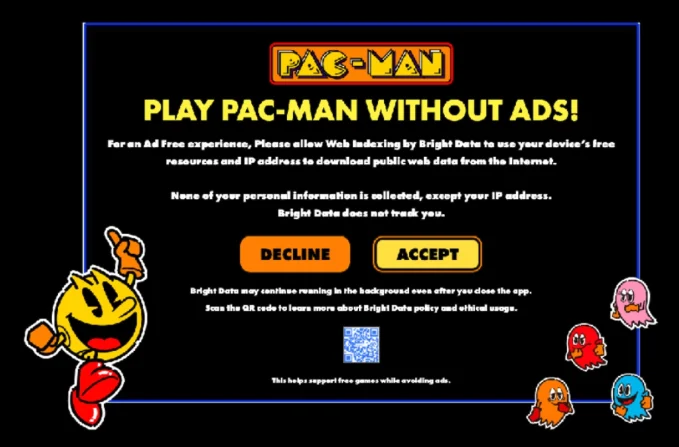
Spur’s research identified that these residential proxy SDKs were not limited to niche or security-focused applications. Instead, they were found embedded in a wide array of seemingly innocuous software, ranging from classic games like Pac-Man to practical utilities such as screensavers and file management tools on both LG and Samsung smart TVs. This broad integration means that a vast number of users could have inadvertently been participating in these proxy networks.

Bright Data: A Major Player in the Proxy SDK Landscape
The Spur report specifically pointed to Bright Data as a dominant provider of residential proxy SDKs across both LG and Samsung smart TV platforms. In a statement released to KrebsOnSecurity, Bright Data defended its operations, asserting that its network is built on principles of consent and responsibility and adheres to the terms of service set forth by LG and Samsung.
"Every peer opts in through a dedicated screen and receives value in return; every customer is vetted, and our practices have now undergone a second independent audit by PwC," a Bright Data spokesperson stated. "We remain committed to an open, transparent internet where legitimate businesses, researchers, and institutions can responsibly access data that lives in the public domain."
Bright Data and other proxy providers mentioned in Spur’s report maintain that they implement stringent "know-your-customer" (KYC) processes to verify the legitimacy of their clients. These clients often engage in activities such as web scraping, where they collect data from public websites. Furthermore, these proxy companies claim to employ technological safeguards designed to prevent users of their proxy services from accessing or controlling other devices on the local network of the proxy provider (i.e., the user’s home network).
The Core of the Problem: Transparency and Control
While proxy providers like Bright Data emphasize consent and vetting, cybersecurity experts like Trevor Sutter of Spur argue that the fundamental issue lies in the pervasive and often opaque integration of these SDKs. Sutter contends that the current model falls short of providing meaningful transparency and ongoing user control.
"A one-time consent prompt buried in a TV app is not a substitute for meaningful transparency, ongoing control, and platform oversight," Sutter wrote in his analysis. He further highlighted the amplified risk when consent is granted by individuals within a household who may not fully understand the implications or possess the authority to provide such consent, citing minors as a particular concern.
The embedding of proxy SDKs in devices that consumers do not typically perceive as computers, and which are not designed for routine security audits, creates an environment ripe for exploitation. Consumers are less likely to suspect their smart TV of acting as a proxy node, making them vulnerable to potential misuse of their internet connection and IP address.
Broader Implications for Smart TV Security and User Trust
LG’s proactive stance in removing these proxy-enabling apps from its webOS store is a welcome development for consumer privacy and security. However, this incident underscores a larger, ongoing challenge for the smart TV industry: ensuring robust app store security and maintaining user trust. The complexity of smart TV operating systems and the diverse range of applications available mean that vigilance is paramount.
The incident also raises questions about the responsibility of platform providers like LG and Samsung to conduct more thorough security and privacy audits of the applications they host. While app developers aim to monetize their creations, this should not come at the expense of user privacy and network security. The potential for these proxy nodes to be misused for illicit activities, such as launching cyberattacks or masking illegal online behavior, is a significant concern that warrants continued attention from both manufacturers and regulatory bodies.
Furthermore, the revelation about LG’s smart TV apps follows closely on the heels of another controversy involving the company. Earlier this week, it was reported that certain LG LCD monitors were automatically installing McAfee security software drivers through Windows Update without explicit user consent. This pattern of what appears to be questionable partnerships and bundled software has led to increased scrutiny of LG’s practices regarding user privacy and the transparency of its product integrations. The Gamers Nexus YouTube channel highlighted how these drivers, which promote paid McAfee antivirus subscriptions, arrived via Windows Update, bypassing the typical user approval prompt. This dual controversy suggests a need for LG to re-evaluate its vendor partnerships and the mechanisms through which software is integrated into its products.
The ongoing dialogue between platform manufacturers, app developers, and security researchers is crucial in navigating the evolving landscape of smart home technology. As smart TVs become increasingly integrated into our daily lives, ensuring that they function as intended – for entertainment and information, not as unwitting participants in global proxy networks – is essential for safeguarding user privacy and maintaining the integrity of the internet. LG’s recent announcement represents a significant step in the right direction, but continued diligence and a commitment to user-centric security practices will be vital for the entire smart TV industry.