Breuninger Accelerates European Expansion Strategy with Entry into Eleven New Markets

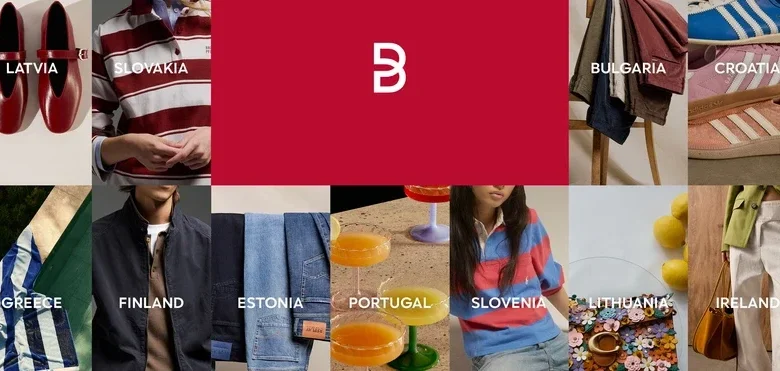
German premium department store group Breuninger has officially announced a significant expansion of its digital footprint, extending its e-commerce reach into eleven additional European countries. This strategic maneuver marks a pivotal phase in the company’s internationalization roadmap, effectively doubling its geographical presence and positioning the brand as a dominant force in the high-end digital fashion and lifestyle retail sector. With this latest rollout, the Stuttgart-based retailer will now operate across 24 European markets, representing a major milestone in its transition from a traditional brick-and-mortar powerhouse to a sophisticated, pan-European digital enterprise.
The expansion encompasses a diverse range of nations, including Finland, Estonia, Latvia, Lithuania, Ireland, Bulgaria, Slovenia, Slovakia, Croatia, Portugal, and Greece. To facilitate this cross-border integration, Breuninger has deployed a dedicated English-language interface, ensuring that the curated luxury shopping experience remains accessible and intuitive for a broader, multilingual customer base.
A Chronology of Digital Transformation
The origins of Breuninger’s digital ambitions can be traced back to 2008, when the family-owned retailer first ventured into the online space. At the time, the launch of an e-commerce platform was seen as a bold diversification strategy, intended to supplement the company’s prestigious physical department stores located across Germany. For over a decade, the digital shop operated primarily as a domestic entity, refining its logistics, curation, and customer service standards.
The pace of internationalization accelerated dramatically in the early 2020s. Recognizing that the future of retail lay in a seamless omnichannel approach, Breuninger intensified its efforts to cross borders. In the first half of 2024 alone, the company successfully launched its services in Denmark, Sweden, and Romania, signaling its readiness to compete in more mature Nordic markets as well as emerging Eastern European economies. This rapid succession of launches confirms that the company is no longer merely testing the waters but is executing a deliberate, data-driven expansion plan aimed at capturing market share in the premium fashion segment.
Marketplace Evolution and the BEYOND Loyalty Program
Beyond the simple expansion of its online storefront, Breuninger is actively broadening the scope of its digital ecosystem. The company’s marketplace model, which was first introduced in Germany in 2020 to allow third-party luxury brands to sell directly through the Breuninger platform, is now undergoing a parallel international rollout.
This marketplace model is currently being integrated into Poland, Austria, and the Netherlands. By expanding the marketplace, Breuninger is not only increasing the volume of available stock but also diversifying its product range to cater to regional tastes and preferences. This allows for a more agile inventory management system, reducing the reliance on a single central warehouse and enabling the company to tap into local supplier networks.
Simultaneously, the retailer is exporting its loyalty program, BEYOND, to these new markets. The BEYOND program is central to Breuninger’s retention strategy, offering high-spending customers exclusive benefits, personalized invitations, and early access to new collections. The migration of this program into new international territories suggests that Breuninger is focused on building long-term, high-value relationships with international shoppers rather than relying on one-off transactional sales.
Executive Perspectives on Strategic Growth
The decision to scale so aggressively is grounded in the company’s assessment of its online performance. According to Holger Blecker, CEO of Breuninger, the online channel has become the primary engine for the group’s revenue growth. "With the simultaneous launch in eleven additional European countries, we are taking a major and important step in our internationalization strategy and strengthening our online business as a key growth driver for Breuninger," Blecker stated. He noted that this expanded presence serves as the fundamental infrastructure required to acquire new customers and build a sustainable international business model that can withstand fluctuations in local economic conditions.
Dr. Felix Kreyer, Chief Customer Officer at Breuninger, emphasized the synergy between the store, the marketplace, and the loyalty program. "Our online shop, marketplace, and BEYOND complement each other in our digital growth strategy," Kreyer explained. "We are opening up new markets, expanding our curated product range, and strengthening the long-term relationship with our customers. In doing so, we are further expanding Breuninger’s position as a digital fashion and lifestyle destination in Europe."
Market Implications and Competitive Analysis
The entry into eleven new markets places Breuninger in direct competition with established luxury e-commerce platforms such as Farfetch, Mytheresa, and Net-a-Porter. However, Breuninger differentiates itself through a "curated" approach. Unlike pure-play marketplaces that rely on high-volume inventory, Breuninger maintains a reputation for high-touch service, blending the aesthetics of a physical luxury department store with the convenience of a modern digital interface.
From a market analysis perspective, this move is highly significant. By targeting a mix of Northern, Southern, and Eastern European countries, Breuninger is diversifying its risk. Markets like Ireland and Finland offer high purchasing power, while the inclusion of countries like Bulgaria and Croatia demonstrates an appetite for tapping into emerging luxury markets where local competition may be less intense.
The technical implications of this expansion are also substantial. Managing logistics, tax compliance, and currency conversions across 24 distinct regulatory environments requires a robust back-end infrastructure. By centralizing the management of these new markets through an English-language platform, the company is demonstrating a commitment to operational efficiency.
Broader Economic Context
The retail sector in Europe has faced significant headwinds, including inflationary pressures, supply chain disruptions, and shifting consumer behavior toward sustainable and "conscious" consumption. Breuninger’s ability to fund and execute such a large-scale expansion suggests a resilient financial position. Historically, family-owned retailers like Breuninger have often been more conservative in their expansion strategies compared to venture-backed platforms. This pivot to a fast-tracked, international, digital-first model marks a transition toward a more aggressive, modern retail philosophy.
The success of this expansion will likely depend on the company’s ability to maintain its "premium" brand image in regions where it does not yet have a physical store presence. In its home market of Germany, the Breuninger name carries significant cultural weight. To replicate this abroad, the company will need to invest heavily in brand awareness campaigns and localized marketing efforts that resonate with the cultural nuances of its new customer bases.
Future Outlook and Strategic Sustainability
As Breuninger moves forward, the focus is expected to shift toward optimizing the customer journey in these new territories. The integration of the marketplace and loyalty programs will be critical in gathering data on consumer behavior in these new markets, allowing for more precise inventory planning.
In conclusion, the decision to expand into eleven additional countries is not merely a geographic tally-up; it is a calculated effort to solidify a European-wide digital infrastructure. By leveraging its heritage as a luxury department store and merging it with a modern, digital-first marketplace model, Breuninger is positioning itself to be a leader in the next generation of European fashion retail. Whether the company can effectively manage the operational complexities of such a rapid rollout while maintaining the high standards of its premium brand will be the defining challenge for its leadership in the coming fiscal years. Nevertheless, the current trajectory indicates that Breuninger has successfully navigated the shift from a localized German retailer to a formidable player on the European stage.
Related posts: