Google Dismantles Massive Android TV Botnet Following Discovery of Malicious Pre-Installed Software

In a significant operation to bolster consumer cybersecurity, Google has successfully collaborated with industry partners to dismantle a sprawling botnet consisting of more than 1.3 million Android TV set-top boxes. These devices, which reached consumers with malicious software pre-installed at the factory level, were covertly weaponized to facilitate advertising fraud and to rent out users’ residential internet connections to anonymous third parties. The operation, led by the Google Threat Intelligence Group (GTIG), marks a major turning point in the ongoing battle against supply-chain compromises in the Internet of Things (IoT) ecosystem.
Security researchers involved in the takedown estimate that the scope of this infection is significantly larger than the initial 1.3 million devices identified. By severing the command-and-control infrastructure associated with the botnet—dubbed "XCPE"—authorities believe they have disrupted access to at least 10 million additional compromised systems. This broader ecosystem includes a variety of Android-based hardware, ranging from telehealth and healthcare monitoring devices to karaoke machines and digital signage, all of which were leveraged to create a massive, global network of residential proxies.
The Anatomy of the XCPE Botnet
The core of the issue lies with Videostrong Technology Co., a China-based manufacturer of TV set-top boxes. Investigations by GTIG and various independent cybersecurity firms concluded that Videostrong intentionally integrated malicious code into the firmware of its devices. This backdoor, named XCPE after one of its primary code components, was designed to execute immediately upon the device’s initial boot-up, effectively turning the hardware into a silent participant in a global criminal enterprise.
The malware functioned by turning each infected unit into a "residential proxy." In this model, the compromised device’s internet connection is sold to criminal affiliates who use it to route traffic through legitimate, home-based IP addresses. This process allows bad actors to mask their true location, bypass geo-blocking, and conduct large-scale cyberattacks, such as account takeover campaigns, mass content scraping for AI training sets, and sophisticated advertising fraud, all while appearing to originate from an unsuspecting consumer’s household network.
Google’s investigation revealed that Videostrong monetized this backdoor by selling access to these devices to various criminal entities, who then deployed additional, secondary malware modules onto the boxes. The manufacturer’s decision to integrate this functionality at the factory level constitutes a profound breach of user trust, placing millions of consumers at risk of data theft and secondary infections.
A Chronology of Discovery and Disruption
The discovery of the XCPE botnet is the culmination of years of investigative work by security researchers and industry watchdogs. The timeline of the rise and eventual collapse of these malicious networks is complex, spanning several high-profile security events:

- 2023: The popularity of devices like the MECOOL set-top box begins to surge, fueled by social media endorsements and influencer marketing on platforms like YouTube.
- January 2026: The startup Synthient publishes research on the "Kimwolf" botnet, documenting its rapid expansion across millions of Android devices. This research highlights the vulnerability of these set-top boxes and their role in massive Distributed Denial of Service (DDoS) attacks.
- June 2026: The FBI and international partners seize hundreds of domains linked to NetNut, a residential proxy provider associated with the "Popa" botnet, which also utilized compromised TV boxes.
- October 2026: Oxylabs, a major player in the proxy space, undergoes a corporate rebranding to "Source" following a significant funding injection, amid increasing scrutiny of the residential proxy industry.
- November 2026: Google officially announces the takedown of the XCPE botnet infrastructure, citing the collaboration with Synthient and other security entities to block the domains and servers used by Videostrong.
The Role of Residential Proxy Providers
The XCPE botnet was not an isolated operation; it functioned as a distribution node for various residential proxy services. These services often operate under the guise of legitimate business models, allowing users to rent out their unused bandwidth. However, as the GTIG report highlights, the software development kits (SDKs) used by these providers were frequently exploited to facilitate malicious activity.
Companies named in the report as having their SDKs linked to the XCPE botnet include AppSalt (Honeygain), NetNut, EarnFM, Traffmonetizer, Jaguar, LINKFOG, BMW/IPWeb, and GaGaNode. While some of these providers claim to operate within legal frameworks, the investigation underscores the danger inherent in bundling third-party SDKs—particularly those that open a device’s network to outside traffic—into consumer hardware without rigorous vetting.
The involvement of companies like Skyworth Technology, through their MECOOL product line, further illustrates the systemic nature of the problem. Research by Synthient confirmed that MECOOL devices were also bundling Videostrong’s malware, effectively allowing multiple criminal entities to "piggyback" on the same infected hardware.
Industry and Official Responses
Google has maintained that it requires all Android device manufacturers to adhere to strict compatibility and security testing. However, the Videostrong case demonstrates that manufacturers found ways to bypass these checks, often by triggering the malicious software shortly after the initial device setup. Google states that it has since addressed the specific technical weaknesses that allowed this exploit to persist.
The Motion Picture Association (MPA) has also become increasingly active in this space. By partnering with researchers like those at Synthient, the MPA has sought to analyze the internal mechanisms of these devices. This push is largely driven by the fact that many of these set-top boxes are marketed specifically for their ability to stream pirated content, creating a nexus between copyright infringement and digital insecurity.
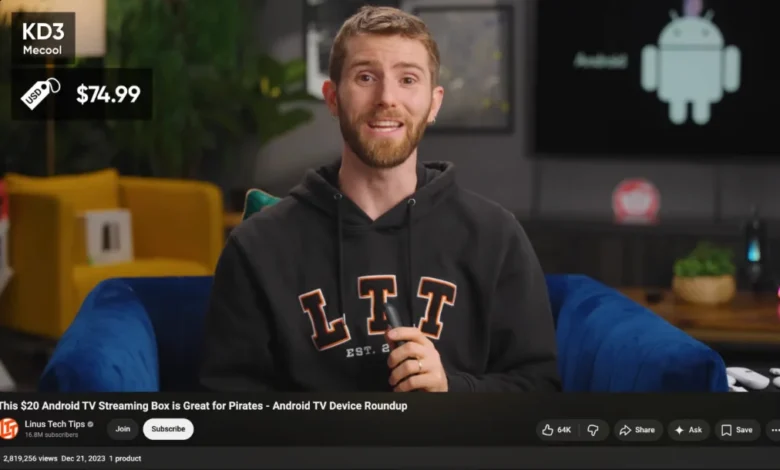
YouTube influencers, such as the channel Linus Tech Tips, have faced scrutiny for previous endorsements of products like MECOOL. In response to the revelations, many have moved to update their content, reclassifying these devices as security risks and removing affiliate links that previously generated revenue for their channels.
Broader Implications for the IoT Market
The takedown of the XCPE botnet serves as a sobering reminder of the "silent" security threats embedded in the global hardware supply chain. For the average consumer, the convenience of a low-cost, feature-rich streaming box often obscures the hidden costs of data privacy and network integrity.

"The scale of affected devices is likely way higher than what we have confirmed," noted Ben Brundage, founder of Synthient. "This is probably the largest operation against backdoored TV boxes that we have seen to date."
The implications are far-reaching. As IoT devices—including smart appliances, healthcare monitors, and home security systems—become increasingly integrated into the home, the potential for a "compromised local network" grows. A single infected TV box can act as a bridgehead, allowing attackers to pivot to other, more sensitive devices within the same home network.
Furthermore, the involvement of publicly traded companies and major private equity firms in the residential proxy ecosystem raises significant questions regarding corporate accountability. When a business model relies on the commoditization of residential IP addresses, the line between legitimate traffic routing and criminal botnet activity often becomes blurred.
Moving Toward a More Secure Future
As the dust settles on the XCPE takedown, the industry is left with several key takeaways. First, the need for increased supply-chain transparency is more critical than ever. Manufacturers must be held to higher standards of security, and the "white-labeling" of hardware—where a single factory produces devices for dozens of different brands—makes it difficult for consumers to track the origin and safety of their electronics.
Second, security researchers are calling for a more aggressive approach to auditing firmware. The fact that malware could be triggered post-boot suggests that current security testing protocols may be too static. Future efforts will likely focus on behavioral analysis, where devices are monitored for suspicious network activity after they have reached the end user.
Finally, the XCPE operation highlights the power of public-private partnerships. By sharing intelligence between major platform providers like Google, security startups like Synthient, and law enforcement agencies, the cybersecurity community can disrupt large-scale threats that would be difficult for any single entity to tackle alone.
While the dismantling of the XCPE botnet is a significant victory, it is unlikely to be the final chapter in the story of compromised IoT devices. As long as there is profit to be made from renting out residential internet bandwidth and conducting advertising fraud, malicious actors will continue to seek new ways to exploit the supply chain. For consumers, the best defense remains a healthy skepticism of "too-good-to-be-true" hardware and a proactive approach to securing their home networks against unauthorized traffic.