Indonesia Explores Malaysian Partnership for Rice Packaging Amid Soaring Global Plastic Prices and Supply Chain Volatility

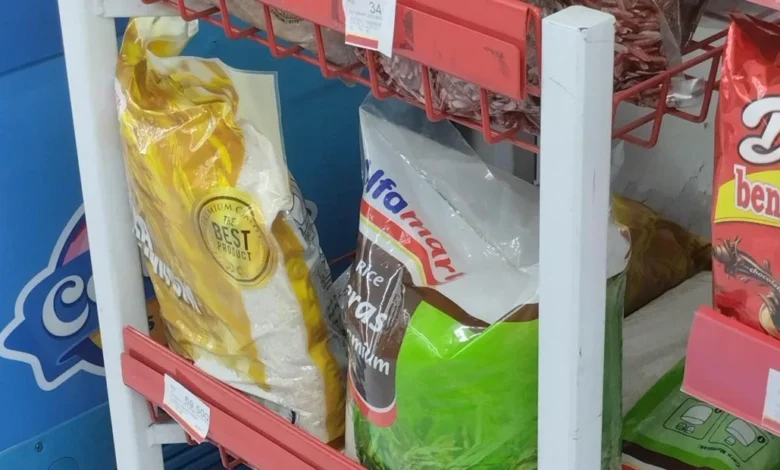
The Indonesian government is actively exploring a potential collaboration with Malaysia to procure plastic packaging for rice, a strategic move necessitated by the significant surge in global plastic prices, primarily a fallout from escalating conflicts in the Middle East. This initiative signals Indonesia’s proactive stance in mitigating supply chain disruptions and ensuring the stability of its vital food sector. The exploration of this partnership emerged serendipitously during broader discussions between the two nations concerning rice trade, underscoring the pragmatic approach Jakarta is taking to address immediate economic challenges.
Background: Global Plastic Market Under Duress
The global plastic market has been experiencing unprecedented volatility and price hikes, a direct consequence of a confluence of geopolitical tensions and supply chain vulnerabilities. Plastic, fundamentally a petrochemical derivative, is intrinsically linked to crude oil prices. The ongoing conflicts in the Middle East, particularly their impact on major oil-producing regions and critical shipping lanes like the Red Sea, have driven up crude oil benchmarks significantly. This, in turn, has translated into higher costs for naphtha and other feedstocks essential for plastic resin production.
Furthermore, disruptions in global shipping, including rerouting of vessels around the Cape of Good Hope to avoid Red Sea hostilities, have led to increased freight costs, extended delivery times, and strain on container availability. These factors compound the manufacturing costs of plastic products, ultimately passing higher expenses down to end-users like Indonesia. For a nation heavily reliant on plastic packaging for the distribution and preservation of its staple food, rice, these price increases pose a substantial threat to food security and national economic stability. Indonesia’s domestic plastic industry, while significant, still relies on imported raw materials for a substantial portion of its production, making it susceptible to these global market fluctuations. The quest for alternative, cost-effective, and reliable sources for crucial inputs like packaging is therefore a strategic imperative.
Chronology of Engagement: From Rice to Packaging
The initial impetus for the Indonesian delegation’s visit to Malaysia was to discuss cooperation specifically regarding rice, a staple commodity crucial for both nations’ food security agendas. Sam Herodian, Special Staff to the Minister of Agriculture for Government Policy, revealed that the conversation expanded organically during these bilateral talks. "The offer for plastic packaging surprisingly emerged when I returned from Malaysia," Herodian stated during a media briefing in Jakarta Pusat on Monday, April 20, 2026. He elaborated that while Indonesia was offering rice, Malaysia, a diversified trading partner, also has significant export and import activities across various goods. "I mentioned that we are facing difficulties with plastic supply," Herodian added, highlighting the informal yet critical nature of how the topic was introduced and subsequently pursued.
This spontaneous broadening of the discussion underscores the urgent need perceived by the Indonesian government regarding packaging materials. The visit, initially focused on traditional agricultural commodity trade, quickly evolved to encompass a more comprehensive supply chain solution, reflecting the dynamic nature of international economic diplomacy. The discussions are currently in the preliminary "exploratory stage," meaning no definitive agreements have been reached, but the potential for a mutually beneficial partnership is clearly being evaluated. This exploratory phase typically involves detailed technical discussions, cost analysis, and evaluation of logistical feasibility, laying the groundwork for potential future agreements.
Specifics of the Proposed Cooperation: Beyond Standard Packaging
The discussions with Malaysia are not limited to conventional plastic packaging but extend to advanced storage solutions. Sam Herodian elaborated that the Indonesian government has requested detailed specifications from Malaysia regarding their products. This includes not only the standard 5-kilogram plastic bags commonly used for rice packaging but also more sophisticated options such as hermetic bags.
Hermetic bags represent a significant advancement in food storage technology. These airtight, moisture-proof bags are designed to create an oxygen-deprived environment, which effectively inhibits the growth of insects, molds, and fungi. This technology allows for the long-term preservation of grains, including rice, for up to 2-3 years without the need for chemical fumigants or other preservation agents. For a country like Indonesia, which frequently grapples with post-harvest losses due to inadequate storage and pest infestation, the adoption of hermetic bags could be transformative. It offers a sustainable and chemical-free method to maintain the quality and extend the shelf life of strategic food reserves, thereby bolstering national food security and reducing waste.
Herodian further clarified that the plastic products being discussed would be custom-made according to Indonesia’s specific requirements. "The plastic will be custom-ordered, based on our specifications, including size and material type," he explained. This bespoke approach ensures that the packaging solutions are perfectly tailored to Indonesia’s operational needs, whether for small retail packaging or large-scale, reusable storage. The emphasis on custom orders also suggests a potential for Malaysia to act as a manufacturing hub, producing finished goods rather than just supplying raw plastic pellets, which could offer Indonesia significant advantages in terms of quality control, cost-effectiveness, and streamlined logistics.
Supporting Data and Market Analysis: Indonesia’s Plastic and Rice Sectors
Indonesia is one of the world’s largest consumers of plastic, with packaging accounting for a significant portion of its total plastic demand. The domestic plastic industry, while robust, faces challenges due to its heavy reliance on imported petrochemical raw materials. According to data from the Indonesian Olefin, Aromatic, and Plastic Industry Association (INAPLAS), domestic plastic raw material production only meets approximately 40-50% of national demand, making the country vulnerable to international price fluctuations and supply chain disruptions. The total installed capacity for plastic resin in Indonesia is estimated to be around 4-5 million tons per year, yet actual production often falls short due to various factors, including feedstock availability and market dynamics. The packaging sector alone consumes roughly 60% of Indonesia’s plastic output, highlighting its critical role across various industries, especially food and beverages.
The Indonesian rice sector is of paramount importance, as rice is the primary staple food for over 270 million people. National rice production typically hovers around 30-32 million tons of unhusked rice (gabah) annually, which translates to about 17-19 million tons of milled rice. Despite efforts towards self-sufficiency, Indonesia often needs to import rice to stabilize domestic supply and prices, particularly during periods of adverse weather or increased demand. The State Logistics Agency (BULOG) plays a crucial role in managing national rice reserves, procurement from farmers, and distribution to maintain price stability. Effective packaging and storage are fundamental to BULOG’s operations, as poor storage can lead to significant losses, estimated to be between 10-15% of total harvest annually, due to spoilage, pests, and environmental factors. Current storage methods often involve conventional sacks and warehouses, which are susceptible to these issues. The introduction of hermetic bags could revolutionize BULOG’s storage capabilities, enhancing its capacity to maintain strategic reserves for longer periods without degradation.
Malaysia, a significant player in the petrochemical industry within Southeast Asia, possesses robust manufacturing capabilities for various plastic products. Its well-developed infrastructure and access to raw materials (being an oil and gas producer) position it as a competitive supplier in the region. A partnership with Malaysia could therefore provide Indonesia with a stable and geographically proximate source for critical packaging materials, reducing reliance on more distant and volatile international markets.
Inferred Statements and Reactions from Related Parties
While no official statements from other Indonesian ministries or agencies beyond the Ministry of Agriculture have been released regarding this specific exploratory talk, the implications suggest potential interest and considerations from several key stakeholders:
- Ministry of Trade/Industry: Officials from these ministries would likely be assessing the impact of such an import on Indonesia’s domestic plastic manufacturing sector. While the immediate goal is to secure supply amid high prices, there would be a need to balance this with protecting and developing local industries. Any long-term agreement would likely involve discussions on technology transfer, local content requirements, or reciprocal trade benefits to ensure fair competition and sustainable growth for Indonesian manufacturers. They would also evaluate the cost-effectiveness compared to supporting domestic production with subsidies or incentives.
- BULOG (State Logistics Agency): As the primary custodian of national rice reserves, BULOG would undoubtedly welcome initiatives that improve storage efficiency and reduce post-harvest losses. The prospect of using hermetic bags, which promise extended shelf life without chemicals, aligns perfectly with their mandate to ensure food quality and availability. Cost savings from reduced spoilage and potentially more competitive pricing for packaging would directly benefit BULOG’s operational budget and contribute to more stable rice prices for consumers.
- Farmers and Consumer Groups: Farmers could benefit indirectly from more stable rice prices, improved storage facilities (if the hermetic bags are adopted by cooperatives or BULOG for farmer-level storage), and reduced post-harvest losses. Consumers would benefit from a more consistent supply of high-quality rice at stable prices, as packaging costs are a component of the final retail price. Any measure that helps contain these costs ultimately benefits the end-consumer.
- Environmental Advocates (Cautious Optimism): While the article primarily addresses economic and supply chain issues, environmental groups would likely urge the government to consider the broader implications of plastic imports. This would include ensuring the sourced plastic is recyclable, promoting sustainable end-of-life management, and exploring alternatives or circular economy principles in the long term. The emphasis on reusable storage solutions mentioned by Herodian could be seen as a positive step in this regard, reducing single-use plastic consumption.
Broader Impact and Implications
The potential partnership with Malaysia for rice packaging carries several significant broader implications for Indonesia:
- Enhanced Food Security: A reliable and cost-effective supply of packaging materials is fundamental to maintaining Indonesia’s food security. By securing crucial inputs, the government can better manage its rice reserves, ensure efficient distribution, and mitigate price volatility, thereby safeguarding access to staple foods for its population. The adoption of advanced storage technologies like hermetic bags could significantly reduce post-harvest losses, making existing rice supplies stretch further.
- Economic Stability and Inflation Control: Packaging costs are a significant component of the overall cost of goods. By stabilizing or reducing these costs through strategic procurement, Indonesia can exert better control over food inflation, which is a key economic indicator and directly impacts household purchasing power. This pragmatic approach helps to insulate the domestic economy from external shocks.
- Diversification of Supply Chains: This initiative is a clear example of Indonesia’s strategy to diversify its supply chains for critical inputs. Relying on a single or limited set of suppliers, especially for essential commodities, exposes a nation to significant risks. By exploring options with Malaysia, Indonesia is strengthening its resilience against future global disruptions, whether they stem from geopolitical conflicts, natural disasters, or pandemics.
- Strengthening Bilateral Relations: Economic partnerships, particularly in strategic sectors like food and essential industrial inputs, deepen bilateral relations. This collaboration could pave the way for broader economic cooperation between Indonesia and Malaysia, fostering greater regional integration and mutual benefit beyond traditional commodity trade.
- Technological Advancement in Agriculture: The specific interest in hermetic bag technology signals a forward-looking approach by the Indonesian Ministry of Agriculture. Implementing such advanced storage solutions across the national food supply chain could lead to a significant modernization of agricultural practices, reducing reliance on chemical treatments and improving the overall quality and safety of food products.
The current discussions remain in the exploratory phase, underscoring the government’s commitment to a thorough evaluation before making any definitive commitments. Sam Herodian emphasized this point, stating, "Not yet [agreed], it’s still new exploration. This means we have other sources, it doesn’t have to be from there." This highlights Indonesia’s strategic flexibility, indicating that while Malaysia presents a promising option, Jakarta is keeping all avenues open to ensure the best possible outcome for its national interests. The pragmatic search for reliable and affordable plastic packaging reflects Indonesia’s resolve to navigate complex global economic headwinds while prioritizing the stability of its domestic food supply.