Amazon Pharmacy and eNavvi Collaborate to Integrate Real-Time Prescription Data into Clinical Workflows

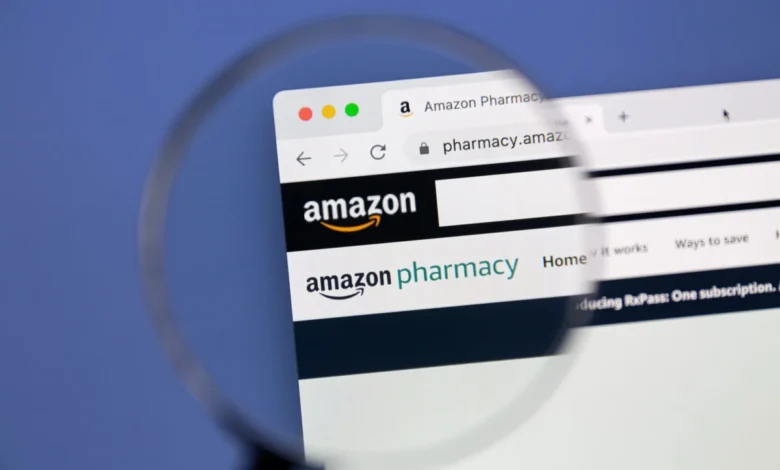
The landscape of American healthcare is undergoing a significant digital transformation as Amazon Pharmacy and eNavvi, a prominent digital prescription platform, announced a strategic collaboration designed to modernize the way medications are prescribed and fulfilled. By integrating Amazon’s extensive logistics and pricing data directly into the clinical workflow, the partnership aims to eliminate the traditional gap between a physician’s recommendation and the patient’s purchase. This move represents a shift toward a "single point-of-sale" (POS) model within the healthcare sector, mirroring the frictionless checkout experiences that have become standard in broader ecommerce environments.
Under the terms of the agreement, eNavvi will incorporate Amazon Pharmacy’s real-time data regarding medication pricing, stock availability, and delivery timelines into the software interfaces used by healthcare providers. This integration allows clinicians to view the exact cost of a medication and its delivery window at the moment they are consulting with a patient. By providing this level of transparency, the two companies hope to increase medication adherence, reduce the administrative burden on clinics, and offer patients a more convenient path to receiving essential treatments.
The Evolution of Point-of-Care Prescribing
Historically, the process of prescribing medication has been fraught with informational silos. A physician might write a prescription without knowing if the patient’s local pharmacy has the drug in stock or what the out-of-pocket cost will be after insurance or discount programs are applied. This often leads to "sticker shock" at the pharmacy counter, resulting in abandoned prescriptions. Industry data suggests that nearly 20% to 30% of prescriptions are never filled, and approximately 50% of medications for chronic diseases are not taken as prescribed.
The collaboration between eNavvi and Amazon Pharmacy seeks to solve this by bringing the "checkout" experience into the exam room. Simon Chang, Chief Executive Officer at eNavvi, emphasized that the partnership fundamentally alters the physician’s toolkit. "This collaboration fundamentally changes what physicians can see and do at the moment of prescribing," Chang stated. "Transparent pricing, real-time availability, and direct routing to Amazon Pharmacy means better decisions and fewer barriers between patients and the medications they need."
By embedding these capabilities into the prescribing screen, the platform allows doctors to act as a concierge for the patient’s pharmacy needs. If a patient knows exactly what they will pay and that the medication will arrive at their doorstep the same day, the likelihood of follow-through increases significantly.
Strategic Context: Amazon’s Healthcare Ambitions
This partnership is the latest in a series of aggressive moves by Amazon to capture a larger share of the $450 billion U.S. prescription drug market. Amazon’s journey into healthcare began in earnest with the 2018 acquisition of PillPack, a digital pharmacy known for its dose-packaging service. Since then, the company has launched Amazon Pharmacy, introduced the RxPass subscription service, and acquired the primary care provider One Medical.
Amazon’s dominance in the general ecommerce space provides a formidable foundation for this expansion. According to Digital Commerce 360’s Top 1000 Database, Amazon holds the No. 1 spot among North American online retailers by annual ecommerce sales. It also ranks No. 3 in the Global Online Marketplaces Database, which tracks third-party gross merchandise value (GMV). However, the company is still scaling its specialized technological capabilities, currently ranking No. 158 in Digital Commerce 360’s AI Commerce Rankings.
The integration with eNavvi leverages Amazon’s most potent asset: its logistics network. Amazon’s same-day delivery capabilities for medications are now live in nearly 3,000 U.S. cities. For patients, this means that a prescription written at a 10:00 AM doctor’s appointment could potentially be delivered to their home by late afternoon, bypassing the need for a physical trip to a retail pharmacy.
Aligning Healthcare with Global Ecommerce Trends
The shift toward integrating the purchase decision with the moment of discovery is not unique to healthcare. Analysts suggest that the eNavvi and Amazon Pharmacy deal is a direct application of "social commerce" logic to the medical field. Vivien Garnès, co-CEO and co-founder of the influencer marketing platform Upfluence, noted that the healthcare industry is finally catching up to trends seen on platforms like TikTok and Instagram.
"We’ve actually been seeing this shift play out in influencer marketing," Garnès explained. "The purchase decision used to happen after the discovery moment. A follower would see a product they like on a feed. They’d have to open a separate screen, go to the product website, find it, add it to cart, and purchase. Too many touchpoints where a sale could be lost."
Garnès argues that eNavvi’s decision to embed Amazon Pharmacy into the prescribing screen follows the same logic as "shoppable content." By placing the checkout where the decision is made, the companies are erasing the friction that typically leads to consumer drop-off. "The winners in any industry right now are the ones erasing the friction between deciding and buying," Garnès added.
Addressing Inefficiencies and "Pharmacy Deserts"
Beyond convenience, the partnership addresses critical issues of health equity and access. As traditional brick-and-mortar pharmacies face economic pressures—highlighted by the hundreds of store closures announced by chains like CVS, Walgreens, and Rite Aid—many communities are falling into "pharmacy deserts." These are areas, often in rural or low-income urban settings, where residents lack easy access to a physical pharmacy.
Alys Reynders, Chief Marketing Officer at Quickbase, a no-code workflow platform, believes this digital integration is a necessary response to these systemic failures. "Given that the healthcare sector has long struggled with inefficiencies when it comes to digital transformation and the secure flow of patient data, the collaboration between eNavvi and Amazon Pharmacy for real-time prescription orders and medication pricing has the potential to transform patient access to important treatments," Reynders said.
Reynders noted that by providing clinicians with direct access to real-time costs and availability, the platform can mitigate the impact of hidden fees and physical bottlenecks. "As the world continues to shift into a fully interconnected and online-first ecosystem, the prospect of ‘pharmacy deserts’ emerging… can be mitigated using Amazon’s highly-efficient nationwide delivery network," she stated.
Financial Incentives and Patient Savings
To further drive adoption, Amazon is integrating its Prime membership benefits into the eNavvi workflow. Patients who are Prime members can access significant discounts, including up to 80% off generic medications when paying without insurance. Additionally, patients can opt into RxPass, a $5 monthly subscription program that covers more than 50 common generic medications for conditions such as high blood pressure, anxiety, and acid reflux.
Tanvi Patel, Vice President and General Manager at Amazon Pharmacy, emphasized the company’s commitment to transparency. "Amazon Pharmacy is committed to providing a transparent pharmacy experience that removes the friction preventing patients from reliably accessing the medications they are prescribed," Patel said. "By integrating directly into the prescribing workflow with eNavvi, we are helping clinicians and patients make informed decisions about their health. We know that when patients can conveniently access their medications, they take them and live healthier lives."
Future Implications for the Healthcare Ecosystem
The implications of this partnership extend beyond simple convenience. If successful, this model could pressure other pharmacy benefit managers (PBMs) and retail pharmacy chains to increase their pricing transparency and digital integration. For years, the "black box" of drug pricing has been a point of contention for lawmakers and patient advocates alike. By making real-time, cash-price comparisons a standard part of the prescribing process, Amazon and eNavvi are introducing a level of market competition that has been largely absent from the point of care.
However, the move is not without its challenges. Critics and privacy advocates often raise concerns about the entry of Big Tech into the healthcare space, specifically regarding the handling of sensitive patient data. Amazon and eNavvi have maintained that their systems are built to be secure and compliant with the Health Insurance Portability and Accountability Act (HIPAA), ensuring that prescription data is handled with the highest level of confidentiality.
Furthermore, the success of the initiative depends on the willingness of healthcare providers to adopt new workflows. While the eNavvi platform is designed to be intuitive, the medical field is notoriously slow to change its administrative habits. The partnership will need to demonstrate clear time-savings for clinical staff—such as a reduction in the number of phone calls from pharmacies regarding out-of-stock items or prior authorization issues—to achieve widespread implementation.
As Alys Reynders of Quickbase observed, this collaboration may be just the beginning of a broader movement toward an "interconnected and online-first" healthcare ecosystem. "Creating a secure corridor for prescription data to drive the rapid access to treatments for patients throughout the United States, the partnership between eNavvi and Amazon Pharmacy provides a glimpse into how medicine in the age of digital transformation can thrive," she concluded.
With the rollout of these integrated features, the healthcare industry will be watching closely to see if the "Amazon effect"—the combination of low prices, high transparency, and rapid delivery—can finally solve the persistent problem of medication non-adherence and modernize the American pharmacy experience.