Beyond Conventional Nutrition: The Scientific Discovery of High-Energy Cockroach Milk Protein Crystals

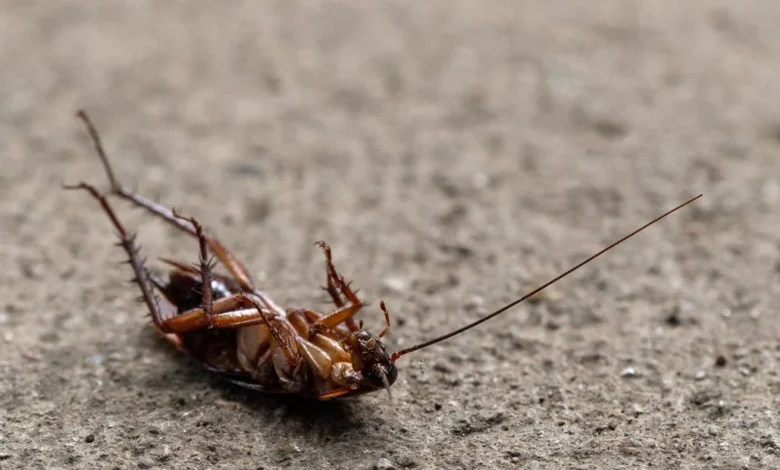
Jakarta – While the mere mention of cockroach milk may elicit visceral reactions of disgust, a groundbreaking biological study has elevated this unusual substance to the forefront of structural biology research. A team of international scientists, including Leonard Chavas of Nagoya University, Ramaswamy Subramanian of Purdue University, and Nathan Coussens of the Frederick National Laboratory for Cancer Research, have been awarded the 2026 Ig Nobel Prize in Chemistry for their rigorous investigation into the nutritional profile of the Pacific beetle cockroach, Diploptera punctata. Their work, which dissects the molecular architecture of protein crystals found within these insects, reveals a form of biological energy storage that far exceeds the caloric density of bovine milk, challenging existing paradigms of how embryos derive nutrition in the insect world.
The Biological Anomaly of Diploptera punctata
Unlike the vast majority of cockroach species that lay eggs (oviparity), Diploptera punctata is unique in its reproductive strategy. It is viviparous, meaning it gives birth to live young. Within the mother’s brood sac—a specialized structure functioning analogously to a mammalian uterus—the developing embryos are nourished by a secreted, nutrient-dense fluid.
As the embryos ingest this secretion, their digestive systems process the fluid, leading to the formation of small, stable protein crystals. This crystallization process is not merely a biological byproduct but a sophisticated mechanism for sustained nutrient delivery. By converting liquid nutrition into a solid, concentrated form, the embryo ensures a consistent supply of amino acids, lipids, and carbohydrates throughout its developmental cycle, effectively creating a "slow-release" energy package that allows for rapid growth in a confined environment.
Chronology of the Discovery
The journey to this discovery began long before the 2026 recognition. The core research was initially published in the journal IUCrJ in 2016, where the team first detailed the structural analysis of these protein crystals. The study utilized advanced X-ray crystallography, a technique that allows researchers to map the atomic structure of complex molecules.
The 2026 Ig Nobel Prize, awarded on September 3, 2026, in Zurich, Switzerland, served to highlight the long-term significance of this work. While the Ig Nobel Prize is colloquially known for celebrating research that "makes you laugh, then makes you think," the scientific community emphasizes that the research itself is entirely legitimate and rooted in serious structural biology. The recognition serves to bridge the gap between niche entomological findings and broader public scientific literacy.
Comparative Nutritional Analysis
The most striking revelation of the study lies in the comparison between the nutritional density of these crystals and conventional milk. According to the research findings, a single crystal of D. punctata "milk" possesses a caloric and nutritional value more than three times that of an equivalent volume of cow’s milk.
This hyper-concentration is essential for the cockroach embryo. Because the embryo does not have access to an external food source during gestation, the crystals act as a dense, bioavailable energy reserve. In human nutritional terms, if one were to compare the density of proteins, lipids, and carbohydrates, the cockroach crystal represents a highly efficient biological delivery system. While human milk is optimized for the specific developmental requirements of human infants—providing immunity and growth factors—the cockroach crystal is optimized for maximum caloric density, allowing the insect embryo to thrive in a nutrient-restricted environment.
Scientific Methodology and Structural Insights
The research team employed X-ray diffraction techniques to peer into the atomic lattice of the crystals. They discovered that these structures are not simply protein aggregates but are complex, organized matrices that integrate essential nutrients. By mapping the atoms, the team identified the specific configurations that allow these proteins to remain stable and resist degradation until they are needed by the embryo.
This level of detail provided by the researchers at Nagoya, Purdue, and the Frederick National Laboratory demonstrates the utility of modern biophysics. It answers fundamental questions about insect physiology while simultaneously providing data on how protein structures can be engineered or utilized in other scientific contexts, such as drug delivery systems or advanced food science applications.
Addressing Misconceptions and Public Perception
Following the media coverage surrounding the 2026 Ig Nobel award, there has been significant public speculation regarding the viability of cockroach milk as a human food source. Scientists involved in the project have been quick to temper such expectations.
"The research is not a call to develop commercial cockroach dairy," notes one lead researcher. "The discovery is about understanding the survival mechanisms of Diploptera punctata. The extraction of these crystals is a labor-intensive process that would be entirely impractical for human consumption at scale."
From a practical standpoint, the production of these crystals would require the harvesting of thousands of individual cockroaches to obtain a negligible amount of protein. Furthermore, the regulatory hurdles and the extreme "yuck factor" associated with insect-derived products present significant barriers to market entry. Therefore, the scientific community views this study as a win for fundamental biology rather than a shift in dietary trends.
Broader Implications for Science and Future Research
The implications of this research extend far beyond the insect kingdom. By studying how D. punctata manages energy storage at the molecular level, scientists gain insights into the stability of protein crystals. This knowledge is highly applicable in the field of pharmacology. Many modern medications are protein-based, and their stability and shelf-life are constant challenges for manufacturers. If scientists can replicate or mimic the crystallization techniques used by the cockroach, it could lead to new methods for stabilizing life-saving drugs in extreme conditions without the need for refrigeration.
Furthermore, the study highlights the importance of exploring non-traditional model organisms. Much of biological research is focused on a few "model" species, such as fruit flies or lab mice. By looking at the unique physiological adaptations of more obscure species like the Pacific beetle cockroach, researchers are uncovering a vast library of biological "inventions"—evolutionary solutions to problems like nutrient scarcity, structural integrity, and metabolic efficiency.
Conclusion: A Triumph of Curiosity
The 2026 Ig Nobel Prize for the researchers involved is a testament to the value of "blue-sky" research—science that is driven by curiosity and the desire to understand the mechanics of the natural world, rather than immediate commercial application. While the idea of milking a cockroach will remain a fringe concept, the underlying science represents a sophisticated leap in our understanding of protein structures.
As the scientific community continues to analyze the findings, the legacy of the Diploptera punctata research will likely be found in the annals of structural biology, serving as a reminder that nature often hides its most efficient and ingenious engineering solutions in the most unlikely of places. The researchers involved have successfully transformed a "repulsive" biological oddity into a case study of metabolic efficiency, proving once again that in the pursuit of knowledge, no subject is too small, or too strange, to yield significant insights.
Related posts: