Garmin Indonesia hits 1.1 million active users as wearable health technology adoption surges across the nation

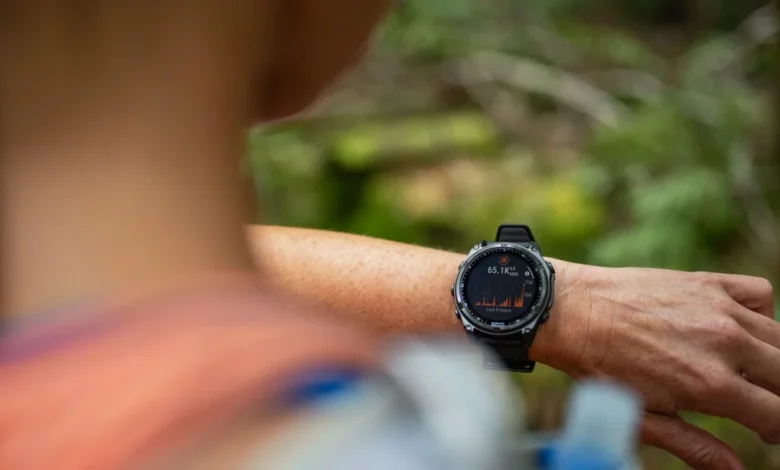
The landscape of personal health and fitness in Indonesia has undergone a fundamental transformation, underscored by the latest milestone from Garmin, which recently announced that its active user base in the country has surpassed 1.1 million individuals. This significant growth serves as a barometer for the broader adoption of wearable technology, reflecting a shift in how Indonesians approach their physical well-being, moving from sporadic exercise to data-driven, holistic health management.
A Milestone of Regional Significance
Garmin’s achievement in Indonesia is not an isolated success but rather a reflection of a broader trend across the Asia-Pacific region. According to company data, the Garmin ecosystem now supports more than 13 million active users across Asia, contributing to a global user base of approximately 62 million. This global reach highlights the democratization of biometric data, as professional-grade tracking capabilities—once reserved for elite athletes—are now accessible to the general public.
The 1.1 million user milestone in Indonesia represents a strategic victory for Garmin, which has focused heavily on localizing its offerings and building a robust community of runners, cyclists, and health-conscious professionals. For a market that has historically prioritized affordability, the move toward higher-end, specialized wearable devices signals a maturing consumer base that values long-term health metrics over vanity features.
The Shift Toward Holistic Wellness
Industry analysts point to a clear departure from traditional exercise mindsets. A decade ago, the primary metrics for success in fitness were rudimentary: distance covered and time elapsed. Today, the conversation has shifted toward physiological efficiency and recovery. Users are increasingly leveraging wearable technology to monitor complex markers such as heart rate variability (HRV), sleep quality, stress levels, and blood oxygen saturation.
This evolution is reflected in the diverse ways Garmin’s Indonesian users utilize their devices. For many, the device serves as a constant companion for "recovery-focused training." Rather than pushing for higher intensity every day, users are using features like "Body Battery" and "Training Readiness" to determine whether their bodies are primed for a high-intensity session or if they require active recovery to prevent burnout and injury.
Insights from Leadership
Regional Director of Garmin Southeast Asia, Sky Chen, emphasized that the data-driven approach is changing the nature of athletic pursuit. "The growth to 1.1 million active users in Indonesia is a testament to the heightened awareness of measurable health," Chen stated. "Running, for instance, is a highly personal journey. Every runner, whether casual or competitive, requires precise metrics to ensure they are progressing safely and effectively. We are seeing a move away from ‘guessing’ one’s fitness level to ‘knowing’ it through objective data."
Chen’s sentiments echo a sentiment shared by health experts, who argue that the availability of continuous physiological monitoring can lead to earlier detection of health anomalies and more sustainable lifestyle habits. By removing the guesswork from training, users are less likely to experience the frustration that often leads to abandoning fitness goals.
Chronology of Expansion
Garmin’s rise in the Indonesian market did not happen overnight. Over the past five years, the company has systematically expanded its presence through a three-pronged approach:
- Strategic Community Building: Through the "Garmin Run" series and partnerships with local running clubs, the company solidified its position as the preferred tool for the burgeoning Indonesian running community.
- Diversified Product Tiers: By segmenting its portfolio, Garmin ensured that it addressed both the hardcore athlete and the "wellness enthusiast." This involved introducing lifestyle-centric series like the Venu and vivoactive, which bridge the gap between a classic timepiece and a health laboratory.
- Retail Accessibility: The establishment of dedicated Garmin Brand Stores in major metropolitan hubs like Jakarta, Surabaya, and Bandung, paired with a robust e-commerce presence, allowed the brand to capture the middle-to-upper-class demographic that drives the wearable market.
Technical Deep Dive: The Ecosystem
The breadth of Garmin’s appeal lies in its diverse hardware lineup, which caters to specific physiological needs.
- Performance-Driven (Forerunner Series): The Forerunner 570 and 970 models remain the flagship offerings for the performance market. The Forerunner 570 focuses on essential metrics—pace, heart rate, and VO2 Max—while integrating advanced features like Training Status, which interprets training history to show if the user is training productively or overreaching. The Forerunner 970 takes this further, offering multi-band GNSS for hyper-accurate tracking in dense urban environments and "Running Economy" metrics that help athletes refine their form.
- Lifestyle and Wellness (Venu and vivoactive): Recognizing that not every user is a marathoner, the Venu 4 and vivoactive 6 models prioritize health-centric features such as stress tracking, menstrual cycle tracking, and hydration reminders. These devices are designed to be worn 24/7, serving as an extension of the user’s health journey, focusing on longevity rather than peak athletic output.
Market Analysis: The Implications of Data-Driven Fitness
The implication of 1.1 million active users in Indonesia suggests that the country is undergoing a shift toward "proactive health management." In a healthcare system where insurance costs are rising, preventive care through lifestyle monitoring has become a vital strategy for many individuals.
Furthermore, the integration of these devices into daily life suggests a move toward the "Quantified Self" movement. When users have access to objective data regarding their sleep cycles or their physical exertion levels, they are often prompted to make behavioral changes—such as improving sleep hygiene or adjusting their work-life balance to manage stress levels.
The market for wearables in Indonesia is expected to continue its upward trajectory, particularly as companies begin to integrate AI-driven coaching and more sophisticated health-alert systems. The role of the wearable is no longer just to track data, but to provide actionable insights that help the user navigate their daily life.
Promotional Momentum
To celebrate the growth milestone, Garmin Indonesia has launched a "Garmin Birthday" campaign, offering competitive pricing across its lineup until September 30, 2026. By lowering the barrier to entry, the company aims to convert more users who may have been hesitant to invest in premium health tracking technology.
Pricing for the campaign includes:
- Venu 4: Starting at Rp7,999,000
- vivoactive 6: Starting at Rp4,499,000
- Forerunner 570: Starting at Rp7,599,000
- Forerunner 970: Starting at Rp10,999,000
These promotions are available through official e-commerce channels and physical Garmin Brand Stores. This promotional push is likely intended to maintain the momentum of the company’s growth as it heads into the final quarter of the year, potentially setting the stage for a new wave of user adoption.
Looking Ahead
The path forward for Garmin in Indonesia involves balancing technological advancement with user education. As features become more complex, the challenge for the company will be to ensure that the data remains intuitive and beneficial for the average user. With 1.1 million users already onboard, the brand is well-positioned to lead the conversation on how technology can play a role in a healthier, more active Indonesia.
The continued rise of wearable tech is not merely a trend in consumer electronics; it is a fundamental shift in the social contract of health. As more Indonesians invest in their own biological data, the collective impact on the nation’s health literacy could be profound, turning individual performance metrics into a broader movement toward wellness and longevity. With the integration of increasingly sophisticated sensors and data analytics, the next few years will likely see Garmin and its competitors moving deeper into the healthcare space, potentially blurring the lines between consumer fitness devices and clinical-grade health monitoring tools.
Related posts: