Android Dev Summit Makes a Triumphant Return After a Four-Year Hiatus with Major Focus on AI and XR

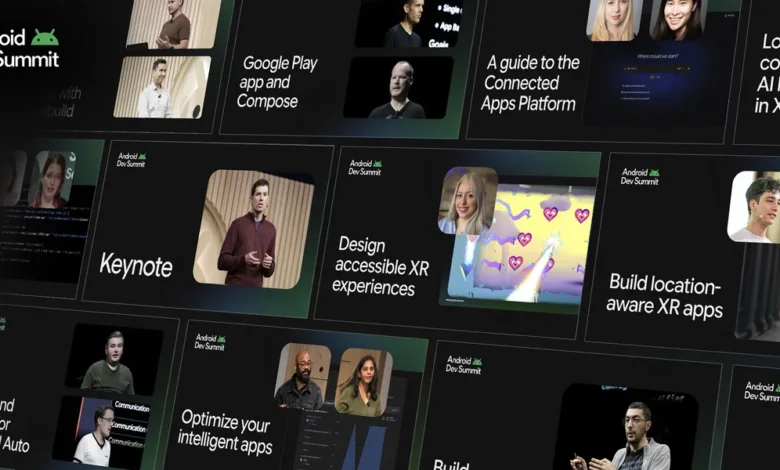
The global software development community witnessed a significant milestone last week as Google officially revived its flagship Android Dev Summit after a four-year absence from the live-event circuit. Staged concurrently across vibrant tech hubs in Mountain View, California, and London, the highly anticipated conference drew a capacity crowd of over 900 in-person attendees. The event served as a central convergence point for mobile engineers, UI/UX designers, platform architects, and open-source contributors eager to glean insights into the trajectory of the world’s most widely used mobile operating system.
Throughout the multi-day gathering, participants engaged in a comprehensive lineup of keynote addresses, intensive demo sessions, hands-on workshops, a collaborative hackathon, and open community feedback forums. The core objective of the summit was not merely to showcase upcoming software iterations, but to establish a collaborative dialogue between Google’s internal engineering teams and the developers building the next generation of applications. By bridging the gap between platform creators and end-users, Google sought to realign its development roadmap with the practical needs, pain points, and creative ambitions of the global Android ecosystem.
A Rich Agenda Rooted in Modern Mobile Engineering
The 2024 iteration of the Android Dev Summit was structured around several critical pillars shaping contemporary software development. Among the most prominent tracks were App Foundations, Intelligent Apps, advanced Tools and Performance optimizations, and the burgeoning field of Android Extended Reality (XR).
The App Foundations track focused on stabilizing and modernizing core architectural components, ensuring that developers can build resilient, scalable applications capable of running seamlessly across a fragmented hardware landscape. Meanwhile, the Intelligent Apps track commanded substantial attention, reflecting the industry-wide pivot toward machine learning integration and localized artificial intelligence processing. As generative AI transitions from cloud-heavy infrastructures to on-device execution, Google utilized the platform to demonstrate how developers can harness on-device models to deliver privacy-focused, low-latency intelligent features directly within consumer applications.
Performance optimization and tooling also received rigorous scrutiny. In modern app development, frame drops, memory leaks, and battery drain remain primary catalysts for user abandonment. The dedicated Tools and Performance sessions provided engineers with advanced profiling utilities designed to diagnose bottlenecks, streamline compilation times, and elevate overall application responsiveness.
Perhaps the most forward-looking track of the summit centered on Android XR. As spatial computing gains traction through headsets, smart glasses, and mixed reality environments, Google’s inclusion of an XR-focused track signaled a strategic commitment to extending the Android paradigm beyond traditional rectangular screens. Developers were introduced to the foundational frameworks required to adapt existing applications for spatial interfaces and construct immersive three-dimensional experiences from the ground up.
Expanding Accessibility: Over 50 Sessions Released Globally
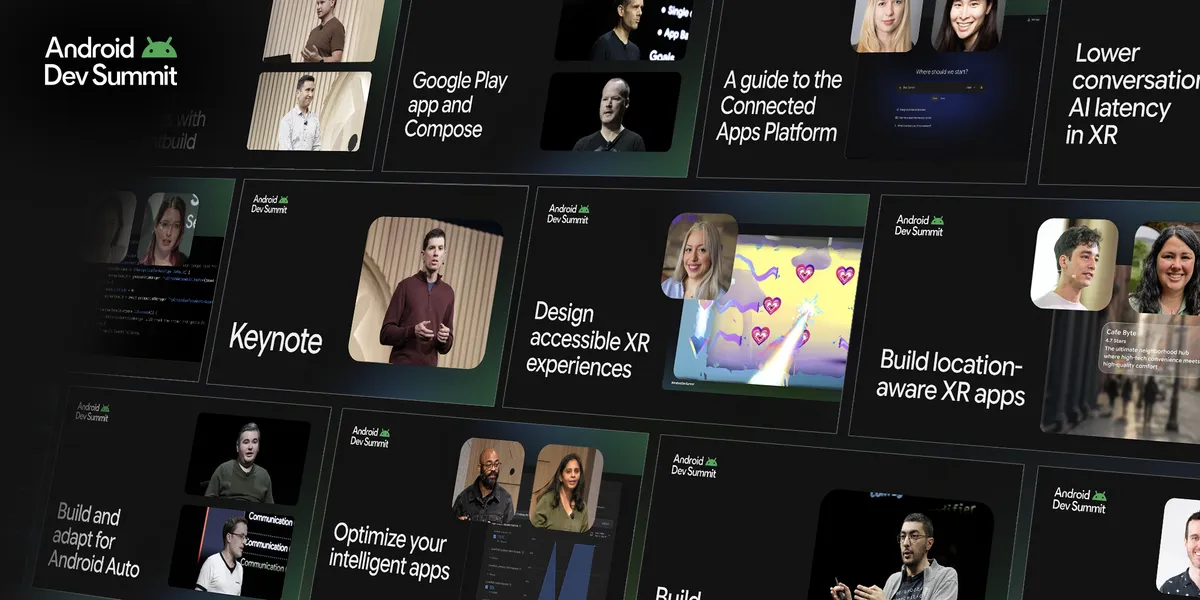
Recognizing that international travel restrictions, financial constraints, and scheduling conflicts prevent the vast majority of the global developer community from attending physical events, Google implemented an aggressive hybrid distribution strategy. Immediately following the conclusion of the summit in Mountain View and London, the organization published more than 50 technical sessions featuring presentations by Google engineers and industry partner experts.
These comprehensive video sessions are now publicly accessible via YouTube and the dedicated Android Developers event portal located at d.android.com/events/dev-summit. Going a step further than traditional video archives, Google has paired each session with fully downloadable transcripts enriched with precise context from the original presentation slides.
This inclusion of slide content within the text transcripts represents a notable technical accommodation for modern developers who increasingly rely on artificial intelligence agents and automated coding assistants. By downloading these structured text files, engineers can directly input the exact takeaways, code snippets, and architectural guidelines discussed at the summit into their preferred AI agents. This integration allows developers to synthesize best practices and implement platform updates within their own applications with unprecedented speed.
Furthermore, to streamline the process of querying and interacting with a vast library of technical data, Google introduced customized Gemini Notebooks tailored to each of the four conference tracks. These specialized notebooks allow developers to query the enhanced transcripts dynamically, extracting precise implementation details, API specifications, and troubleshooting steps without wading through hours of video footage.
Background Context and the Four-Year Hiatus
The return of the Android Dev Summit marks a definitive chapter closing on the industry-wide restructuring of tech conferences that began in 2020. Prior to the recent hiatus, the Android Dev Summit served as an annual pilgrimage for developers seeking deep-dive technical guidance that complemented the broader consumer-facing announcements typically unveiled at Google I/O.
However, global health crises, shifting corporate strategies, and a broader industry move toward decentralized, digital-first communications led to the suspension of the physical event format. During the four-year absence, Google maintained communication with the developer community through asynchronous virtual events, regional smaller-scale meetups, and online documentation updates. Yet, industry analysts have consistently noted that the serendipitous networking, intensive code labs, and direct feedback loops inherent to in-person summits cannot be entirely replicated through a browser window.
The decision to host simultaneous dual-hub events in Mountain View and London underscored a deliberate effort to decentralize the experience, ensuring stronger participation from the robust European engineering community alongside the traditional Silicon Valley core. This geographic diversification reflects the truly global distribution of the Android developer base, where more than 70% of active application publishers reside outside of North America.
Broader Industry Implications and the Road Ahead
The announcements and technical resources stemming from the revived Android Dev Summit arrive at a critical juncture for the mobile application economy. With market saturation in mature economies, developers face heightened pressure to deliver exceptional user experiences that justify user retention and monetization efforts.
By heavily emphasizing Intelligent Apps and Android XR, Google is proactively signaling where the consumer hardware market is heading over the next decade. The integration of on-device machine learning capabilities empowers developers to build context-aware applications that function reliably even without a persistent internet connection, addressing persistent consumer demands for data privacy and speed. Simultaneously, laying the groundwork for Android XR ensures that when spatial computing hardware achieves mass-market adoption, the Android ecosystem will boast a mature library of compatible applications rather than scrambling to catch up.
The introduction of AI-ready transcripts and Gemini Notebooks also points toward a broader evolution in how technical documentation is consumed. As software engineering increasingly incorporates automated AI workflows, providing machine-readable, context-rich transcripts transforms conference content from static historical archives into active, programmable development resources.
As the developer community begins digesting the flood of technical material released from the summit, Google has urged participants and digital attendees alike to utilize the provided feedback channels. The ongoing evolution of the Android platform relies heavily on empirical data and developer sentiment gathered through forums, issue trackers, and community events. With the Android Dev Summit successfully re-established on the global tech calendar, the platform enters its next developmental phase equipped with deeper collaboration, advanced tooling, and a renewed commitment to open engineering dialogue.