PETA challenges Nvidia CEO Jensen Huang over his signature leather jacket fashion choice

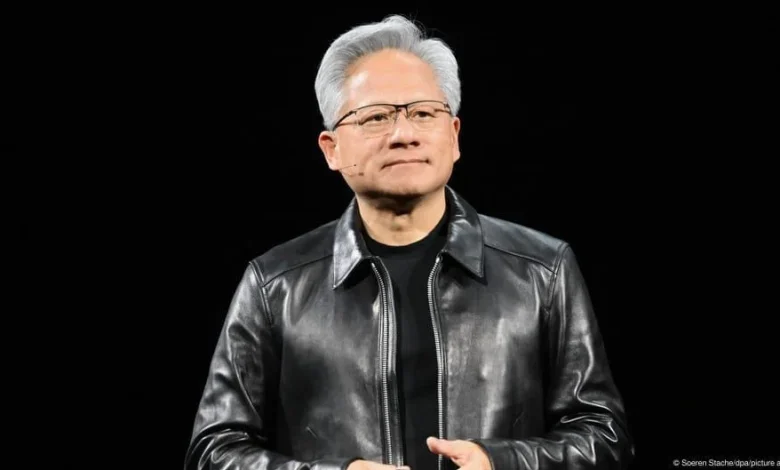
The intersection of cutting-edge technology and ethical fashion has collided in an unlikely dispute as People for the Ethical Treatment of Animals (PETA) issued a sharp public critique of Nvidia CEO Jensen Huang. Known globally as the architect of the artificial intelligence revolution, Huang has become as recognizable for his ubiquitous black leather jackets as he is for his company’s high-performance graphics processing units. PETA, the world’s largest animal rights organization, has officially urged the tech mogul to retire his signature look, characterizing the use of animal hides as an antiquated practice that stands in stark contrast to his forward-looking leadership in the AI sector.
This confrontation, which has garnered significant attention within both the technology and fashion industries, highlights the growing tension between personal style, corporate branding, and the global movement toward sustainable, cruelty-free materials. As a gesture of protest and an offer of an alternative, PETA has sent Huang a luxury vegan jacket made from olive oil industry waste, signaling their intent to influence the fashion choices of one of the world’s most influential business figures.
The Evolution of an Icon: Jensen Huang’s Signature Style
To understand the weight of PETA’s critique, one must first recognize the branding power of Huang’s attire. In the high-stakes world of Silicon Valley, where tech executives often gravitate toward hoodies, fleece vests, or minimalist tech-wear, Huang has cultivated a distinct, rock-star aesthetic. His leather jacket is not merely a piece of clothing; it is a component of his public persona, symbolizing the "tough" innovation required to build the backbone of modern AI infrastructure.
Reports suggest that Huang maintains a curated collection of 30 to 40 leather jackets. His wardrobe includes high-end pieces from luxury fashion houses, most notably a Tom Ford crocodile-textured leather jacket estimated to be worth approximately USD 9,000. For years, this look has remained consistent, serving as a visual constant during keynote presentations, product launches, and high-level corporate negotiations. By targeting this specific aspect of his public image, PETA is attempting to leverage Huang’s immense cultural influence to advocate for broader changes in the fashion industry.
PETA’s Official Stance and the ‘Olive Leather’ Alternative
The core of the dispute rests on the ethical implications of using animal products. In a formal statement addressing the CEO, PETA expressed that while Huang has effectively led the charge in revolutionizing computing and artificial intelligence, his fashion choices remain tethered to the "Stone Age." The organization argues that the systemic use of animal skins is inconsistent with the progressive nature of the tech industry.
"Technology will not evolve if it continues to hold on to obsolete systems, and neither will the fashion world," said PETA President Tracy Reiman. As part of their campaign, PETA sent Huang a jacket manufactured by the Italian label Benedetti Life, retailing for approximately USD 875. This garment serves as a tangible demonstration of current material science. The jacket is crafted from 95% "Biotex"—a textile derived from olive tree waste—and 5% polyurethane, with an interior lining of organic cotton. By providing this specific alternative, PETA aims to demonstrate that high-quality, durable, and stylish clothing can be produced without animal exploitation.
The Broader Movement: Sustainable Materials in Fashion
The pressure applied to Huang is part of a larger, global push toward "vegan leather" and circular fashion. The textile industry is currently undergoing a massive transformation, driven by consumer demand and environmental concerns. Animal leather production is often cited for its high environmental footprint, involving intensive land use, water consumption, and the use of harsh chemicals in the tanning process.
In recent years, innovation in materials science has allowed companies to produce leather-like alternatives from a variety of plant-based sources. These include:
- Mycelium (Mushroom Leather): A rapidly growing sector that mimics the structural properties of hide using fungal root systems.
- Fruit-based Textiles: Innovations utilizing apple, pineapple (Piñatex), and grape waste from the juice and wine industries.
- Cactus Leather: A durable, carbon-negative alternative that has gained traction in luxury automotive and fashion circles.
- Cork: A traditional, harvestable material that has been refined for modern high-fashion applications.
PETA’s intervention serves as a reminder to corporate leaders that their personal consumption habits are no longer shielded from public scrutiny, especially when those habits involve industries currently under fire for their environmental and ethical impacts.
Chronology of the Dispute
The escalation of this issue follows a pattern of increasing corporate accountability. While PETA has targeted various celebrities and executives in the past, their focus on a tech icon like Jensen Huang is notable for its specific focus on the dichotomy between "future-tech" and "past-fashion."
- Early 2024: As Nvidia’s market valuation skyrocketed, media scrutiny of Huang’s personal brand intensified. His leather jacket became a recurring focal point in lifestyle features covering his rise to billionaire status.
- Mid-2024: PETA intensified its public advocacy regarding the environmental cost of traditional leather, noting the disconnect between Silicon Valley’s eco-conscious goals and the traditional supply chain of luxury fashion.
- Late 2024: PETA officially reached out to Huang, sending the Benedetti Life jacket and issuing a public press release to leverage media attention for their cause.
- Current Status: The tech community and fashion analysts are now watching to see if Huang will acknowledge the gift, potentially incorporate vegan materials into his wardrobe, or maintain his current aesthetic trajectory.
Implications for Corporate Leadership and Public Branding
For high-profile executives, the clothes they wear are rarely just a matter of personal taste. They are a form of corporate communication. When an executive chooses a specific brand or material, they are implicitly endorsing the practices of that industry. By wearing animal leather, Huang is, according to critics, supporting an industry that PETA deems fundamentally incompatible with modern ethical standards.
However, there is also a counter-argument within the business community regarding the "uniform" of a leader. For many, maintaining a consistent image is a strategic decision that reduces "decision fatigue" and builds brand recognition. Changing a signature look that has become associated with the success of a multi-trillion-dollar company is a significant move that could have implications for how Huang is perceived by investors and the public.
From an analytical perspective, this event underscores the increasing pressure on individuals with high public profiles to align their personal lives with the values of the demographics they serve. As AI becomes more deeply integrated into society, the ethical standards applied to its leaders will likely expand beyond the boardroom and into their personal, day-to-day choices.
The Industry Response and Future Outlook
While Nvidia has not issued an official statement regarding the PETA gift, the incident has sparked a wider conversation about the viability of plant-based leathers in luxury goods. Critics of vegan leather have historically pointed to durability and texture as areas where synthetic or plant-based alternatives struggle to compete with high-quality animal leather. However, as the PETA-endorsed Benedetti Life jacket suggests, technological advancements in textile chemistry are narrowing this gap.
As materials science continues to evolve, it is expected that more high-profile figures will be approached by ethical advocacy groups. For Jensen Huang, the challenge remains: can he integrate more sustainable fashion choices into his existing aesthetic without diluting the personal brand that has become synonymous with Nvidia’s historic success? Whether he chooses to embrace the olive-oil-based jacket or continue with his traditional collection, the incident serves as a clear indicator that the scrutiny of supply chains and material sources is reaching the highest levels of the global technology elite.
Ultimately, PETA’s campaign against Huang is not just about a single jacket; it is an attempt to define the "look" of the future. By pitting the innovation of the AI era against the traditional practices of the leather industry, they have created a narrative that forces a debate on what it means to be a "forward-thinking" individual in the 21st century. Whether or not this campaign shifts the sartorial habits of one of the world’s most powerful CEOs, it has successfully injected the topic of sustainable fashion into the mainstream tech discourse, ensuring that the next time the Nvidia CEO appears on stage, his choice of attire will be viewed through a much more critical and complex lens.