The arrival of the rainy season in the Indonesian capital has consistently transformed the urban landscape, bringing
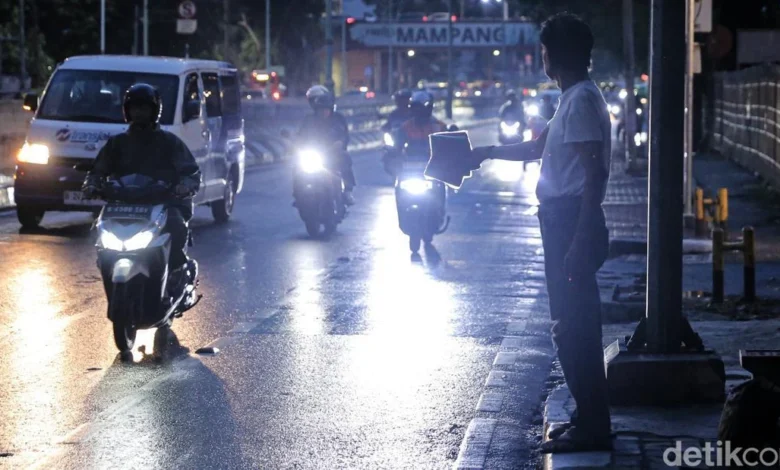
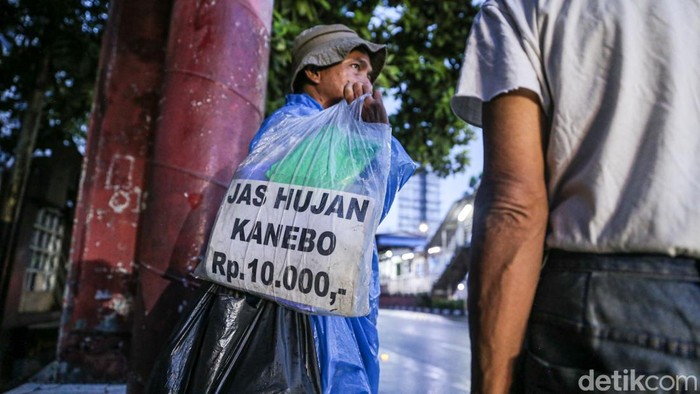
not only persistent downpours and traffic congestion but also a surge in opportunistic micro-enterprises. On a humid Saturday afternoon on November 28, 2026, the sidewalks along the bustling thoroughfare of Mampang Prapatan in South Jakarta presented a familiar yet striking economic spectacle: rows of makeshift street stalls hastily erected by independent vendors, prominently displaying an array of brightly colored raincoats and chamois cloths (kanebo), all uniformly priced at a modest IDR 10,000.
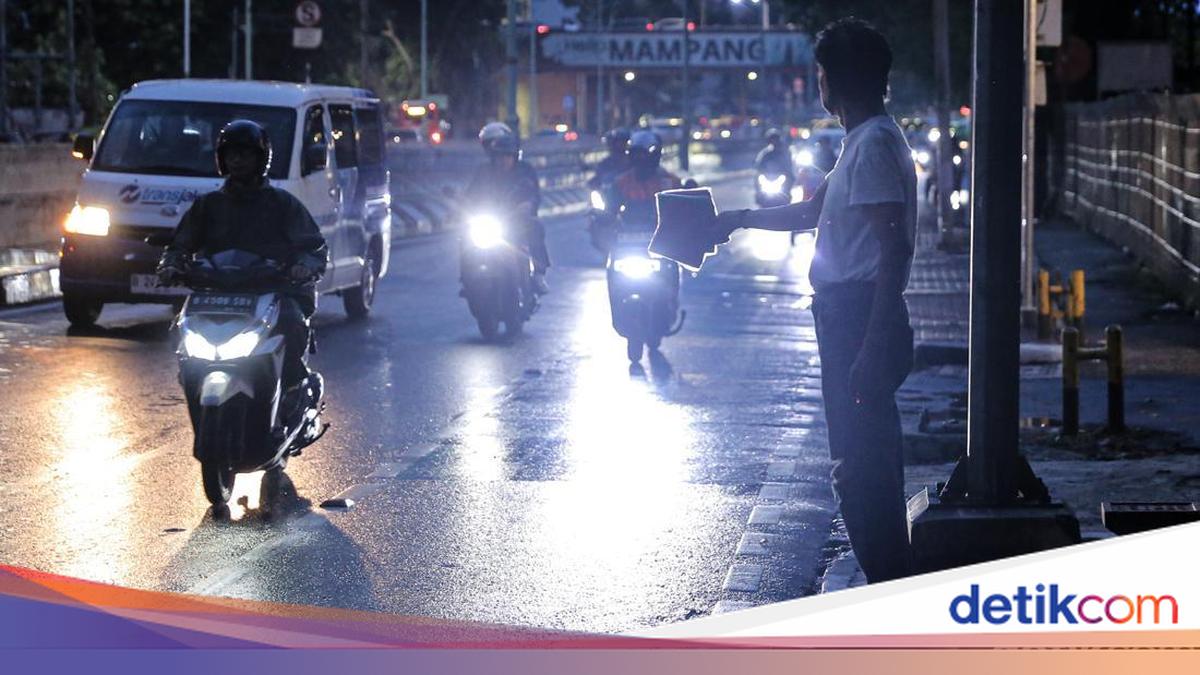
This seasonal phenomenon highlights the rapid adaptability of Jakarta’s informal economy, which thrives on meeting immediate, weather-driven consumer demands. As commuters navigate sudden precipitation while traveling through one of South Jakarta’s most vital traffic arteries, these sidewalk vendors provide an accessible, low-cost lifeline for motorists caught unprepared by the elements.
The Informal Economy in Action: Meeting Immediate Urban Needs
The commercial strategy employed by these sidewalk merchants is straightforward yet remarkably effective. Capitalizing on high-volume vehicular traffic and pedestrian footfall, vendors string up plastic raincoats—ranging from disposable ponchos to sturdier two-piece sets—along pedestrian barriers, fences, and makeshift wooden frames. The stark visibility of these garments serves as an immediate visual cue to passing motorcyclists caught in unexpected downpours.
Alongside the ubiquitous plastic raincoats, vendors have integrated another quintessential rainy-season commodity into their inventory: the synthetic chamois cloth, commonly known locally as a kanebo. Priced identically at IDR 10,000, these absorbent cloths are marketed directly to motorcycle and car owners who need to wipe down their vehicles after navigating flooded streets or heavy rain showers, preventing water spots and maintaining visibility.
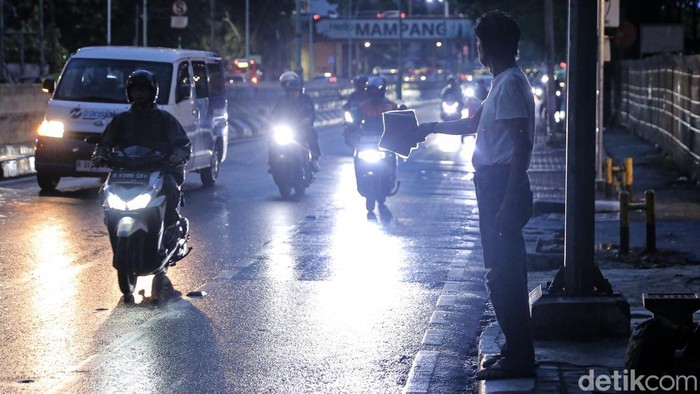
Operating with minimal overhead costs, these independent traders occupy strategic vantage points on the sidewalks of Mampang Prapatan, specifically targeting motorists halted at traffic lights or crawling through congested lanes. By setting up shop directly across from major intersections and commercial nodes, vendors eliminate the friction of traditional retail, offering transaction speeds that cater directly to motorists who cannot afford the time required to seek out convenience stores or automotive supply shops.
Seasonal Chronology and Meteorological Context
The emergence of these pop-up rain gear stalls aligns precisely with broader climatic patterns forecasted for the region. According to official projections issued by the Indonesian Agency for Meteorology, Climatology, and Geophysics (BMKG), the peak of the rainy season across the majority of Indonesian territory is anticipated to span from December 2026 through February 2027. However, transitional weather phases in late November frequently trigger high-intensity localized storms, catching daily commuters off guard.
In Jakarta, where millions of residents rely heavily on motorcycles for daily commuting, sudden shifts in weather conditions dictate immediate consumer behavior. The transition from intense heat to torrential downpours within minutes creates a synchronized spike in the demand for protective gear. Vendors closely monitor these atmospheric shifts, mobilizing their mobile stalls within hours of an overcast morning or the first rumble of thunder.
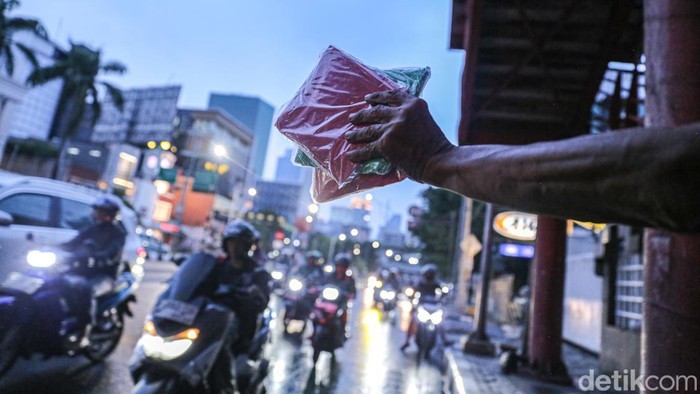
The timeline of micro-retail activity in Mampang Prapatan mirrors historical patterns observed in previous wet seasons. As weather forecasts increasingly predict above-normal precipitation volumes due to regional climatic phenomena, informal traders anticipate an extended window of heightened consumer demand, prompting sustained operations along major South Jakarta corridors throughout the monsoon months.
Economic Implications for the Urban Informal Sector
The micro-retail market for rain accessories serves as a critical case study in the resilience and flexibility of Jakarta’s vast informal sector. Millions of urban workers derive their livelihoods from informal commerce, operating without the formal infrastructure, licensing, or corporate backing of established retail chains. During seasonal transitions, these operators demonstrate a high degree of economic agility, swiftly reallocating capital to procure high-turnover seasonal inventory.
At a price point of IDR 10,000, items such as disposable raincoats and basic chamois cloths are positioned for maximum market penetration. This affordability is particularly crucial for lower-income wage earners and gig-economy workers, such as motorcycle taxi (ojek online) drivers, who must continue operating regardless of weather conditions to sustain their daily earnings. For these professionals, investing heavily in premium, durable weather gear is frequently unfeasible; thus, low-cost sidewalk alternatives fulfill an essential operational requirement.
From a broader macroeconomic perspective, these decentralized retail operations inject liquidity into local micro-supply chains. Wholesalers operating out of central Jakarta markets, such as Tanah Abang and Pasar Senen, experience a parallel surge in bulk orders for plastic rainwear and automotive cleaning accessories weeks ahead of the meteorological peak. Consequently, the sidewalk stalls of Mampang Prapatan represent the final, highly visible link in an extensive distribution network that sustains thousands of small-scale supply chain participants.
Urban Governance and Infrastructure Challenges
While the presence of pop-up rain gear vendors provides undeniable utility to motorists, it simultaneously underscores ongoing urban management challenges within the capital. The utilization of pedestrian sidewalks for commercial activities frequently intersects with municipal regulations governing public space usage and pedestrian mobility.
Jakarta municipal authorities have historically navigated a delicate balance between enforcing sidewalk clearance regulations and accommodating the socio-economic realities of informal sector workers. Sidewalks in high-density corridors like Mampang Prapatan are primarily designed to facilitate safe pedestrian traffic. When vendors occupy these zones—particularly during peak rush hours when commuters seek shelter or navigate around congestion—pedestrian flow can be significantly restricted.
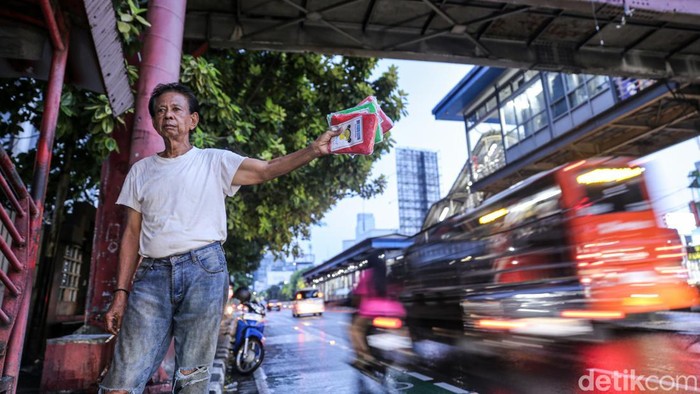
Urban planners and municipal stakeholders continually debate the integration of informal commerce into formal city spaces. Designated zones, organized market days, or regulated micro-entrepreneurship corridors have been proposed in various urban development frameworks to prevent sidewalk congestion while preserving vital income streams for street vendors. As the current rainy season progresses, enforcement agencies face the persistent task of ensuring public right-of-way compliance without disrupting the fragile livelihoods of traders who depend on seasonal spikes in commerce.
Consumer Behavior and Public Safety Adaptations
The reliance on sidewalk-purchased rain gear also reflects broader habits regarding commuter preparedness in tropical urban environments. Despite advanced weather forecasting technologies and widespread smartphone applications providing real-time meteorological alerts, a significant portion of urban commuters routinely travel without permanent rain protection, relying instead on the convenience of roadside retail infrastructure.
This "just-in-time" purchasing behavior alters traffic dynamics during sudden downpours. Motorists frequently execute abrupt maneuvers to pull over near sidewalk vendors, seeking shelter under nearby overpasses or commercial awnings while simultaneously purchasing rain ponchos. This convergence of stationary vehicles, pedestrians, and moving traffic often exacerbates existing bottlenecks along the Mampang Prapatan corridor, contributing to localized traffic paralysis.
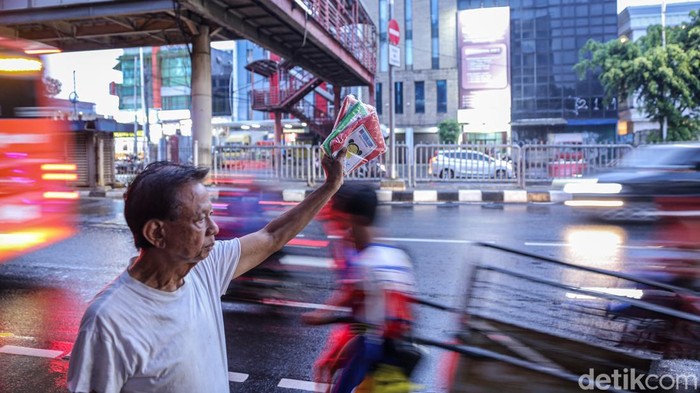
Traffic management authorities have repeatedly urged motorists to prioritize safety by preparing weather gear prior to departure rather than executing sudden stops on busy roadways. However, the sheer convenience and low financial barrier of IDR 10,000 raincoats ensure that roadside purchasing remains a deeply entrenched urban habit.
Outlook for the Remainder of the Wet Season
As Jakarta delves deeper into the primary phase of the 2026–2027 rainy season, the economic ecosystem surrounding seasonal street vending is expected to expand further. Additional vendors are likely to populate strategic intersections, underpasses, and major transit hubs across South, Central, and East Jakarta, diversifying their product offerings to include waterproof bag covers, footwear protectors, and alternative drying materials.
For the vendors stationed along the Mampang Prapatan corridor, the coming months represent a crucial window for income generation. Despite the physical challenges of operating outdoors amidst heavy downpours and exhaust fumes, the immediate financial returns offered by high-demand seasonal commodities provide a vital economic buffer. As long as sudden precipitation continues to disrupt the daily commute of millions in the capital, the familiar sights of raincoats fluttering in the wind along city sidewalks will remain an enduring fixture of Jakarta’s urban landscape.
Related posts: