Microsoft Unleashes Record-Breaking Patch Tuesday with Over 570 Security Fixes, Fueled by AI-Driven Discoveries

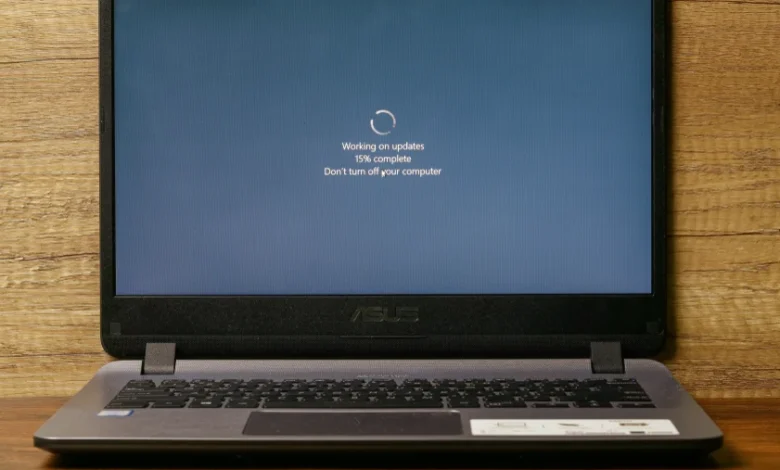
Microsoft Corp. has issued its most extensive Patch Tuesday release to date, addressing a staggering number of security vulnerabilities across its Windows operating systems and a wide array of other software products. This month’s update, released on July 9, 2026, tackles at least 570 distinct security flaws, a figure nearly triple that of the previous record-setting release in June. The software giant attributes this dramatic increase in patch counts to the accelerating pace of vulnerability discovery, significantly aided by advancements in artificial intelligence (AI).
The sheer volume of fixes underscores a rapidly evolving threat landscape and a corresponding shift in how software vulnerabilities are being identified and addressed. Nearly 60 of the bugs patched in July’s release have been classified as "critical," meaning they possess the potential for exploitation by malicious actors to gain unauthorized remote control over vulnerable Windows devices with minimal or no user interaction. Compounding the urgency, Microsoft also addressed three zero-day vulnerabilities, two of which are confirmed to be actively exploited in the wild.
The AI Accelerator in Vulnerability Discovery
The unprecedented scale of this month’s Patch Tuesday is directly linked to the integration of AI in Microsoft’s security research and development processes. Pavan Davuluri, Executive Vice President at Microsoft, articulated this paradigm shift in a blog post published on July 9, 2026. He stated that Windows users should anticipate a "higher volume of security updates included in each security release" as AI continues to enhance the efficiency and scope of vulnerability detection.
"The pace of vulnerability discovery is changing with advances in AI making it possible to find more issues, faster, across more code, with new mechanisms that can accelerate both discovery and analysis," Davuluri explained. This technological leap allows Microsoft’s security teams to scrutinize vast codebases with unparalleled speed and precision, uncovering vulnerabilities that might have previously remained hidden for longer periods. The implications of AI in this domain are profound, signaling a new era of cybersecurity where the speed of defense must increasingly match the speed of offensive innovation.
Critical Flaws and Active Exploitation
Among the most concerning fixes are those addressing critical vulnerabilities and zero-day exploits. The critical rating signifies a high risk, allowing attackers to potentially compromise systems remotely. The inclusion of three zero-day flaws—vulnerabilities unknown to the vendor and for which no patch exists when they are first exploited—is particularly alarming, especially since two of these have already been weaponized by threat actors.
Two of these zero-day vulnerabilities pertain to privilege escalation, a common attack vector that allows an attacker to gain higher-level permissions on a compromised system. This category of flaw is not unique to the zero-days; approximately 250 other elevation of privilege vulnerabilities were patched this month. Among them are CVE-2026-56155, a vulnerability within Active Directory Federation Services (AD FS), and CVE-2026-56164, affecting Microsoft SharePoint. These flaws could grant attackers unauthorized access to sensitive data or administrative controls within an organization’s network.
Another significant vulnerability addressed is CVE-2026-50661, a security feature bypass in Windows BitLocker. While this flaw has been publicly disclosed, Microsoft has indicated that it is not aware of any active exploitation. However, it poses a substantial risk to users who rely on BitLocker for data encryption, as it could potentially allow attackers with physical access to a device to circumvent encryption and access sensitive data.
New Threats Emerge: Copilot and AI-Driven Exploitation
A particularly noteworthy vulnerability highlighted by security experts is CVE-2026-48561, a remote code execution flaw in Microsoft Copilot, Microsoft’s AI-powered assistant. With a high CVSS threat score of 9.6, this vulnerability could enable an unauthorized attacker to execute arbitrary code over the network. Jack Bicer, director of vulnerability research at Action1, pointed out that an attacker could exploit this by hosting a malicious website. When a user visits this site using Microsoft Edge for Android, the browser might automatically send crafted prompts to Copilot, triggering the execution of malicious code. This discovery underscores the emerging attack vectors associated with AI-integrated services.
The advancement of AI in vulnerability discovery is a double-edged sword. While it empowers defenders to identify and fix flaws more rapidly, it also provides attackers with sophisticated tools to accelerate exploit development. Microsoft’s "exploitability index," a system for gauging the likelihood of a vulnerability being exploited, is facing renewed scrutiny in this AI-driven era. Satnam Narang, senior staff research engineer at Tenable, argues that this index needs to adapt to the "machine speed" of AI-powered vulnerability analysis.
Narang cited the example of the SharePoint zero-day vulnerability (CVE-2026-56164), which was initially assigned an "less likely" exploitability rating by Microsoft. Despite this assessment, the flaw was rapidly added to CISA’s Known Exploited Vulnerabilities catalog on July 1, indicating active exploitation. This discrepancy highlights a potential gap between human-centric exploitability assessments and the capabilities of AI tools. Narang further elaborated, referencing findings from Anthropic’s Red Team, which demonstrated that their AI models could generate proof-of-concept exploits for a significant percentage of vulnerabilities rated as "Exploitation Less Likely" or "Exploitation Unlikely."
"What this means is that our way of looking at Patch Tuesday has changed, because the exploitability index is centered around humans, not AI tools, and as these tools continue to improve, defense needs to improve alongside it," Narang cautioned. This sentiment suggests a critical need for security vendors and researchers to recalibrate their assessment methodologies to account for AI’s impact on exploit development.
A Trend of Increased Patch Cadence Across the Industry
Microsoft’s record-breaking release is not an isolated event. The trend towards more frequent and comprehensive security updates is becoming a norm across the software industry. Chris Goettl, a security analyst at Ivanti, observed that several major software vendors are increasing their patch cadence. Adobe, for instance, has announced a shift to twice-monthly security bulletins, scheduled for the second and fourth Tuesday of each month, also citing AI as a factor in accelerating their patch cycles. Companies like Cisco, Mozilla, and Oracle are also reportedly shipping updates more frequently. In June 2026, Google released a substantial batch of over 900 security fixes, further emphasizing the growing volume of patches being issued across the tech landscape.
Implications for Users and IT Professionals
The sheer magnitude of Microsoft’s July Patch Tuesday presents both an opportunity for enhanced security and potential challenges for system administrators and end-users.
For End Users:
The advice to back up Windows systems and data before applying updates remains paramount. Given the immense volume of patches, it is prudent for end-users to consider waiting a few days before initiating the update process. Security patches, while crucial, can sometimes introduce system stability issues, and the probability of such occurrences may increase with a massive patch deployment like this. Monitoring community feedback and official advisories for any reported issues after the initial rollout is a recommended practice.
For IT Professionals and Organizations:
The increased patch volume necessitates a robust patch management strategy. Organizations must ensure their systems are configured to receive and deploy updates efficiently, prioritizing critical and zero-day patches. The shift towards AI-driven vulnerability discovery and exploitation means that IT teams need to stay abreast of emerging threats and adapt their security protocols accordingly. This includes:
- Enhanced Vulnerability Management: Continuously monitoring for new vulnerabilities and their potential impact, especially those with high CVSS scores or confirmed active exploitation.
- AI-Aware Security Strategies: Incorporating AI-powered security tools and threat intelligence feeds to better detect and respond to AI-assisted attacks.
- Proactive Patching: Implementing a diligent patching schedule that addresses vulnerabilities promptly, with particular attention to those identified as critical or actively exploited.
- Incident Response Planning: Regularly reviewing and updating incident response plans to account for sophisticated attack vectors, including those leveraging AI.
- Security Awareness Training: Educating employees about the evolving threat landscape and the importance of security best practices, especially in the context of AI-generated phishing or social engineering attempts.
The July 2026 Patch Tuesday from Microsoft marks a significant milestone, not just for the company but for the entire cybersecurity industry. It signals a definitive pivot towards AI as a critical tool in both offensive and defensive cybersecurity operations. As AI continues to evolve, so too must the strategies and tools employed by security professionals to maintain a secure digital environment. The ongoing race between vulnerability discovery and exploitation is accelerating, making vigilance, adaptability, and continuous learning essential for all stakeholders.
Further reading on this topic includes:
- Action1’s Patch Tuesday blog detailing the July 2026 updates: https://www.action1.com/patch-tuesday/patch-tuesday-july-2026/?vyi
- Automox’s comprehensive rundown of the July 2026 patch fixes: https://listen.automox.com/episodes/patch-fix-tuesday-july-2026-e34