Microsoft Secures Industry Leadership Recognition in 2026 Reports for Integrated Cloud and AI Platforms

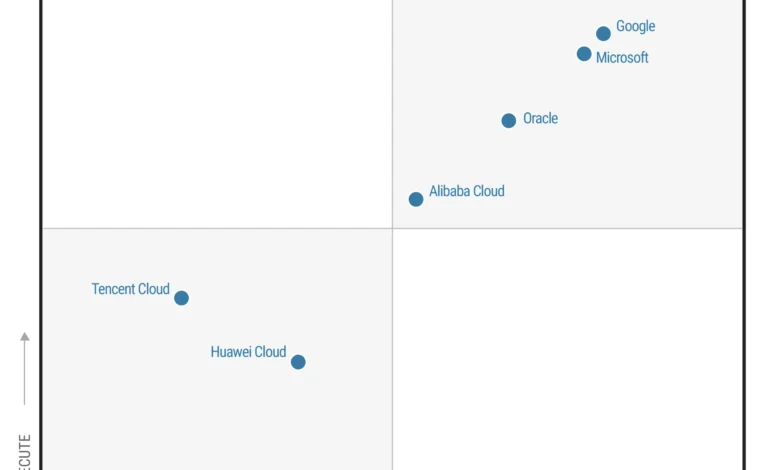
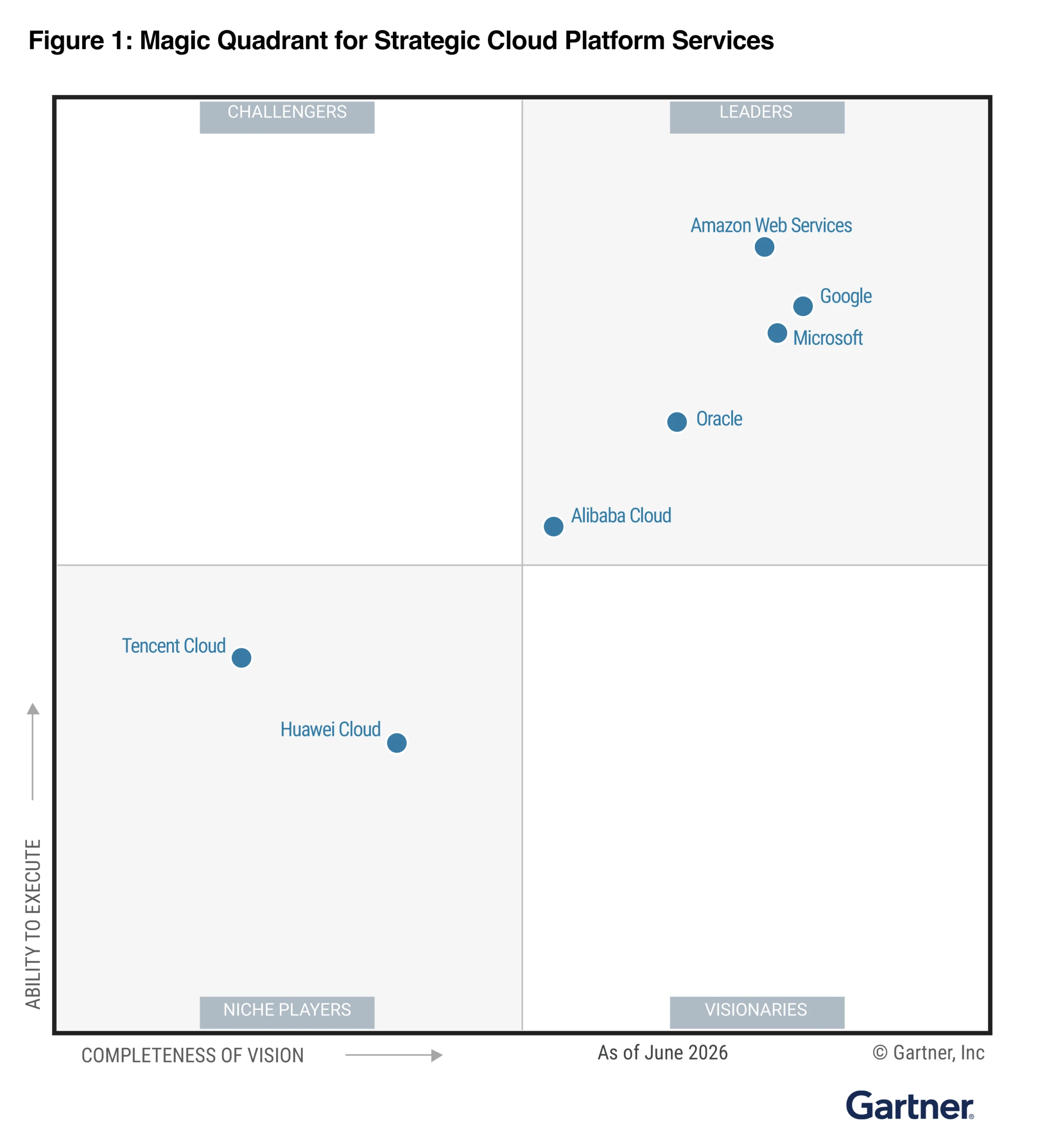
As enterprise artificial intelligence pivots decisively from experimental pilot programs to full-scale production environments, organizations are increasingly confronting the complexities of multi-model deployment, infrastructural scalability, and data governance. In a testament to its comprehensive strategic vision, Microsoft has been named a Leader in both the 2026 Gartner Magic Quadrant for Strategic Cloud Platform Services and The Forrester Wave: Public Cloud Platforms, Q3 2026. These back-to-back recognitions underscore a broader industry shift: as AI matures, the true differentiator is no longer any single frontier model, but rather the seamless integration of infrastructure, data estates, developer tooling, and security operations working in unison as a unified system.
The Evolution of Enterprise AI Infrastructure: A Multi-Model Reality
The modern enterprise computing landscape has evolved beyond the monolithic approaches of early cloud adoption. Today’s organizations operate in a multi-model paradigm, strategically leveraging massive frontier models for complex reasoning tasks while simultaneously deploying smaller, open-weight, and specialized models where cost efficiency, latency, and granular data control are paramount. However, running these diverse models without fragmenting the underlying architecture requires a robust, vertically integrated foundational platform.
Industry analysts note that businesses are no longer looking for disjointed Infrastructure-as-a-Service (IaaS) offerings. Instead, they demand comprehensive cloud ecosystems capable of bridging the gap between raw silicon compute and autonomous enterprise agents. Microsoft’s sustained positioning at the vanguard of the cloud computing market—highlighted by its fourth consecutive Leader placement in the Gartner Strategic Cloud Platform Services evaluation since 2023—demonstrates its capacity to deliver this unified operational framework at a global scale.
By anchoring its platform capabilities around Microsoft Azure, the company has focused on reducing the operational friction associated with heterogeneous compute environments. This approach allows developers and enterprise IT architects to exercise maximum flexibility in model selection without sacrificing centralized governance, identity management, or enterprise-grade security protocols.
The Architectural Foundation: Silicon, Foundry, and Data Gravity
At the heart of Microsoft’s production-ready AI strategy is Microsoft Foundry, a centralized ecosystem engineered to provide development teams with expansive model choice alongside rigorous evaluation, monitoring, and operational security tools. Rather than compelling enterprises to funnel every workload through a singular proprietary pipeline, Foundry minimizes the seams between disparate technology layers. This architectural fluidity enables engineering teams to optimize workloads for specific operational requirements—whether deployed across hyperscale cloud regions, on-premises data centers, network edges, or third-party environments.
Simultaneously, the platform addresses one of the most persistent challenges in enterprise software engineering: data fragmentation. As the axiom in modern data architecture suggests, models are inherently transient, but data possesses enduring gravity. Enterprise value is inextricably linked to proprietary operational data and institutional context.
To bridge the gap between raw data storage and intelligent application layers, Microsoft has interwoven Microsoft Fabric for comprehensive analytics, Microsoft Purview for enterprise-wide governance and compliance, and robust database engines such as Azure SQL and Azure Cosmos DB. Superimposed upon this foundation is Microsoft IQ, a unified enterprise intelligence layer designed to infuse applications and autonomous agents with consistent business context across fragmented workflows.
Real-world deployments illustrate the tangible impact of this architectural integration. For instance, major healthcare systems like UNC Health have utilized these modernized data environments to establish strictly governed analytics frameworks capable of supporting advanced patient care, clinical research, and operational efficiency within heavily regulated compliance mandates. Similarly, iconic global retail enterprises like Levi Strauss & Co. have successfully coupled infrastructure modernization initiatives on Azure with Microsoft Foundry’s agentic capabilities, streamlining decision-making processes and accelerating digital transformation without discarding their foundational business logic.
Application Modernization as a Prerequisite for Agentic AI
A critical theme highlighted in both the Gartner and Forrester evaluations is the inextricable link between application modernization and successful AI adoption. Enterprises cannot effectively scale artificial intelligence while remaining tethered to brittle, legacy architectures that lack API accessibility and operational resilience.
Recognizing that legacy applications contain decades of critical business rules and institutional knowledge, Microsoft has expanded its modernization toolkit to include agent-driven refactoring utilities. Through tools like GitHub Copilot agentic modernization—which natively supports complex programming ecosystems such as .NET and Java—development teams can systematically assess legacy codebases, plan structural upgrades, execute automated testing procedures, and refactor applications with minimal downtime.
This pragmatic approach to application lifecycle management has resonated strongly with enterprise decision-makers. Rather than forcing organizations into costly, disruptive "rip-and-replace" cycles, the platform empowers IT departments to incrementally modernize existing architectures, exposing legacy logic to modern AI agents through secure, controlled interfaces. Analysts from both Gartner and Forrester have specifically commended this balanced methodology, noting that it bridges the gap between historical enterprise investments and future-facing generative AI capabilities.
Market Implications and the Future of Cloud Computing
The concurrent recognition of Microsoft as a Leader in the 2026 Gartner Magic Quadrant for Strategic Cloud Platform Services and The Forrester Wave: Public Cloud Platforms for Q3 2026 signals a mature phase in the cloud computing market. These evaluations, derived from rigorous assessments of current product offerings and long-term corporate strategy, reflect a broader consensus among technology analysts: the next generation of enterprise IT will be defined entirely by system-level integration.
As organizations accelerate their transition from isolated proof-of-concept projects to mission-critical production environments, the criteria for selecting a cloud provider have fundamentally shifted. Enterprises are no longer evaluating vendors based on isolated product features or raw compute pricing alone. Instead, CIOs and Chief Technology Officers are prioritizing holistic ecosystems that guarantee operational reliability, manage systemic risk, control runaway costs, and translate raw technological capability into measurable business outcomes.
By tightly coupling silicon infrastructure, multi-model flexibility, unified data analytics, automated modernization pathways, and robust developer tooling, Microsoft has positioned Azure to address the complex demands of the modern enterprise. As the boundaries between traditional cloud computing and autonomous agentic workflows continue to dissolve, the ability to deliver these disparate elements as a single, cohesive system will likely remain the primary benchmark for industry leadership.