React Native 0.80 Release Brings React 19 Integration and Modernized Architecture Standards

The release of React Native 0.80 marks a significant milestone in the framework’s evolution, signaling a shift toward a more streamlined, performant, and type-safe ecosystem. This update, which incorporates React 19.1.0, serves as a pivotal bridge between the framework’s long-standing legacy foundations and the modern, high-performance infrastructure known as the New Architecture. With over 1,167 commits contributed by a global community of 127 developers, version 0.80 represents one of the most substantial engineering efforts in the project’s recent history.
The Integration of React 19.1.0 and Core Stability
At the heart of the 0.80 update is the transition to React 19.1.0, the latest stable iteration of the underlying library. This upgrade provides developers with immediate access to the latest performance enhancements and bug fixes inherent to the React ecosystem. A notable feature included in this integration is the implementation of "owner stacks," a development-only tool designed to provide granular visibility into component hierarchies. By allowing developers to identify exactly which component is responsible for a specific error, owner stacks significantly reduce debugging overhead.
However, the integration has encountered a minor friction point regarding the @babel/plugin-transform-function-name plugin. Because this plugin, which is standard in the React Native Babel Preset, interferes with the intended functionality of owner stacks, the core team has acknowledged the issue and committed to a resolution in an upcoming minor release. This transparent approach to the release cycle highlights the framework’s ongoing commitment to balancing cutting-edge feature adoption with long-term stability.

Transitioning Toward a Stable JavaScript API
For years, the flexibility of React Native allowed developers to use "deep imports," reaching into internal sub-directories to access specific APIs. While this provided granular control, it created a fragile dependency on internal file structures that were never intended to be part of the public API. Version 0.80 marks the beginning of the end for this practice. By formally deprecating deep imports and introducing ESLint-based warnings, the maintainers are pushing the ecosystem toward a cleaner, root-level import model.
The strategic goal here is to reduce the "surface area" of the public API, making it easier for the core team to refactor internal code without breaking downstream applications. To support this transition, the team has introduced an "Opt-in Strict TypeScript API." This new set of types is designed to be more accurate and robust than previous iterations. By enabling this in tsconfig.json, developers gain access to a preview of the future stable API, ensuring their codebases are resilient to the inevitable removal of deep imports in future versions. This phased rollout allows teams to migrate at their own pace, minimizing the disruption usually associated with major API overhauls.
Freezing the Legacy Architecture
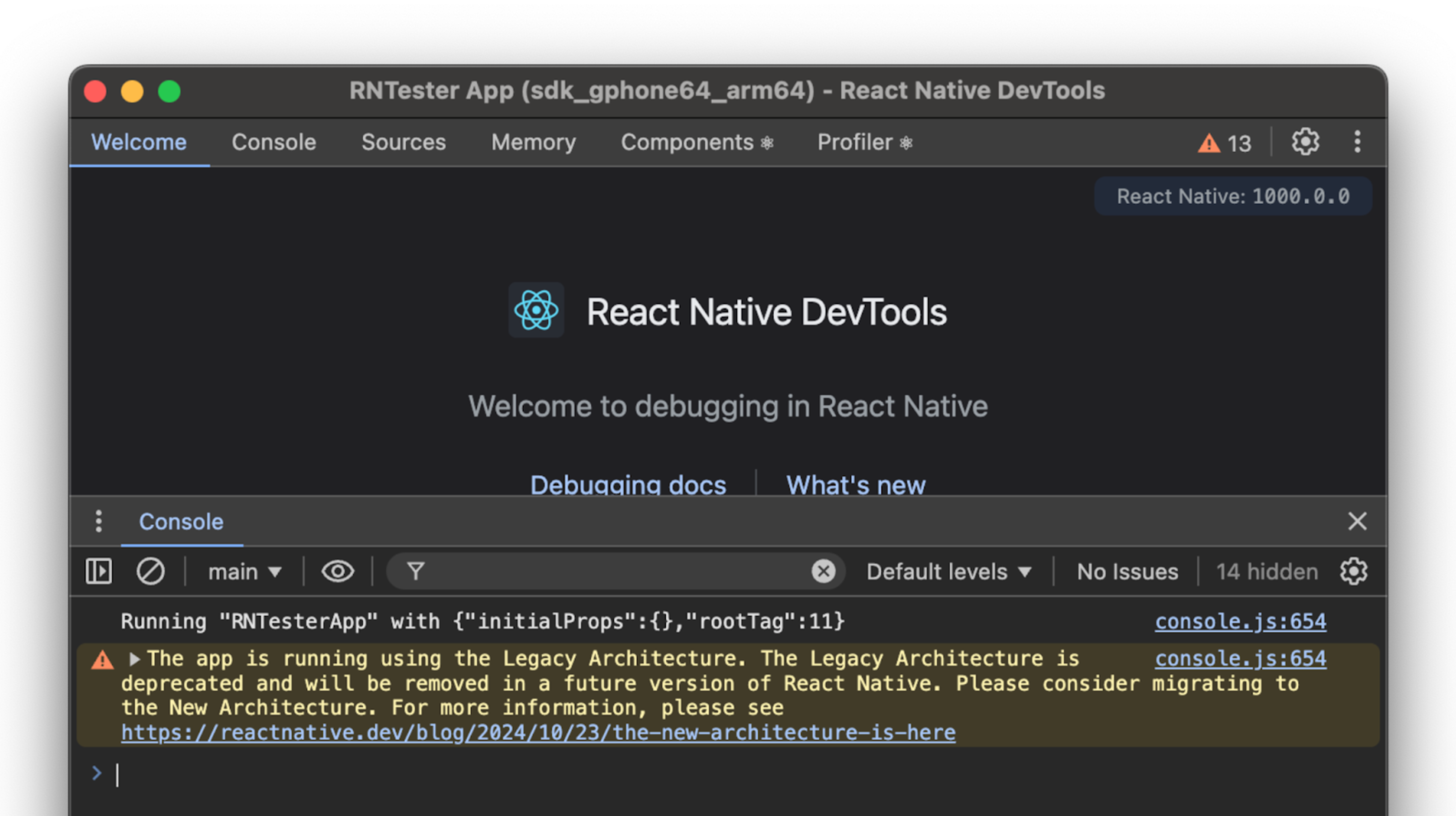
The most significant architectural shift in this release is the formal "freezing" of the Legacy Architecture. Since the introduction of the New Architecture in version 0.76, the project has maintained a dual-track system to ensure backward compatibility. With 0.80, that era is coming to a close. The maintainers have declared that no new features or bug fixes will be implemented for the Legacy Architecture, and testing cycles will now prioritize the New Architecture.
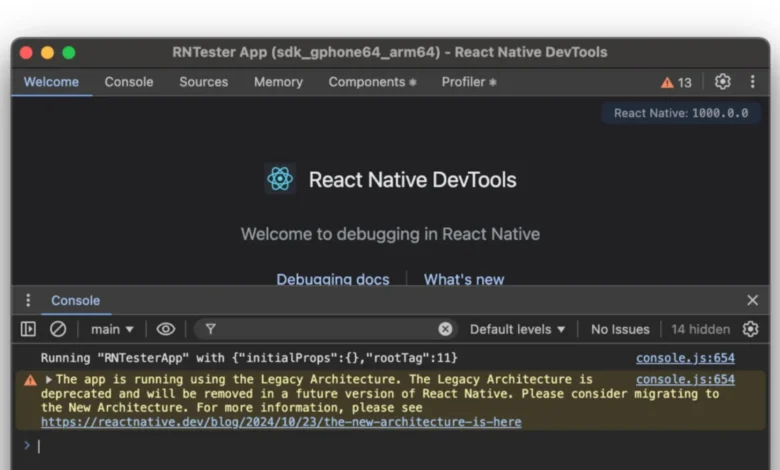
This move is a calculated response to the technical debt inherent in supporting two distinct rendering and communication systems. Maintaining both architectures impacts the overall framework size, runtime performance, and the velocity at which the core team can ship new capabilities. To assist developers in this migration, version 0.80 includes integrated warnings within React Native DevTools. These alerts notify developers when they are utilizing APIs that are incompatible with the New Architecture. Industry experts view this as a necessary step to unify the framework, as the performance gains—such as reduced latency and improved synchronization—provided by the New Architecture are now too significant to ignore.
Performance Gains and Build Optimization
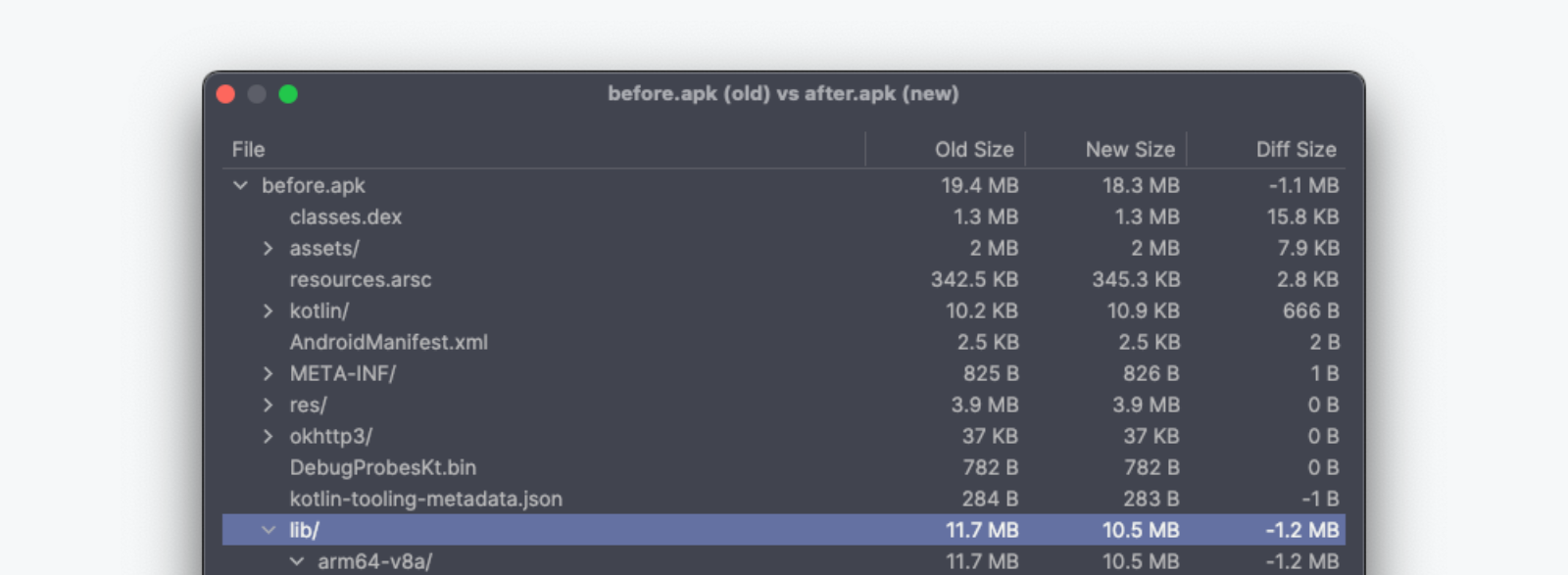
React Native 0.80 also delivers tangible performance improvements, particularly for Android developers. By enabling Interprocedural Optimization (IPO) for both the React Native core and the Hermes JavaScript engine, the update achieves a notable reduction in APK size, with average savings of approximately 1MB per application. This optimization is applied automatically upon upgrading, requiring no additional configuration from the developer, which reflects the team’s focus on "zero-config" performance gains.
On the iOS side, the team has introduced an experimental prebuilt dependency system. Historically, the initial build process for a React Native iOS app was a time-consuming endeavor, requiring the local compilation of the entire framework and its third-party dependencies, such as Folly and GLog. By shipping a pre-compiled ReactNativeDependencies.xcframework, the team has observed build speed improvements of approximately 12% on modern hardware. This experimental feature not only saves time but also mitigates a common source of build errors, where environmental inconsistencies led to failed compilations. By standardizing the build of third-party libraries, the framework ensures a more consistent experience for developers across different machine configurations.
Evolution of the Community Ecosystem
The framework’s commitment to modernization extends to the user experience of getting started. The "New App Screen"—the landing page seen by developers when they initialize a new project—has been moved into its own dedicated package and completely redesigned. This serves two purposes: it reduces the boilerplate code in the core template and provides a more professional, responsive interface that scales well across varying screen sizes.
Furthermore, version 0.80 serves as the final release to include first-party support for the JavaScriptCore (JSC) engine. Moving forward, JSC support will be managed via the community-maintained package @react-native-community/javascriptcore. This transition aligns with the project’s wider goal of offloading specialized or niche maintenance tasks to the community, allowing the core team to focus on the long-term stability and evolution of the Hermes engine, which has become the de-facto standard for modern React Native development.
Analysis of Future Implications
The release of 0.80 acts as a clear signal of the project’s future trajectory. By constraining the API surface, sunsetting legacy code, and pre-building native dependencies, the React Native team is prioritizing long-term maintainability over short-term ease of use.
The industry impact of this update is twofold. First, for enterprise teams, the "frozen" status of the legacy architecture creates a clear mandate for budget and resource allocation toward migration. The days of deferring the jump to the New Architecture are effectively over, as the ecosystem shifts its testing and support resources away from the old model. Second, the shift toward a strict, stable JavaScript API will likely result in a more professional and predictable development environment. By forcing developers to rely on documented, stable imports rather than internal paths, the framework reduces the risk of "brittle" code that breaks during minor updates.
As React Native moves closer to a fully unified architecture, the role of the community in managing long-tail dependencies like JSC will become increasingly critical. The 0.80 release demonstrates a mature, confident project that is willing to make breaking changes in exchange for a more performant and sustainable future. For developers and organizations, the immediate priority is clear: monitor the DevTools warnings, enable the Strict TypeScript API, and begin the migration to the New Architecture. While these tasks require effort, they represent the necessary foundation for the next generation of cross-platform development.
The update is now available for all developers, with support for existing projects provided through the React Native Upgrade Helper, and new project initialization supported via the updated Community CLI and Expo’s canary channels. With 0.77.x now entering an unsupported phase, the adoption of 0.80 is essential for teams seeking to maintain security, performance, and access to the latest React features.