DoorDash Acquires Instacart in Landmark $17 Billion Deal to Reshape Online Grocery and Last-Mile Delivery

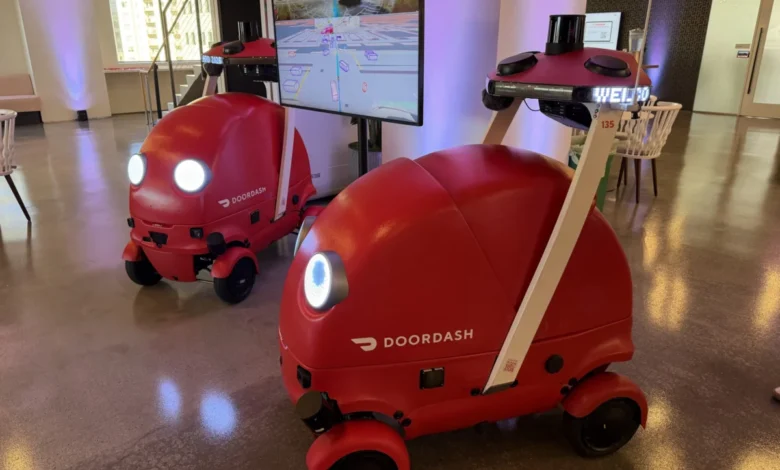
In a transformative move that is poised to reshape the landscape of e-commerce and last-mile logistics, DoorDash Inc. has officially announced a definitive agreement to acquire its prominent rival, Instacart, in a transaction valued at $17 billion. The mega-deal, which will merge two of the most dominant forces in retail and grocery delivery, relies on a strategic combination of cash, stock, and debt. However, the completion of the acquisition remains contingent upon customary closing conditions, including clearance from antitrust regulators and approval by Instacart shareholders.
If successfully finalized, the merger will bring together DoorDash’s extensive, highly efficient delivery network and broad consumer reach with Instacart’s specialized enterprise technology, digital storefronts, and deeply entrenched relationships with grocers. Industry analysts view the transaction as a monumental shift in the fiercely competitive food and grocery delivery sector, one that could significantly alter how consumers buy perishables online and how local merchants compete against retail giants.
A Strategic Convergence of Logistics and Grocery Expertise
The rationale behind the acquisition centers on the notoriously complex economics of online grocery fulfillment. Unlike shelf-stable goods or restaurant meals packaged directly by kitchens, grocery orders require granular decision-making at the item level—a challenge that has historically squeezed profit margins for digital platforms.
"Grocery is one of the hardest things to get right online," said Tony Xu, co-founder and chief executive officer of DoorDash, addressing the acquisition. "Someone has to pick a ripe avocado, find a substitute you’d choose yourself, and get the ice cream to you before it melts."
Xu underscored that while Instacart has spent over a decade refining the art of grocery selection and cultivating trust with grocers, DoorDash has simultaneously built a robust, localized delivery network and technological infrastructure relied upon by merchants every day. By merging these complementary strengths, the combined entity aims to provide stores of all sizes with advanced digital tools, unlocking new potential for local commerce. "It’s still early innings, but we know that when more people shop local, more dollars stay local," Xu added.
The acquisition is expected to exponentially expand the inventory and retail options available to users on both platforms. DoorDash noted in its announcement that the integration could introduce up to 50,000 additional storefronts to Instacart users, substantially augmenting the nearly 100,000 retail locations already actively participating in the Instacart ecosystem.
Market Dynamics and Surging Online Grocery Trends
The DoorDash-Instacart merger arrives against a backdrop of accelerating demand for digital grocery services across the United States. According to comprehensive market data tracked by retail research firm Brick Meets Click, online grocery sales in the U.S. expanded by more than 20% year-over-year, capturing a steadily larger percentage of total grocery spending nationwide.
As consumers increasingly embrace the convenience of scheduled and on-demand grocery delivery, platforms face mounting pressure to achieve economies of scale. High operational costs, labor shortages, and rising fuel expenses have historically tested the viability of standalone delivery startups. By consolidating operations, DoorDash and Instacart anticipate realizing significant operational efficiencies, optimizing routing algorithms, and strengthening their bargaining power with consumer packaged goods (CPG) brands through enhanced digital advertising networks.
Timeline and Operational Roadmap to 2028
Given the sheer scale and market concentration of the combined companies, the transaction is expected to undergo rigorous scrutiny from regulatory bodies, including the Federal Trade Commission (FTC) and the Department of Justice (DOJ). Consequently, DoorDash and Instacart have outlined a prolonged timeline, projecting that the deal will officially close near the end of 2027 or during the first half of 2028.
Until regulatory clearance is secured and the transaction officially closes, Instacart will continue to operate independently as a standalone business. Leadership from both companies has emphasized that there will be no immediate disruption to ongoing merchant partnerships, shopper operations, or consumer-facing services.
Upon the ultimate closing of the transaction, DoorDash plans to preserve the standalone Instacart brand identity, alongside its proprietary enterprise technology products and consumer application. This strategy mirrors successful multi-brand management approaches seen in other sectors, ensuring that the distinct loyalty cultivated by Instacart among traditional supermarket shoppers remains intact.
Leadership Perspectives and Partner Impact
For Instacart, the acquisition represents the culmination of a 14-year evolution that began with a mission to digitize the traditional supermarket shopping experience. Over the last decade and a half, Instacart evolved from a pioneering San Francisco startup into an indispensable digital partner for thousands of regional chains and national grocery behemoths alike.
"Over the last 14 years, Instacart has transformed online grocery by helping retailers of all sizes compete and grow, and joining forces with DoorDash allows us to do even more," said Chris Rogers, CEO of Instacart. "When our purpose-built grocery technology and trusted retailer and brand relationships are combined with DoorDash’s global consumer reach and logistics capabilities, we can create new opportunities for our retail and brand partners, offer an even better experience for customers and shoppers, and deliver compelling value for our shareholders."
Industry stakeholders, including independent grocers and major retail brands, are closely monitoring the developments. While the consolidation reduces the number of independent third-party delivery options available to retailers, proponents argue that the integrated platform will deliver superior technological infrastructure, more sophisticated inventory management, and improved profitability for brick-and-mortar stores struggling to compete with vertically integrated retail giants.
Broader Industry Implications and Antitrust Considerations
The $17 billion deal is bound to ignite intense debates among antitrust experts and consumer advocacy groups. Regulators will likely evaluate whether the merger stifles competition in the last-mile delivery market, potentially leaving local merchants and restaurant operators with fewer alternative platforms to negotiate commission rates.
However, legal and financial analysts point out that the digital delivery market faces stiff competition from retail titans such as Amazon, Walmart, and Target, all of which possess formidable, deeply integrated logistics networks. DoorDash and Instacart are likely to argue in regulatory filings that the merger is necessary to effectively compete against these massive retail ecosystems, providing a vital lifeline to traditional supermarkets and independent grocers striving to maintain market relevance in an increasingly digital economy.
As the multi-year approval process unfolds, the technology and retail sectors will be watching closely to see how the regulatory landscape shapes the future of domestic commerce. If approved, the merger of DoorDash and Instacart will fundamentally rewrite the rules of modern retail, creating a monolithic last-mile delivery provider capable of influencing how millions of households purchase their daily essentials.