DoorDash Announces $17 Billion Acquisition of Rival Instacart in Landmark Retail and Grocery Delivery Consolidation

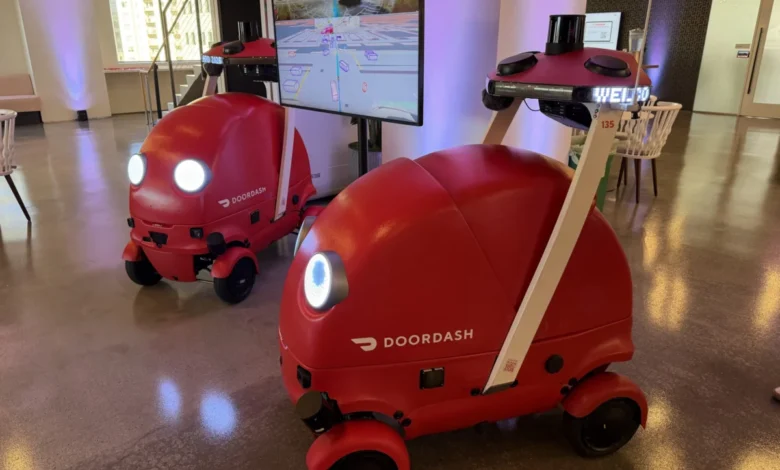
In a blockbuster deal that promises to reshape the landscape of digital retail and e-commerce logistics, DoorDash Inc. has officially announced an agreement to acquire its primary last-mile delivery rival, Instacart, in a transaction valued at $17 billion. The proposed merger brings together two of the most dominant and active platforms in the hyper-competitive grocery and retail delivery sectors. However, the completion of this monumental union remains subject to rigorous regulatory scrutiny from antitrust authorities, as well as the final approval of Instacart shareholders.
To finance the massive $17 billion acquisition, DoorDash leadership has indicated plans to utilize a strategic combination of cash reserves, stock issuance, and debt financing. If successfully cleared through regulatory channels, the transaction will allow DoorDash to seamlessly integrate Instacart’s sophisticated enterprise technology, specialized grocery expertise, and extensive retail partnerships into its own robust logistics network.
The Strategic Rationale Behind the Merger
The acquisition marks a major strategic pivot for DoorDash as the company seeks to cement its dominance in the notoriously complex online grocery market. Unlike restaurant food delivery—which typically involves picking up a sealed package from a single establishment—grocery shopping requires a high degree of precision, real-time inventory management, and human curation.
Tony Xu, co-founder and Chief Executive Officer of DoorDash, highlighted these inherent operational complexities during the official acquisition announcement.
"Grocery is one of the hardest things to get right online," Xu stated. "Someone has to pick a ripe avocado, find a substitute you’d choose yourself, and get the ice cream to you before it melts."
Xu commended the foundational work that Instacart has accomplished over the past decade and a half to solve these difficult last-mile challenges. While DoorDash built its reputation on a vast, adaptable delivery network and restaurant technology that local merchants rely on daily, Instacart spent years cultivating deep relationships with grocers and perfecting the art of item selection and substitution.
"Together, we could give stores of every size more of those tools and unlock the potential of grocery delivery," Xu added. "It’s still early innings, but we know that when more people shop local, more dollars stay local."
By combining forces, the merged entity aims to bridge the gap between restaurant delivery and full-scale supermarket fulfillment, creating an all-encompassing local commerce ecosystem.
Macroeconomic Context and Booming Online Grocery Trends
The DoorDash-Instacart merger arrives against the backdrop of rapidly accelerating consumer adoption of digital grocery shopping. According to comprehensive market data tracked and published by the research and advisory firm Brick Meets Click, online grocery sales in the United States have continued an impressive upward trajectory, growing by more than 20% year-over-year. This sustained growth has significantly expanded the category’s share of total overall grocery spending, proving that digital grocery delivery has transitioned from a pandemic-era convenience to an entrenched consumer habit.
As inflation pressures and hectic modern lifestyles drive consumers toward digital convenience, platforms that can guarantee speed, accuracy, and expansive product selection stand to capture the lion’s share of the market. Industry analysts note that standalone delivery apps have faced mounting pressures to achieve sustainable profitability amid high operational costs, labor expenses, and intense competition from retail giants like Amazon and Walmart. This macroeconomic climate likely catalyzed discussions between DoorDash and Instacart, making consolidation an attractive path forward.
Timeline, Integration Plans, and Future Operations
Both DoorDash and Instacart have outlined an extended timeline for the closing of the transaction. Executives from the respective companies disclosed that they expect the deal to officially close near the end of 2027 or during the first half of 2028, reflecting the expected complexity and duration of the regulatory review process.
Until the transaction receives formal clearance and officially closes, Instacart will continue to operate entirely independently under its current leadership structure. Following the anticipated completion of the merger, DoorDash intends to preserve the well-established Instacart brand identity, alongside its dedicated enterprise technology products and standalone consumer application.
Chris Rogers, Chief Executive Officer of Instacart, expressed optimism regarding the future prospects of the combined companies.
"Over the last 14 years, Instacart has transformed online grocery by helping retailers of all sizes compete and grow, and joining forces with DoorDash allows us to do even more," Rogers said. "When our purpose-built grocery technology and trusted retailer and brand relationships are combined with DoorDash’s global consumer reach and logistics capabilities, we can create new opportunities for our retail and brand partners, offer an even better experience for customers and shoppers, and deliver compelling value for our shareholders."
Expanding Market Reach and Merchant Partnerships
One of the most immediate and tangible benefits highlighted in the acquisition announcement is the massive expansion of merchant availability. DoorDash noted that the transaction could potentially make an additional 50,000 retail stores available to the existing Instacart user base.
This dramatic expansion would build upon Instacart’s already impressive footprint, which currently encompasses nearly 100,000 retail storefronts actively participating on its platform. By marrying Instacart’s extensive supermarket and specialty store network with DoorDash’s massive base of active monthly consumers and sophisticated logistics infrastructure, the combined enterprise will offer unprecedented market reach for both regional chains and independent grocers.
Retail partners stand to benefit from streamlined inventory management tools, enhanced advertising capabilities, and access to a broader demographic of delivery customers. Similarly, gig-economy shoppers and delivery drivers may see optimized routing and more consistent earning opportunities across a wider array of retail categories.
Potential Regulatory Hurdles and Antitrust Scrutiny
While the industrial logic of the merger is clear to corporate leadership, the $17 billion deal is almost certain to face intense scrutiny from federal antitrust regulators, including the Federal Trade Commission (FTC) and the Department of Justice (DOJ).
In recent years, regulatory bodies have adopted a highly cautious approach toward large-scale technology acquisitions and platform consolidation, particularly transactions that combine dominant market players in the gig economy and retail logistics sectors. Regulators will likely evaluate whether the merger substantially lessens competition in the online grocery delivery market, potentially harming independent grocers, restaurant merchants, or consumers through higher fees or reduced choices.
Legal experts suggest that DoorDash and Instacart will need to mount a robust defense demonstrating that the merger enhances consumer welfare, fosters innovation, and strengthens the ability of local brick-and-mortar stores to compete against monolithic retail conglomerates like Walmart and Amazon.
Fact-Based Analysis of Broader Market Implications
The consolidation of DoorDash and Instacart signals a profound maturation of the on-demand delivery economy. What began a decade ago as a fragmented collection of hyper-local startups is rapidly crystallizing into a consolidated duopoly or monopoly market structure dominated by a handful of super-apps.
If approved, the merged company will wield unprecedented influence over how American consumers purchase everyday household essentials, fresh produce, and restaurant meals. For traditional grocery chains, partnering with the dominant delivery platform will become increasingly mandatory to maintain market share, though grocers may simultaneously harbor concerns over platform fees and customer data ownership.
As the industry looks toward the anticipated 2027–2028 closing window, investors, merchants, and regulators will be closely monitoring how DoorDash navigates the complex integration of Instacart’s specialized grocery infrastructure. The success or failure of this historic $17 billion merger will ultimately serve as a bellwether for the future of digital retail, redefining the boundaries of convenience and commerce for the next generation.