Android Dev Summit Introduces Next-Generation AI Agent Integration and Performance Tools for Developers

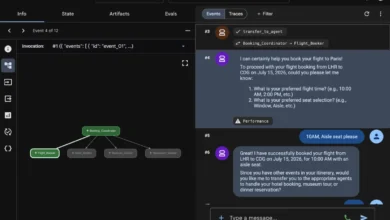
The annual Android Dev Summit has long served as the premier technical stage for Google to unveil major updates to its ecosystem of developer tools, frameworks, and performance utilities. This year’s conference delivered a transformative shift in how professional developers and autonomous coding agents interact, marking a pivotal turning point in mobile software engineering. As artificial intelligence models become increasingly sophisticated at generating production-ready code, Google’s latest suite of updates aims to bridge the gap between human creativity and autonomous execution. By deeply integrating AI flexibility, hardware emulation, and advanced profiling directly into Android Studio and the Android Command Line Interface (CLI), the platform team has established a comprehensive framework designed to help engineers build high-quality applications faster and with greater confidence.
The Evolution of Development Environments: Bring Your Own Agent and Android Studio Rabbit 2
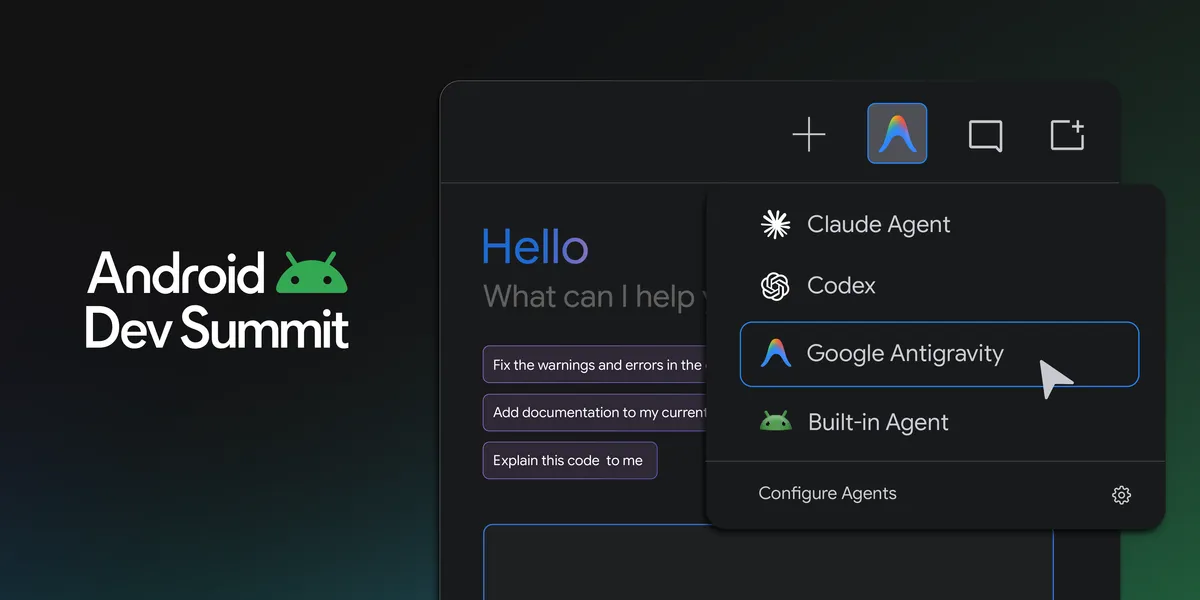
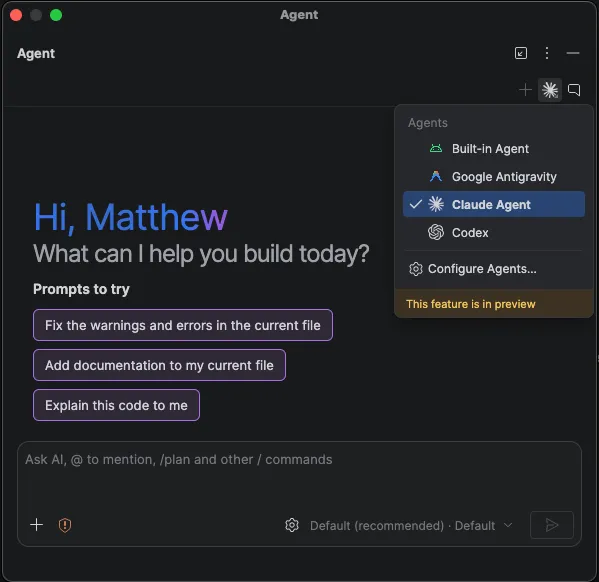
The cornerstone of this year’s announcements is the introduction of Bring Your Own Agent (BYOA) capabilities, which officially reached stability with the release of Android Studio Rabbit 2. Historically, integrated development environments have restricted developers to proprietary, built-in AI assistants. Recognizing that engineering teams rely on a diverse array of specialized models and workflows, Google has implemented the open Agent Client Protocol (ACP). This open standard allows developers to connect more than 40 distinct ACP-compatible coding agents directly within Android Studio.
Engineers can now navigate to the tool settings to browse, install, and seamlessly switch between multiple agents from an integrated marketplace. Crucially, these external agents are not operating in a vacuum; they enjoy deep, native access to the foundational pillars of Android Studio. This includes comprehensive project structure analysis, real-time symbol resolution, Jetpack Compose Preview rendering, Logcat diagnostics, and the Android Emulator. Furthermore, BYOA delivers native integration with Google Antigravity, granting developers immediate access to the latest Gemini iterations and advanced backend capabilities the moment they are deployed.
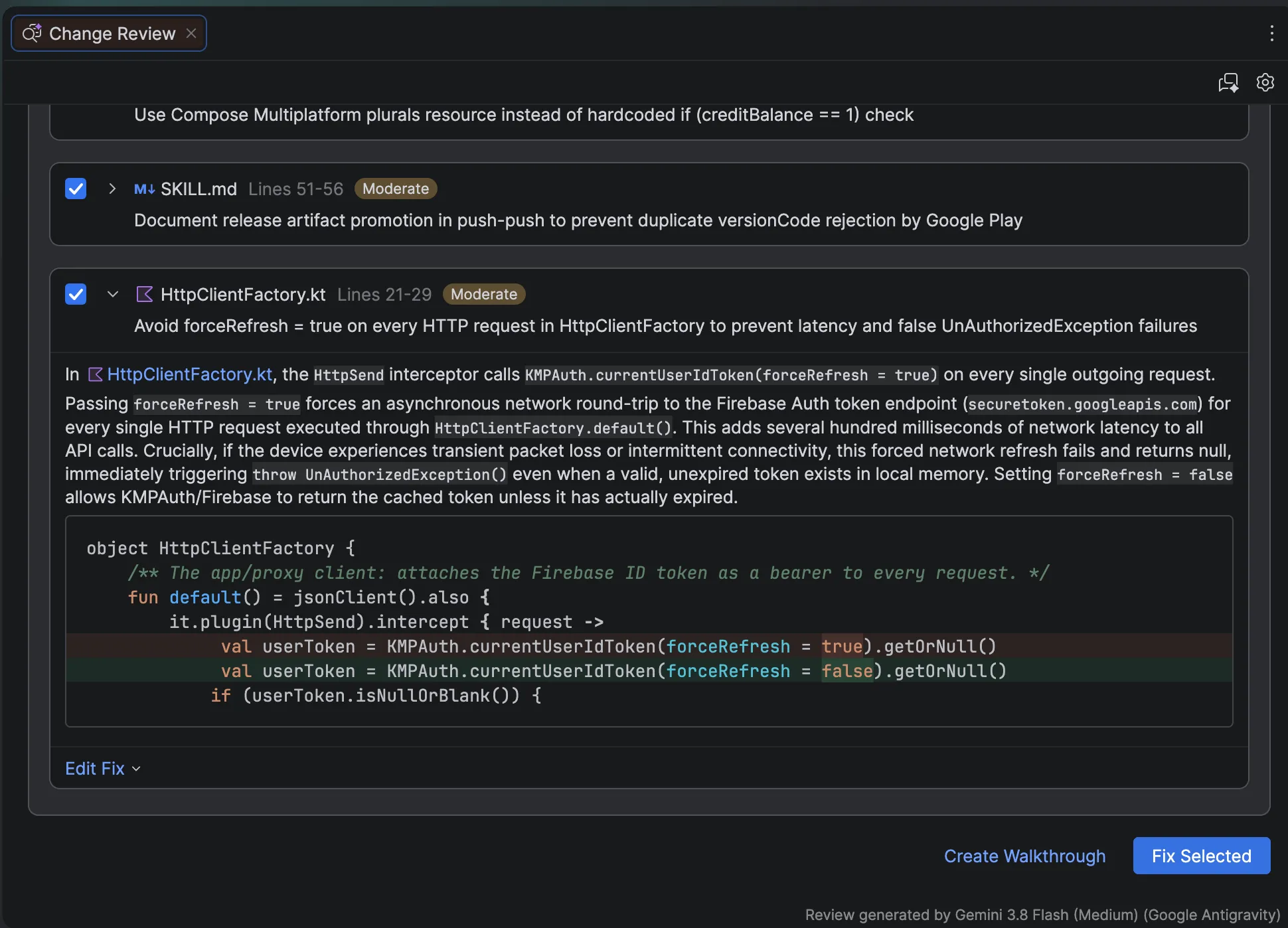
To mitigate the well-documented friction of reviewing extensive code changes generated by automated agents, Android Studio now incorporates an agentic code review workflow. Triggered via the pending changes or Git panels—or invoked directly through the /review command in the agent tool window—the system generates a granular report of potential issues. Developers can request an AI-guided walkthrough to understand complex logic modifications and instruct the agent to autonomously rectify identified flaws.
To help engineering teams navigate the crowded landscape of large language models, Google also unveiled Android Bench 2.0. Operating as an empirical LLM leaderboard, Android Bench evaluates how various models and agent harnesses manage complex, long-running Android development tasks, such as large-scale UI migrations or greenfield application construction from mockups. Unlike academic benchmarks that evaluate simple code compilation, Android Bench rigorously grades solutions on functional correctness, operational cost, and time efficiency.
Expanding Horizons: Android XR Emulation and Automated UI Migration
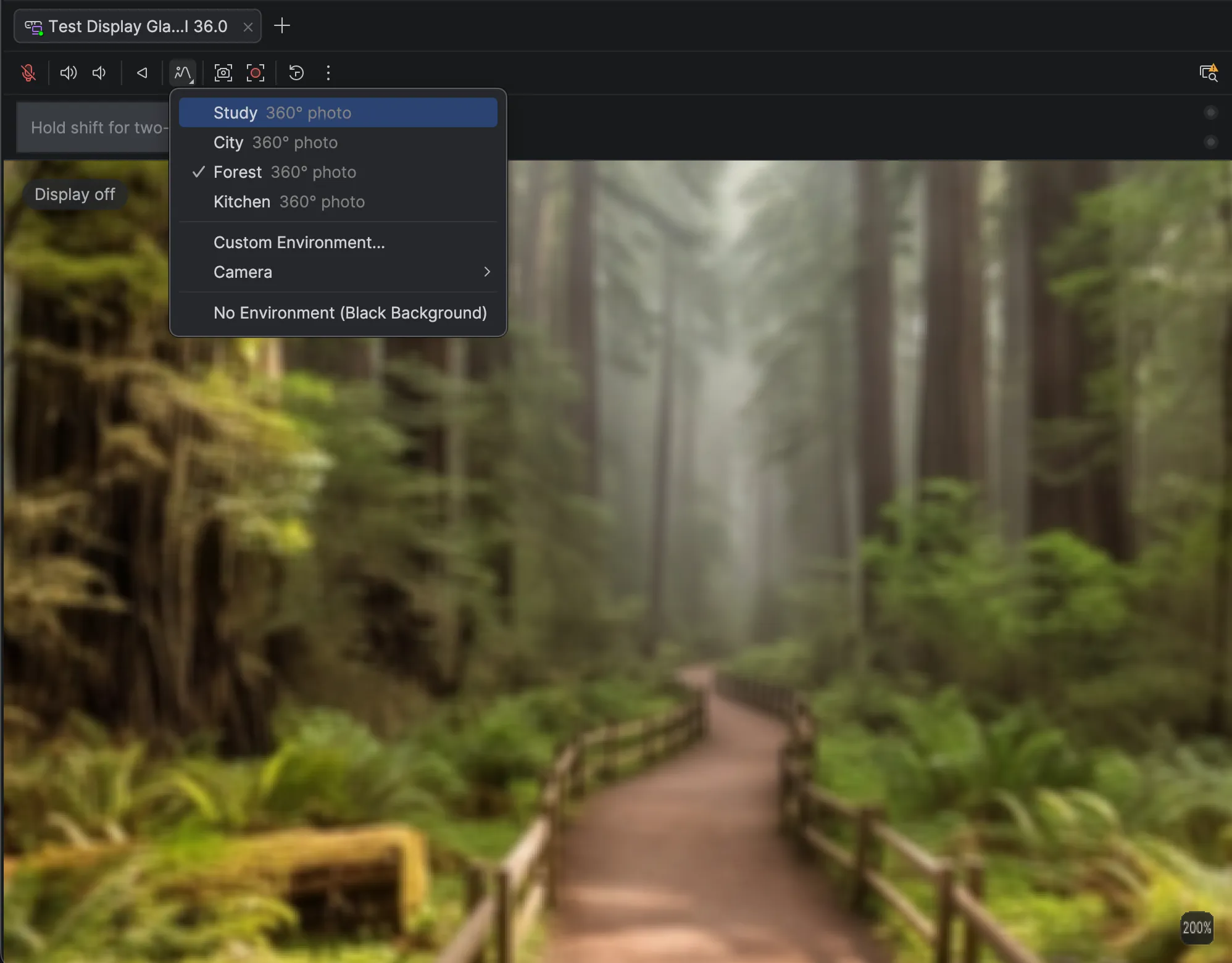
As spatial computing and intelligent eyewear gain momentum, hardware validation has historically presented a significant logistical barrier for mobile developers. Addressing this, Google has finalized stable Android XR emulators directly within Android Studio, supporting glasses designed for visual, auditory, and mixed-reality experiences. The updated emulator environment permits developers to customize physical surroundings using 360-degree imagery or live feeds from connected cameras, simulating real-world physical locations from any workstation. Additional enhancements include hardware LED indicators tracking microphone and camera states, alongside a streamlined Pairing Wizard designed to connect virtual phones to virtual headsets reliably.
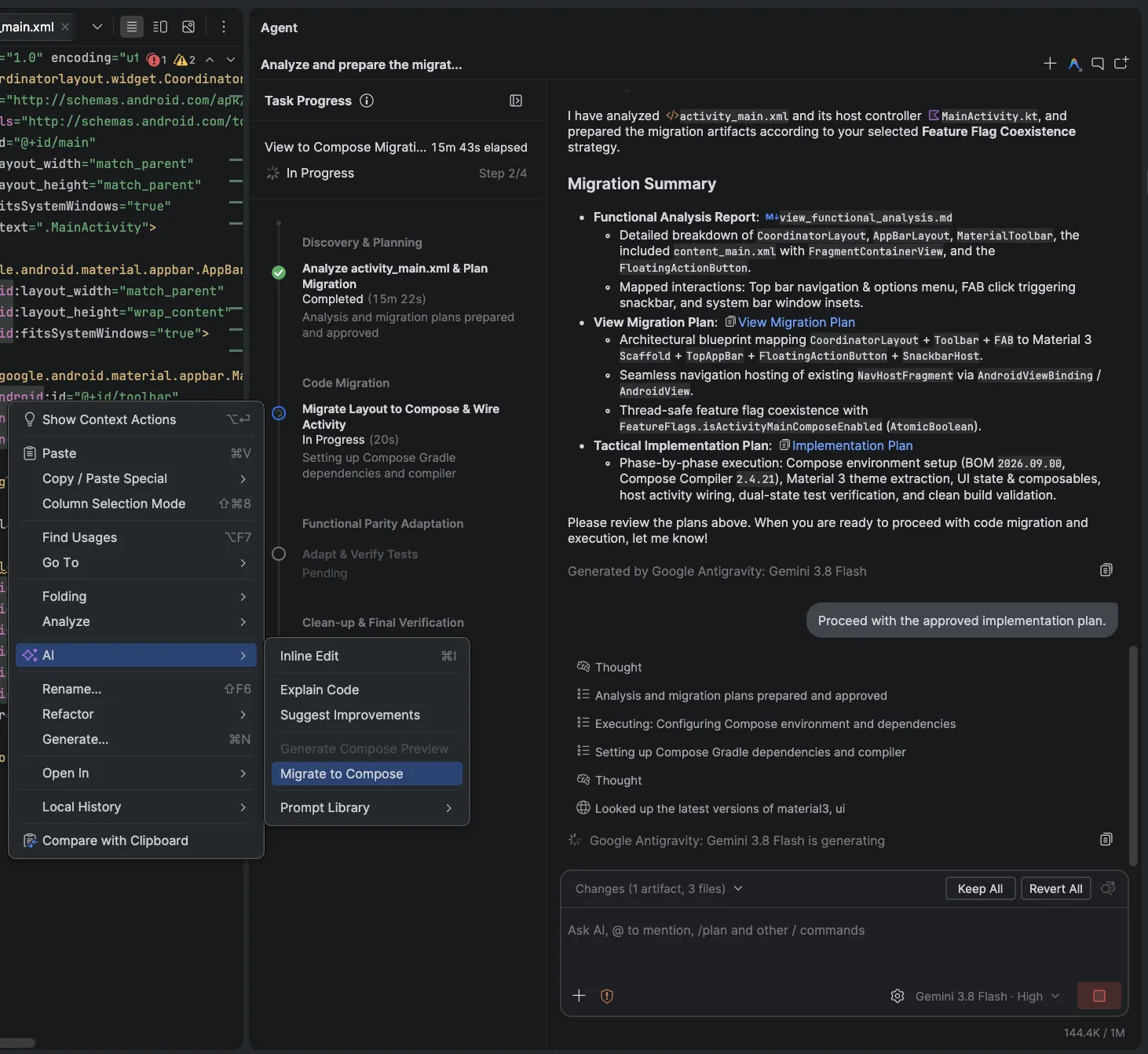
Concurrently, the perennial challenge of migrating legacy codebases from XML Views to Jetpack Compose has received a substantial upgrade through the new Migration Assistant. Available in the latest Android Studio Canary builds, developers can right-click any XML layout file and prompt the agent to orchestrate a complete translation. The agent collaborates with the engineer to formulate a structured conversion plan, subsequently transforming layouts, view-binding logic, and associated code into idiomatic Compose. A dedicated progress timeline tracks the migration phase, permitting developers to pause, review, and resume operations without losing context.
Building from Anywhere: The Android CLI and Cross-Platform Agent Plugins
Complementing the graphical environment of Android Studio, Google continues to expand the utility of the Android Command Line Interface (CLI), launched earlier this year as a tool-first interface tailored for autonomous agents and continuous integration (CI) pipelines. Operating across any terminal or agent harness, the CLI provides programmatic access to official Android development methodologies, eliminating the token waste associated with language models attempting to guess framework architecture.
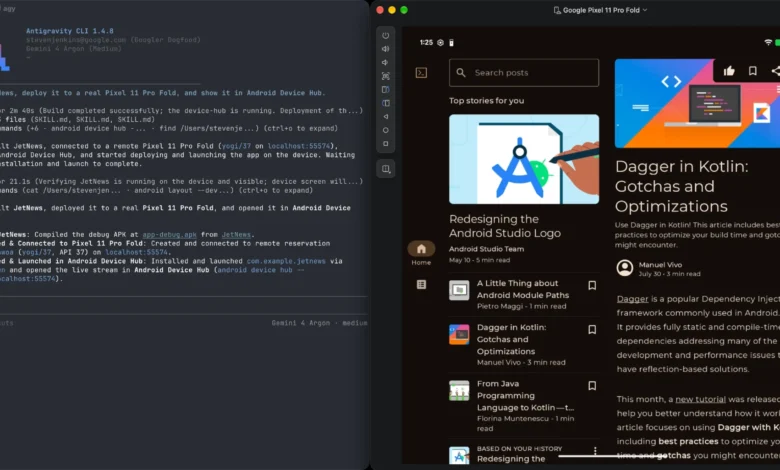
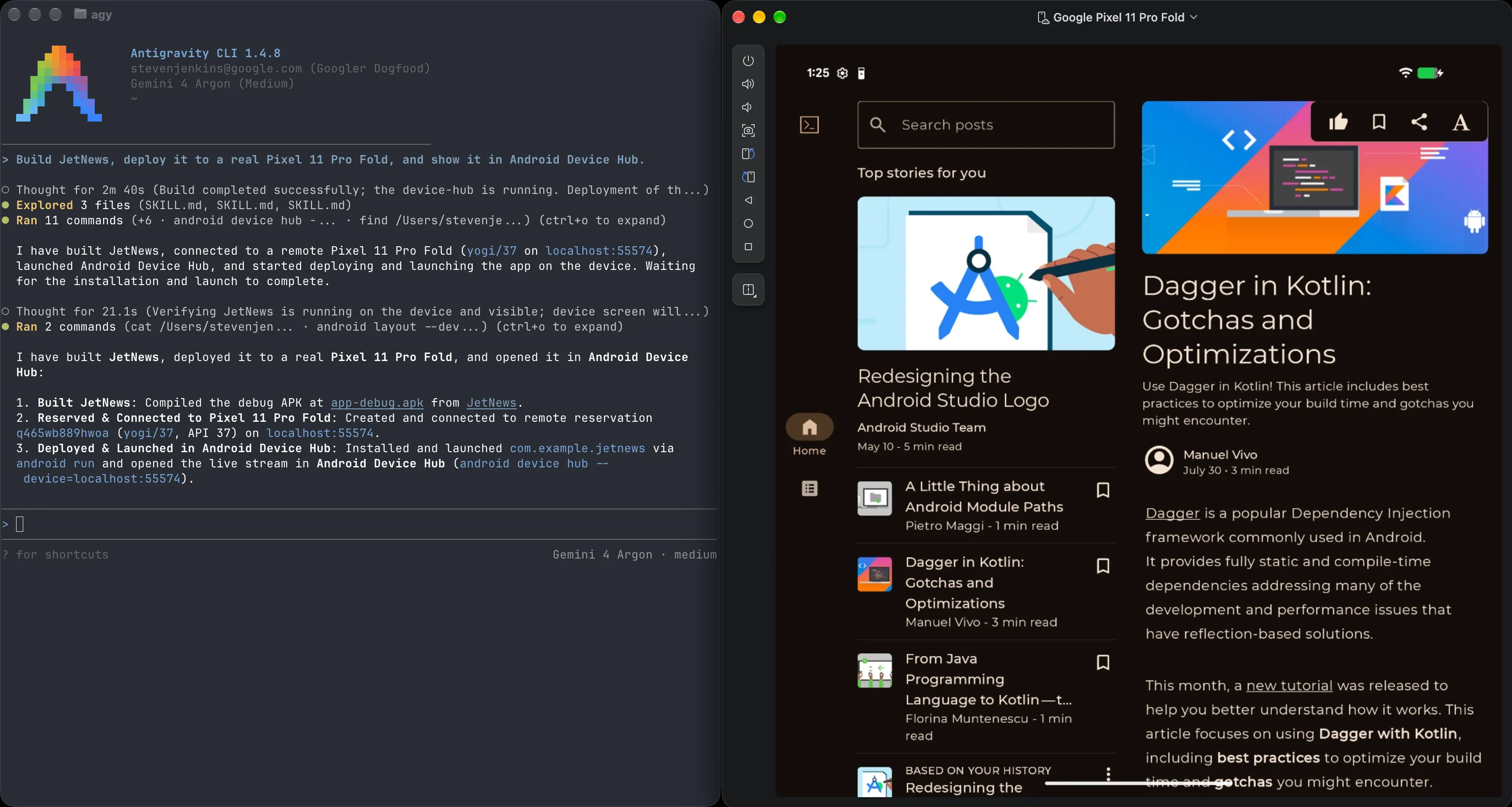
A significant advancement within the CLI ecosystem is the introduction of remote physical device streaming. Developers and their autonomous agents can execute the android device remote command to provision authenticated hardware from a secure Google device lab. This capability allows direct application deployment and validation over environments mirroring physical devices, bypassing local connection constraints. Additionally, the new android device hub offers a lightweight utility to inspect and interact with local, remote, and virtual devices concurrently, entirely independent of an IDE.
To enhance agent autonomy, the new android preview command empowers models to render Jetpack Compose previews directly from the terminal without launching an emulator or an IDE. Internal performance evaluations indicate that coding agents utilizing terminal-based preview verification completed complex user interface tasks 77% faster while consuming up to three times fewer tokens.
To unify these capabilities across third-party development environments, Google has released official Android plugins for prominent AI development platforms, including Google Antigravity, Claude Code, and OpenAI’s Codex. These integrations equip external agents with specialized instructions and tools to initialize Android projects, administer virtual hardware, analyze live UI layouts, and execute comprehensive software testing journeys.
Proactive Performance Engineering and Production Signal Integration
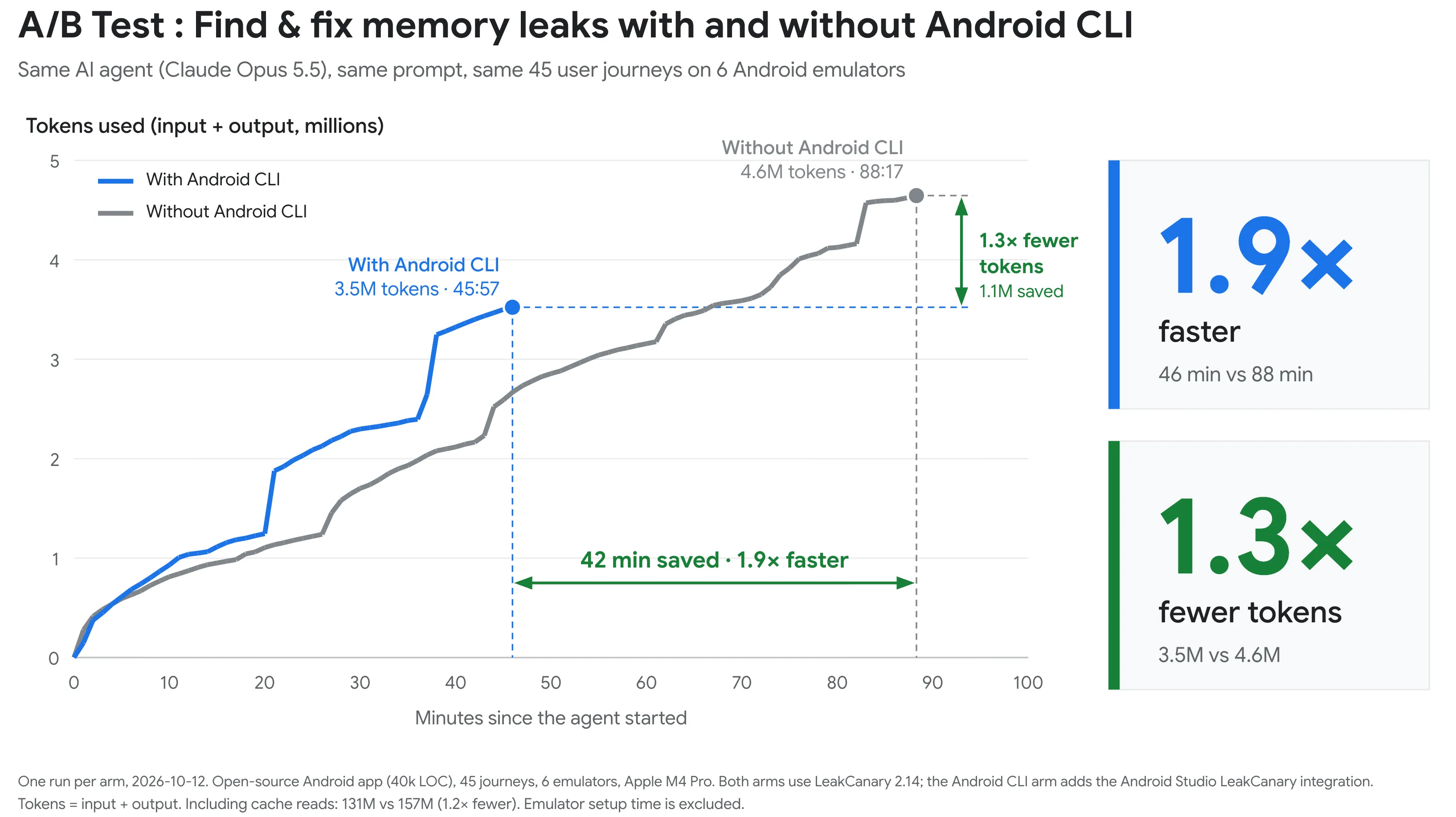
High-velocity development is only valuable if the resulting software maintains rigorous stability and performance standards. To address resource management, LeakCanary—the widely adopted open-source library for detecting memory leaks—has been integrated directly into the Android CLI via the android profiler leakcanary subcommand. By performing heap dump analysis on the host machine rather than on the target device, memory profiling no longer impacts runtime execution. Benchmark evaluations indicate that capable models operating with this CLI subcommand execute leak detection routines nearly twice as fast while utilizing up to 25% fewer tokens. Within Android Studio, this functionality is supplemented by a "Fix with AI" feature within the Profiler, which analyzes memory traces and generates actionable remediation code.
Production observability has similarly been modernized. While App Quality Insights previously brought Firebase Crashlytics and Android Vitals into the IDE, the new android signals terminal command extends this diagnostic pipeline directly to autonomous agents and CI pipelines. Engineers can investigate runtime crashes, Application Not Responding (ANR) events, and memory regressions without context switching.
Furthermore, Jetpack Compose 1.13 introduces native recomposition tracing. When paired with the Android Performance Analyzer and the jetpack-compose-performance agent skill, developers and AI assistants can trace performance degradation back to the exact state-write operation that triggered it.
Declarative Builds and Guardrails: Lightbuild and Official Android Skills
Looking toward the future of build systems, Google provided an early preview of Lightbuild, a declarative, agent-ready build architecture. Transitioning configuration from imperative code to a strict YAML schema, Lightbuild enables both human engineers and AI agents to read, validate, and modify build parameters with programmatic certainty. Featuring pre-resolved dependencies for reproducible builds across local machines and CI environments, Lightbuild projects synchronize rapidly within Android Studio Canary.
To ensure that language models remain aligned with contemporary platform standards, Google maintains an expanding library of over 30 official Android skills spanning more than 20 technical domains. These skills target fast-evolving areas such as advanced camera APIs, security auditing, and Compose performance optimizations. Notable additions include the play-policy-insights skill, which audits codebases and manifest files against Google Play developer policies prior to submission, alongside dedicated security skills for intent and permission verification.
By harmonizing advanced AI integration, robust terminal tooling, and rigorous performance analytics, the updates presented at this year’s Android Dev Summit establish a new paradigm for mobile engineering. As these tools roll out to the global developer community, they promise to significantly compress development lifecycles while elevating the overall reliability and performance of the Android ecosystem.
Related posts: