Coinbase AI Agents Intercept $4.7 Million in Elaborate Elon Musk Deepfake Crypto Scam During Tesla Livestream

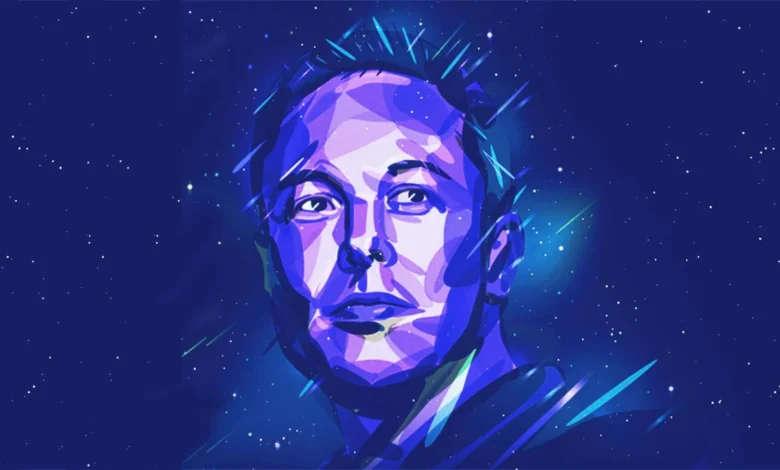
Major cryptocurrency exchange Coinbase successfully thwarted a sophisticated financial fraud campaign by blocking $4.7 million in outbound cryptocurrency transfers directed toward an AI-generated deepfake scam. The incident unfolded during a high-profile Tesla livestream event that attracted over half a million concurrent viewers. Fraudsters leveraged advanced artificial intelligence technology to project a hyper-realistic, computer-generated likeness of billionaire entrepreneur Elon Musk. This synthetic persona promised participants an unprecedented financial return: any digital assets sent to designated cryptocurrency wallet addresses or scanned via QR codes would be immediately doubled.
The fraudulent operation highlights an alarming evolution in cybercrime, where threat actors deploy real-time synthetic media during major corporate presentations to deceive seasoned digital asset investors. According to Coinbase, hundreds of its registered customers attempted to funnel millions of dollars into the malicious wallets over a critical two-hour window. Notably, a significant portion of these targeted users were experienced account holders who fell victim to the illusion of authenticity surrounding the livestream. However, automated machine learning models deployed by the exchange detected anomalous transactional patterns and successfully intervened, halting approximately 91 percent of the attempted unauthorized transfers before funds reached the malicious actors.
The Mechanics of the Tesla Deepfake Livestream Fraud
The sophisticated scheme was executed concurrently with a highly anticipated Tesla product demonstration, which scammers cleverly hijacked to establish immediate credibility. By establishing counterfeit YouTube livestreams that mirrored legitimate broadcast feeds, the perpetrators created a convincing environment that lured hundreds of thousands of unsuspecting viewers. Central to the deception was an AI-generated video featuring a lifelike simulation of Elon Musk discussing futuristic innovations, interspersed with urgent calls to action encouraging viewers to participate in a limited-time cryptocurrency giveaway.
Unlike traditional cyberattacks that rely on compromised credentials, malware, or unauthorized account access, this campaign bypassed standard digital perimeter defenses by exploiting human psychology. Victims were fully authenticated, logged into their legitimate exchange accounts, and acting under the profound belief that they were capitalizing on a once-in-a-lifetime financial opportunity. Because the account owners willingly initiated, authorized, and confirmed the transactions, conventional fraud detection systems—which are typically calibrated to flag unauthorized logins or suspicious third-party activity—failed to register immediate alarm bells during the initial stages of the transfers.
Coinbase noted the distinct challenges posed by this authorized-push-payment style of fraud. Traditional security architectures struggle to differentiate between a customer willingly making a poor investment decision based on fraudulent information and a legitimate self-directed transfer. Because the customer presses the confirmation button themselves, standard static rule engines often clear the transaction, leaving a dangerous vulnerability that advanced threat actors are increasingly eager to exploit.
Autonomous AI Agents and Real-Time Transaction Interventions
Faced with an unprecedented threat vector, Coinbase’s automated security infrastructure relied on advanced machine learning algorithms and autonomous AI agents designed to analyze outgoing cryptocurrency transfers in real time. As transactions were initiated, the monitoring systems evaluated contextual risk indicators, such as newly created destination wallet addresses, sudden surges in transfer volumes, and behavioral markers associated with brand impersonation and fake giveaway scams.
When the system flagged the suspicious outflows, an automated AI agent immediately engaged the affected customers in an
interactive messaging dialogue. Rather than simply blocking the transaction outright—which can frustrate legitimate users—the AI agent provided targeted educational feedback. It explained the specific mechanics of the suspected scam, highlighted common red flags associated with the active fraud campaign, and posed critical validation questions designed to jolt the customer out of their state of cognitive compliance.
Furthermore, the autonomous system assigned confidence scores to the conversational outputs before presenting them to the users, allowing the platform to dynamically escalate safeguards if the customer exhibited signs of persistent deception. Remarkably, Coinbase disclosed that its AI agent had never encountered this specific deepfake campaign prior to the event. The synthetic video format tied to a live product launch was entirely absent from its initial training datasets. Nevertheless, the underlying machine learning models successfully generalized foundational scam typologies—including artificial time pressure, promises of exponential financial multipliers, and the irreversible nature of blockchain transactions—allowing the system to intervene autonomously without human security analysts needing to intervene manually in real time.
A Long History of Musk-Themed Cryptocurrency Impersonation Campaigns
The exploitation of Elon Musk’s public profile and corporate brands for fraudulent cryptocurrency schemes is a well-documented phenomenon within the cybersecurity landscape. For years, threat actors have repeatedly weaponized the entrepreneur’s reputation across virtually every major social media and communication platform. High-profile incidents have included the mass hijacking of verified Twitter accounts to broadcast fraudulent giveaway links, large-scale email campaigns distributing fake investment invitations, and floods of coordinated TikTok promotions designed to siphon funds from retail investors.

In previous notable campaigns, threat actors utilized sophisticated deepfake videos featuring Musk to endorse fictitious investment platforms such as Bitvex, promising guaranteed daily returns. Another notorious multi-day Twitter compromise campaign enabled cybercriminals to steal upwards of $580,000 in cryptocurrency within a single week by leveraging verified accounts to lend unwarranted authority to their illicit addresses. Security researchers emphasize that these tactics continue to evolve in tandem with generative AI technologies, shifting from static images and text-based phishing to hyper-realistic video and audio simulations capable of deceiving even technologically literate audiences.
Industry Implications and the Future of Consumer Protection
The successful interception of $4.7 million by Coinbase’s AI agents marks a critical turning point in the ongoing battle against advanced financial fraud within the digital asset ecosystem. As generative artificial intelligence lowers the technical barrier for creating convincing synthetic media, financial institutions are increasingly forced to adopt proactive, automated, and context-aware defense mechanisms to protect their user bases from sophisticated social engineering.
Security analysts emphasize that traditional user education campaigns, while necessary, are no longer sufficient to combat real-time deepfake fraud, particularly when victims are subjected to high-pressure environments during major global events. The integration of conversational AI agents capable of contextual real-time intervention represents a powerful new paradigm in fraud mitigation. By acting as an intelligent digital friction point, these systems can disrupt the psychological momentum exploited by scammers, providing users with the necessary pause to recognize deception.
Nevertheless, industry experts caution that cryptocurrency exchanges, social media platforms, and video-sharing networks must share the burden of prevention. Major tech platforms face mounting pressure to implement more rigorous content moderation and real-time verification protocols to prevent fraudsters from broadcasting malicious livestreams and impersonating public figures. Until platform-level safeguards catch up with the rapid advancements in generative AI, financial intermediaries will remain on the frontline of defense.
To mitigate the risk of falling victim to similar campaigns, cybersecurity professionals advise cryptocurrency holders to adhere to strict verification hygiene. Users should consistently cross-reference promotional announcements, giveaways, and investment opportunities through official corporate websites and verified social media channels, remaining intensely skeptical of any live broadcast that demands immediate asset transfers in exchange for amplified returns.
Related posts: