Allegro achieves record-breaking third quarter growth as international expansion and AI integration drive profitability

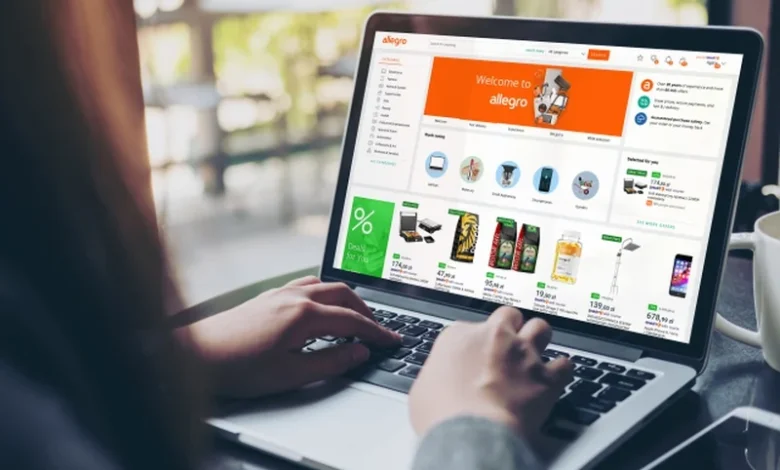
The Polish e-commerce giant Allegro has reported its most robust Gross Merchandise Value (GMV) growth rate since 2022, signaling a significant acceleration in both its domestic stronghold and its rapidly expanding international operations. According to the company’s third-quarter financial results, Allegro’s Polish marketplace witnessed a 14.7 percent year-on-year increase in GMV, a performance that has bolstered profitability across the entire Allegro Group. This growth trajectory reflects a broader strategic pivot toward technological efficiency and cross-border scalability, setting the stage for a strong finish to the fiscal year.
As the preeminent online marketplace in Poland, Allegro has long served as a bellwether for the Central and Eastern European (CEE) digital retail sector. The latest figures show that the momentum gained in the first half of the year—where the Group recorded a 13.7 percent GMV increase—was not merely sustained but improved upon as the company entered the second half of 2024.
The Technological Edge: AI as a Catalyst for Efficiency
A critical component of Allegro’s recent success is its aggressive integration of artificial intelligence into its operational infrastructure. In September, the company finalized the deployment of AI-powered assistants for its partner sellers. The impact of this rollout has been immediate and quantifiable. Management reports that 94 percent of sales quality issues are now resolved autonomously, bypassing the need for human intervention.
This transition from manual oversight to automated resolution has allowed the platform to scale its operations without a commensurate increase in administrative overhead. By empowering sellers with sophisticated tools that monitor listing quality, shipping compliance, and customer communication, Allegro has effectively reduced friction in the marketplace. For the average merchant, this means faster issue resolution and a more streamlined sales process, which in turn contributes to higher customer satisfaction scores and increased repeat purchase rates.
Market Dynamics: Domestic Dominance and International Momentum
The Allegro Group’s reach is expanding at a significant scale, now encompassing a total of 21.5 million active buyers. Within Poland, the platform maintains a formidable presence with 15.8 million active shoppers. The financial health of the domestic segment remains the backbone of the organization, with Polish revenues climbing by 17.1 percent and a healthy GMV margin of 6.6 percent. This, combined with operational efficiencies, culminated in a 19.2 percent year-on-year increase in adjusted EBITDA for the Polish business.
However, the most striking narrative in the Q3 report is the performance of Allegro’s international segment, which has outpaced its domestic counterpart in terms of growth velocity. The international marketplace reported a consolidated GMV increase of 17.8 percent, with an even more impressive 22.9 percent surge in adjusted EBITDA.
This international growth is primarily driven by the company’s expansion into Czechia, Slovakia, and Hungary. The group reported a 102 percent year-on-year increase in GMV across these three markets, a testament to the success of its localized expansion strategy. Currently, these platforms serve a combined base of 5.7 million active buyers, who are showing increasing loyalty; the frequency of purchases by these users rose by 23 percent compared to the same period last year.
Strategic Roadmap: Scaling Toward 2029
Allegro’s management has set an ambitious target for the current fiscal year: the company intends to close 2025 with an additional 2 billion euros in GMV attributed to its international marketplaces. While the international segment is currently in an investment phase, the company has provided a clear roadmap to profitability, projecting that these ventures will reach a break-even point by 2029.
The company is also diversifying its reach through logistical and export initiatives. The recent opening of the Polish marketplace to consumers in Ukraine represents a strategic move to tap into a market of 12 million potential active buyers. By leveraging its existing logistics network and the popularity of the Allegro brand, the company is positioning itself to be a primary gateway for international goods entering the Ukrainian market.
Executive Perspective: Quality as a Growth Driver
Marcin Kuśmierz, CEO of Allegro, emphasized that the company’s growth is fundamentally tied to the quality of the user experience. "Client satisfaction is the measure of our success and drives our business growth, efficiency and scale," Kuśmierz stated. "As we have accelerated GMV growth at record-high profitability in Poland, we are doubling down on breakthrough partnerships and AI development. We are combining user bases counted in millions in markets valued in billions of PLN, and we have all the tools to ensure that Allegro is everyone’s go-to place for the most convenient holiday shopping."
Looking forward, the leadership team remains optimistic. Data from the initial weeks of the fourth quarter suggests that the growth momentum has not slowed. "The first weeks of Q4 show GMV growth was even faster in Poland and continues to double in value internationally," Kuśmierz added. "We are thinking way beyond a traditional marketplace, with our next steps including pilot exports to Ukraine, giving everyone the experience of an online brand store when buying on Allegro, or a gradual expansion of our brands and tools beyond our platform."
Contextual Analysis: The Shift in E-commerce Strategy
Allegro’s current strategy marks a departure from the traditional "volume at any cost" model that characterized the early growth years of many e-commerce platforms. Instead, the focus has shifted toward "profitable growth." The 19.2 percent increase in adjusted EBITDA in Poland demonstrates that the platform is successfully monetizing its scale through value-added services, advertising, and the automated tools provided to sellers.
The decision to lean heavily into AI is a direct response to the increasing complexity of marketplace management. As third-party sellers grow in number, the ability to maintain a high standard of sales quality without ballooning support costs is essential for maintaining margins. By offloading these tasks to AI, Allegro is effectively insulating its bottom line from the rising costs of human labor while simultaneously improving the experience for the end consumer.
The international performance in the CEE region also suggests that Allegro’s localized approach—tailoring the platform to the specific consumer preferences and logistical realities of Czechia, Slovakia, and Hungary—is paying off. Unlike some global competitors that attempt to apply a "one-size-fits-all" model, Allegro’s ability to integrate local payment preferences and shipping expectations has clearly fostered the loyalty needed to drive the 102 percent GMV increase in those territories.
Implications for the Future
The expansion into Ukraine, while still in a pilot phase, is a significant development. It suggests that Allegro is comfortable managing the logistical complexities of cross-border trade in the current geopolitical climate. If successful, this could serve as a blueprint for further expansion into other emerging markets in Eastern Europe, potentially setting the company on a path to dominate the regional e-commerce landscape.
As the company prepares for the year-end shopping season, the combination of high consumer loyalty, AI-driven operational efficiency, and a broadening geographical footprint provides a strong foundation. Investors and analysts will be watching closely to see if the company can maintain these margins while simultaneously funding its international growth ambitions. For now, the numbers suggest that Allegro is not only surviving the competitive pressures of the digital age but is actively reshaping its business model to thrive within them.
With the Q4 holiday season traditionally acting as the peak period for e-commerce, the reported acceleration in growth at the start of the quarter suggests that the company is well-positioned to hit its annual targets. Allegro’s evolution from a purely Polish marketplace to a regional powerhouse utilizing advanced technology demonstrates the effectiveness of its current leadership and strategic focus.