Tractor Supply Co. Expands Rural Delivery Reach Through Nationwide Partnership with Uber

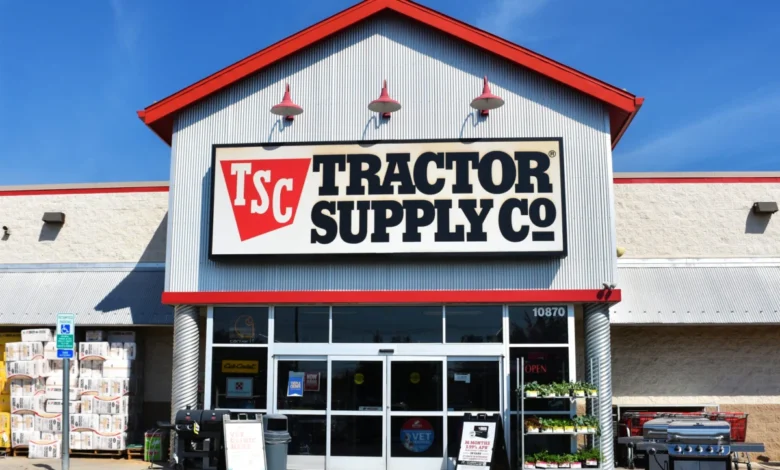
Tractor Supply Co. has officially announced a nationwide partnership with ride-sharing and delivery giant Uber, a strategic move designed to bring on-demand retail delivery deeper into rural, exurban, and suburban American communities. Effective November 12, the new agreement makes Tractor Supply’s extensive catalog—ranging from pet food and animal care essentials to lawn and garden supplies, hardware tools, and outdoor gear—available to consumers through the Uber, Uber Eats, and Postmates mobile applications.
This collaboration marks a significant evolution in how rural-focused retail is consumed digitally. By bridging the gap between localized brick-and-mortar storefronts and major gig-economy delivery networks, Tractor Supply is targeting a demographic that has historically been underserved by same-day urban delivery models. As the landscape of e-commerce continues to shift toward rapid fulfillment, legacy retailers are increasingly leaning on third-party logistics platforms to capture market share and extend their geographic footprint without the prohibitive capital expenditure of building proprietary last-mile fleets from scratch.
Strategic Geography: Reaching Beyond the City Limits
The cornerstone of the Uber and Tractor Supply partnership is geographic synergy. While major third-party delivery services have traditionally focused their infrastructure on densely populated metropolitan areas, Uber has recognized a largely untapped frontier in non-urban markets. Tractor Supply, which operated 2,486 core retail stores across 49 states as of September 26, alongside 135 Petsense by Tractor Supply stores (though the current partnership explicitly excludes Petsense locations), is uniquely positioned to supply this demand.
Uber’s retail partnerships division views the alliance as a vital step in proving that modern consumer expectations for convenience are not limited by zip codes. According to Nathan Bernheim, Uber’s head of retail partnerships, the fundamental need for speed and accessibility does not stop at traditional city limits.
From Tractor Supply’s perspective, the integration opens direct digital pathways to an entirely new demographic. Matthew Rubin, Tractor Supply’s senior vice president and president of digital and e-commerce, noted that the collaboration not only enhances shopping flexibility for existing patrons but also introduces the brand to millions of active Uber users who may have never previously shopped at a Tractor Supply location. By embedding its product catalog into mainstream consumer applications, Tractor Supply aims to reinforce its corporate ethos of making rural living—often summarized by the company’s slogan, "Life Out Here"—more convenient.
To incentivize early adoption and drive app-based traffic, Uber launched the partnership with a promotional discount, offering customers $20 off Tractor Supply orders totaling $60 or more, subject to standard fees and regional terms. While specific baseline delivery fees and average fulfillment speeds were not explicitly disclosed in the initial announcement, the operational framework mirrors standard on-demand retail delivery models already deployed by the platform.
A Crowded Delivery Ecosystem and Industry Consolidation
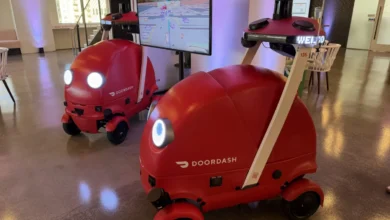
The integration with Uber represents a broader, highly aggressive multi-platform digital strategy pursued by Tractor Supply. Uber is the second major third-party delivery provider the retailer has onboarded within a single year. In July, Tractor Supply announced it had integrated into the Instacart Marketplace, a direct competitor to Uber, with both companies championing similar goals regarding same-day delivery expansion to non-urban demographics. Furthermore, Tractor Supply has maintained an active delivery partnership with DoorDash since 2022.
However, the third-party delivery market is currently undergoing historic consolidation, which could reshape how retail brands manage their multi-app strategies. On October 29, DoorDash stunned the logistics sector by announcing its intent to acquire Instacart in a massive transaction valued at $17 billion.
The mega-deal remains subject to strict regulatory scrutiny and approval from Instacart shareholders, with corporate leadership projecting a closing timeline between late 2027 and the first half of 2028. Until the transaction officially finalizes, Instacart is slated to operate entirely independently. Furthermore, DoorDash has publicly signaled its intention to preserve the distinct Instacart brand identity, consumer application, and enterprise technology products following the integration. For enterprise retailers like Tractor Supply, ranked No. 83 in Digital Commerce 360’s Top 1000 Database of North America’s largest online retailers, navigating these shifting corporate alliances requires agile supply chain management and diversified platform partnerships.
Tractor Supply’s Proprietary Delivery Infrastructure
While third-party aggregators like Uber, Instacart, and DoorDash provide crucial consumer reach, Tractor Supply has simultaneously spent the last year and a half aggressively scaling its own proprietary, store-based fulfillment network. Speaking on the company’s operational milestones, CEO Hal Lawton highlighted the maturation of the retailer’s "Final Mile" delivery framework.
The system utilizes an efficient hub-and-spoke arrangement where clusters of three to four stores coordinate logistics, designating one primary location to act as a regional fulfillment hub for the surrounding units. This localized network supports various fulfillment speeds, including same-day, two-day, and three-day options—services that Tractor Supply has refined over half a decade.
The investments in internal logistics are yielding measurable returns. Tractor Supply completed as many last-mile deliveries during the first half of fiscal 2026 as it did during the entirety of fiscal 2025, according to executive statements. This robust performance in store-based delivery served as a primary catalyst for double-digit digital sales growth during the second fiscal quarter, a period that otherwise presented macroeconomic headwinds, including a 1.5% dip in comparable store sales amid a challenging retail climate.
Bolstering Supply Chain and Distribution Capacities
To sustain this accelerated pace of digital and physical retail expansion, Tractor Supply is continuously fortifying its underlying supply chain infrastructure. In September, the company officially opened its 11th major distribution center in Nampa, Idaho. Spanning an impressive 865,000 square feet, the facility was engineered to immediately support 123 retail stores across nine states during its inaugural year of operation, with structural capacity designed to service more than 200 stores at peak operational scale.
This logistical expansion complements Tractor Supply’s growing technological footprint. In addition to its traditional e-commerce performance, the retailer is actively integrating advanced technological solutions into its digital architecture, securing a notable position at No. 225 in Digital Commerce 360 and ReFiBuy’s AI Commerce Rankings, a specialized metric available within the Top 1000 Pro with AI Database.
Market Implications and Future Outlook
The partnership between Tractor Supply and Uber underscores a broader paradigm shift in the American retail and logistics sectors. As urban markets become increasingly saturated with quick-commerce options, third-party delivery networks are forced to look outward to sustain transaction volume growth. By partnering with established rural giants like Tractor Supply, delivery apps can extract incremental value from suburban and rural consumers who routinely purchase bulky, heavy, or specialized goods.
For Tractor Supply, the strategy mitigates the risk of customer churn by meeting modern shoppers’ demands for frictionless, on-demand convenience without sacrificing the distinct product catalog that defines its market niche. Whether ordering emergency livestock feed, seasonal gardening equipment, or home maintenance tools, rural consumers now have a multitude of digital avenues to access brick-and-mortar inventory.
As the regulatory bodies evaluate massive market shifts—such as the pending DoorDash-Instacart merger—retailers that successfully diversify their fulfillment channels across both proprietary networks and third-party applications will likely maintain a competitive advantage. Tractor Supply’s proactive approach to blending internal distribution centers, hub-and-spoke store deliveries, and widespread app integrations positions the company resiliently as it navigates the evolving intersection of agriculture retail, suburban sprawl, and digital commerce.