Google Play Announces Mandatory Adaptive App Quality Standards and New Screenshot Requirements for Foldable Devices

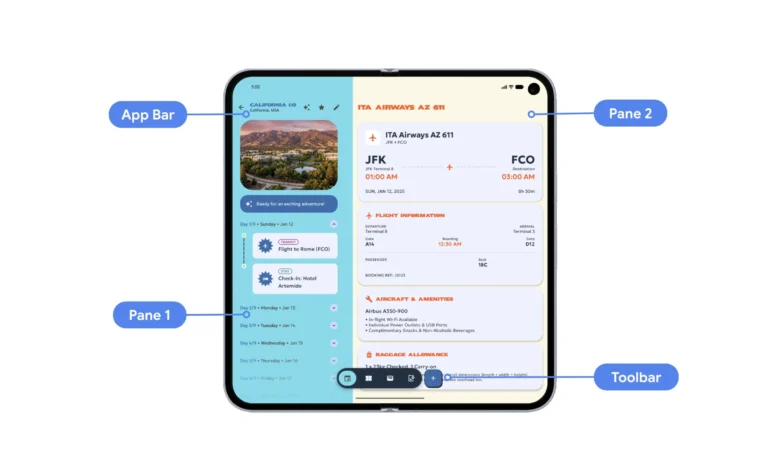
As consumer adoption of premium foldable Android smartphones accelerates globally, transforming from an experimental niche into a dominant segment of the mobile hardware market, Google has introduced significant updates to its ecosystem requirements. Aimed at ensuring a cohesive and high-performance user experience, Google Play has announced new adaptive app quality standards and mandatory store listing rules specifically tailored for foldable devices, tablets, and large-screen hardware. These sweeping policy shifts, set to be fully enforced by April 2027, represent a pivotal evolution in how Android software is designed, reviewed, and distributed across a rapidly expanding hardware landscape.

The explosive growth of large-screen and foldable devices within the Android ecosystem has fundamentally altered user expectations. According to platform metrics, developers currently build for an expansive base of over 580 million large-screen devices actively in use worldwide. This diverse ecosystem spans traditional foldable phones, Amazon Alexa-powered tablets, Googlebook laptops, and emerging Android Extended Reality (XR) hardware such as the XREAL Aura. When consumers invest capital into premium foldable devices—which feature complex dual-screen configurations, dynamic aspect ratios, and unique physical postures—they anticipate that their preferred productivity applications and immersive games will transition smoothly between folded and unfolded states without crashing, lagging, or displaying unsightly visual artifacts.
To address these expectations, Google Play is rolling out a structured framework of quality enforcement and developer guidelines. The cornerstone of this policy update is the mandate that all applications distributed through Google Play must meet at least Tier 3 of the Android adaptive app quality guidelines for foldables by April 2027. Applications that fail to satisfy this foundational quality threshold will face severe administrative consequences: they will no longer be permitted to publish new updates, will be blocked from initial publication on the platform, and may suffer from diminished algorithmic visibility within the Google Play Store search and recommendation engine.
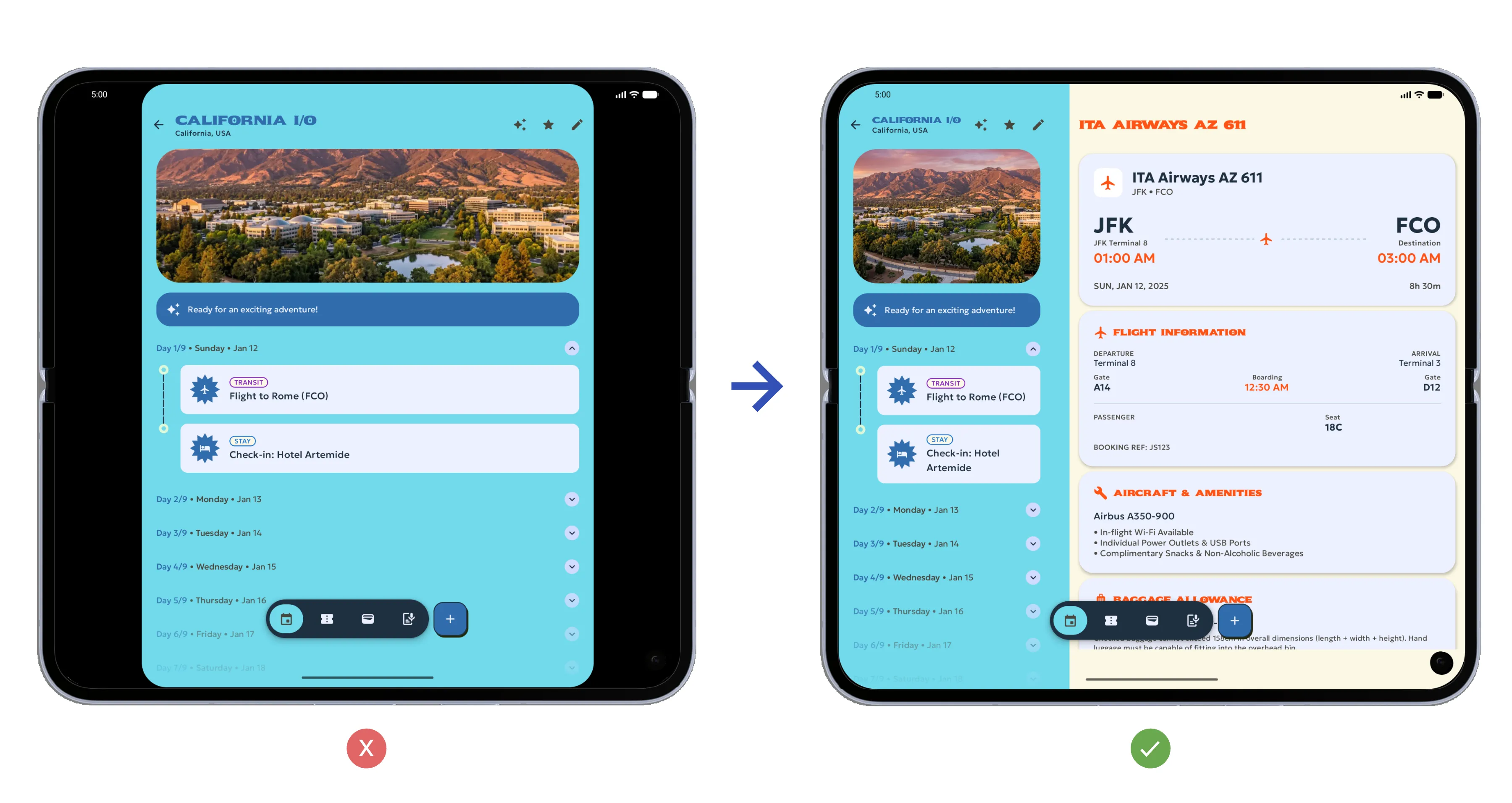
While the April 2027 enforcement establishes Tier 3 compliance as the mandatory baseline exclusively for foldables, Google’s long-term strategy involves progressively expanding this framework to incorporate Tier 2 and Tier 1 standards. These higher tiers will eventually encompass standard tablets, laptops, and advanced XR devices. Industry analysts and platform architects strongly advise development teams to begin engineering their software architectures for these higher tiers immediately. Doing so not only safeguards applications against sudden compliance crackdowns but also positions developers to secure premier store badging, coveted editorial spotlighting, and enhanced promotional merchandising across the Google Play marketplace as platform standards continue to rise.
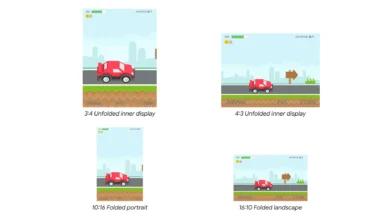
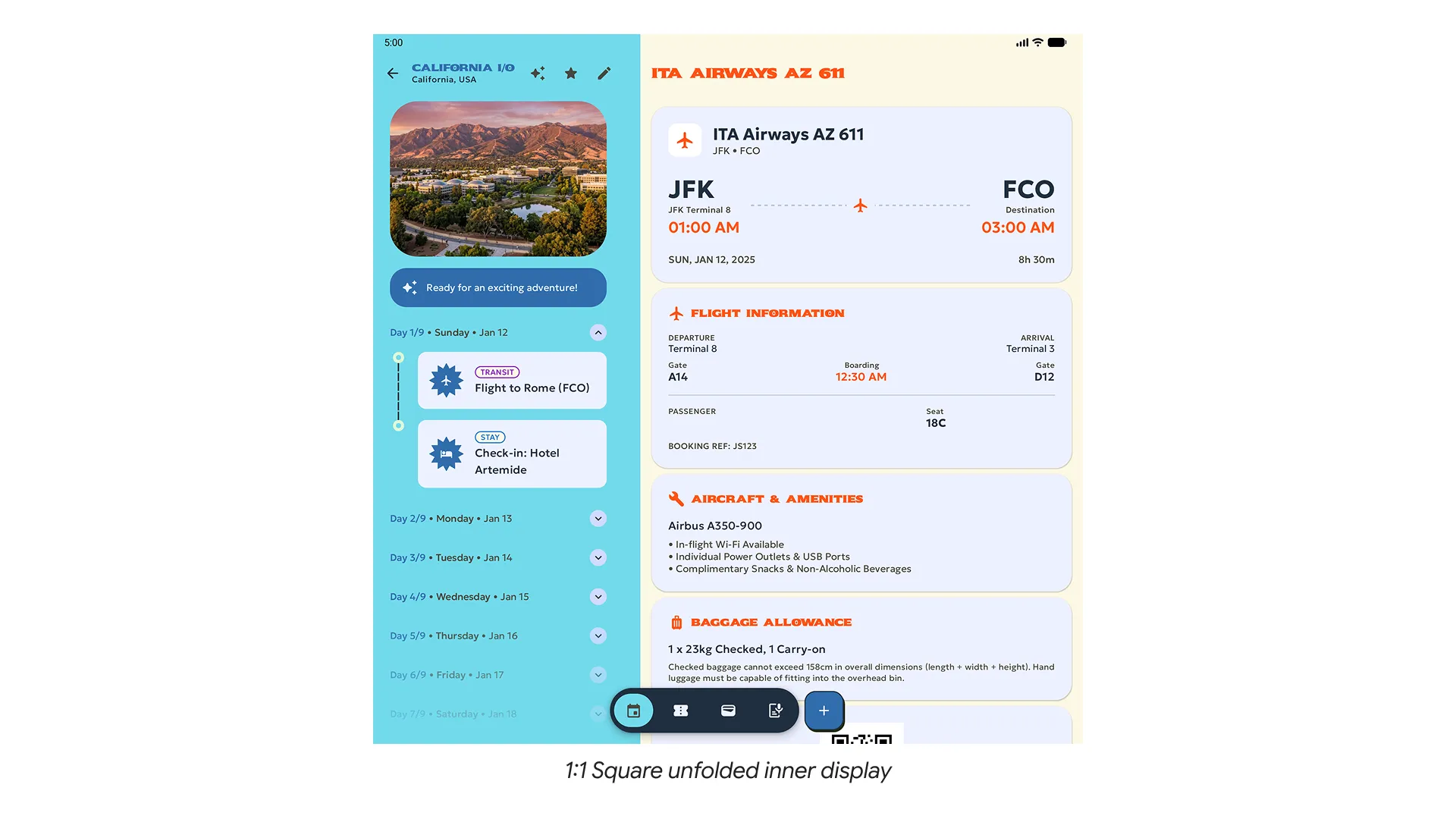
Complementing the technical quality requirements are updated visual presentation mandates for Google Play Store listings. Beginning immediately, developers are granted the capability to upload dedicated foldable device screenshots via the Play Console to highlight their applications’ adaptive capabilities. However, starting in April 2027, providing exactly three foldable screenshots will transform from an optional feature into a mandatory submission prerequisite when publishing new applications or pushing major updates to existing store listings. These visual assets must be provided alongside the standard two smartphone screenshots traditionally required by the platform.
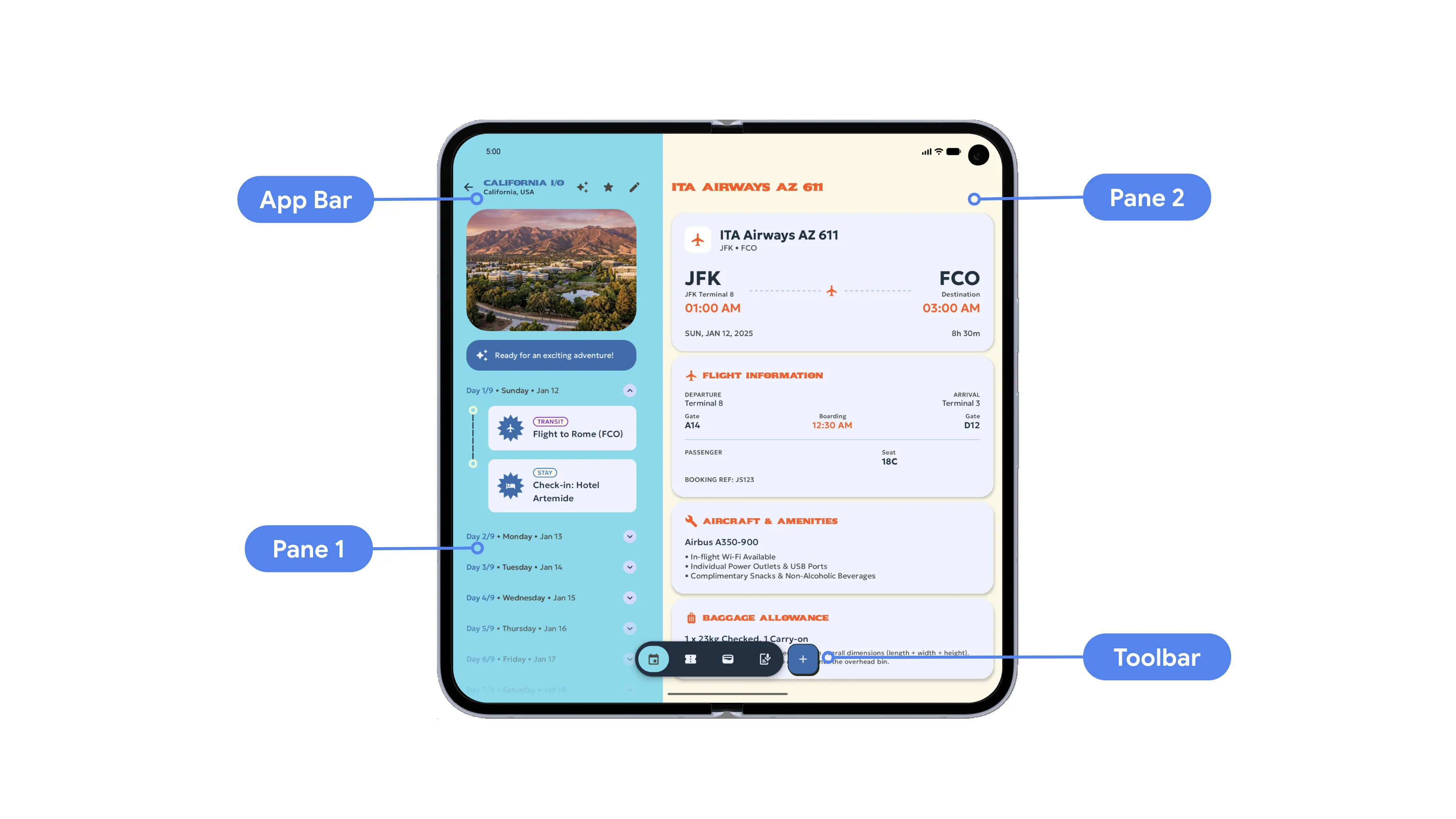
The Play Console infrastructure enables developers to upload specialized imagery that showcases both unfolded inner primary displays and folded outer cover screens. To streamline this process, developers can capture compliant assets using physical Android hardware or via the Android Emulator using command-line interface tools. These guidelines account for the full gamut of standard aspect ratios found within the modern foldable hardware market, ensuring that potential users can accurately preview how an application behaves before initiating a download.
Chronologically, these announcements fit into a broader, multi-year roadmap orchestrated by Android engineering teams to eliminate fragmentation and enforce modern software standards. A critical milestone on this timeline is the upcoming requirement for applications to target API level 37, corresponding to Android 17. By aligning with this target, Google will systematically remove legacy developer opt-outs that previously allowed applications to enforce rigid orientation locks or arbitrary resizability restrictions on large screens. This chronological progression guarantees that software distributed via the official channel remains natively responsive to any display geometry.
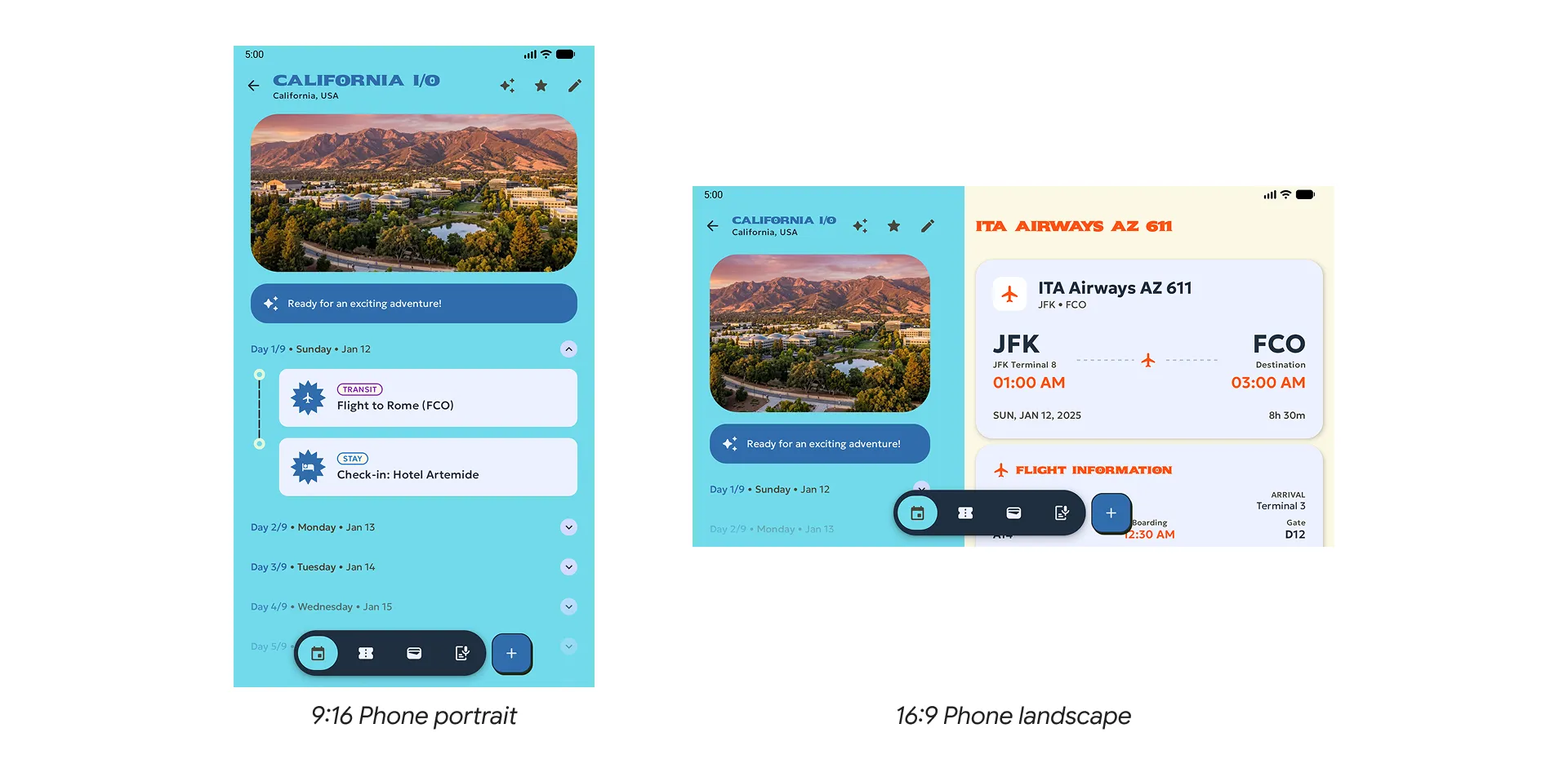
Industry reactions from software engineers, UI/UX designers, and enterprise application vendors have been largely supportive, albeit cognizant of the engineering overhead required. Modern user interface toolkits, most notably Jetpack Compose, have been widely credited with mitigating the transition friction. Jetpack Compose enables development teams to construct adaptive layouts that scale gracefully and programmatically from pocket-sized smartphones to expansive foldable displays using single, unified codebases. By adopting these modern UI paradigms, engineering teams can satisfy Google’s stringent compliance metrics while simultaneously improving code maintainability and application performance across the entire spectrum of supported form factors.
The economic and commercial implications of these policy changes are profound. For independent developers and major enterprise studios alike, maintaining compliance with Google Play’s evolving standards is directly tied to market viability. As foldable hardware captures an increasingly large share of the high-end smartphone market, applications that fail to optimize for dual-screen environments risk high user churn rates and negative store reviews. Conversely, applications that achieve elite tier status and successfully leverage multi-pane layouts, posture-aware components, and seamless continuity are uniquely positioned to capture consumer loyalty in a competitive digital economy.
To assist development teams in navigating these regulatory updates, Google has published an extensive suite of technical documentation, design patterns, and migration tools. Developers are encouraged to audit their existing application portfolios against the Android adaptive app quality tiers, refactor legacy view hierarchies into responsive layouts, and integrate automated screenshot generation pipelines into their continuous integration workflows well in advance of the 2027 enforcement deadlines. Through these collaborative measures, the Android ecosystem aims to cement a standard of digital craftsmanship that honors the advanced hardware capabilities engineered into modern mobile devices.
Related posts: