Indonesian Parliament Advances Domestic Worker Protection Bill, Receiving Hundreds of Inputs in Crucial Level I Discussion

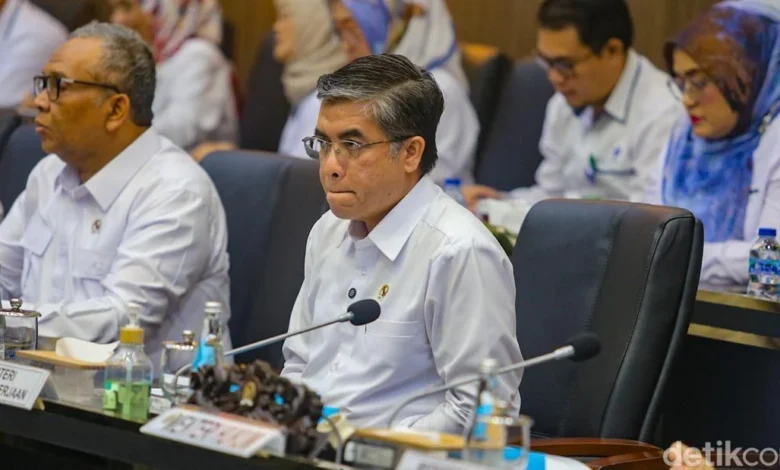
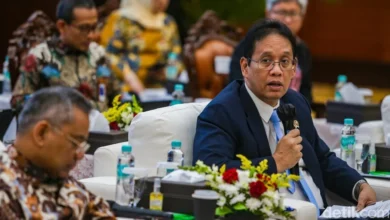
Jakarta, Indonesia – In a significant step towards formalizing and safeguarding the rights of millions of domestic workers across Indonesia, the House of Representatives’ Legislation Body (Baleg DPR) convened a pivotal Level I working meeting on Monday, April 20, 2026. The session, held at the sprawling Parliament Complex in Senayan, Jakarta, focused intensely on the Bill on the Protection of Domestic Workers (RUU PPRT), with the government presenting its official stance and acknowledging a substantial volume of public and stakeholder input. The meeting underscored the urgent need for a comprehensive legal framework, as domestic workers currently operate largely outside the protective umbrella of existing labor laws.
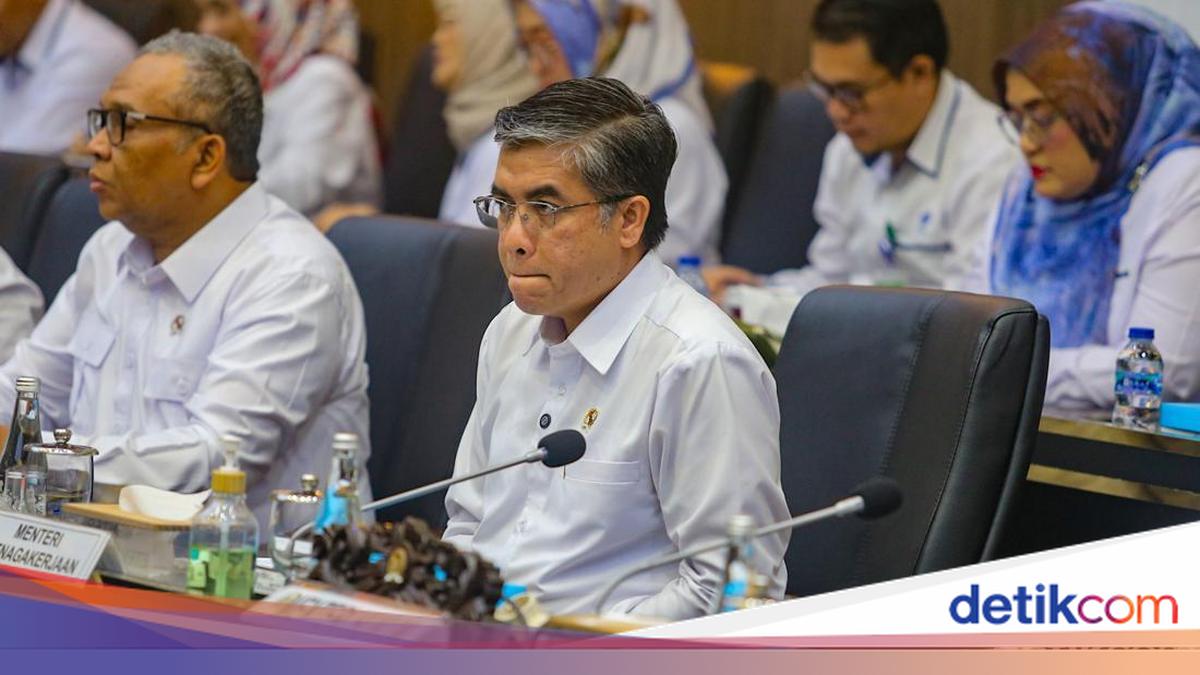
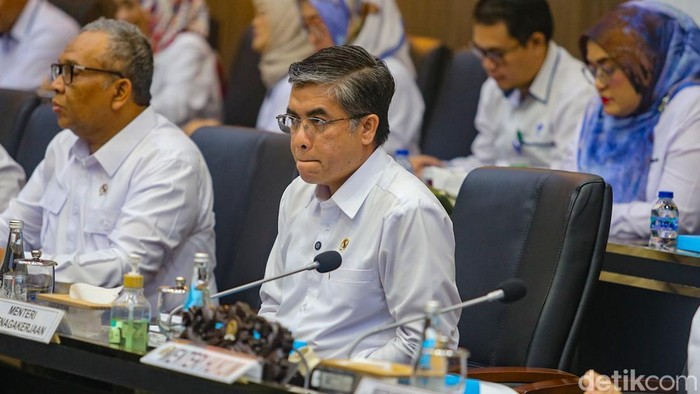
The Minister of Manpower, Yassierli, represented the government, delivering its perspective on the proposed legislation. The discussions revealed that the DPR has received hundreds of regulatory inputs, meticulously compiled into a Daftar Inventarisasi Masalah (DIM) or List of Inventory of Problems, reflecting the wide array of concerns, suggestions, and proposed amendments from various segments of society. This extensive input highlights the complex nature of regulating domestic work, which deeply intertwines with private household affairs, cultural norms, and the economic realities of both employers and employees.
A Long-Awaited Legislative Milestone
The push for a dedicated law protecting domestic workers has been a protracted struggle spanning decades, championed by human rights organizations, labor unions, and women’s advocacy groups. Domestic workers, often referred to as Pekerja Rumah Tangga (PRT) in Indonesia, constitute a significant but largely invisible workforce, predominantly comprised of women, many of whom migrate from rural areas to urban centers or even abroad. Their work, essential to the functioning of countless households, has historically been characterized by precarious employment, long hours, low wages, and a high vulnerability to exploitation and abuse, including physical violence, sexual harassment, and denial of basic rights.
The current legal landscape offers minimal protection. As highlighted during the Baleg DPR meeting, domestic workers are not adequately covered by Undang-Undang Nomor 13 Tahun 2003 tentang Ketenagakerjaan (Law No. 13 of 2003 on Manpower). This foundational labor law primarily focuses on formal employment sectors, leaving domestic work in a legal grey area. Consequently, their employment relationships are often informal, lacking written contracts, defined working hours, minimum wage guarantees, social security benefits, or clear mechanisms for dispute resolution. The existing regulatory framework is limited to Peraturan Menteri Ketenagakerjaan Nomor 2 Tahun 2015 tentang Perlindungan Pekerja Rumah Tangga (Minister of Manpower Regulation No. 2 of 2015 on the Protection of Domestic Workers). While a step forward, this ministerial regulation lacks the enforcement power and comprehensive scope of a national law, rendering it insufficient to address the systemic challenges faced by domestic workers.
The RUU PPRT aims to rectify this glaring omission by establishing a robust legal framework that recognizes domestic work as legitimate labor and affords domestic workers the same fundamental rights as other employees. This includes provisions for written contracts, clear job descriptions, fair wages, reasonable working hours, paid leave, social security, and mechanisms for complaint and redress. Its passage is seen as crucial not only for upholding human rights but also for bringing Indonesia into alignment with international labor standards, particularly the International Labour Organization (ILO) Convention 189 concerning Decent Work for Domestic Workers, which Indonesia has yet to ratify.
Detailed Examination of Inputs: The DIM Breakdown
The Level I discussion served as a critical juncture for synthesizing the diverse inputs received by the DPR. The detailed breakdown of the Daftar Inventarisasi Masalah (DIM) presented during the meeting illustrates the thoroughness of the legislative review process. The government received a total of 356 DIMs across various categories, reflecting the multifaceted aspects of the bill under consideration.
For the main body of the bill, the DIMs were categorized as follows:
- 204 Fixed DIMs: These are issues or provisions that have largely been agreed upon or are considered non-contentious. They represent areas where a broad consensus has been reached, indicating a strong foundation for these specific articles within the proposed law.
- 6 New Substance DIMs: These inputs propose entirely new provisions or concepts not originally present in the draft bill. They signify innovative ideas or areas that stakeholders believe are crucial for comprehensive protection but were initially overlooked.
- 10 Substance Change DIMs: These inputs suggest modifications to existing substantive provisions in the bill. They aim to refine, strengthen, or clarify certain articles to improve their effectiveness or address potential ambiguities.
- 52 Redactional Change DIMs: These inputs focus on improving the language, grammar, or phrasing of the bill without altering its core substance. Such changes are vital for ensuring legal clarity, precision, and ease of interpretation.
- 18 Deleted DIMs: These are provisions or issues that stakeholders recommend removing from the bill, perhaps because they are deemed redundant, impractical, or potentially counterproductive.
Beyond the core articles, the explanatory section of the bill, which provides context and interpretation for the legal provisions, also received significant input:
- 54 Fixed DIMs: Similar to the main body, these explanatory points have found broad acceptance.
- 16 New Substance DIMs: Proposals for new explanatory notes to clarify certain provisions.
- 55 Redactional DIMs: Suggestions for improving the clarity and language of the explanatory text.
- 1 Deleted DIM: A recommendation to remove a specific explanatory point.
The sheer volume and diversity of these inputs underscore the complexity of legislating in this area and the concerted effort by various parties to ensure the RUU PPRT is as comprehensive and effective as possible. The process of categorizing and discussing these DIMs is essential for building a consensus document that addresses the myriad concerns of both workers and employers.
Key Stakeholders and Their Roles in the Discussion
The high-level attendance at the Baleg DPR meeting reflected the cross-ministerial importance of the RUU PPRT. The session was led by the esteemed Chair of Baleg DPR, Bob Hasan, whose leadership is instrumental in steering the legislative process. His role involves harmonizing different viewpoints, ensuring adherence to parliamentary procedures, and facilitating productive dialogue between the executive and legislative branches.
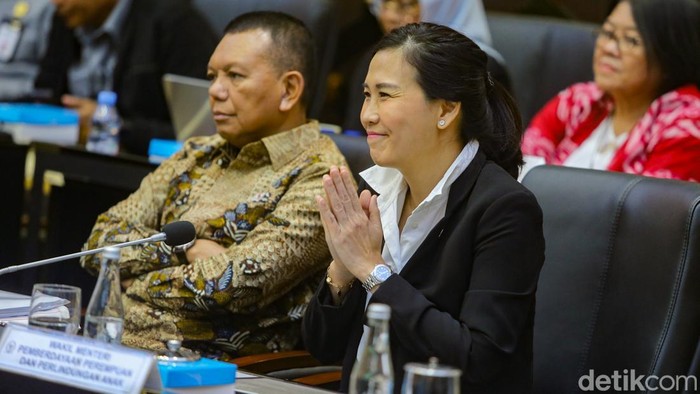
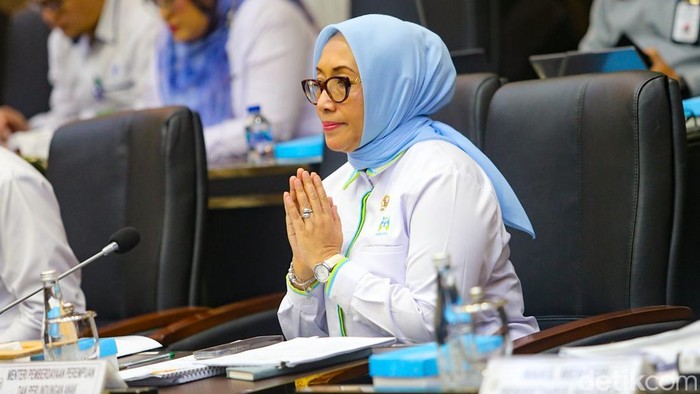
Beyond Minister Yassierli of the Ministry of Manpower, other prominent government officials present included Minister of Women’s Empowerment and Child Protection (PPPA), Arifatul Choiri Fauz; Vice Minister of PPPA, Veronica Tan; and Vice Minister of State Secretariat, Bambang Eko Suhariyanto. Their presence signals a concerted effort from various government bodies to ensure the bill comprehensively addresses the multifaceted dimensions of domestic work.
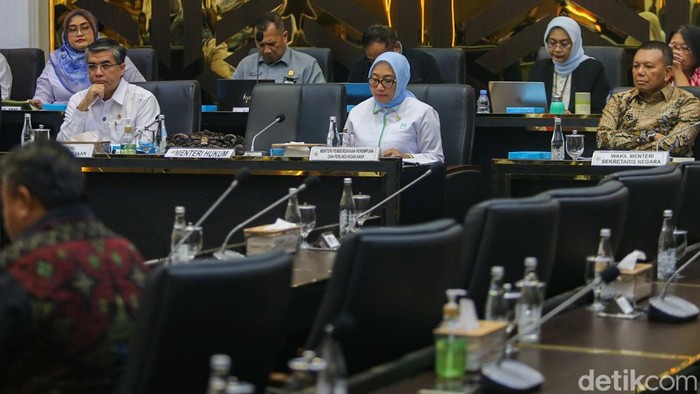
- Ministry of Manpower (Kemenaker): As the primary ministry responsible for labor affairs, Kemenaker’s role is central. Minister Yassierli’s presentation of the government’s views would have articulated the executive’s policy direction, including proposed mechanisms for formalizing employment, ensuring fair wages, and establishing dispute resolution processes. The ministry’s perspective would likely emphasize the practical implementation challenges and the need for a balanced approach that protects workers without unduly burdening employers, while also promoting compliance through education and enforcement.
- Ministry of Women’s Empowerment and Child Protection (KemenPPPA): The involvement of Minister Arifatul Choiri Fauz and Vice Minister Veronica Tan is particularly critical given that the vast majority of domestic workers are women, and many are vulnerable to gender-based violence, discrimination, and exploitation. Their input would focus on integrating a strong gender perspective into the bill, ensuring provisions specifically address the unique vulnerabilities of women workers, including protection against sexual harassment, ensuring maternity leave, and safeguarding the rights of young domestic workers. They would advocate for measures that empower women, provide access to support services, and promote their overall well-being.
- Ministry of State Secretariat (Kemensesneg): The presence of Vice Minister Bambang Eko Suhariyanto indicates the high-level coordination and importance attributed to this bill by the broader government, potentially including the Presidential office. The State Secretariat plays a crucial role in inter-ministerial coordination and ensuring that government policies are aligned. Their involvement suggests a commitment to ensuring the RUU PPRT aligns with national development goals and broader human rights commitments.
The Broader Context: Why the RUU PPRT is Indispensable
The lack of legal recognition and protection for domestic workers in Indonesia has led to widespread abuses and precarious working conditions for an estimated 4-5 million individuals. These workers often perform physically demanding tasks, work excessively long hours without adequate rest, and receive wages far below the official minimum wage. Cases of physical and psychological abuse, sexual harassment, and even human trafficking are tragically common, yet often go unreported or unpunished due to the informal nature of their employment and their isolation within private homes.
The RUU PPRT seeks to address these systemic issues by:
- Formalizing Employment Relationships: Requiring written contracts that specify working hours, wages, duties, and rest days, thereby providing a clear legal basis for the employment relationship.
- Ensuring Fair Wages and Benefits: Establishing mechanisms for fair remuneration, potentially linking wages to regional minimum wage standards, and mandating access to social security programs such as health insurance (BPJS Kesehatan) and employment insurance (BPJS Ketenagakerjaan).
- Defining Working Conditions: Setting limits on working hours, guaranteeing daily and weekly rest periods, and ensuring paid annual leave.
- Protecting Against Abuse: Creating clear legal avenues for domestic workers to report abuse, providing access to legal aid, and ensuring perpetrators are held accountable.
- Promoting Training and Skill Development: Potentially including provisions for training programs to enhance professional skills and improve workers’ bargaining power.
- Establishing Dispute Resolution Mechanisms: Creating accessible and effective channels for resolving disputes between workers and employers, outside of traditional court systems that can be costly and intimidating.
International Standards and Regional Implications
Indonesia’s efforts to pass the RUU PPRT are also viewed in the context of global movements to recognize and protect domestic workers. The ILO Convention 189, adopted in 2011, sets out comprehensive standards for decent work for domestic workers, including fair terms of employment, social protection, and protection against abuse. While Indonesia has not yet ratified C189, the RUU PPRT is widely seen as a crucial step towards aligning national legislation with these international benchmarks. Ratification of C189 would significantly enhance Indonesia’s international standing as a champion of labor rights and could spur other countries in Southeast Asia to strengthen their own protections for domestic workers.
Regionally, countries like the Philippines have already enacted comprehensive domestic worker laws, offering valuable lessons and best practices for Indonesia. The challenges, however, remain significant, including the difficulty of monitoring working conditions within private households and the need for extensive public education campaigns to inform both workers and employers of their rights and responsibilities.
Looking Ahead: The Path to Enactment and Implementation
The Level I discussion of the RUU PPRT marks a critical juncture, signifying that the bill is actively being shaped and refined. The hundreds of inputs received underscore the democratic and participatory nature of Indonesia’s legislative process, allowing diverse voices to contribute to the final shape of the law.
Following this Level I discussion, the bill will proceed through several more stages, including further deliberations within Baleg DPR, potential consultations with external experts and public hearings, and eventual plenary sessions for approval. The extensive DIMs will be systematically reviewed, debated, and integrated into a revised draft. The government’s commitment, as demonstrated by the ministerial attendance, will be crucial in pushing the bill through the remaining legislative hurdles.
The implications of the RUU PPRT’s eventual enactment are profound. For millions of domestic workers, it promises a future where their labor is recognized, their rights are protected, and their dignity is upheld. It signifies a shift from an informal, often exploitative, system to one that is formalized, regulated, and just. For employers, it will bring clarity to their responsibilities, fostering more equitable and transparent employment relationships. While challenges in enforcement, particularly in private homes, will undoubtedly persist, the law itself will provide a powerful tool for advocacy, education, and legal recourse.
The commitment shown by the DPR and the government in addressing this long-standing issue sends a clear message about Indonesia’s dedication to inclusive development and human rights for all its citizens. The journey to a fully protected domestic workforce is long, but this pivotal meeting on April 20, 2026, represents a hopeful and concrete step forward.