Non-Subsidized Fuel Price Surge Triggers Urgent Call for Responsibility and Bolstered Subsidy Control Amidst Economic Pressures.

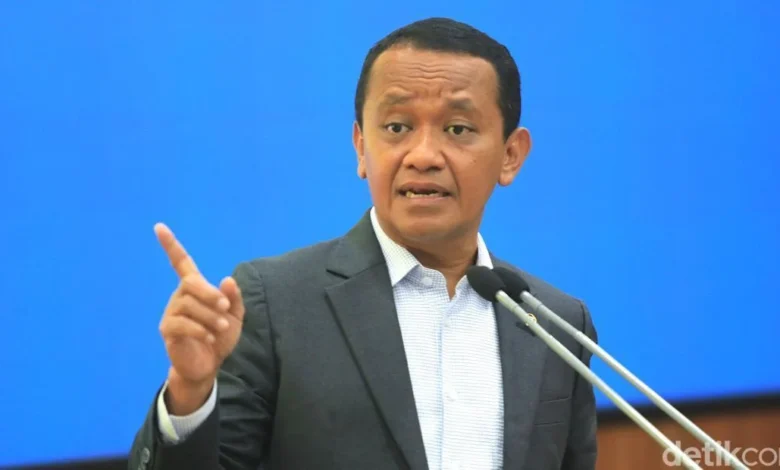
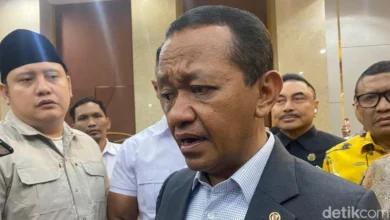
Jakarta, Indonesia – A significant increase in the price of non-subsidized fuels, effective Saturday, April 18, 2026, has prompted a strong appeal from the Indonesian government for public responsibility and a renewed commitment to tighten the control mechanisms for subsidized fuel distribution. This latest price adjustment, impacting premium-grade fuels, is expected to exert considerable pressure on consumers and has immediately raised concerns about a potential mass migration of users from non-subsidized categories to the state-backed subsidized fuel schemes, thereby exacerbating the already substantial burden on the national budget. The Minister of Energy and Mineral Resources (ESDM), Bahlil Lahadalia, issued a fervent plea on Monday, April 20, 2026, urging affluent citizens to refrain from utilizing subsidized fuel, emphasizing the ethical imperative of preserving these vital resources for their intended beneficiaries.
Background to Indonesia’s Complex Fuel Subsidy Landscape
Indonesia, a major commodity producer, has historically maintained one of the most extensive and intricate fuel subsidy programs globally. Designed to cushion the impact of volatile global oil prices on its vast population, particularly low-income segments, these subsidies have long been a cornerstone of the nation’s socio-economic policy. The system typically involves the government compensating state-owned oil company Pertamina for the difference between market prices and the fixed, lower retail prices of specific fuel types, primarily Pertalite (RON 90 gasoline) and subsidized diesel (Solar). While laudable in intent, the subsidy scheme has consistently strained the state budget, diverting significant funds that could otherwise be allocated to infrastructure development, education, or healthcare. In recent years, as global crude oil prices have fluctuated, the cost of these subsidies has spiraled, prompting successive administrations to explore various reform measures, including gradual price adjustments, targeted distribution systems, and the introduction of digital platforms for monitoring purchases.
The rationale behind the subsidies is rooted in social equity, aiming to ensure affordability and maintain purchasing power for the majority of Indonesians. However, a persistent challenge has been the leakage of these subsidies, with a significant portion often benefiting higher-income groups and commercial entities that are, by definition, not the intended recipients. This inefficiency not only inflates the subsidy bill but also distorts market dynamics and discourages energy conservation. Efforts to refine the distribution, such as the implementation of the MyPertamina application for vehicle registration and QR code-based purchases, began several years prior to 2026, aiming to create a more targeted and accountable system. These initiatives have faced their own set of challenges, including digital literacy gaps, technical glitches, and resistance from some segments of the public.
The Latest Price Adjustment and Its Immediate Repercussions
The price hike for non-subsidized fuels, specifically affecting premium-grade gasoline such as Pertamax Turbo (RON 98) and potentially Pertamax (RON 92), took effect on Saturday, April 18, 2026. While the exact percentage increase was not immediately disclosed in the original report, the description of it as "pesat" (rapid or swift) suggests a substantial adjustment. This move is largely understood to be a reflection of rising global crude oil prices and the government’s ongoing commitment to reduce the fiscal burden of energy subsidies. Historically, the price of non-subsidized fuels in Indonesia tracks international oil benchmarks more closely, with adjustments made periodically by Pertamina based on market conditions.
The immediate concern voiced by officials, including Minister Bahlil, is the predictable behavioral shift among consumers. As the price gap between non-subsidized and subsidized fuels widens, there is a strong economic incentive for owners of higher-end vehicles, who typically use fuels like RON 98, to switch to cheaper, subsidized alternatives such as Pertalite (RON 90). This migration poses a significant threat to the financial stability of the subsidy program, potentially exhausting allocated quotas much faster and necessitating emergency budget reallocations or further price adjustments, which could trigger public discontent.
Minister Bahlil Lahadalia’s Ethical Appeal and Enforcement Stance
Addressing the issue directly from the Ministry of ESDM office in Jakarta on Monday, April 20, 2026, Minister Bahlil Lahadalia did not mince words. He passionately appealed to the conscience of affluent members of society, including government officials like himself, director-generals, and vice ministers, to demonstrate empathy and civic responsibility. "I just want to say, subsidized fuel is for our brothers and sisters who are entitled to it. Don’t be like me, like a Director-General, a Vice Minister, suddenly switching to subsidized fuel because the price of RON 98 has increased. We would be taking the rights of our brothers and sisters who are entitled to receive it. Are we not ashamed?" Bahlil asserted, framing the issue not just as an economic problem but as a moral one.
This strong ethical appeal underscores the government’s recognition that successful subsidy management requires not only robust policy and enforcement but also a shift in public perception and behavior. It highlights the deeply ingrained challenge of equitable resource distribution in a nation with significant wealth disparity. Bahlil’s statement served as a powerful reminder of the social contract inherent in public services and the collective responsibility to uphold it.
Furthermore, Minister Bahlil reiterated the government’s unwavering commitment to rigorous control mechanisms to ensure that subsidized fuel genuinely reaches its intended beneficiaries. This commitment is crucial given the persistent issues of diversion and misuse. He referenced existing policies of purchase limitations, elaborating on a specific measure discussed during a visit to Seoul, Korea.
Current and Future Subsidy Control Mechanisms
The Minister provided concrete details regarding the current limitations on subsidized fuel purchases for private vehicles. For cars, a daily limit of 50 liters has been implemented. Bahlil explained the rationale behind this figure, drawing on his own past experience: "When I was in Seoul in Korea, I mentioned that the fuel would be given 50 liters per day. 50 liters, that’s already a full tank, it can cover 400 kilometers, more than 300 kilometers, approximately 400. As a former angkot driver, that’s my experience." This anecdote aimed to illustrate that the 50-liter limit is generally sufficient for daily commuter needs, implying that any desire to exceed this amount might stem from intentions other than legitimate personal use.
Crucially, these restrictions are not universally applied. Bahlil clarified specific exemptions: "Unless you have other intentions to fill more than that. But it does not apply to buses, trucks carrying rice, carrying vegetables, logistics. Not trucks used for palm oil and mining." This differentiation is vital for maintaining the flow of essential goods and supporting the national economy. The exemption for logistics vehicles ensures that the cost of transporting basic necessities does not skyrocket, which would directly impact food prices and inflation. Conversely, the explicit exclusion of trucks involved in palm oil and mining operations signifies the government’s intent to prevent large-scale commercial enterprises, which typically have higher profit margins, from benefiting from subsidies meant for the general public and essential services. This targeted approach is a key component of improving subsidy efficiency and reducing leakage.
For two-wheeled vehicles (motorcycles), Bahlil noted that as of the statement date, there were no explicit purchase limits. However, he accompanied this with a strong ethical admonition against misuse: "For motorcycles, up until now, it’s okay to fill as much as you want. (Even so) We must have a heart. Don’t use jerry cans, don’t go back and forth repeatedly, have pity on our people. Earning a living is important, but do it in good ways." This appeal to moral conscience reflects the practical difficulties of enforcing strict physical limits on motorcycle users, given their vast numbers and diverse usage patterns. It also points to the ongoing challenge of combating informal practices like hoarding fuel in jerry cans for resale or multiple rapid refills to bypass daily limits, which are common methods of exploiting the subsidy system.
Economic Implications and Broader Societal Impact
The increase in non-subsidized fuel prices, coupled with the intensified push for subsidy controls, carries significant economic and social implications for Indonesia.
- Inflationary Pressures: While subsidized fuel prices remain stable for now, the rise in non-subsidized prices can still contribute to inflationary pressures. Businesses that rely on non-subsidized fuel for their operations, or those whose logistics partners use these fuels, may pass on increased costs to consumers, leading to higher prices for goods and services. This ripple effect could impact overall purchasing power, particularly for the middle class who might use non-subsidized fuels but also consume goods affected by higher transport costs.
- Fiscal Stability: By reducing the potential for migration to subsidized fuels, the government aims to better manage its budget. Fuel subsidies have historically been one of the largest expenditure items, often exceeding allocated amounts due to unforeseen spikes in global oil prices or higher-than-anticipated domestic consumption. Effective control measures are crucial for fiscal sustainability and allow the government to reallocate funds to other priority sectors.
- Impact on Transportation and Logistics: The differentiated policy for trucks is a double-edged sword. While exempting essential logistics vehicles protects food supply chains, the exclusion of palm oil and mining trucks means these industries will face higher operational costs. This could, in turn, affect their competitiveness or lead to price adjustments for their commodities, potentially impacting export revenues or domestic market prices for palm oil-derived products.
- Social Equity and Fairness: The government’s stance, particularly Minister Bahlil’s ethical appeal, highlights the ongoing struggle for social equity in resource distribution. Ensuring that subsidies truly benefit the poor and vulnerable is a complex task, often requiring a blend of policy, technology, and public awareness campaigns. The perceived fairness of the system can significantly influence public trust and compliance.
- Technological Adoption: The success of targeted subsidy distribution heavily relies on the widespread adoption and effective functioning of digital platforms like MyPertamina. Challenges related to internet access, smartphone ownership, digital literacy, and data privacy need continuous addressing to ensure inclusivity and efficiency.
- Behavioral Change and Enforcement Challenges: Changing long-standing public habits and combating illicit practices such as hoarding and resale of subsidized fuel requires sustained enforcement efforts, public education, and deterrents. The informal economy often finds ways to circumvent regulations, making comprehensive control a formidable task.
Reactions from Related Parties (Inferred)
While the original report focuses on Minister Bahlil’s statements, it’s logical to infer reactions and positions from other key stakeholders:
- Ministry of Finance: Would likely express cautious optimism regarding the tightened controls, viewing them as essential for maintaining fiscal discipline and ensuring the sustainability of the state budget. They would monitor the subsidy realization closely against the allocated budget for 2026, emphasizing the need to reduce unnecessary expenditures to free up resources for productive investments.
- Pertamina: As the primary implementer of fuel distribution and price adjustments, Pertamina would likely issue statements reinforcing its commitment to ensuring adequate supply across the archipelago, while also stressing the operational challenges of enforcing the new controls. They would highlight their efforts in expanding digital registration for subsidized fuel purchases and maintaining infrastructure for efficient distribution.
- Parliament (DPR): Members of Parliament, particularly those on commissions related to energy and finance, would likely call for robust oversight of the implementation of subsidy controls. They might voice concerns about potential negative impacts on specific constituencies, particularly small businesses or low-income groups, and demand transparency in the distribution process. Some factions might advocate for stronger social safety nets to accompany fuel subsidy reforms.
- Consumer Advocacy Groups: These groups would likely express concern over the overall rising cost of living, even if subsidized fuel prices remain stable. They would emphasize the need for effective communication, easy access to information for consumers, and mechanisms for redress in case of issues with the new control systems. They might also advocate for more comprehensive public transportation solutions to reduce reliance on private vehicles and fuel.
- Industry Associations (e.g., transport, agriculture): While essential logistics are exempt, other industries might lobby for clarifications or adjustments to the subsidy rules, especially if they perceive an unfair burden or competitive disadvantage due to higher fuel costs. Palm oil and mining associations, for instance, might raise concerns about the impact on their operational expenses and overall sector profitability.
Long-Term Vision for Energy Subsidies
The ongoing challenges with fuel subsidies underscore Indonesia’s broader quest for sustainable energy policy. In the long term, the government is likely to continue its trajectory towards a more market-oriented pricing system for all fuels, while simultaneously strengthening targeted social assistance programs to protect vulnerable populations. This involves a multi-pronged approach:
- Phased Subsidy Reduction: Gradually reducing the scope and quantum of fuel subsidies, aligning domestic prices closer to international market rates.
- Targeted Social Safety Nets: Expanding and improving direct cash transfers or other forms of assistance to low-income households, which are generally considered more efficient and equitable than broad-based price subsidies.
- Investment in Public Transportation: Developing robust, affordable, and efficient public transport infrastructure to reduce urban congestion and private vehicle dependency.
- Promotion of Renewable Energy: Accelerating the transition to renewable energy sources, not only for environmental benefits but also to reduce reliance on fossil fuel imports and mitigate exposure to global oil price volatility.
- Energy Efficiency: Implementing policies and campaigns to promote energy conservation and efficiency across all sectors.
The current measures, including the non-subsidized fuel price hike and the reinforced commitment to subsidy control, represent an ongoing, complex balancing act for the Indonesian government. It seeks to reconcile economic realities and fiscal prudence with social equity and political stability. Minister Bahlil Lahadalia’s strong appeal serves as a critical reminder that beyond policy and enforcement, a collective sense of responsibility and ethical conduct is paramount for the successful management of a nation’s vital resources. The coming months will be crucial in observing the effectiveness of these controls and their broader impact on Indonesia’s economy and society.