Indonesia Commemorates Kartini Day: Bridging Historical Advocacy with Contemporary Gender Equality Efforts

JAKARTA – Every April 21st, Indonesia observes Hari Kartini, a national day dedicated to honoring the enduring legacy of Raden Ajeng Kartini, a pioneering figure in the fight for women’s rights during the late 19th and early 20th centuries. The commemoration serves as a powerful reminder of Kartini’s profound contributions, particularly in championing education and equal opportunities for women in an era marked by profound societal constraints. While the historical context of her struggle is rooted in a bygone era, the spirit of Kartini Day remains remarkably pertinent in modern Indonesia, continuing to inspire youth and advocates for gender equality across various facets of daily life.
The Enduring Legacy of R.A. Kartini
Raden Ajeng Kartini was born on April 21, 1879, into an aristocratic Javanese family in Jepara, Central Java, a time when Indonesian society, particularly Javanese aristocracy, adhered to strict traditional customs and patriarchal norms. Her father, Raden Mas Adipati Ario Sosroningrat, was the Regent of Jepara, a position that afforded Kartini a rare privilege for women of her time: access to formal education. She attended a Dutch primary school until the age of 12, an experience that exposed her to Western ideas of progress and individual liberty. This early education proved to be a formative period, igniting her intellectual curiosity and fostering a critical perspective on the societal limitations imposed upon women.
Following Javanese tradition, Kartini was subjected to pingitan, a period of seclusion in preparation for marriage, effectively ending her formal schooling. However, her thirst for knowledge remained unquenched. During this time, she avidly read books, newspapers, and magazines, maintaining extensive correspondence with Dutch friends and intellectuals. These letters, which later formed the basis of her celebrated book "Habis Gelap Terbitlah Terang" (Out of Darkness, Light Arises), articulated her fervent desire for the emancipation of Indonesian women, emphasizing the crucial role of education in achieving this goal. Kartini argued passionately against the oppressive feudal customs, advocating for women’s right to choose their husbands, pursue higher education, and participate in public life, challenging the deeply entrenched belief that a woman’s place was solely within the domestic sphere. She envisioned a society where women could realize their full potential, contributing meaningfully to the nation’s development alongside men. Tragically, Kartini’s life was cut short at the age of 25, just days after giving birth to her first child, on September 13, 1904. Her untimely death prevented her from seeing the full impact of her ideas, yet her writings continued to resonate, becoming a beacon for future generations of Indonesian feminists and nationalists.
A National Commemoration: From Advocacy to Institution
The official recognition of Kartini Day came decades after her death. On May 2, 1964, President Sukarno, Indonesia’s first president, issued Presidential Decree No. 108, officially declaring April 21st as Kartini Day. This act solidified her status as a national hero and underscored the government’s commitment to gender equality, even in the nascent years of the independent nation. The commemoration sought not only to honor Kartini’s memory but also to continually remind the populace of the ongoing struggle for women’s rights and empowerment.
Historically, Kartini Day celebrations often involved women dressing in traditional Javanese kebaya, a practice symbolizing the blend of tradition with modern aspirations for women’s roles. Schools, government offices, and various organizations typically host events, discussions, and cultural performances centered around themes of women’s empowerment, education, and national development. These activities serve to educate younger generations about Kartini’s philosophy and its continued relevance in contemporary Indonesian society. The day is not merely a historical observance but a dynamic platform for critical reflection on the progress made and the challenges that persist in achieving genuine gender parity.
Contemporary Relevance: Navigating Modern Challenges
Despite significant strides in various sectors, Indonesian women continue to encounter a diverse range of challenges in the 21st century. While access to education has dramatically improved since Kartini’s time, disparities still exist, particularly in remote areas or among lower socioeconomic groups, where girls may face barriers to completing their education. Economically, while women’s participation in the workforce is growing, they often remain concentrated in informal sectors or lower-paying jobs, and face a persistent gender pay gap. Representation in leadership roles, both in corporate and political spheres, also lags behind, with women holding fewer decision-making positions.
Furthermore, issues such as gender-based violence, including domestic violence, sexual harassment, and online abuse, remain pervasive concerns. Cultural norms and stereotypes, while evolving, can still hinder women’s autonomy and perpetuate traditional roles that limit their potential. The digital age, while offering new avenues for empowerment, also presents new forms of discrimination and harassment. In this context, the call for mutual support and appreciation among women, as well as from society at large, remains paramount. Celebrating Kartini Day today is an affirmation of the collective commitment to dismantle these barriers and foster an environment where every woman can thrive. Organizations dedicated to women’s rights, youth movements, and government initiatives continuously work to address these issues, drawing inspiration from Kartini’s pioneering spirit.
The Digital Age and Modern Commemoration
In an increasingly digital world, the methods of commemorating Kartini Day have also evolved, embracing technology as a tool for outreach and engagement. Beyond traditional ceremonies, the simple act of sharing celebratory photos on social media has become a widespread form of observance. This seemingly small gesture transforms individual appreciation into a collective digital affirmation, fostering a sense of community and shared purpose. Social media platforms become virtual stages where individuals express their respect for Kartini’s legacy and highlight the contributions of women in their lives.
One notable innovation in this digital celebration is the use of Artificial Intelligence (AI) photo editing tools. For those who may not own traditional attire like the kebaya, or simply wish to add a creative twist to their commemoration, AI platforms like Google Gemini offer an accessible and engaging alternative. This integration of technology allows individuals to participate in culturally significant acts without physical limitations, democratizing access to celebration and expression. The rise of AI in such contexts reflects a broader trend of leveraging technology to preserve, adapt, and popularize cultural traditions for a new generation.
Leveraging AI for Cultural Expression: Detailed Prompts and Implications
The use of AI for generating Kartini Day-themed images illustrates a fascinating intersection of technology and cultural heritage. The provided AI prompts demonstrate a meticulous attention to detail, aiming to create images that are both aesthetically pleasing and culturally resonant.
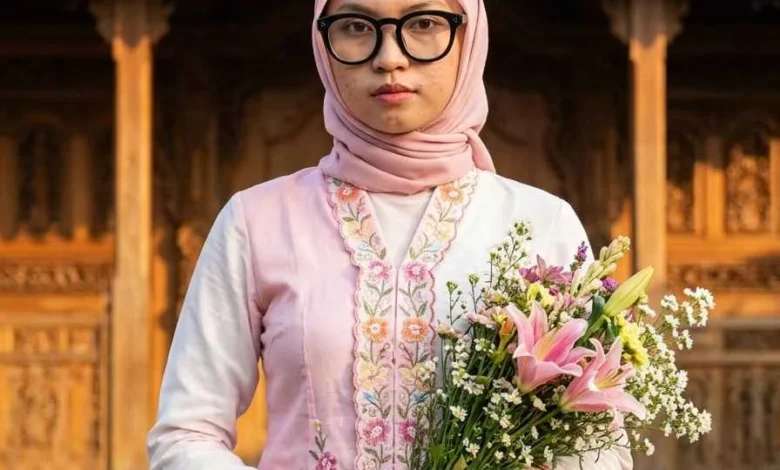
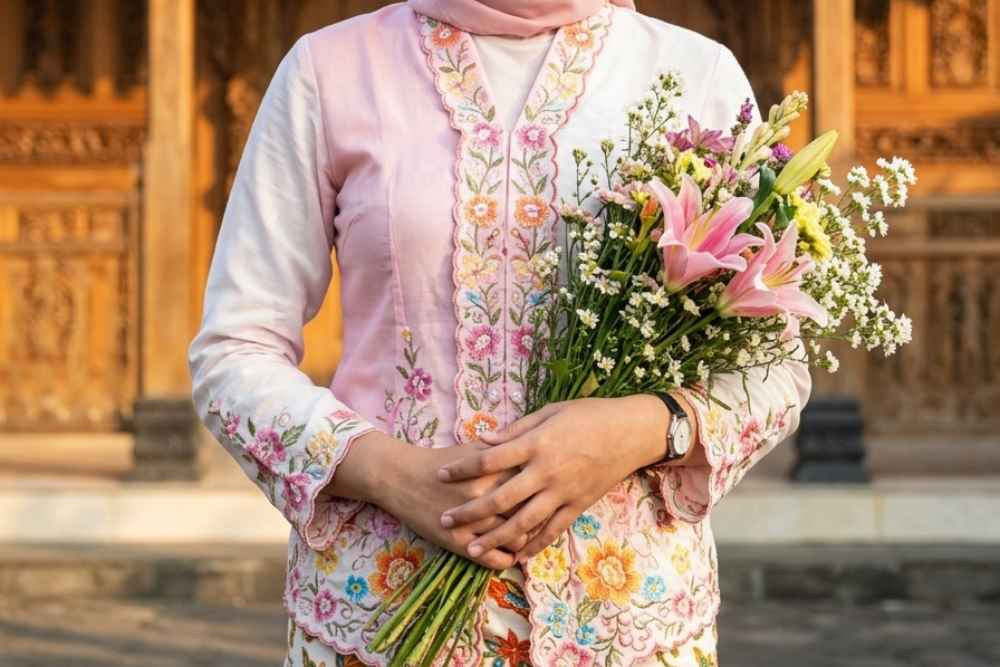
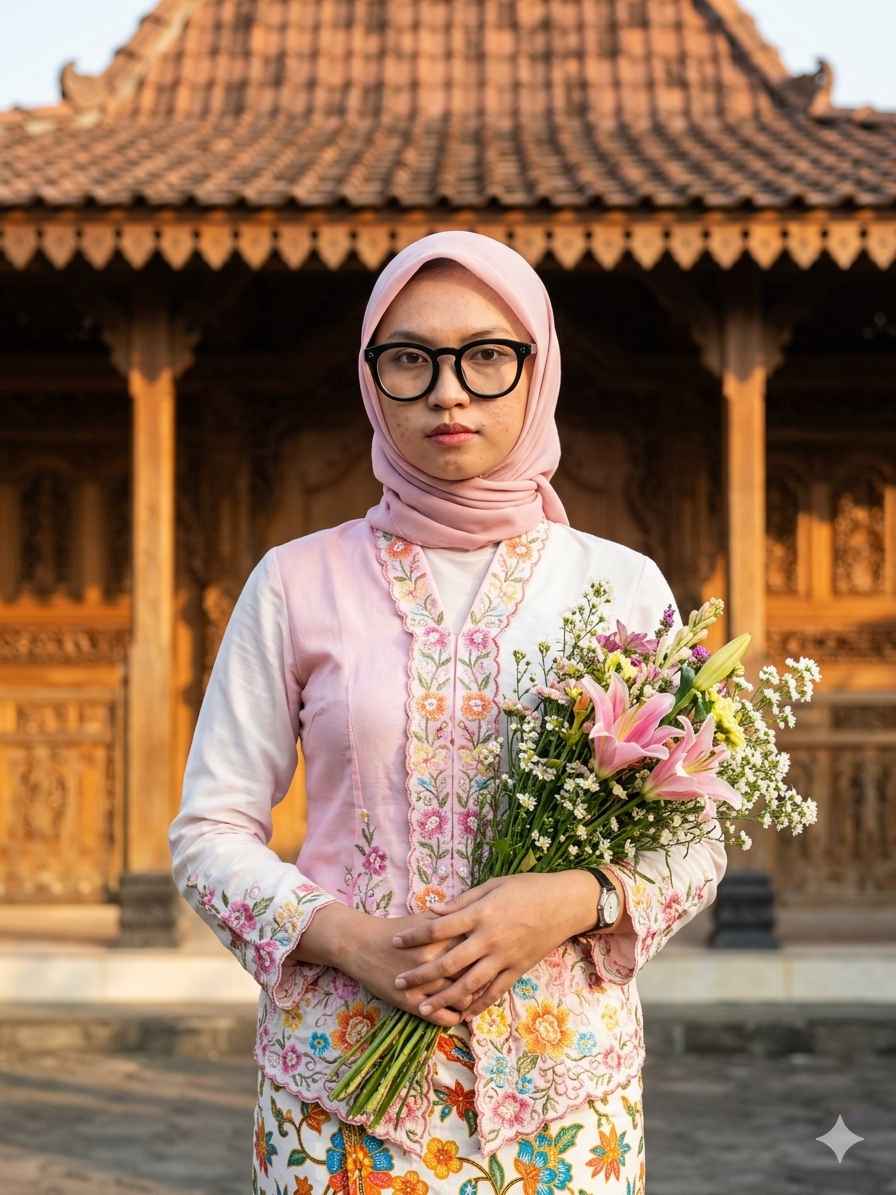
Consider the first prompt: "Ubah objek foto ini menjadi seorang perempuan, namun pertahankan bentuk wajah yang sama persis dengan tekstur kulit alami, pori-pori, dan ketidaksempurnaan (jangan menghaluskan atau mempercantik kulit secara berlebihan). Tambahkan sedikit riasan pada muka subjek, misalnya tambahkan bedak, lipstik berwarna merah, dan blush on, namun tidak berlebihan. Ganti pakaian dengan kebaya tradisional elegan berlengan panjang dengan warna merah muda campur putih dilengkapi bordir bunga di bagian pinggir. Tambahkan rok batik bermotif bunga yang cerah berwarna putih. Kemudian tambahkan hijab berwarna pink muda. Pose: subjek berdiri dengan anggun, memegang buket bunga tumbelina berisi beraneka ragam bunga, salah satunya lili merah muda. Latar belakang: subjek berada di depan bangunan joglo yang estetik dengan cahaya matahari sore."
This prompt is remarkably specific. It emphasizes retaining natural skin texture, avoiding excessive beautification, which reflects a desire for authenticity and realism rather than idealized perfection. The choice of traditional kebaya in specific colors (pink and white with floral embroidery), a bright white batik skirt, and a light pink hijab are all culturally significant elements. The pose (standing gracefully, holding a bouquet of "tumbelina" flowers including pink lilies) and the backdrop (an aesthetic joglo building under late afternoon sunlight) further enhance the image’s cultural context and visual appeal. A joglo is a traditional Javanese aristocratic house, instantly evoking a sense of heritage and elegance.
The second prompt similarly focuses on detail: "Ubah objek foto ini menjadi seorang perempuan, namun pertahankan bentuk wajah yang sama persis dengan tekstur kulit alami, pori-pori, dan ketidaksempurnaan (jangan menghaluskan atau mempercantik kulit secara berlebihan). Tambahkan sedikit riasan pada muka subjek seperti bedak, lipstik, eyeliner, dan blush on, namun tidak berlebihan. Ganti pakaian dengan kebaya tradisional elegan berlengan panjang dengan warna merah muda campur putih dilengkapi bordir bunga di bagian pinggir. Tambahkan rok batik bermotif bunga yang cerah berwarna putih. Kemudian tambahkan hijab berwarna pink muda. Tambahkan pula selendang yang diselempangkan pada kedua tangan. Pose: subjek duduk di teras rumah joglo dengan anggun, memegang buket berisi beraneka ragam bunga. Latar belakang: subjek duduk di teras sebuah bangunan depan bangunan joglo yang estetik yang memiliki ubin bermotif batik. Pencahayaan foto terlihat seperti diambil saat terkena cahaya matahari sore."
This prompt maintains the emphasis on natural features and traditional attire but changes the pose to a graceful seated position on a joglo terrace, complete with batik-patterned tiles and a sling scarf, further enriching the cultural tableau. The consistent request for "natural skin" and "not excessive makeup" indicates a conscious effort to portray a realistic yet celebratory image of Indonesian women.
The implications of such AI integration are multi-faceted. On one hand, it democratizes participation, allowing individuals who might not have access to traditional garments or professional photography to create personalized, culturally relevant images. It encourages creativity and engagement, especially among younger, tech-savvy generations. On the other hand, it raises questions about authenticity versus representation, and the potential for digital portrayals to diverge from the tangible experience of cultural practices. However, when used thoughtfully, as these prompts suggest, AI can serve as a powerful tool for cultural preservation and modern expression, ensuring that traditions remain vibrant and accessible in new forms.
Statements and Reflections from Stakeholders
While direct quotes are not available in the original article, it is plausible to infer sentiments from various stakeholders. Government officials often emphasize Kartini’s role in nation-building and as an inspiration for current policies promoting gender equality, citing progress in female literacy rates and women’s participation in various sectors. Women’s rights organizations typically use Kartini Day to highlight ongoing challenges, advocating for stronger legal protections against gender-based violence, increased political representation, and economic empowerment initiatives. Educators focus on teaching Kartini’s story as a testament to the power of education and perseverance, encouraging students to become agents of change. Youth groups, often at the forefront of social media trends, embrace digital commemorations as a way to connect with history and express their modern interpretations of gender equality, emphasizing inclusivity and diverse forms of empowerment. The underlying message from all these parties resonates with the original article’s core idea: Kartini’s spirit of advocacy for equality remains critically relevant.
Broader Impact and Future Outlook
Kartini Day transcends a mere historical remembrance; it is a dynamic catalyst for ongoing dialogue and action. The evolving methods of commemoration, from traditional ceremonies to AI-enhanced digital expressions, reflect a society grappling with how to honor its past while navigating the complexities of the present and future. The engagement of AI in cultural celebrations underscores the adaptability of tradition in the face of technological advancement, demonstrating that cultural heritage can thrive and reach new audiences through innovative means.
Ultimately, Kartini’s vision of an enlightened and empowered Indonesian woman continues to inspire the nation’s journey toward full gender equality. Her legacy serves as a constant reminder that the fight for equal rights and opportunities is an ongoing process, requiring sustained effort, collective support, and an unwavering commitment to progress. As Indonesia moves forward, Kartini Day will undoubtedly remain a pivotal moment for reflection, celebration, and renewed dedication to building a more equitable and inclusive society for all.
Related posts: