Shakira Electrifies 2026 FIFA World Cup Final, Igniting Global Social Media Frenzy Over Gerard Piqué’s Stoic Presence

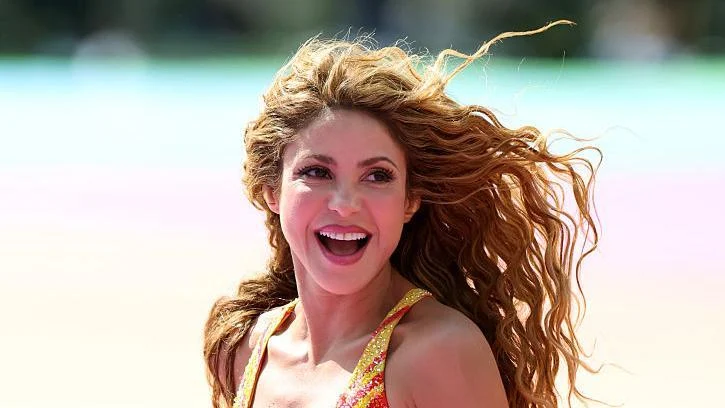
The 2026 FIFA World Cup Final, held on July 19, 2026, at the colossal MetLife Stadium in East Rutherford, New Jersey, transcended a mere football match between Spain and Argentina to become a global cultural phenomenon, largely due to an electrifying halftime performance by international superstar Shakira. Her captivating return to the world’s biggest sporting stage, where she unveiled the official anthem "Dai Dai," not only enchanted an audience of millions worldwide but also inadvertently reignited intense public discourse surrounding her former partner, football legend Gerard Piqué, who was present in the stands with their two sons, Milan and Sasha. The juxtaposition of Shakira’s vibrant performance with Piqué’s visibly reserved demeanor instantly became the subject of widespread social media fascination, catapulting their names to the top of trending topics globally.
Shakira’s Triumphant Return to the Global Stage
Shakira, the iconic Colombian singer-songwriter, delivered a performance that critics and fans alike hailed as a masterclass in stage presence and enduring artistry. Gracing the MetLife Stadium with an undeniable aura, she appeared radiant, embodying the same youthful vigor and captivating dance moves that defined her "Waka Waka" era. Her setlist, primarily featuring the new 2026 World Cup anthem, "Dai Dai," was a high-energy spectacle. The track, an infectious blend of global pop rhythms and empowering lyrics, resonated immediately with the diverse crowd. Shakira’s signature hip-shaking choreography, a hallmark of her decades-long career, was executed with flawless precision, demonstrating that at 49, her stage craft remains unparalleled.
The performance was meticulously choreographed, featuring vibrant visuals, a dynamic lighting show, and a cadre of professional dancers who complemented Shakira’s every move. The stadium, packed to its 82,500-seat capacity, erupted in cheers and applause, with the live audience enthusiastically singing along to the catchy chorus of "Dai Dai." Beyond the stadium, an estimated global television audience of over a billion viewers tuned in, witnessing a performance that was universally praised for its energy, vocal prowess, and sheer entertainment value. Her ability to command such a massive platform, delivering a performance that felt both nostalgic and fresh, underscored her enduring status as a global music icon.
A Legacy of World Cup Anthems and Global Impact
Shakira’s association with the FIFA World Cup is deeply ingrained in recent memory, making her return in 2026 particularly significant. Her 2010 anthem, "Waka Waka (This Time for Africa)," became one of the best-selling World Cup songs of all time, largely credited with capturing the spirit of the tournament in South Africa. Its accompanying dance moves became a global sensation, transcending cultural barriers and solidifying her status as a unifying force through music. Four years later, she contributed "La La La (Brazil 2014)" to the tournament in Brazil, further cementing her legacy as the unofficial musical muse of football’s biggest event. These anthems, characterized by their infectious rhythms and uplifting messages, have consistently proven to be massive commercial successes, topping charts worldwide and accumulating billions of streams.
"Dai Dai" is poised to follow in the footsteps of its predecessors, already garnering significant traction following its debut. Its theme of unity, perseverance, and the universal joy of football aligns perfectly with the ethos of the World Cup. Shakira’s consistent involvement with the tournament highlights FIFA’s strategic choice in selecting artists with proven global appeal and the ability to connect with a diverse audience across continents. Her performances are not just musical acts; they are cultural events that amplify the tournament’s reach and emotional resonance.
The Unavoidable Reunion: Piqué’s Presence and Public Scrutiny
Adding an unexpected layer of drama to the already high-stakes event was the presence of Gerard Piqué, Shakira’s former partner and a celebrated ex-Spanish international footballer. Piqué, a World Cup winner himself with Spain in 2010, was spotted in the VIP section of MetLife Stadium alongside their two sons, Milan (born 2013) and Sasha (born 2015). The children were seen enthusiastically enjoying their mother’s performance, singing along to "Dai Dai" and visibly reveling in the celebratory atmosphere. In stark contrast, Piqué maintained a remarkably stoic expression throughout Shakira’s entire set. His face, often described by onlookers and social media users as "unmoving" or "like stone," betrayed little emotion, even as the stadium vibrated with energy and his children cheered.
This visual dichotomy – Shakira radiant and vibrant, Piqué reserved and unsmiling – immediately captivated the attention of cameras and social media users. The fact that the two former partners, whose highly publicized separation in 2022 sent shockwaves across the globe, were physically present at the same landmark event, albeit separated, fueled an unprecedented surge in online discussion. The setting of the FIFA World Cup Final, a globally televised spectacle, amplified the perceived tension and the narrative of their complex relationship.
Social Media Erupts: Netizen Reactions and Global Trends
Within minutes of Shakira’s performance, the social media platform X (formerly Twitter) exploded with comments, analyses, and memes centered around the former couple. Shakira’s name, already trending since the final on July 19th, continued to dominate the "Trending Topics" section for days, showcasing the immense public interest. The conversation quickly branched into several key themes:
-
Shakira’s Enduring Youth and Talent: A significant portion of the comments lauded Shakira’s apparent agelessness and unwavering talent. Users marvelled at her physical appearance, often remarking that she looked younger than her 49 years. "Shakira hasn’t aged a day, it’s incredible she’s 49. She truly defies the curse of aging for Latin women," praised user Kangmin Lee, reflecting a common sentiment. Others celebrated her vocal prowess and signature dance moves, affirming her status as a perennial entertainer. User @honey_milk_jd encapsulated this by saying, "And this Latina mom remains the best, still the same, still the most beautiful, still the most talented, still Shakira."
-
Praise for Shakira’s World Cup Legacy: Many netizens also took the opportunity to commend Shakira for her consistent success with World Cup anthems. "Congratulations, Shakira, you’ve managed to make four songs for the World Cup and all four became hits," stated user emilly, highlighting her unparalleled track record. This collective admiration further solidified her iconic status within both the music and sports worlds.
-
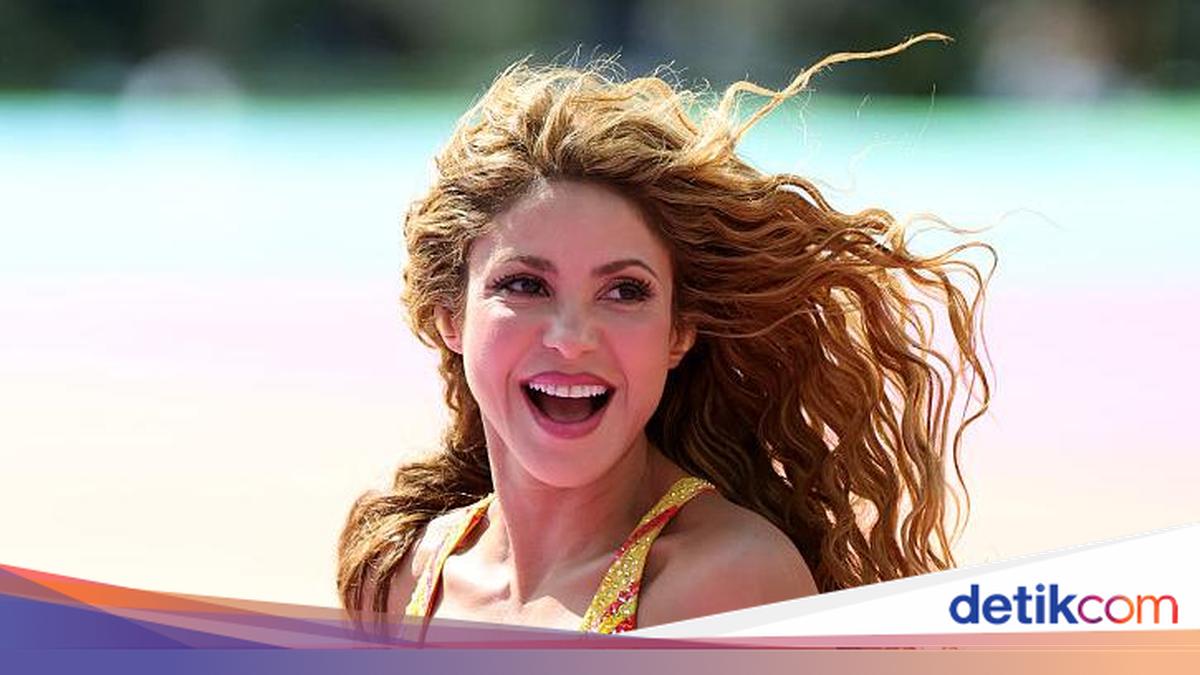
The "Piqué Regret" Narrative: Perhaps the most dominant narrative revolved around Gerard Piqué. Countless users speculated about his internal feelings, suggesting he must be regretting the end of his relationship with Shakira. Comments like "Shakira is awesome, Piqué, you’re so weird, honestly, honestly!" from joawop, and "Shakira just gets younger and hotter with age… doesn’t Piqué regret it?" from Mr Iyus, were indicative of this sentiment. The phrase "Karma Piqué" became a recurring hashtag, with users asserting that Piqué would forever be reminded of Shakira’s success, even in the sport he cherishes.
-
Speculation on Reconciliation: Amidst the playful jabs, a smaller but vocal contingent of users expressed hope, and even predicted, a potential reconciliation between the two. "I’m telling you something; I have a feeling they’ll get back together. Save this tweet," one netizen commented in Spanish, reflecting the enduring public fascination with their personal lives.
The sheer volume and variety of these reactions underscored the global cultural impact of both individuals and the enduring power of celebrity narratives in the digital age. The episode highlighted how personal lives, when intertwined with global spectacles, become potent fodder for public consumption and discussion, often blurring the lines between private emotion and public performance.
The Shakira-Piqué Saga: A Brief Retrospective
Shakira and Gerard Piqué’s relationship began in 2010, after they met during the filming of the music video for "Waka Waka (This Time for Africa)," the official song of the 2010 FIFA World Cup. Their romance quickly became one of the most high-profile pairings in the celebrity world, uniting the realms of music and football. Despite a significant age difference (Shakira is 10 years Piqué’s senior), they appeared to be a strong couple, eventually welcoming two sons, Milan and Sasha. For over a decade, their relationship was largely portrayed as idyllic, a testament to their love amidst demanding international careers.
However, in June 2022, after 11 years together, the couple announced their separation, sending shockwaves through their fan bases. While the official statement was brief and called for privacy, subsequent media reports and indirect allusions in Shakira’s music heavily suggested infidelity on Piqué’s part as the primary reason for their split. The aftermath saw a contentious period, particularly regarding custody arrangements for their children and the public emergence of Piqué’s new relationship. Shakira’s subsequent musical releases, notably "BZRP Music Sessions #53," which contained thinly veiled lyrical critiques of Piqué and his new partner, became global anthems of empowerment and heartbreak, further fueling public interest in their personal drama. The MetLife Stadium encounter, therefore, was not merely a chance meeting but a poignant public moment in an ongoing, high-profile narrative of separation, healing, and public perception.
The Intersection of Sport and Celebrity Culture
The events at the 2026 World Cup Final are a prime example of the ever-increasing intersection of global sports, music, and celebrity culture. Major sporting events like the FIFA World Cup are no longer solely about athletic prowess; they are massive entertainment spectacles designed to captivate a broad audience. Halftime shows, opening and closing ceremonies, and anthem performances are meticulously curated to generate maximum buzz and engagement. Choosing an artist like Shakira, with her immense global appeal and historical connection to the World Cup, is a strategic move by FIFA to enhance the tournament’s cultural footprint and attract non-traditional football fans.
Moreover, the presence of a celebrity ex-partner like Piqué at such an event transforms a personal narrative into a public spectacle. The media, both traditional and social, thrives on these storylines, dissecting every glance, every expression, and every subtle interaction (or lack thereof). This phenomenon reflects a broader societal fascination with the private lives of public figures, amplified exponentially by the real-time, global nature of social media. The public’s investment in these personal dramas becomes almost as significant as their interest in the sporting event itself, demonstrating how deeply celebrity culture has permeated mainstream entertainment.
The Business of Global Spectacle: FIFA World Cup and Entertainment
The FIFA World Cup, beyond being the pinnacle of international football, is a colossal global enterprise. The 2026 edition, co-hosted by the United States, Canada, and Mexico, marks a significant expansion, featuring 48 teams for the first time. This expanded format, coupled with its setting in three major North American nations, positions it to be the largest and most commercially successful World Cup in history. The selection of MetLife Stadium, a venue known for hosting Super Bowls and major concerts, for the final underscores the ambition to blend sporting grandeur with world-class entertainment.
Halftime shows, such as Shakira’s, are integral to this business model. They serve to break up the intense sporting action, provide a platform for cultural expression, and crucially, maintain viewership during a critical interval. For artists, performing at a World Cup Final offers unparalleled global exposure, leading to significant boosts in music sales, streaming numbers, and brand endorsements. For FIFA, these performances enhance the tournament’s overall appeal, attracting lucrative sponsorship deals and broadcasting rights, which collectively generate billions of dollars in revenue. Shakira’s performance, with its instant virality and extensive social media coverage, delivered immense value, not just artistically but also commercially, reinforcing the World Cup’s status as a multifaceted entertainment juggernaut.
Looking Ahead: The Lingering Aftermath
As the dust settles on the 2026 FIFA World Cup Final, the reverberations of Shakira’s performance and the Piqué subplot continue to resonate. For Shakira, the event marked another triumph, solidifying her legendary status and demonstrating her timeless appeal. "Dai Dai" is well on its way to becoming another global hit, further enriching her illustrious discography and reinforcing her connection to the world of football. Her brand, already robust, has received a fresh surge of global attention, promising new opportunities and continued relevance.
For Gerard Piqué, his stoic presence served as a stark, public reminder of a past relationship that continues to capture public imagination. While his professional life has transitioned post-football, the personal narrative surrounding his split from Shakira remains a potent force in the cultural landscape. The public’s sustained interest in their dynamics, even years after their separation, highlights the enduring power of celebrity relationships, especially when interwoven with moments of global significance. The 2026 FIFA World Cup Final will undoubtedly be remembered not just for the footballing drama between Spain and Argentina, but also for the unforgettable cultural moment created by Shakira’s electrifying return and the silent, yet profoundly impactful, presence of her former partner.