AWS Announces Global Expansion of Permanent Builder Lofts to Berlin, Hyderabad, and São Paulo to Foster Developer Innovation

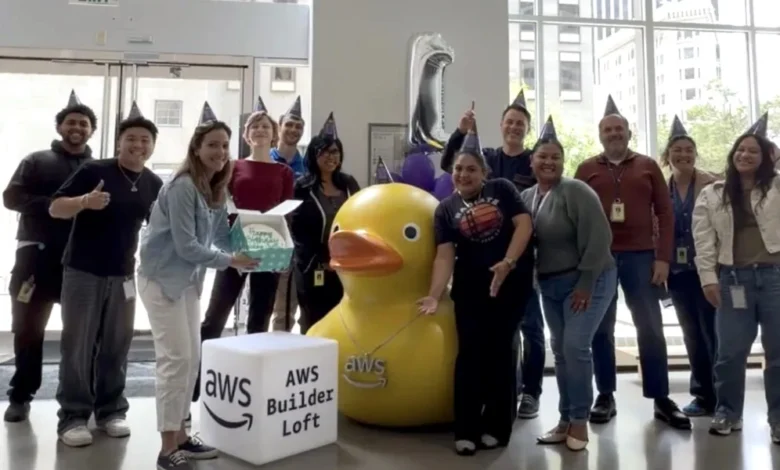
The evolution of cloud computing has long been defined by its digital infrastructure, yet Amazon Web Services (AWS) is reinforcing a strategic shift toward physical, community-centric engagement. Following the success of its inaugural permanent AWS Builder Loft in San Francisco, which launched in July 2025, the company has officially confirmed plans to establish three new international hubs in Berlin, Hyderabad, and São Paulo. These spaces are designed to serve as permanent collaborative environments for students, startups, and established software developers, marking a significant departure from the temporary, pop-up models that defined the company’s earlier physical community strategy.
The Evolution of the AWS Community Strategy
For over a decade, AWS utilized "Pop-up Lofts" as a primary mechanism for real-world engagement. These temporary installations were strategically deployed in major global tech corridors, providing a localized environment where entrepreneurs and engineers could access technical experts, participate in training sessions, and utilize co-working facilities. While these pop-up locations were highly effective at disseminating information on cloud migration and architecture, their temporary nature limited the depth of long-term community building.
The transition toward permanent infrastructure began in earnest during the height of the generative AI boom. As the technical complexity of cloud applications increased, the need for sustained, hands-on learning environments became apparent. The AWS Gen AI Lofts served as a successful bridge, providing immersive, collaborative experiences that helped developers navigate the shift toward large language models and neural network deployment. This pivot demonstrated that developers were not merely seeking transactional support, but rather a consistent "home base" where they could iterate on projects over weeks or months, rather than days.
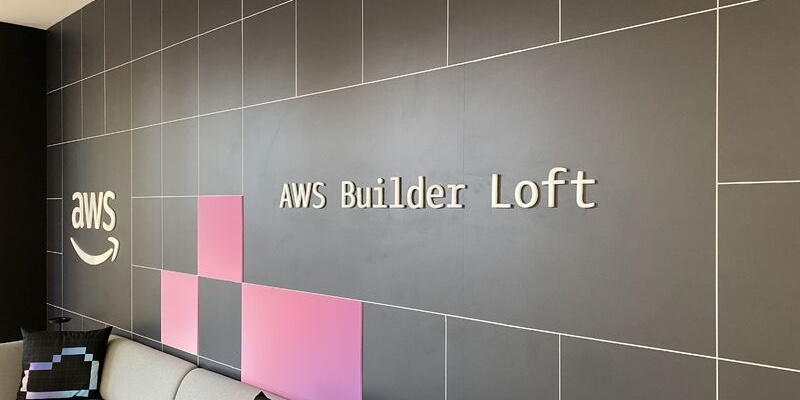
Chronology of the Builder Loft Initiative
The San Francisco Builder Loft serves as the prototype for this new global strategy. Since its opening in mid-2025, the facility has recorded more than 22,500 individual visits. Its operational model is centered on high-density utility: the space functions as a classroom during morning hours, a startup demo stage during the afternoon, and a networking hub in the evening.
The timeline of this expansion reflects a broader trend among major cloud providers to establish physical "innovation outposts" in cities identified as high-growth talent hubs. By selecting Berlin, Hyderabad, and São Paulo, AWS is positioning its resources in regions that currently exhibit the highest rates of developer ecosystem growth. These cities represent diverse regulatory, economic, and technical landscapes, and the decision to establish permanent roots in these locations suggests a long-term commitment to local developer retention and talent development.
Data-Driven Community Engagement
The operational metrics from the San Francisco site provide a clear picture of how these spaces function at scale. On average, the facility hosts between four and eight community-led events each week. These events range from structured technical deep dives—often focused on AI infrastructure—to open-forum pitch nights for venture-backed startups.
The economic and educational impact of these hubs is multifaceted. By providing physical space at no cost to community organizers, AWS lowers the barrier to entry for independent developer groups, student chapters, and local User Groups. This "community-led, infrastructure-supported" model allows the company to minimize the overhead of content creation while maximizing the quality of the programming. When a facility is managed by local leaders, the workshops and seminars are inherently more relevant to the specific needs of that region’s workforce, whether that involves local compliance, language-specific coding requirements, or regional startup funding trends.

The Strategic Importance of Berlin, Hyderabad, and São Paulo
The choice of these three specific cities is not incidental. Each city serves as a nexus for regional digital transformation:
- Berlin: As a primary gateway for European technology and a hub for the continent’s burgeoning "SaaS" (Software as a Service) ecosystem, Berlin provides access to a dense network of cross-border enterprises and research institutions.
- Hyderabad: Often cited as a critical pillar of India’s global IT service and software development sector, Hyderabad offers a massive pipeline of technical talent. The Builder Loft here is expected to serve as a bridge between academic institutions and the enterprise cloud workforce.
- São Paulo: As the largest financial and technological center in Latin America, São Paulo is the engine of the region’s digital economy. Establishing a permanent footprint here allows AWS to support a massive, underserved community of developers who are increasingly looking to scale applications across global markets.
Implications for the Tech Ecosystem
The shift toward permanent physical hubs carries several implications for the broader technology sector. First, it signals that despite the ubiquity of remote work and virtual collaboration, the physical "third space"—an environment that is neither home nor the corporate office—remains vital for innovation. For developers, the ability to engage in "serendipitous collaboration"—the act of bumping into peers and mentors during a networking event—is often cited as a key driver for personal career development and startup formation.
Second, the model represents a sophisticated form of ecosystem management. By providing the "stage" for local tech communities, AWS ensures that its own tools and services remain at the center of the local conversation. When a local meetup organizer hosts an event at a Builder Loft, the community is naturally exposed to AWS’s latest documentation, hardware demonstrations, and cloud architectural best practices. This creates a feedback loop: the community receives the support it needs to thrive, and the cloud provider gains a dedicated, loyal user base that is deeply integrated into its platform.
Future Outlook and Operational Model
While AWS has yet to release the specific opening dates for the three new locations, the company has emphasized that these spaces will operate with the same flexibility as the San Francisco facility. They are not intended to be corporate offices, but rather "public-facing" spaces. The infrastructure includes dedicated training rooms, demo stages for prototyping, and co-working areas designed to facilitate the transition from an idea to a Minimum Viable Product (MVP).
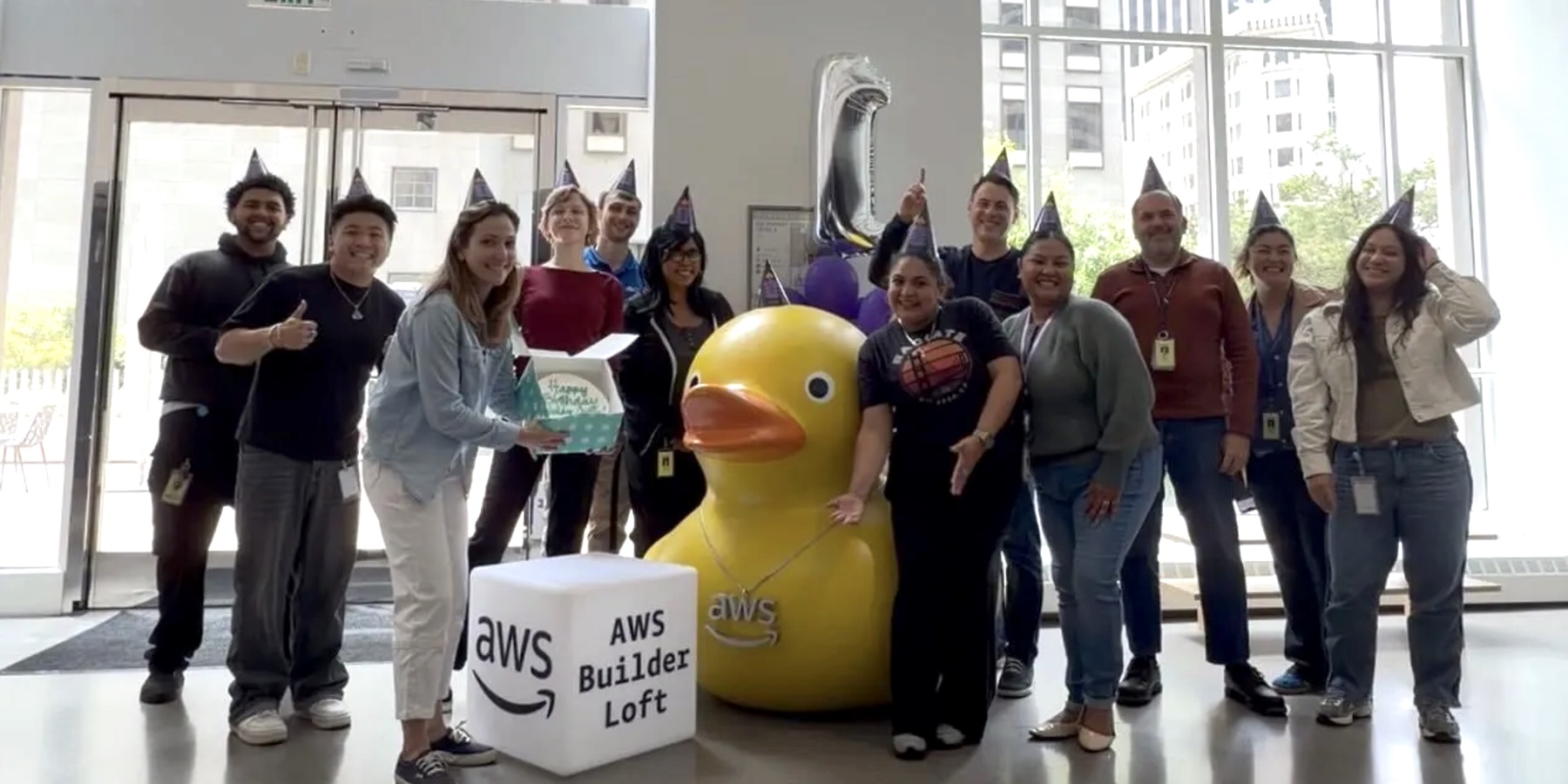
For tech community leaders, the announcement serves as a call to action. AWS is explicitly positioning these lofts as community-led environments, meaning the success of the facilities will rely on the programming provided by local organizations. The integration of AWS User Groups and Student Builder Groups into the day-to-day operations of the lofts ensures that there is a constant stream of new participants, preventing the spaces from becoming stagnant or exclusive.
As the industry continues to navigate the complexities of generative AI, cybersecurity, and cloud-native development, the role of these physical hubs will likely evolve. Whether through hosting intense hackathons aimed at solving regional problems or providing a quiet space for student builders to access the AWS cloud, these lofts represent a significant investment in the human capital of the software industry. By rooting itself in the physical heart of these global tech centers, AWS is reinforcing the idea that while code is written in the cloud, the inspiration for that code is often forged in the community.