Aspimtel Raises Concerns Over Market Exclusivity and Competitive Fairness in Badung Telecommunications Infrastructure Dispute

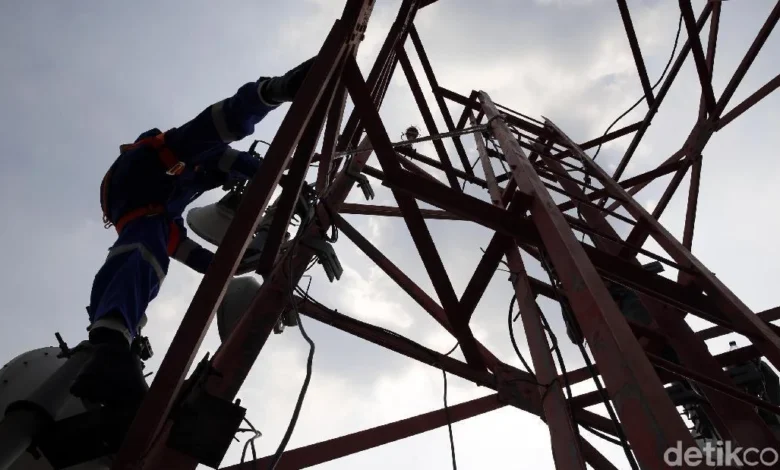
The telecommunications landscape in Bali is currently navigating a period of significant regulatory and legal uncertainty as the Indonesian Telecommunications Tower Infrastructure Providers Association (Aspimtel) sounds the alarm regarding potential market exclusivity within the Badung Regency. At the heart of the controversy is a high-stakes legal battle between the Badung Regency Government and PT Bali Towerindo Sentra Tbk, a conflict that has drawn the attention of industry regulators and market analysts alike. The core of the dispute centers on the sustainability of infrastructure competition and the potential for a long-term monopoly that could stifle innovation and limit the operational freedom of other market players until the year 2047.
The Genesis of the Dispute
The legal friction stems from a long-standing partnership agreement originally signed on May 7, 2007, between the Badung Regency Government and PT Bali Towerindo Sentra Tbk. This agreement established the framework for the provision of integrated telecommunications tower infrastructure within the region. For nearly two decades, this partnership served as the backbone of local connectivity. However, the relationship soured as the legal definitions of the contract—specifically regarding exclusivity and tenure—became subjects of intense judicial scrutiny.
On August 20, 2026, the Bali High Court issued a landmark ruling in the case numbered 200/PDT/2026/PT DPS. The court ruled in favor of Bali Towerindo, declaring the original 2007 agreement as legally binding and asserting that the Badung Regency Government had committed an act of wanprestasi, or breach of contract. Consequently, the court ordered an extension of the cooperation agreement for a further 20 years, effectively locking in the arrangement until May 7, 2047.
The most contentious element of the ruling, however, lies in its operational mandates: the court ordered the Badung Regency Government to dismantle existing telecommunications towers in the region that are not owned by Bali Towerindo. Furthermore, the court imposed a strict prohibition on the local government from issuing new operating permits or infrastructure licenses to any other providers for the duration of the extended contract period.
Aspimtel’s Stance on Competitive Integrity
Theodorus Ardi Hartoko, Chairman of Aspimtel, has expressed significant reservations regarding the implications of the court’s decision. In a statement issued from Jakarta, Hartoko emphasized that the telecommunications sector must remain a landscape of fair competition, where all licensed business operators are afforded equal opportunity to participate in market growth.
"The principle of business opportunity must be protected by law," Hartoko stated. "We believe that the presence of exclusivity clauses and the restriction of access to the market are fundamentally at odds with a healthy business environment. Such conditions should not be allowed to persist if they serve to bar other industry players from contributing to the region’s digital infrastructure."
Aspimtel has adopted a posture of cautious observation. While they have not yet formally concluded whether the situation constitutes an explicit case of illegal monopoly, they are actively engaging with the Komisi Pengawas Persaingan Usaha (KPPU), Indonesia’s anti-monopoly agency. This engagement is aimed at ensuring that the dispute is viewed not merely as a private contract issue, but as a structural concern regarding the health of the national telecommunications market.
Regulatory and Economic Implications
The potential for a 20-year monopoly in one of Indonesia’s most lucrative tourism and business hubs carries profound economic implications. Telecommunications infrastructure, specifically in the era of 5G and fiber-optic expansion, requires constant investment and the ability for multiple providers to optimize network density.
From a regulatory perspective, the restriction on the local government’s ability to issue permits to third parties effectively creates a "closed market." Analysts suggest that such an environment could lead to:
- Stagnation of Innovation: Without competitive pressure, the incentive for infrastructure providers to upgrade technology or reduce service costs may diminish.
- Increased Costs for End-Users: When infrastructure is restricted to a single provider, the wholesale costs passed down to telecommunications carriers—and subsequently to the public—may rise.
- Legal Precedent Risks: If the court’s ruling to dismantle competitor infrastructure stands, it could set a dangerous precedent for public-private partnerships across Indonesia, potentially deterring foreign and domestic investment in essential digital infrastructure.
The Role of KPPU and Future Legal Pathways
The involvement of the KPPU is pivotal. The agency is mandated to monitor and prevent practices that distort market competition. If the KPPU determines that the exclusivity mandated by the court’s ruling restricts fair competition, it could intervene by filing an amicus curiae brief or providing expert testimony in the ongoing appellate process.
The Badung Regency Government is reportedly considering a cassation, or an appeal to the Supreme Court, to contest the High Court’s ruling. Aspimtel has indicated its readiness to participate in these proceedings, offering to provide expert testimony or serve as an interested party to advocate for a more balanced regulatory outcome.
"We are currently evaluating what steps we can take to ensure that the principle of fair business opportunity is maintained," Hartoko explained. "If our presence is required to provide context on the industry’s health and the impact of these exclusive agreements, Aspimtel is prepared to serve as a witness to promote a more equitable market structure."
The Complexity of Infrastructure Density
While the legal battle focuses on the exclusivity of the agreement, the technical reality of the Badung region remains complex. The dispute touches upon the density of tower placements. Critics of the current agreement argue that the "integrated" nature of the infrastructure often ignores the saturation levels of the region. By mandating the removal of non-Bali Towerindo assets, the ruling could potentially lead to temporary service disruptions for mobile network operators who rely on those specific sites to maintain coverage for their subscribers.
Aspimtel has clarified that while they are monitoring the situation, the technical details regarding the exact number of affected tower sites remain the domain of individual operators. The association’s primary concern is the regulatory framework governing these assets rather than the specific asset count of individual companies.
Conclusion: A Test for Indonesia’s Digital Economy
The Badung case serves as a litmus test for the robustness of Indonesia’s regulatory framework regarding public-private partnerships. As the nation pushes for greater digital inclusion, the tension between legacy contracts and the need for a modern, competitive infrastructure market becomes increasingly visible.
The outcome of the potential Supreme Court appeal will likely resonate far beyond Bali. It will dictate how local governments nationwide manage infrastructure partnerships and whether they possess the autonomy to ensure that local markets remain open to multiple providers. As the situation develops, the industry remains focused on the central question: can a contract signed in 2007 continue to dictate the competitive landscape of the late 2040s, or must the law evolve to favor the broader public interest of competition and connectivity?
For now, all eyes remain on the dialogue between the industry stakeholders and the regulatory bodies. With Aspimtel’s continued scrutiny and the involvement of the KPPU, the path forward for telecommunications in Badung will be defined by the delicate balance between contractual sanctity and the fundamental necessity of a fair, competitive digital ecosystem.