How an Anaheim Startup Defeated Counterfeiters and Scaled Rapidly Through Rigorous E-Commerce IP Enforcement

The global e-commerce landscape has long presented a paradoxical challenge for independent product designers and creators. While digital marketplaces provide unprecedented reach to global consumers, they simultaneously expose small businesses to the pervasive threat of intellectual property theft and rampant counterfeiting. For Anaheim-based Pluginz—creator of the iconic Jack Rack guitar-amplifier key holder—protecting proprietary designs consumed significant time, legal capital, and operational energy for nearly a decade. However, a strategic pivot toward emerging e-commerce channels equipped with robust, multi-layered intellectual property (IP) protocols has fundamentally transformed the company’s trajectory. By partnering with platforms featuring proactive compliance frameworks, Pluginz has mitigated counterfeit losses, streamlined domestic fulfillment, and unlocked unprecedented commercial expansion.
Main Facts of the Pluginz Growth and Protection Model
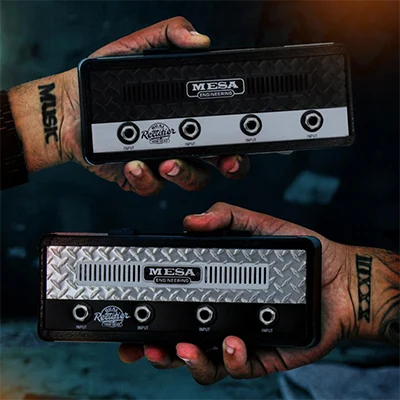
Pluginz’s flagship product, the Jack Rack, repurposes the aesthetic of classic guitar amplifiers into functional wall-mounted key holders, complete with authentic plug-style keychains. The company’s catalog extends to miniature amp-styled desk organizers and guitar-pick clocks. Central to the brand’s business model is a strict adherence to official licensing agreements with legendary music acts and premier audio equipment manufacturers, including Marshall, Fender, Gibson, Mesa Boogie, Ozzy Osbourne, Oasis, and Slayer.
Because the company’s market value is intrinsically tied to these authorized partnerships, unauthorized knockoffs represent an immediate existential and financial threat. When founders Dan Jacobs and Mike Stricklin expanded their distribution to the e-commerce platform Temu in November 2025 through its Local Seller Program, they encountered a compliance infrastructure that drastically differed from legacy marketplaces. Instead of forcing merchants to reactively file unending complaints against infringing listings, the platform mandated comprehensive IP verification prior to product onboarding. Within six months of launching their domestic storefront—where orders are picked, packed, and shipped directly from their Anaheim warehouse—Pluginz surpassed 10,000 items sold, turning the platform into their fastest-growing sales channel.
Chronology of Innovation, Counterfeiting, and Recovery
The operational history of Pluginz underscores the arduous journey of independent manufacturing scaled through digital virality.
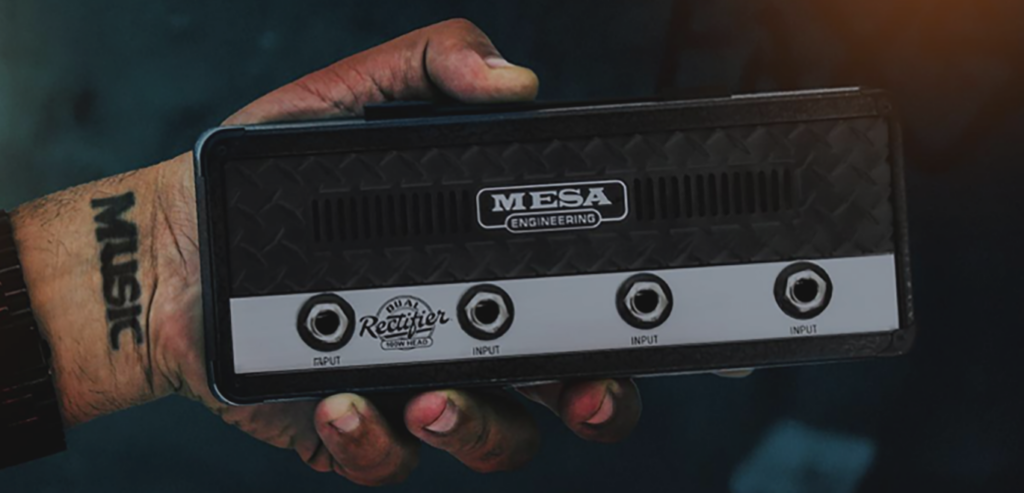
In 2015, Mike Stricklin crafted the original prototype of the Jack Rack using authentic guitar amplifier components, mounting it to his garage wall as a personal organizational tool. When he published an image of the creation to the online community Reddit, the post achieved unexpected viral traction. Capitalizing on the public demand, Stricklin launched a crowdfunding campaign that successfully funded his initial commercial manufacturing run. Within months, the fledgling operation was generating approximately $10,000 daily in sales, with Stricklin and a circle of friends manually assembling units by hand.
Recognizing the need for industry connections to legitimize the brand, Stricklin partnered with Dan Jacobs, a professional guitarist for the Southern California metalcore band Atreyu. Leveraging his extensive network within the music industry, Jacobs successfully negotiated the company’s foundational licensing agreement with Marshall. This breakthrough opened the door for subsequent partnerships with heavyweights across the guitar and music industries.
However, commercial success immediately invited illicit replication. As the brand’s portfolio of licensed designs expanded, so did the volume of counterfeit merchandise infiltrating various digital marketplaces. For years, the founders deployed capital and legal resources to chase down international knockoffs, diverting critical energy away from core business development. The turning point arrived in late 2025 when Pluginz integrated with Temu’s Local Seller Program. The platform’s upfront screening procedures and rapid resolution protocols alleviated the enforcement burden, allowing the founders to refocus on product innovation and market penetration.
Supporting Data and IP Enforcement Mechanisms
The scale of intellectual property infringement in modern e-commerce requires automated, multi-tiered defensive frameworks. According to data highlighted in the platform’s 2026 IP Protection Report, digital marketplaces are increasingly shifting toward proactive technological safeguards rather than relying solely on reactive takedown requests submitted by rights holders.
The report indicates that proactive removals of infringing listings by platforms now outnumber reactive, merchant-reported takedowns by a striking ratio of 331 to 1—an escalation from the approximately 200-to-1 ratio recorded the previous year. Furthermore, major e-commerce platforms are expanding their protective umbrellas; Temu specifically reported tripling its IP protection coverage to safeguard approximately 15,000 registered brands.
Under this protective architecture, IP screening occurs across three distinct phases:
- Pre-Onboarding Verification: Sellers must submit valid licensing documents, trademark registrations, and authorization proofs before any product catalog can go live.
- Algorithmic Monitoring: Systems continuously cross-reference new and existing listings against extensive brand and imagery databases to detect visual or textual anomalies.
- Post-Listing Enforcement: Following store activation, dedicated compliance teams monitor transactions and user reports, resolving suspected intellectual property violations within an average timeframe of under 24 hours.
For Pluginz, these mechanics translated into tangible operational relief. Shortly after integrating their storefront, Stricklin personally flagged an unauthorized replica of a licensed product. Compliance teams reviewed the submission and initiated enforcement protocols within hours, demonstrating a level of automated and responsive defense that the founders had previously struggled to achieve independently.
Broader Impact and Industry Implications
The experience of Pluginz offers broader implications for small-to-medium-sized enterprises (SMEs) navigating the digital retail economy. Traditionally, robust intellectual property enforcement was viewed as a luxury accessible primarily to multinational corporations with dedicated legal departments and substantial retainers. Counterfeiting often acted as a structural tax on innovative startups, siphoning resources away from research, development, and marketing.
The evolution of platform-backed compliance programs suggests a paradigm shift in how marketplaces handle merchant protection. By embedding verification deep into the merchant onboarding workflow and leveraging machine-learning databases for proactive policing, platforms can foster a safer commercial environment that attracts legitimate, brand-conscious creators.
For consumer brands, secure distribution channels enable faster market expansion without the constant fear of brand dilution. Buoyed by streamlined operations and lower policing overhead, Pluginz is currently scaling its production pipeline. The company plans to introduce new band licenses at a cadence of roughly one every two weeks, diversify its catalog into mainstream genres such as country music, and leverage existing domestic success to break into European retail markets via international e-commerce channels.
As digital marketplaces continue to refine their regulatory compliance frameworks, stories like that of Pluginz illustrate that technological integration between platforms and independent merchants can effectively safeguard proprietary innovation, ensuring that original creators reap the full economic rewards of their intellectual capital.