Costco Wholesale Expands Uber Eats Delivery Partnership Nationwide Across Nearly 600 U.S. Locations

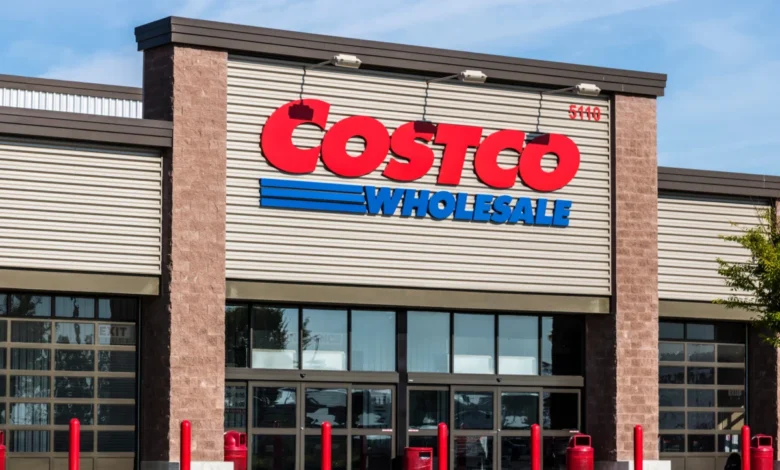
Costco Wholesale is significantly scaling up its footprint in the on-demand economy by expanding its delivery partnership with Uber Eats to a nationwide level. The warehouse retail giant is growing its presence on the platform from a limited footprint of just 17 states to encompass nearly 600 warehouse locations spanning all 47 U.S. states where the company currently operates.
This strategic move marks a vital progression in Costco’s ongoing digital evolution. While longtime partner Instacart remains a primary fixture in Costco’s omnichannel fulfillment ecosystem—powering a multitude of delivery experiences both domestically and internationally—the wholesale club is actively diversifying its last-mile network. By widening its operational scope, Costco is leaning aggressively into same-day delivery, a sector that leadership notes is outstripping the growth of its overall ecommerce business.
The decision to scale the Uber Eats partnership reflects shifting consumer expectations within the retail landscape. Modern shoppers increasingly demand immediate fulfillment options, even when purchasing bulk goods and household essentials traditionally associated with planned, in-person warehouse club trips. Through this nationwide rollout, Costco is positioning itself to capture a larger share of the fast-paced convenience economy while deepening member engagement.
Mechanics of the Expanded Uber Eats Integration
Under the terms of the expanded agreement, Costco members have access to the retailer’s full warehouse inventory directly through the Uber Eats application. To utilize the service, shoppers input their valid Costco membership numbers into the Uber Eats platform, unlocking member-specific pricing and product availability. Once authenticated, users can choose between immediate on-demand delivery or scheduled time slots tailored to their daily routines.
Beyond standard ordering capabilities, the two companies have engineered a series of cross-promotional benefits designed to intertwine their respective membership bases. Costco members are eligible to receive a substantial discount on an annual Uber One subscription, securing 50% off during their first year and 20% off in subsequent renewal periods. The Uber One program grants consumers zero-fee deliveries, preferential service on rides, and exclusive promotional discounts across the Uber ecosystem.
Furthermore, the collaboration introduces financial incentives for cross-platform adoption. Uber and Uber Eats gift cards are now stocked at physical Costco warehouses and on Costco.com at discounted rates. Concurrently, new customers can purchase a Costco membership directly via the Uber Eats app, receiving a 30% discount on their initial delivery order. This friction-free acquisition funnel is expected to drive mutual subscriber growth for both brands.
Executive Perspectives and Strategic Alignment
Leadership from both corporations has emphasized the immense potential of the expanded alliance. Andrew Macdonald, President and Chief Operating Officer at Uber, highlighted the scale that the partnership brings to the table.
"We are thrilled to expand our partnership with Costco nationwide, giving Costco members more ways to shop and bringing the brand’s storied selection and value to more consumers," Macdonald stated. He added that Costco’s reputation as one of the country’s most trusted retailers demonstrates the capacity of Uber’s infrastructure to meet complex, everyday consumer shopping needs at scale.
Costco’s executive team has similarly championed the integration of third-party platforms as a primary driver of customer satisfaction and loyalty. During a recent earnings call, Costco Chief Executive Officer Ron Vachris shared insights regarding the performance of the retailer’s same-day delivery sector with investors.
"Same-day delivery powered by our third-party partners has become a highly effective way to deliver more convenience to our members," Vachris explained. He noted that the average same-day delivery turnaround time in the United States has been whittled down to roughly 45 minutes, backed by an exceptional average customer satisfaction rating of 4.8 out of 5 stars.
"This part of our business is growing at an even faster rate than our digital business overall," Vachris continued, emphasizing that same-day fulfillment acts as a potent anchor for customer retention. "It is a strong driver of loyalty, as it is often our highest-spending members who are using the service."
Financial Context and Digital Growth Metrics
The acceleration of same-day delivery arrives on the heels of robust financial metrics reported by the warehouse club. During Costco’s fiscal Q2 2026 earnings call in March, Chief Financial Officer Gary Millerchip reported that same-day delivery transactions executed through Instacart, Uber Eats, and DoorDash were expanding at a pace well ahead of the company’s broader digital sales growth. For context, Costco’s overall ecommerce sales climbed an impressive 22.6% year-over-year during the period.
These figures underscore the changing demographic of the typical Costco shopper. Traditionally viewed as a destination for weekend bulk-shopping excursions requiring physical storage space and vehicular transport, the warehouse model is successfully translating into an agile, on-demand solution for urban and suburban households alike.
According to data compiled by Digital Commerce 360, Costco holds the No. 7 position in the Top 2000 Database, which tracks the largest online retailers in North America by annual ecommerce sales. Additionally, Costco ranks as the fourth-largest Mass Merchant within the database, cementing its status as a heavyweight in both physical and digital retail channels.
A Multi-Partner Delivery Strategy
Despite the headline-grabbing expansion with Uber Eats, Costco remains committed to a diversified, multi-partner delivery strategy rather than an exclusive arrangement. Instacart continues to play an foundational role in Costco’s digital infrastructure. Instacart’s Storefront Pro commerce platform and advanced fulfillment solutions recently powered the launch of Costco’s same-day delivery websites in France and Spain in January.
Through this international integration, Costco members in France and Spain can bypass the third-party app marketplace entirely, shopping natively through Costco-branded web properties while utilizing backend fulfillment technology supplied by Instacart.
Internationally, the Uber Eats platform has also established a robust presence alongside Costco. Prior to the nationwide U.S. rollout, hundreds of international Costco warehouses were already operational on Uber Eats across key global markets, including Canada, France, Japan, Spain, Taiwan, and Mexico. This global footprint provided a reliable blueprint for the domestic expansion, proving that warehouse inventory models can successfully integrate with restaurant- and convenience-focused delivery networks.
Broader Implications and Industry Impact
Costco’s aggressive scaling of its third-party delivery network signals a broader maturation in the retail sector regarding last-mile logistics. For decades, warehouse clubs resisted rapid delivery models due to the unique challenges of handling heavy, bulky merchandise, maintaining strict cold-chain protocols for grocery items, and preserving razor-thin profit margins.
However, the operational success of platforms like Uber Eats, Instacart, and DoorDash has proven that consumers are willing to pay for the convenience of having bulk goods delivered directly to their doorsteps. By partnering with established gig-economy logistics networks rather than attempting to build proprietary fleets from scratch, Costco can scale its geographic reach rapidly without incurring the massive capital expenditures associated with localized delivery infrastructure.
Furthermore, the symbiotic cross-promotion of memberships—such as the bundled discounts for Uber One and Costco annual passes—creates a formidable defensive moat. Customers who utilize both ecosystems are statistically more likely to exhibit higher lifetime values, increased purchasing frequencies, and lower churn rates.
As the retail sector navigates evolving consumer habits, Costco’s dual-pronged approach of working with multiple third-party giants while preserving its proprietary brand equity serves as a masterclass in omnichannel adaptation. With nearly 600 U.S. locations now live on Uber Eats and same-day delivery speeds averaging under an hour, Costco has successfully bridged the gap between traditional bulk warehousing and the instant-gratification demands of the modern digital consumer.