AWS Elastic Beanstalk Launches New Fully-Managed Cluster Mode to Streamline Modern Application Portfolios

Since its initial debut in 2011, AWS Elastic Beanstalk has served as a foundational pillar for developers looking to offload the complexities of infrastructure management. By allowing teams to deploy full-stack applications in languages such as Java, .NET, Python, Node.js, PHP, Ruby, and Go, the service established a standard for developer productivity. Fifteen years later, as the landscape of cloud-native computing has shifted toward containerization and Kubernetes-orchestrated environments, Amazon Web Services has unveiled a significant evolution of this service: the introduction of a fully-managed Cluster Mode. This new deployment paradigm is designed to cater to modern enterprises managing large portfolios of applications, offering a more efficient, shared infrastructure model that reduces operational overhead while maintaining the simplicity for which Elastic Beanstalk is known.
A Chronology of Evolution: From Simple PaaS to Intelligent Orchestration
The trajectory of Elastic Beanstalk mirrors the broader maturation of the cloud computing industry. When first launched in 2011, the primary value proposition was simple: take existing application code and let AWS handle the underlying provisioning, load balancing, and scaling. This "Platform as a Service" (PaaS) approach allowed small startups and large enterprises alike to focus exclusively on business logic.
Throughout the following decade, AWS continuously refined the operational engine. By 2026, the service had integrated sophisticated capabilities, including AI-powered environment analysis—a diagnostic tool that automatically identifies health issues and suggests remediations. The integration of GitHub Actions further bridged the gap between development and operations, enabling teams to trigger deployments directly from their CI/CD pipelines via standard YAML configurations. The foundation was further bolstered by OpenTelemetry-based observability, traffic-splitting capabilities for canary deployments, and automated secret management via AWS Secrets Manager.
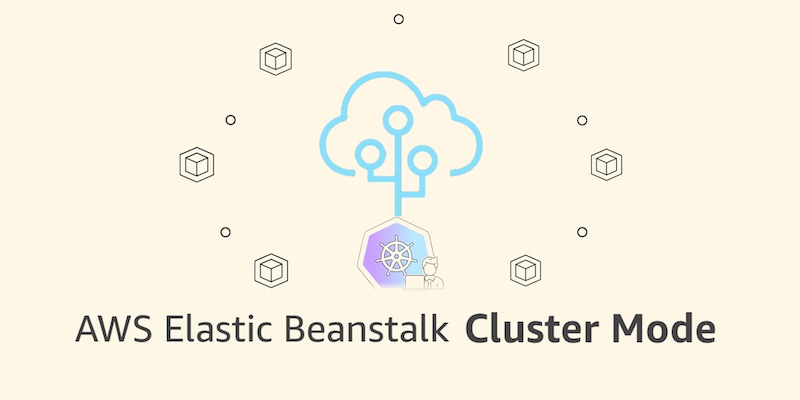
The launch of Cluster Mode marks a strategic pivot. By leveraging Amazon Elastic Kubernetes Service (EKS) as the underlying engine, AWS is effectively unifying the ease of use of Elastic Beanstalk with the industrial-grade power of Kubernetes, providing a managed experience that abstracts away the complexities of cluster administration.
The Technical Architecture of Cluster Mode
At its core, the new Cluster Mode addresses the "management tax" associated with scaling application portfolios. In traditional configurations, each application required its own isolated infrastructure, which, when scaled to dozens or hundreds of services, could result in resource fragmentation and increased management overhead.

Cluster Mode changes this dynamic by allowing multiple applications to share an underlying EKS cluster. This shared infrastructure model is governed by a single operational baseline. Because resources are pooled, enterprises can achieve higher utilization rates and lower costs per application. The operational responsibility remains entirely with AWS; the service handles the deployment, scaling, patching, monitoring, and lifecycle maintenance of the underlying Kubernetes nodes, allowing developers to interact with the system using familiar Elastic Beanstalk commands and console experiences.
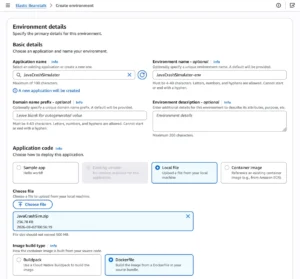
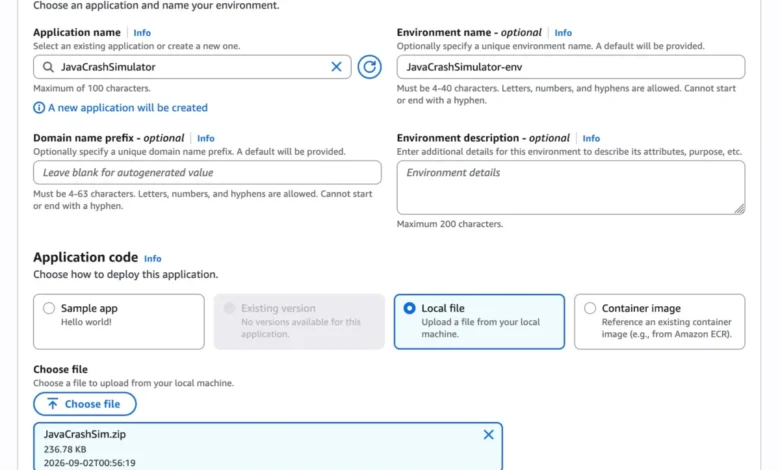
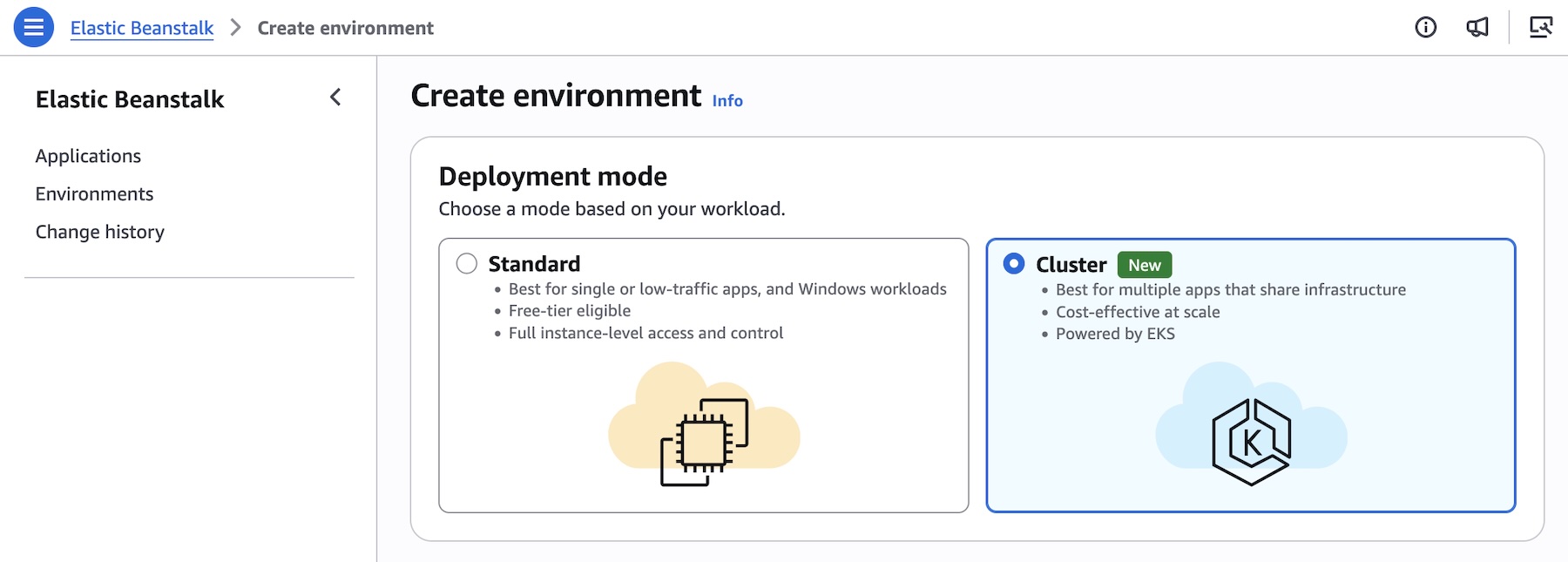
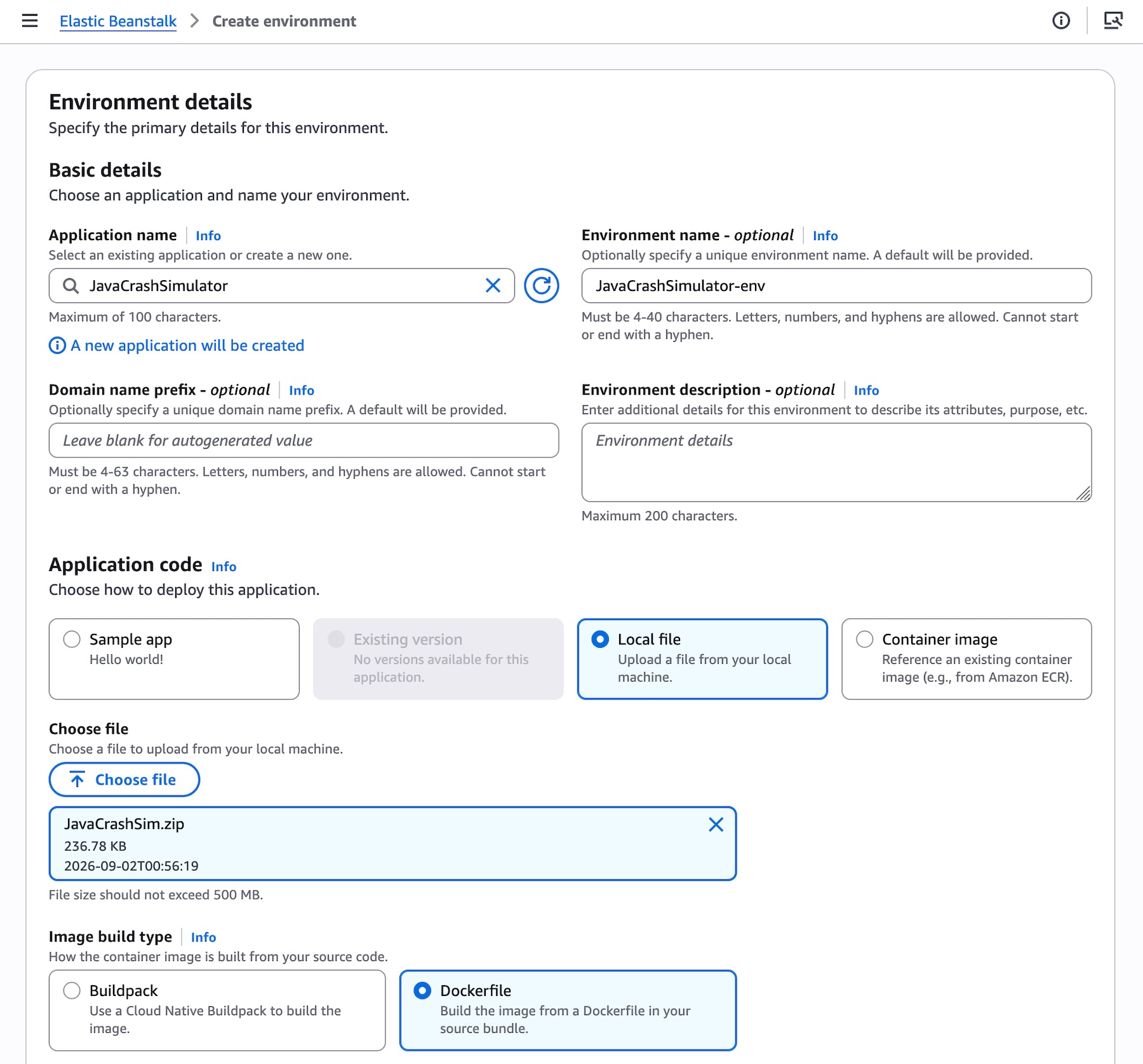
For organizations already utilizing containerized workflows, this is a significant development. Developers can provide source code, Dockerfiles, or pre-built container images. Once the "Cluster" deployment type is selected in the console, Elastic Beanstalk orchestrates the creation of the EKS environment. While the initial creation of an EKS cluster takes approximately ten minutes, subsequent deployments are optimized to be significantly faster, reusing existing resources.
Data-Driven Efficiency and Resource Optimization
The economic implications of this update are notable for CTOs and infrastructure leads. In a standard Elastic Beanstalk environment, scaling independent instances often results in "over-provisioning" to ensure headroom for spikes. By shifting to a Kubernetes-backed architecture, the granularity of resource management improves.
The integration allows for specific configuration of memory limits, CPU shares, and auto-scaling policies at the service level. For instance, a microservice architecture can be deployed where a frontend service is exposed via an Application Load Balancer (ALB) with specific health-check paths, while backend services operate within the private network, restricted from public traffic. This granular control, managed through JSON-based option settings, ensures that security best practices—such as HTTPS by default via AWS Certificate Manager—are applied consistently across the entire portfolio.
Industry Implications and Strategic Alignment
The move to integrate EKS directly into the Elastic Beanstalk experience signals a broader industry trend toward "Kubernetes-under-the-hood." As Kubernetes becomes the de-facto standard for container orchestration, the demand for "opinionated" management layers has grown. Many organizations have found that while Kubernetes offers immense flexibility, the burden of maintaining control planes, node groups, and observability stacks can be overwhelming for development-focused teams.
By offering this as a managed feature, AWS is positioning Elastic Beanstalk as a viable long-term solution for companies that want to utilize the ecosystem of Kubernetes without the steep learning curve. The ability to run Standard (EC2-based) and Cluster (EKS-based) modes side-by-side allows for a gradual, risk-mitigated migration strategy. Teams are not forced to refactor their entire codebase overnight; they can move individual services to Cluster Mode as they reach their next update cycle, validating compatibility through the service’s built-in checks.
Operational Transparency and Official Support
AWS has committed to full regional availability for Cluster Mode, aligning with the global footprint of existing Elastic Beanstalk services. For teams utilizing infrastructure-as-code, the service supports the AWS CLI, the EB CLI, and various SDKs, ensuring that the transition to the new mode does not disrupt existing automation workflows.
The pricing model for Cluster Mode reflects the underlying resource consumption. AWS maintains a transparent fee structure where users pay for the EKS control plane, EKS Auto Mode compute, ECR storage, and CloudWatch telemetry. It is worth noting that unlike some previous iterations of the service, Cluster Mode is not eligible for the AWS Free Tier, reflecting the production-grade nature of the underlying EKS infrastructure.
Looking Ahead: The Future of Managed Deployments
As companies continue to accelerate their digital transformation efforts, the focus has shifted from merely "moving to the cloud" to "optimizing for operational excellence." The introduction of Cluster Mode serves as a testament to the fact that even long-standing services must evolve to remain relevant in a container-first world.
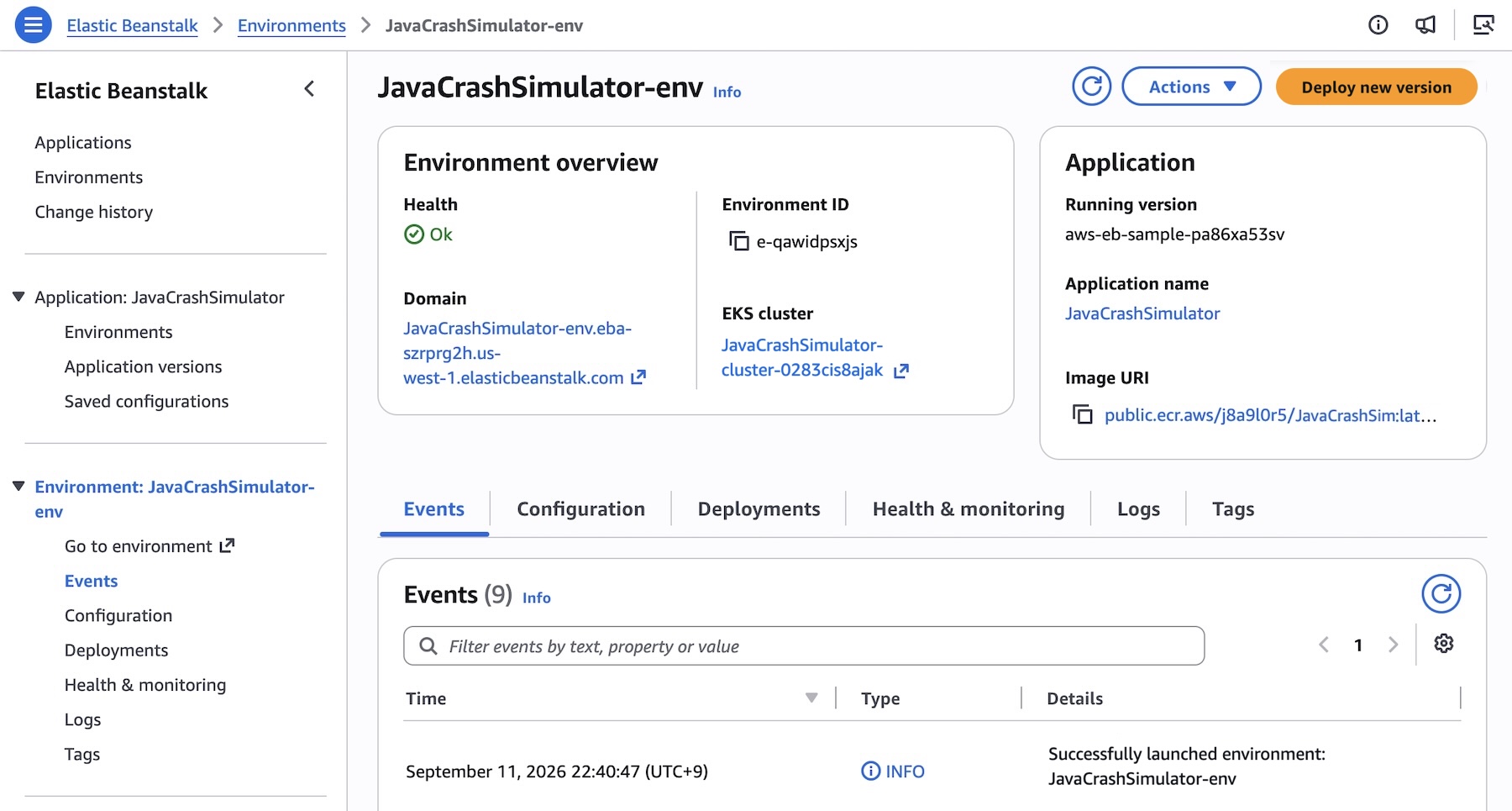
By offloading the "undifferentiated heavy lifting" of patching, upgrading, and monitoring Kubernetes environments to AWS, organizations can reclaim thousands of engineering hours annually. The success of this transition will likely depend on the ease of migration for existing users. With documentation and support tools—such as the AWS MCP Server and various AI-assisted troubleshooting plugins—already in place, AWS appears to be prioritizing a smooth transition path for its long-term user base.
For the developer, the promise remains the same as it was in 2011: the infrastructure should be invisible. With Cluster Mode, AWS has updated that promise for the era of microservices, ensuring that the burden of modern application management remains firmly with the provider, not the customer. This evolution ensures that Elastic Beanstalk remains a competitive and vital tool in the cloud architect’s toolkit, effectively bridging the gap between legacy simplicity and modern, containerized complexity.
Related posts: